
Reviewed · OSAKA STREET FOOD TOURS
Osaka Street Food Adventure: Taste Local Flavors with Guide
Osaka’s best introduction may be a walk through the places where people actually eat. This three-hour tour takes you from the old-fashioned streets of Shinsekai to the neon glow of Dotonbori, with takoyaki, kushikatsu, wagashi, croquettes, steamed buns, and other local bites along the way.
I like the small group size, limited to eight people, because it gives your guide room to explain what you are eating and adjust the pace. I also like the route itself: you get a taste of Osaka’s food culture while seeing Tsutenkaku, Hozenji Yokocho, Namba, and Dotonbori. The main drawback is the food restrictions. Meat, seafood, wheat, and dairy may appear in the tastings, so this tour is not a good fit for anyone with serious allergies.
In This Review
- Key points to know before booking
- Why this Osaka food walk works so well
- Meeting at Ebisucho Station and entering Shinsekai
- Eating kushikatsu beneath Tsutenkaku
- Takoyaki, steamed buns, and a local restaurant
- Taking the subway from Shinsekai to Namba
- Browsing the Namba depachika
- Hozenji Yokocho and the quieter side of Namba
- Finishing under the Glico sign in Dotonbori
- What food might appear on your tour
- Group size, language, and walking pace
- Is $83 a fair price for three hours?
- Who should book this Osaka food experience?
- FAQ
- Where does the Osaka food tour start?
- Where does the tour finish?
- How long does the experience last?
- How many food tastings are included?
- Is a drink included?
- Is the subway fare included?
- Is the tour suitable for people with food allergies?
- Can I cancel or pay later?
- Should you book it?
Key points to know before booking
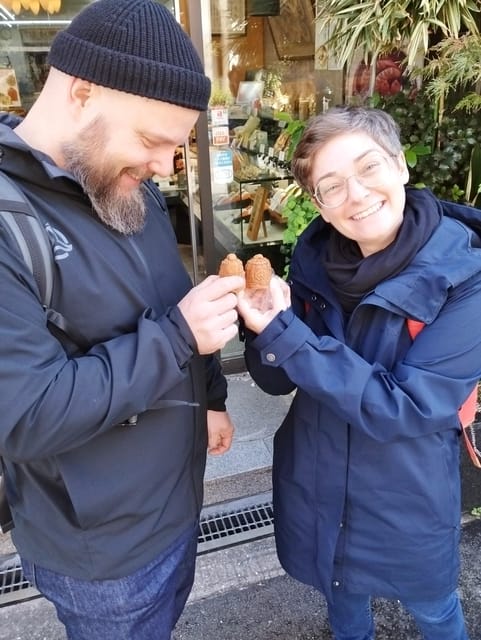
- Six to 10 food tastings are included, with dishes such as takoyaki, kushikatsu, croquettes, wagashi, and steamed buns.
- Guide Hiroko has taken groups beyond the basic route, including a tea shop, fish market, pachinko hall, and a famous fluffy cheesecake stop.
- The tour links three very different Osaka districts: retro Shinsekai, food-centered Namba, and neon-lit Dotonbori.
- One drink at a local restaurant is included, while the subway from Shinsekai to Namba costs an extra 190 yen.
- Groups are limited to eight, making it easier to ask questions and follow local food advice.
- The finish at the Glico sign gives you a classic Dotonbori photo without making the whole tour feel like a sightseeing checklist.
Why this Osaka food walk works so well
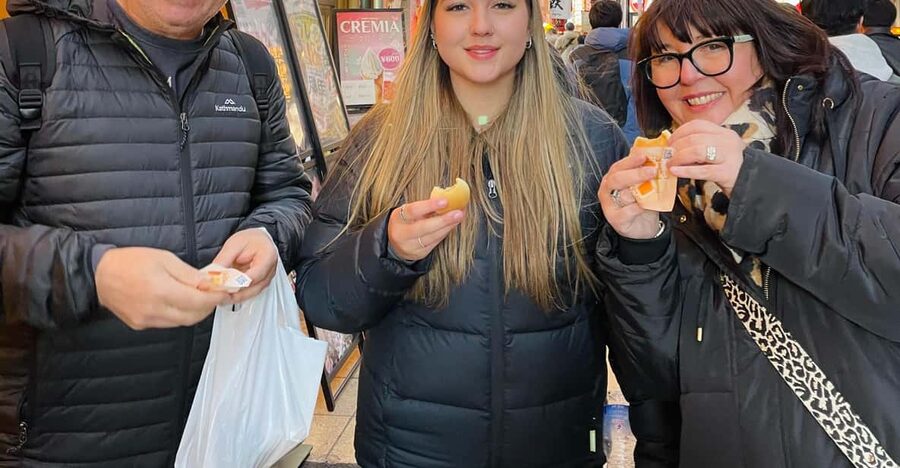
Osaka is often called Japan’s kitchen, and this tour shows why through small, ordinary pleasures rather than formal dining. You eat standing near a shop, sit down for a drink, peer into a department store food hall, and follow your guide through narrow lanes that are easy to miss on your own.
The route also has a useful rhythm. Shinsekai gives you old Osaka flavor and low-key neighborhood character. Namba brings in department store food culture and easier access to specialty treats. Dotonbori finishes the experience with bright signs, famous storefronts, and the Glico running man.
You pay $83 per person for three hours, six to 10 tastings, one drink, and a local English-speaking guide. The price is not a bargain if you only want a few snacks, since the subway fare and extra purchases are separate. But it makes better sense if you value the explanations, the careful route, and the chance to try several foods without guessing what to order.
More street food walks and tastings:
- Osaka: Shinsekai Food Tour with 13-15 Dishes at 5 Eateries
★ 4.8 · 2,204 reviews - Osaka Food Tour: 13 Dishes at 5 Local Eateries
★ 5.0 · 2,149 reviews - Hungry Osaka Street Food Tour:15 Tastings & 3 Drinks with a Local
★ 5.0 · 1,727 reviews
Meeting at Ebisucho Station and entering Shinsekai
Meet at 11am at Exit 3 of Ebisucho Station, at street level, in front of the Osaka王将, or Osho, restaurant. This is a practical meeting point for the Shinsekai section, though you should allow enough time to find the correct station exit in Osaka’s busy rail system.
The first hour focuses on Shinsekai, a retro district known for its old Osaka atmosphere and Tsutenkaku Tower. Your guide explains how the area developed and points out local shops and landmarks as you walk.
The appeal here is not polished sightseeing. Shinsekai has a more lived-in feel, with small food businesses, quirky storefronts, and streets that reward a slow look. You will also begin eating quickly, which is wise in Osaka. The food is the main event, and the tour does not wait until the end to offer it.
A historic butcher shop supplies croquettes, giving you a simple example of how ordinary neighborhood stores become part of Osaka’s food culture. You may also stop at a long-running confectionery for wagashi, traditional Japanese sweets that show a gentler side of the city’s cooking traditions.
These first tastings help you compare textures and styles. A croquette is warm and savory. Wagashi is often more delicate and sweet. The contrast keeps the meal from becoming a parade of similar fried foods.
Eating kushikatsu beneath Tsutenkaku
Shinsekai is closely linked with kushikatsu, deep-fried meat and vegetable skewers. You will try this local favorite in the district where it has long been part of the neighborhood food scene.
Kushikatsu is best approached with curiosity rather than caution. The skewers can include different ingredients, and the appeal comes from the crisp coating, hot interior, and quick service. Ask your guide what each skewer contains if you are unsure.
Tsutenkaku Tower receives a short visit of about 10 minutes. The tower is less about a long museum stop here and more about placing yourself in the center of Shinsekai. Your guide can connect the landmark to the district around it, then get you back to the food.
This part of the walk may suit you best if you prefer local streets to major attractions. It is also where comfortable shoes matter. You will be walking between several food stops, and the tour does not function like a seated meal.
Takoyaki, steamed buns, and a local restaurant
The tour then moves toward Tsutenkaku and the surrounding food stalls and shops. One planned tasting is takoyaki from a shop described as the oldest takoyaki shop in Osaka. These hot octopus-filled balls are a city classic, usually served fresh and piping hot.
Take care with the first bite. Takoyaki can be much hotter inside than it appears, and eating it too fast is an easy mistake. Your guide can also explain the toppings and the place this snack holds in Osaka food culture.
Steamed meat buns add another filling stop. They are soft, warm, and more substantial than a small snack, so you may find the number of tastings adds up faster than expected. If you eat a full breakfast before meeting, you may want to keep lunch light.
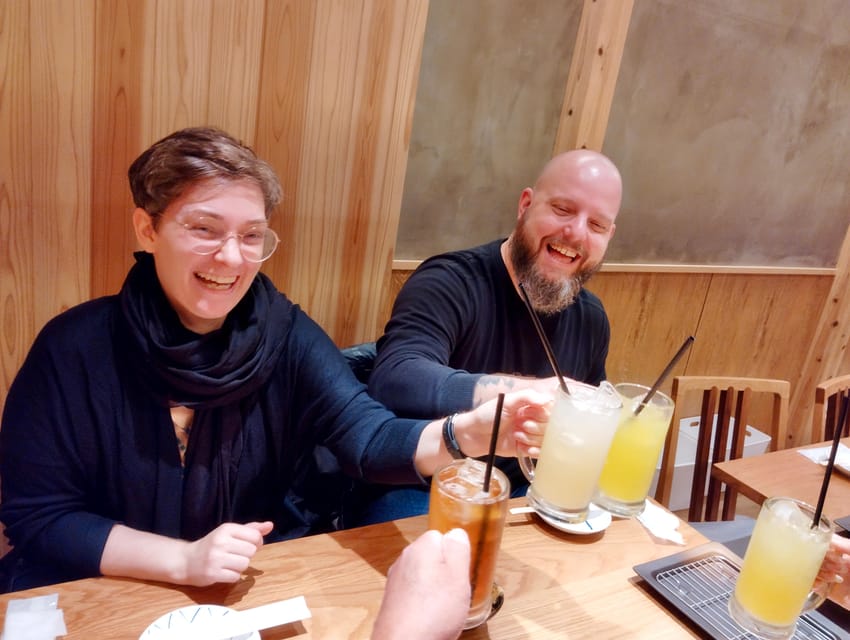
At a local restaurant, you receive a selection of specialties and one drink. This is a useful pause in the walking route. You can sit down, ask questions, and compare what you have eaten so far.
The exact menu can change with the season and shop availability. That flexibility is a benefit, since food tours are more interesting when they follow what is fresh and open. It also means you should not book this expecting a fixed menu.
A few more Osaka tours and experiences worth a look
- Osaka: Main Sights and Hidden Spots Guided Walking Tour
★ 4.9 · 702 reviews - Osaka: Guided Food Tour with 12 Dishes at 4 Local Eateries
★ 5.0 · 533 reviews - Osaka: Namba Pub Bar Crawl with a Local Guide
★ 4.9 · 424 reviews - Osaka: Izakaya Bars Guided Walking Tour
★ 4.9 · 385 reviews
Taking the subway from Shinsekai to Namba
The route includes a subway ride from Shinsekai to Namba. The fare is not included and costs 190 yen, so keep some cash or another suitable payment method ready.
This small transfer adds practical value. You get to see how Osaka’s public transport connects two major food districts, rather than spending the entire experience above ground. Since the guide handles the route, you can focus on the transition instead of worrying about which train or exit to use.
Namba changes the tone of the tour. Shinsekai feels older and more local in character, while Namba is a major shopping and dining center. The contrast helps you understand that Osaka food is not limited to street stalls. Department stores also play a major role in Japanese food shopping.
Browsing the Namba depachika
In Namba, you visit a depachika, the food hall in a department store. This is one of the more useful stops for anyone who wants to understand Japanese food beyond restaurant dishes.
A depachika can include prepared meals, sweets, bakery items, boxed foods, and high-end ingredients. Your guide points out items worth trying and helps you make sense of a setting that can feel confusing on your first visit.
This stop is especially useful if you are buying gifts or planning a picnic later in your Osaka stay. You can see how carefully food is packaged and presented, and you may discover items that are hard to identify from labels alone.
The tradeoff is that the food hall can feel less intimate than the small shops in Shinsekai. It is still a worthwhile contrast, but you may prefer the earlier stops if your idea of a food tour means only street-side eating.
Hozenji Yokocho and the quieter side of Namba
From Namba, the walk continues to Hozenji Yokocho. This narrow, lantern-lit alley has an older atmosphere and offers a pause from the louder streets nearby.
The lane is a good reminder that Dotonbori and Namba are not only giant signs and crowded restaurant fronts. Small alleys preserve a slower sense of place, and your guide explains the area’s cultural background as you walk.
The schedule allows about an hour for the Dotonbori and Hozenji Yokocho portion, though the overall tour lasts three hours. Expect the route to combine walking, short stops, and food sampling rather than give you an hour of uninterrupted sightseeing at each location.
You may want to return here after the tour if you enjoy atmospheric streets and traditional details. During the tour, the guide gives you orientation and context. Later, you can come back at your own pace.
Finishing under the Glico sign in Dotonbori
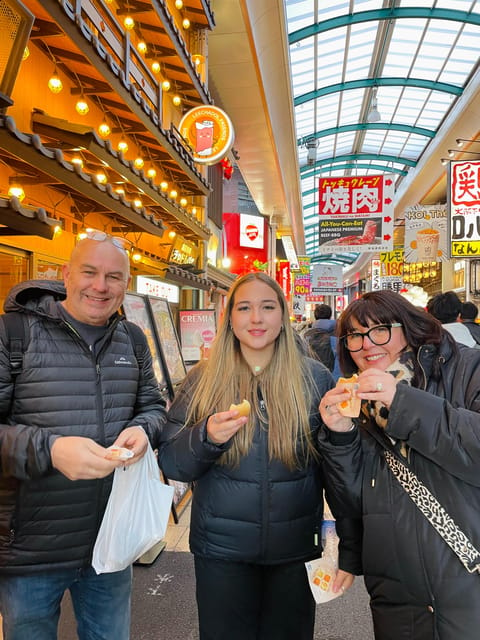
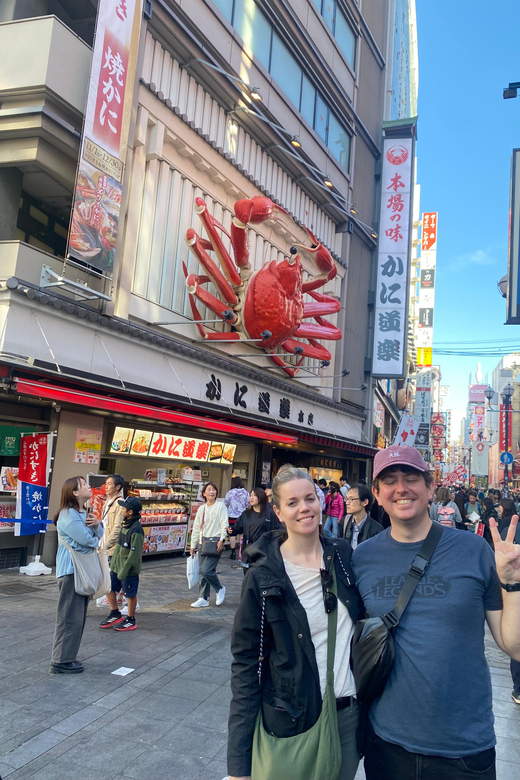
The tour ends at the famous Glico sign in Dotonbori. This is a practical finish because the sign is easy to recognize and puts you in one of Osaka’s busiest food areas.
Dotonbori is full of restaurants, snack counters, large food displays, and bright advertising. It is also the place where many first-time visitors want photos, so ending at the Glico sign gives you a clear landmark and a classic Osaka picture.
The area can be crowded, particularly around the main canal and sign. If you dislike busy streets, this final section may feel less relaxed than Shinsekai or Hozenji Yokocho. On the other hand, the noise and bright displays are part of Dotonbori’s appeal, and your guide can point out food shops to try after the tour.
One useful feature is the advice you receive for exploring on your own. A food guide is most valuable when you finish with a better sense of what to order next, and this route gives you several leads.
What food might appear on your tour
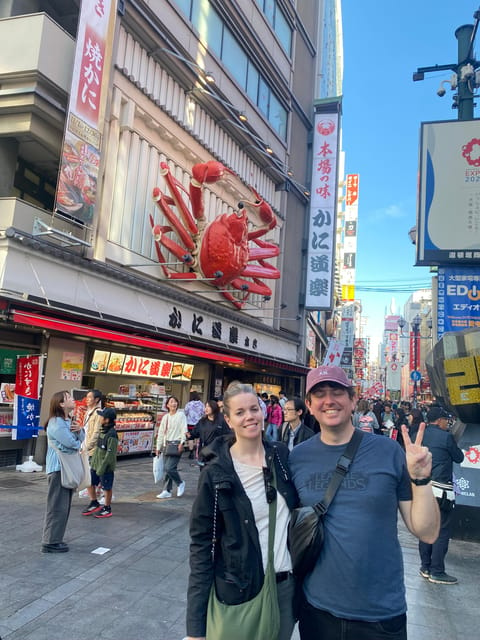
You receive six to 10 tastings, but the selection changes with season and availability. The planned food range includes:
- Takoyaki from a long-running Osaka shop
- Kushikatsu, or deep-fried skewers
- Croquettes from a butcher shop
- Wagashi from an old confectionery
- Steamed meat buns
- Restaurant specialties paired with one drink
- Food hall treats in Namba
A past tour led by Hiroko also included sushi train food, okonomiyaki, fried eel, a tea shop, and a famous fluffy cheesecake in Dotonbori. These extras are not guaranteed, but they show how the experience may adapt to local openings and the group’s interests.
Hiroko also added a fish market and an old-style pachinko stop on one occasion. That kind of flexibility can make the tour feel more personal, but you should treat those additions as possible extras, not promised stops.
The biggest concern is dietary suitability. The food may contain meat, seafood, wheat, and dairy. The experience is listed as unsuitable for people with food allergies, so contact the provider before booking if you have restrictions. Do not assume a dish can be changed once the tour has started.
Group size, language, and walking pace
The group is limited to eight participants, a strong point for a food walk. Small groups make it easier to hear the guide in busy streets, ask about unfamiliar dishes, and stay together when moving between shops.
The guide speaks English, and the activity information also identifies English and Japanese language support. A local guide can explain not only what you are eating, but also how the neighborhoods fit together.
Wear comfortable shoes. The tour covers Shinsekai, Tsutenkaku, Namba, Hozenji Yokocho, and Dotonbori, with several tastings along the way. The tour is listed as wheelchair accessible, though you may still want to confirm the current route details before booking if you need specific access support.
Smoking is not allowed during the activity.
Is $83 a fair price for three hours?
At $83, this is a mid-range food experience rather than a cheap snack crawl. The included food count is generous, with six to 10 tastings, and the drink at a local restaurant adds a proper break.
You are also paying for access and judgment. Osaka has plenty of food, but finding a good old shop, understanding what to order, and fitting several neighborhoods into three hours can be difficult on your own. The guide saves you that trial and error.
The subway fare of 190 yen is extra, as are purchases beyond the included tastings. This is worth remembering if you expect to buy sweets, souvenirs, or another meal after the tour.
I think the price works best for a first visit to Osaka, especially if you want both food and neighborhood background. If you already know Shinsekai and Dotonbori well, you may find the value less compelling unless the guide introduces you to shops you have not found yourself.
Free cancellation is available up to 24 hours before the start, and you can reserve now and pay later. Those terms help if your Osaka schedule is still changing.
Who should book this Osaka food experience?
I would recommend it to first-time Osaka visitors who want a practical introduction to local dishes without spending time decoding menus or searching for each shop. It also suits solo visitors and couples who like small groups and direct contact with a guide.
Food-focused families may enjoy the variety, though children should be comfortable walking and trying unfamiliar ingredients. The meal stops are spread through the route, so this is not the right choice if you want one long, relaxed restaurant lunch.
You should also book it if you enjoy neighborhoods with personality. Shinsekai and Hozenji Yokocho offer more atmosphere than a simple checklist of famous restaurants, while Namba and Dotonbori show the city’s louder, modern side.
Skip it if you have food allergies, strict dietary requirements, or little interest in fried food, seafood, meat, and sweets. Also skip it if you prefer to explore entirely at your own pace. The small group helps, but this remains a guided route with set meeting and finishing points.
FAQ
Where does the Osaka food tour start?
Meet at Exit 3 of Ebisucho Station at ground level, in front of the Osaka王将, or Osho, restaurant, at 11am.
Where does the tour finish?
The tour finishes at the Glico sign in Dotonbori.
How long does the experience last?
The walking food tour lasts three hours.
How many food tastings are included?
You receive six to 10 food tastings. The exact selection can change with the season and shop availability.
Is a drink included?
Yes. One drink at a local restaurant is included.
Is the subway fare included?
No. The subway ride from the Shinsekai area to Namba costs 190 yen and is paid separately.
Is the tour suitable for people with food allergies?
No. The experience is listed as unsuitable for people with food allergies. Foods may include meat, seafood, wheat, and dairy, so contact the provider before booking if you have dietary restrictions.
Can I cancel or pay later?
You can cancel up to 24 hours in advance for a full refund. You can also reserve your place and pay later.
Should you book it?
Book this tour if you want Osaka explained through its food, not just photographed from a busy shopping street. The mix of Shinsekai snacks, Tsutenkaku, Namba’s department store food hall, Hozenji Yokocho, and Dotonbori gives you a useful first look at several sides of the city.
The best reasons to book are the small group, the broad tasting list, and the chance to follow a guide such as Hiroko to extra local stops when conditions allow. Just budget for the 190 yen subway fare and any treats you buy afterward, wear good shoes, and contact the provider first if food restrictions matter.
Just added around Osaka
- Guided Tour of Some Attractions in Osaka by Private Car★ 5.0 · 3 reviews
- Nara Day Trip from Osaka with a Licensed Guide★ 5.0 · 3 reviews
- Osaka Early Morning Osaka Castle Tour Avoid Crowds★ 5.0 · 3 reviews
- Private Transfer Between Kyoto and Kansai Airport KIX★ 5.0 · 3 reviews
- Shared Arrival Transfer: Osaka Itami Airport to Osaka City★ 5.0 · 3 reviews
- Osaka: Sushi Making Class and Dotonbori Food Tour★ 4.7 · 3 reviews
- Osaka Night Photography Workshop★ 5.0 · 3 reviews
- Kyoto Full day Tour Kinkakuji, Kiyomizu-dera and Fushimi Inari★ 4.5 · 3 reviews
Osaka Street Food Tours, compared.
Shinsekai Food Tour with 13-15 Dishes at 5 Eateries
Read our review →
Osaka Food Tour: 13 Dishes at 5 Local Eateries
Read our review →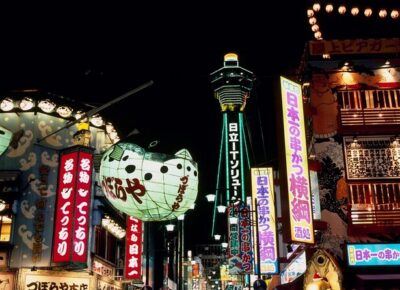
Hungry Osaka Street Food Tour:15 Tastings & 3 Drinks with a Local
Read our review →
Osaka Local Foodie Walking Tour in Dotonbori and Shinsekai
Read our review →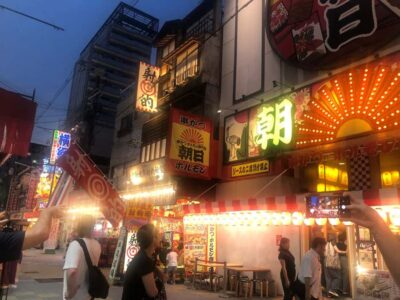
Hungry Osaka Street Food Tour: 15 Dishes & 3 Drinks
Read our review →
Kuromon Market Food Walking Tour in Osaka (6 stops, 6 tastes)
Read our review →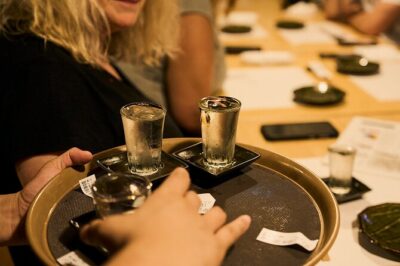
Guided Food Tour with 12 Dishes at 4 Local Eateries
Read our review →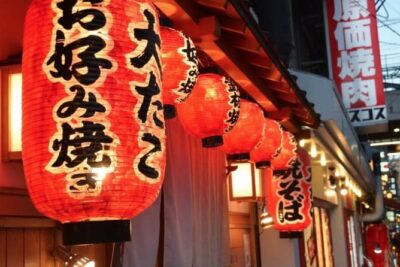
Browse the lists this tour appears in