
Reviewed · TOURS
Osaka: Small Group, Big Flavors & Hidden Local Secrets Tour
Osaka shows its best side in the small eating districts where regulars know the staff, stools fill quickly, and the menu may not explain itself. This three-hour evening tour takes you through Tenma and Kyobashi, with 15 or more dishes at three local restaurants, one included drink at each stop, and a short train ride between neighborhoods. I especially like the six-person limit and the way guides such as Ferdinand, Kevin, Bryan, and Laura add history and food context without turning dinner into a lecture.
I also like the useful contrast between old-school Tenma and after-work Kyobashi. You get a real sense of Osaka’s changing moods in one evening, and the food arrives in small portions so you can try a broad range without ordering blindly. The main consideration is that this is not a quiet, polished restaurant crawl. Expect narrow lanes, drinking customers, adventurous dishes, walking, and a menu that can change with the season.
In This Review
- Key points to know before booking
- Why Tenma is the right place to begin
- The first Tenma restaurant: small plates with local context
- A second Tenma stop adds more than extra food
- The short train ride to Kyobashi
- Kyobashi brings the evening to a livelier close
- The guides shape the quality of the evening
- What 15-plus dishes means in practical terms
- The small group is a real advantage
- Who will enjoy this, and who may not
- How to prepare for the best evening
- Should you book the Tenma and Kyobashi food tour?
- FAQ
- Where does the Osaka food tour begin?
- Where does the tour finish?
- How much food and drink is included?
- Can dietary restrictions be accommodated?
- What languages are available?
- What happens if I book alone and the minimum group size is not met?
Key points to know before booking
- 15+ dishes make this a full dinner: You should arrive hungry, since the food is substantial rather than a token tasting.
- Tenma and Kyobashi feel different: Tenma brings old alleys and long-running local habits, while Kyobashi has a more social after-work mood.
- The group is capped at six: That gives you a better chance to ask questions and stay connected with the guide.
- Three drinks are included: You can choose an alcoholic or non-alcoholic drink at each restaurant.
- The guides are a major part of the value: Ferdinand, Kevin, Bryan, Laura, Joshua, Oisín, and others are praised for friendly explanations and good food choices.
- Solo booking has a condition: If fewer than two people book, you may switch dates, pay a 3,000-yen supplement, or receive a full refund.
Why Tenma is the right place to begin
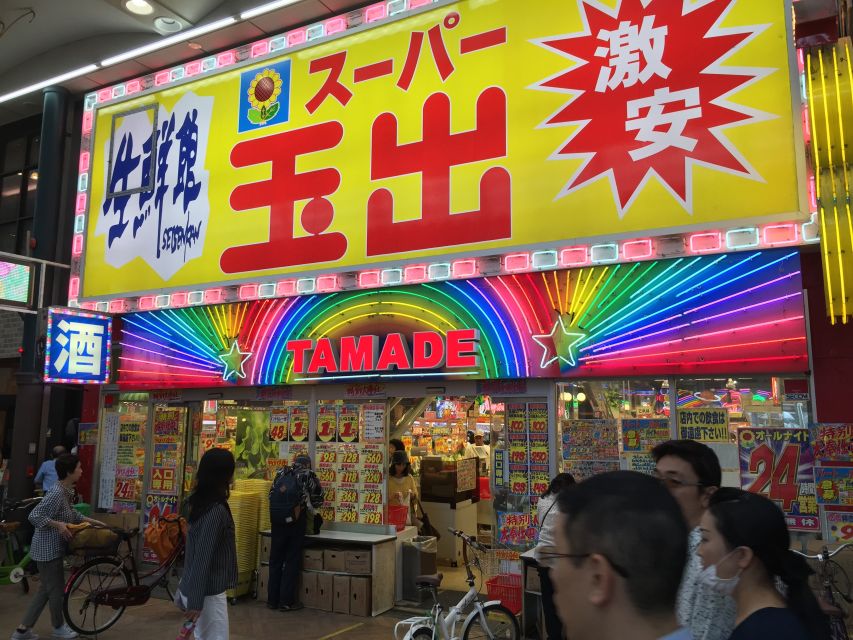
Meet in front of the McDonald’s at Temma Station, at 4-chōme-12-1 Tenjinbashi, Kita-ku. The restaurant chain is only a landmark, not part of the meal, so it is easy to recognize without expecting your first course there.
From the station, the tour heads into Tenma for about 45 minutes of walking and sightseeing. Tenma is known here through its narrow lanes, older storefronts, and market atmosphere. It feels lived in rather than arranged for sightseeing, which is precisely why a guide helps.
I like starting with a walk instead of rushing straight to the first table. You get time to notice the compact streets and build an appetite before the food begins. The guide can also explain how everyday habits, neighborhood identity, and food preferences connect.
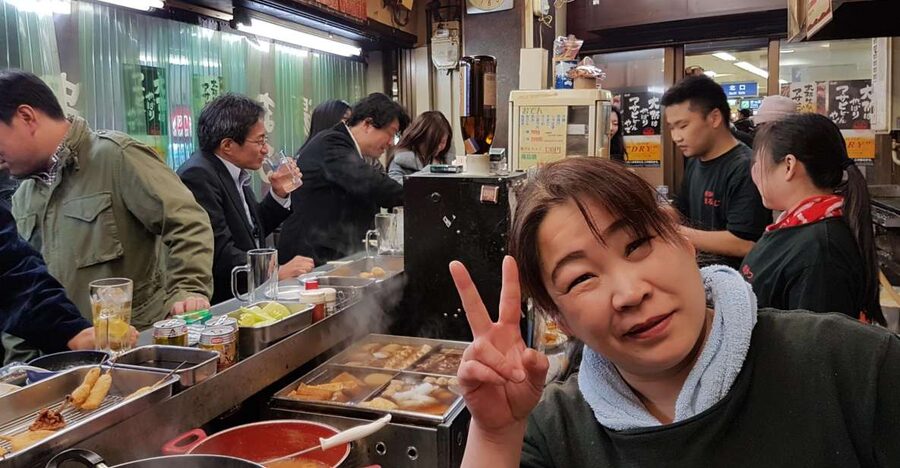
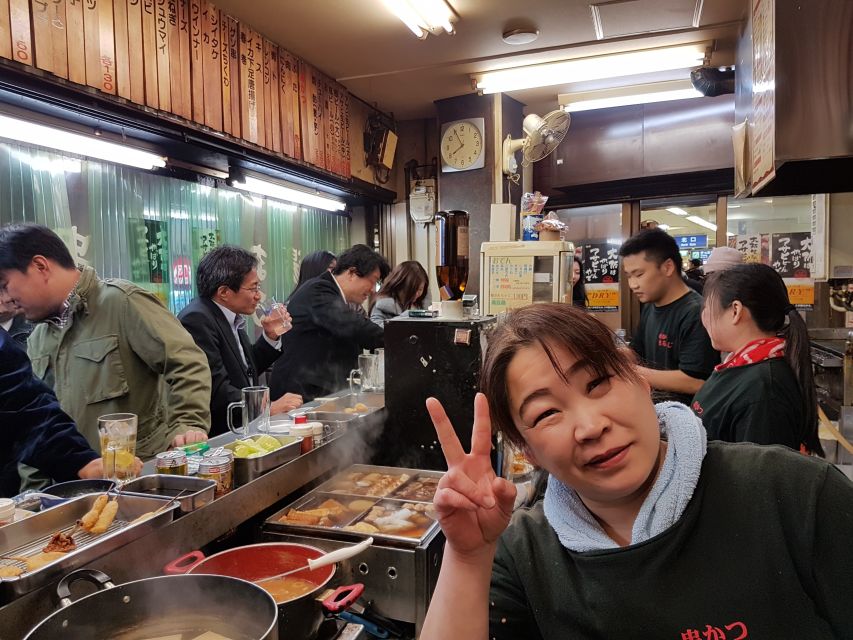
This is one of those parts of Osaka where you might pass a doorway without realizing it is a restaurant. The local eateries are casual and direct. Some have limited seating, and the mood may be louder than what you expect from a formal dining room. That is part of the point, but it may not suit someone hoping for a calm, private dinner.
Other Osaka tours people book alongside this one:
- Osaka Go Karting Tour with Funny Costume
★ 5.0 · 2,658 reviews - Osaka Castle: Museum and Tower Entry Ticket
★ 4.5 · 2,380 reviews - Osaka: Shinsekai Food Tour with 13-15 Dishes at 5 Eateries
★ 4.8 · 2,204 reviews
The first Tenma restaurant: small plates with local context
The first restaurant stop lasts around 30 minutes and includes beer, cocktails, or spirits. The exact food is not fixed, since seasonal ingredients and restaurant availability can change, but the plan is to serve a generous set of tasting portions.
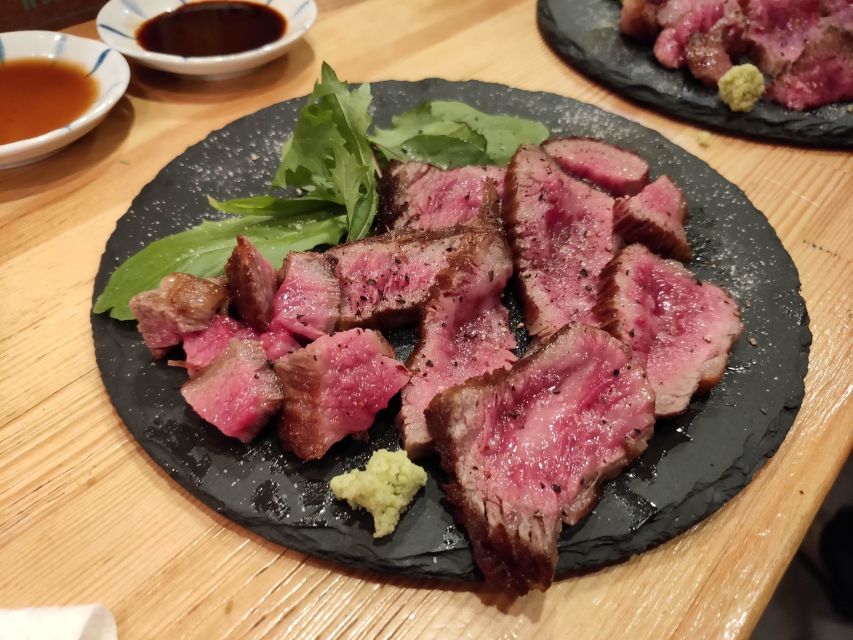
The food is selected to show how Osaka eats day to day. You may encounter seafood, beef, vegetables, and other dishes that are familiar to Japanese diners but less obvious to a first-time visitor. The guide explains what you are eating and why it matters, which makes a big difference when a dish has an unfamiliar texture or preparation.
The included drink is practical, too. You can choose an alcoholic or non-alcoholic option, making the stop workable for people with different drinking habits. The minimum drinking age in Japan is 20, but participants do not need to drink alcohol.
The food is not simply a parade of random samples. The strongest part of this format is the interpretation. Guides such as Ferdinand and Bryan are praised for explaining customs and cultural differences in a way that anticipates the questions an international visitor is likely to have.
A second Tenma stop adds more than extra food
The second restaurant visit lasts another 30 minutes. It includes beer, spirits, or tea, along with another group of small dishes. By this point, you should have a clearer feel for Tenma’s rhythm: regulars at the counter, short conversations between tables, and a strong sense that people have firm opinions about their favorite places.
I appreciate the second stop because it gives Tenma room to develop. A single restaurant can show you one menu and one mood. Two stops let you compare styles and see that local food culture is not one fixed thing.
The portions add up. Several people who took the tour found themselves full before the evening ended, so do not treat this as a light appetizer walk. Have a modest lunch or late afternoon snack if you need to, but arrive ready to eat.
You should also tell the provider about dietary needs in advance. Pescatarian requirements have been accommodated, and other restrictions may be possible with notice. Do not assume that a last-minute request can be handled once the group is already seated.
The short train ride to Kyobashi
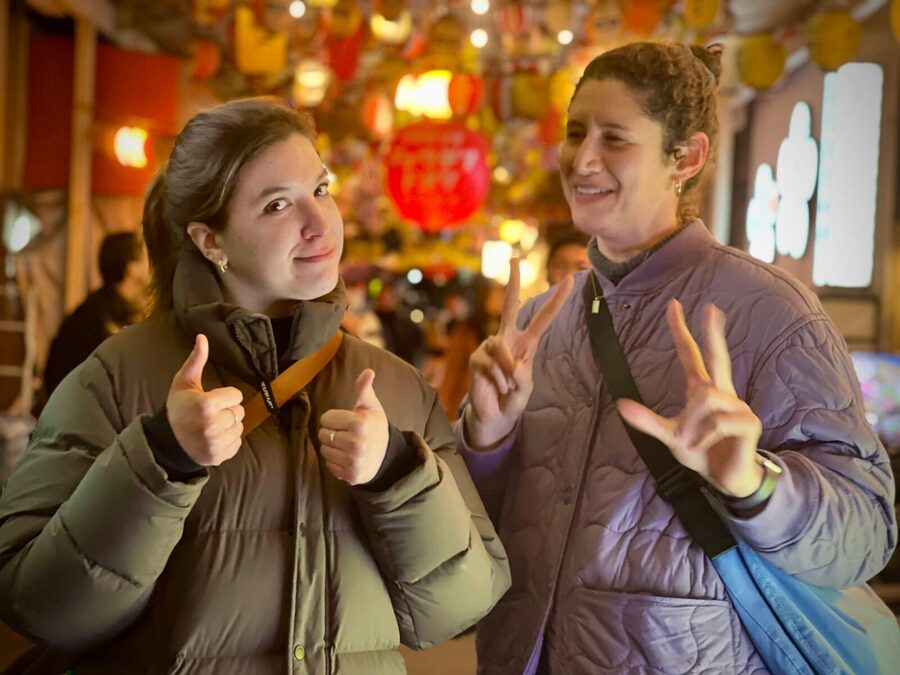
The move to Kyobashi is part of the experience, not dead time. The local train ride itself takes about three to four minutes, while the schedule allows roughly 10 minutes for the transit portion. The fare is included.
That short hop creates a useful change of scene. Tenma feels nostalgic and compact. Kyobashi is more eclectic, with after-work energy, glowing counters, and conversations spilling into the surrounding streets. You are not crossing the whole city, but the difference between the two districts is clear enough to make the comparison worthwhile.
The guide keeps the group together during the transfer, which is another benefit of a six-person maximum. Still, wear comfortable shoes and pay attention to the meeting instructions. This is a walking and public-transit evening, not a vehicle-based food tour.
A completely different way to spend a day in Osaka:
- Osaka Food Tour: 13 Dishes at 5 Local Eateries
★ 5.0 · 2,149 reviews - Hungry Osaka Street Food Tour:15 Tastings & 3 Drinks with a Local
★ 5.0 · 1,727 reviews - Osaka: Tea Ceremony Experience
★ 4.9 · 1,426 reviews - Osaka Kickstart: Hotspots & Hidden Gems Tour
★ 5.0 · 1,306 reviews
Kyobashi brings the evening to a livelier close
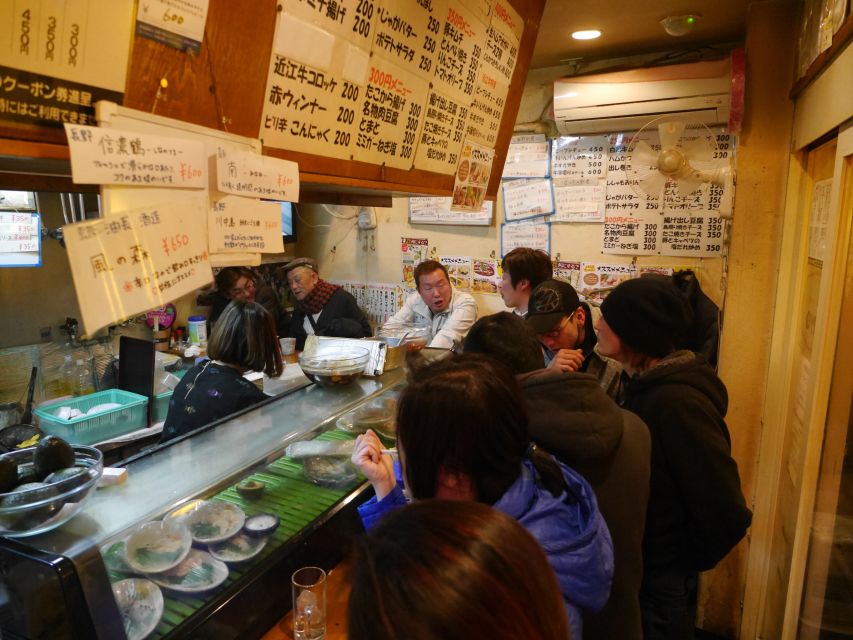
After about 20 minutes of guided walking and sightseeing in Kyobashi, you visit the third restaurant. This final stop lasts around 30 minutes and includes beer, cocktails, or spirits, with at least five more dishes planned for the evening.
Kyobashi works well as the finale because its mood is more social and contemporary. The food here helps round out the evening rather than simply repeating Tenma. You get another chance to try dishes you might not order alone, with the guide helping you decide how adventurous to be.
Some of the more unusual food experiences mentioned by participants include raw horse. You are not required to accept every dish, but this tour is best for people who enjoy trying something outside their normal routine. At the start, tell your guide how adventurous you want to be. Guides have adjusted selections to suit the group while still keeping the meal interesting.
The tour finishes at Kyobashi Station. That is convenient if you want to continue your evening independently, although the tour does not include additional drinks after the three included restaurant beverages. Extra drinks generally cost around 500 yen each and are paid directly to the restaurant.
The guides shape the quality of the evening
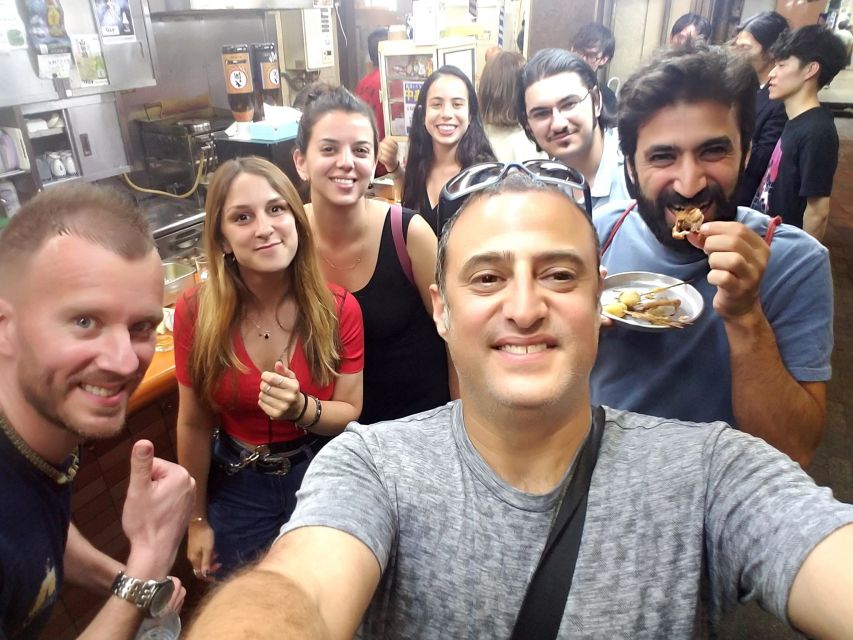
The tour is offered in English, French, and Spanish, and the guide matters as much as the restaurant choices. Names associated with especially strong evenings include Ferdinand, Kevin, Bryan, Laura, Joshua, Oisín, Jamie, Damian, Ichiro, Lito, and Levy.
I would not book based on a promise of one particular guide unless the provider confirms it. Guide assignments can change. What you should look for is the kind of help the format requires: clear food explanations, comfort with cultural questions, and the confidence to lead a small group into places you might not enter alone.
Kevin has been praised for connecting food with Japanese history and anthropology. Ferdinand is often described as lively, attentive, and strong on local detail. Bryan is noted for explaining cultural differences respectfully, while Laura has been described as a French-born Osaka specialist with enthusiasm for the city.
Those details matter because the restaurants themselves may not provide much explanation in English. A good guide bridges that gap without making the meal feel like a classroom. The best moments come when the explanation is short, useful, and followed by another bite.
What 15-plus dishes means in practical terms
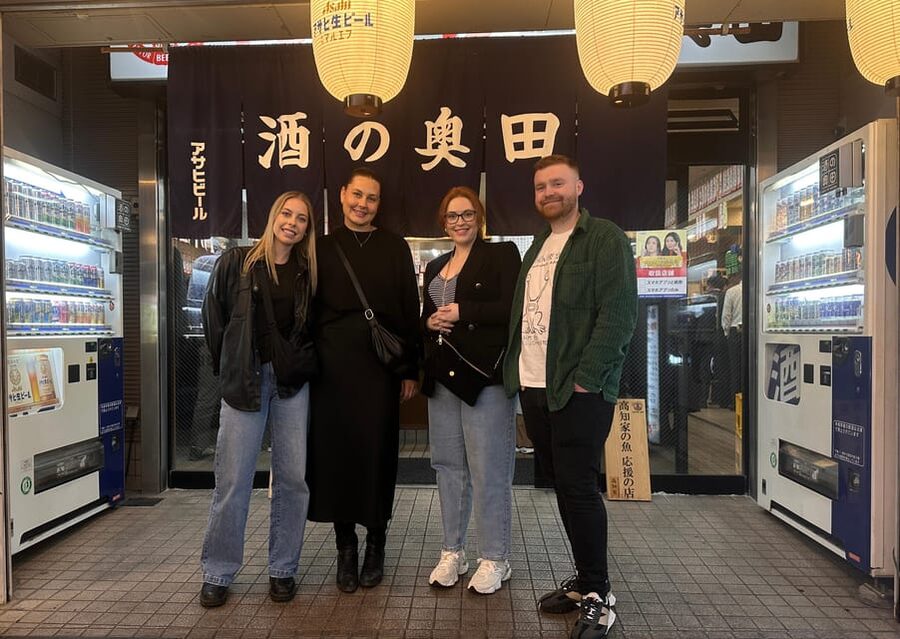
At $94 per person, the price needs to be judged against a full dinner, three restaurant visits, three drinks, a guide, neighborhood walks, and train fare. It is not the cheapest way to eat in Osaka if your only goal is calories. You can spend less by ordering directly at casual restaurants.
The value improves if you are new to Osaka’s food culture and would otherwise choose familiar dishes in heavily visited areas. The guide helps you sample more broadly, removes the worry of ordering incorrectly, and gets you into restaurants you might not feel comfortable approaching by yourself.
The meal is also large enough to replace dinner. You receive more than a few decorative bites, and the portions are described as generous while still allowing variety. Drinks beyond the first one at each restaurant cost extra, so budget for those only if you want to keep the evening going.
A same-day Wagyu upgrade may be available, but it is subject to availability. Treat that as an optional possibility, not a guaranteed part of the meal.
The small group is a real advantage
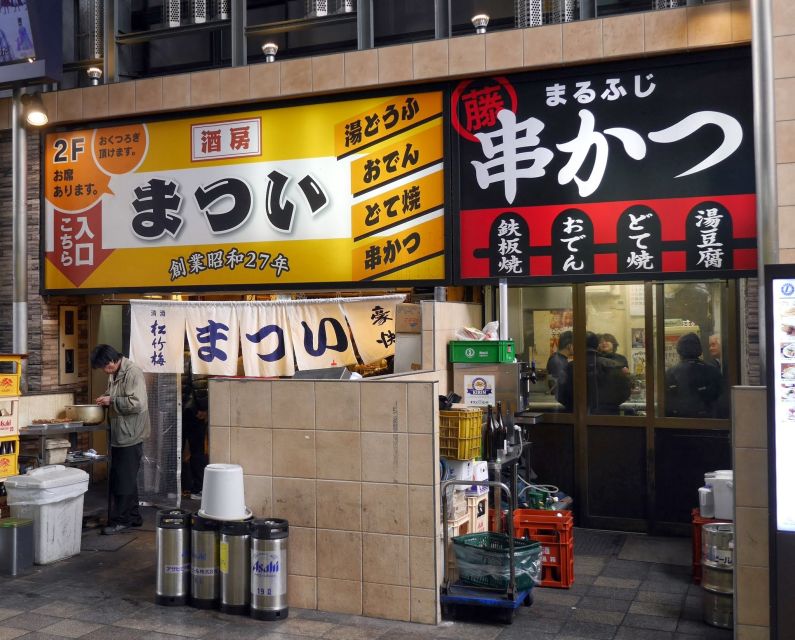
The maximum group size is six people. That number is small enough for easy conversation but large enough to create a social evening if the group fits well.
For solo visitors, this can be an especially useful way to meet people while still getting direct access to the guide. A smaller group also helps in cramped restaurants and keeps the walking pace manageable.
There is one practical condition. The tour normally needs at least two participants. If that minimum is not reached, the provider offers an alternate date, a 3,000-yen solo supplement, or a full refund. If your schedule is tight, check this point before building your evening around the booking.
Private or small-group options are available, so the experience can also work for couples, families with older teenagers, or friends who prefer a more controlled setting. Everyone must be at least 13 years old. The tour is aimed at teenagers and adults, and mildly adult topics may come up during conversation.
Who will enjoy this, and who may not
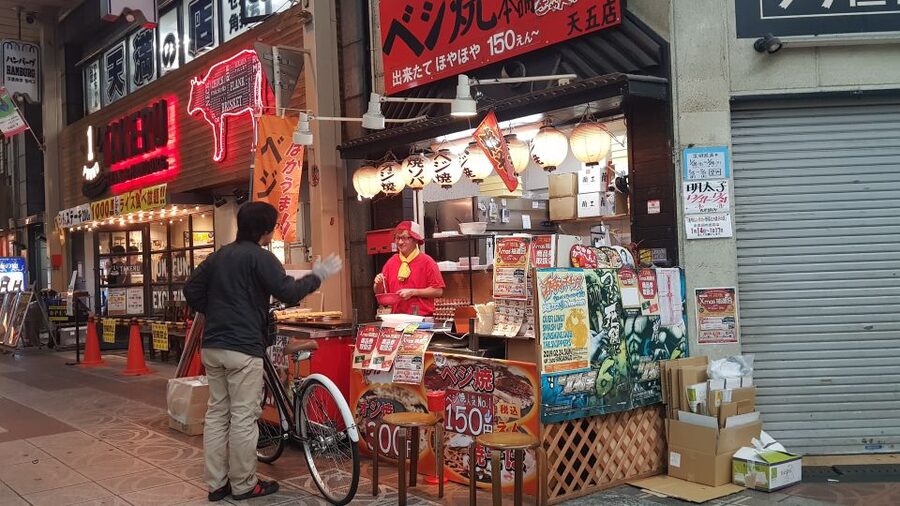
I would choose this tour for a first or second night in Osaka. The neighborhood advice can help you plan later meals, and the guide may point out local habits or dishes you would otherwise miss.
It suits adventurous eaters, solo visitors, couples, and small groups who want food with context. It is also a good fit if Dotonbori feels too obvious and you want districts where people eat as part of their normal evening.
You may want a different experience if you need a fully fixed menu, dislike alcohol-centered settings, or prefer elegant restaurants. None of the stops is described as a bar, but customers may be drinking, and the atmosphere can be casual and noisy.
The tour is not suitable for children under 13 or wheelchair users. Narrow lanes, restaurant layouts, and the train transfer make mobility an important consideration. Comfortable shoes are essential.
How to prepare for the best evening
Meet at the Temma Station McDonald’s, in front of the entrance. Arrive ready to walk, eat, and make quick choices at the table.
Tell the provider about dietary restrictions before the tour. At the first stop, tell the guide whether you want classic choices, more unusual dishes, or a mix. This helps the guide shape the meal around your comfort level without making it dull.
I would also avoid eating a large dinner beforehand. With 15 or more dishes across three restaurants, this is intended to be your evening meal.
The exact menu can change because of seasons and restaurant availability. That is normal for a food walk built around local restaurants, but it means you should not book only to try one specific dish.
Should you book the Tenma and Kyobashi food tour?
Book it if you want to understand Osaka through ordinary eating places rather than famous signs and photo stops. The strongest reasons are the small group, the generous amount of food, the three-drink allowance, and the contrast between Tenma and Kyobashi.
At $94, it is good value for a full dinner with guidance and transport, especially if you are unsure how to order in small local restaurants. I would book it early in your Osaka stay, tell the provider about dietary needs, and arrive hungry.
Skip it if you want a quiet meal, a guaranteed menu, or a purely sightseeing-focused evening. For everyone else, this is a practical way to get past the obvious Osaka circuit and learn where the city’s food culture feels most personal.
FAQ
Where does the Osaka food tour begin?
The tour begins in front of the McDonald’s at Temma Station, located at 4-chōme-12-1 Tenjinbashi, Kita-ku, Osaka, 530-0041. The McDonald’s is only the meeting landmark and is not part of the tour.
Where does the tour finish?
The evening finishes at Kyobashi Station after the final restaurant visit.
How much food and drink is included?
The tour includes a full dinner’s worth of food, with more than 15 dishes across three restaurants. You also receive up to three drinks, one at each restaurant, and each drink may be alcoholic or non-alcoholic.
Can dietary restrictions be accommodated?
Dietary restrictions can be accommodated if you notify the activity provider in advance. A pescatarian request has been accommodated, but you should provide details before the tour rather than waiting until the first restaurant.
What languages are available?
Guides are available in English, French, and Spanish.
What happens if I book alone and the minimum group size is not met?
If fewer than two people book, you can attend on another date, pay a 3,000-yen solo supplement, or receive a full refund. Cancellation up to 24 hours in advance qualifies for a full refund.
Just added around Osaka
- Nara Day Trip from Osaka with a Licensed Guide★ 5.0 · 3 reviews
- Osaka Early Morning Osaka Castle Tour Avoid Crowds★ 5.0 · 3 reviews
- Guided Tour of Some Attractions in Osaka by Private Car★ 5.0 · 3 reviews
- Shared Arrival Transfer: Osaka Itami Airport to Osaka City★ 5.0 · 3 reviews
- Private Transfer Between Kyoto and Kansai Airport KIX★ 5.0 · 3 reviews
- Osaka: Sushi Making Class and Dotonbori Food Tour★ 4.7 · 3 reviews
- Osaka Night Photography Workshop★ 5.0 · 3 reviews
- Kyoto Full day Tour Kinkakuji, Kiyomizu-dera and Fushimi Inari★ 4.5 · 3 reviews
Tours, compared.
Shinsekai Food Tour with 13-15 Dishes at 5 Eateries
Read our review →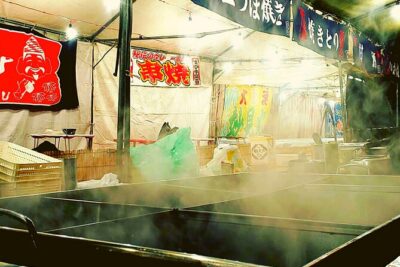
Osaka Food Tour: 13 Dishes at 5 Local Eateries
Read our review →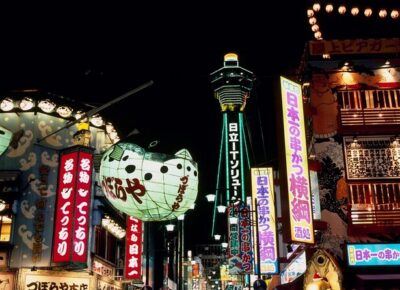
Hungry Osaka Street Food Tour:15 Tastings & 3 Drinks with a Local
Read our review →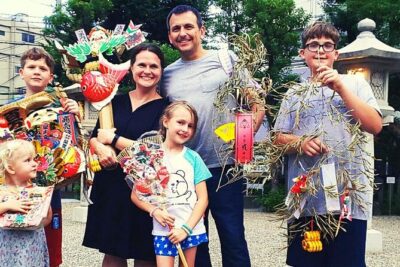
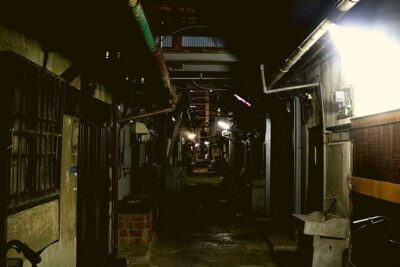
Deep Backstreet Osaka Tours (Option to add Dinner)
Read our review →
Osaka Local Foodie Walking Tour in Dotonbori and Shinsekai
Read our review →