
Reviewed · OSAKA KIMONO & YUKATA EXPERIENCES
Kimono photoshoot-Includes 100 photo data
The best part of this Osaka experience is the choice between a studio filled with cherry blossoms all year and a walk through Shinsaibashi’s older streets and shrines. You dress in a proper kimono, not a quick costume, then pose with help from a professional photographer who knows the area.
I like the 100 included photo files and the private-group format. I also like that you can add Japanese hair and makeup, or keep the package simpler. The main drawback is cost: the advertised $96 price does not include hair, makeup, prints, or retouching, and outdoor photography can mean standing in the sun.
In This Review
- Key points
- Dressing up at Studio Norluss in Shinsaibashi
- Indoor cherry blossoms in every season
- Taking the kimono into Shinsaibashi
- What the photographer adds
- The value of 100 digital photographs
- Hair and makeup: useful, but not automatic
- Who will get the most from this experience
- Timing, meeting point, and booking details
- Small details that can improve the session
- Should you book this kimono photoshoot?
- FAQ
- Where does the kimono photoshoot begin?
- How long does the experience last?
- Is kimono rental included?
- How many photographs are included?
- Are hair and makeup included in the price?
- Can I take photographs outdoors in Shinsaibashi?
- Is the experience available in English?
Key points
- 100 photo files included: You receive the full digital photo data rather than paying only for a small selection.
- Two settings in one experience: Choose indoor cherry blossom scenes or outdoor photos around Shinsaibashi.
- Private group booking: The session is designed for your own party, with English and Japanese support.
- Traditional dressing takes time: Allow up to two hours, since putting on a kimono is more involved than slipping into a robe.
- Optional beauty services: Hair costs 3,300 yen and makeup costs 6,600 yen per person, for men and women alike.
- Convenient central meeting point: Studio Norluss is on the second floor of the Rose House building at 1-chōme-19-20 Higashishinsaibashi.
Dressing up at Studio Norluss in Shinsaibashi
This is not simply a rental followed by a few hurried phone snapshots. You arrive at Studio Norluss, on the second floor of the Rose House building, and the session begins with the kimono rental and preparation.
The dressing process deserves a little respect. A kimono has several layers and ties, and the final look depends on careful adjustment. One parent described the process as more complex than expected, which is useful to know before you arrive. Plan on sitting calmly while the staff prepare you rather than expecting to be photo-ready in five minutes.
You can add hair and makeup for an extra fee. Makeup is 6,600 yen per person, and hair styling is 3,300 yen per person. These charges apply to both men and women. If you want a polished portrait with a traditional Japanese feel, the additions may make sense. If you are mainly interested in wearing the kimono and receiving the images, the base package keeps the cost lower.
The staff have been described as kind and helpful, and the studio itself as clean and welcoming. That matters in a session where you may need help with sleeves, posture, props, and small clothing adjustments. You do not need to know how to pose before arriving. The photographer guides you through it.
More kimono and yukata experiences:
- Osaka: Sumo Show & Experience w/ Optional Kimono & Hot Pot
★ 4.5 · 609 reviews - Learning Zen of Japanese Calligraphy in kimono near Osaka Castle
★ 4.5 · 53 reviews - Osaka: Kimono or Yukata Rental &Photos Service Options
★ 4.9 · 25 reviews
Indoor cherry blossoms in every season
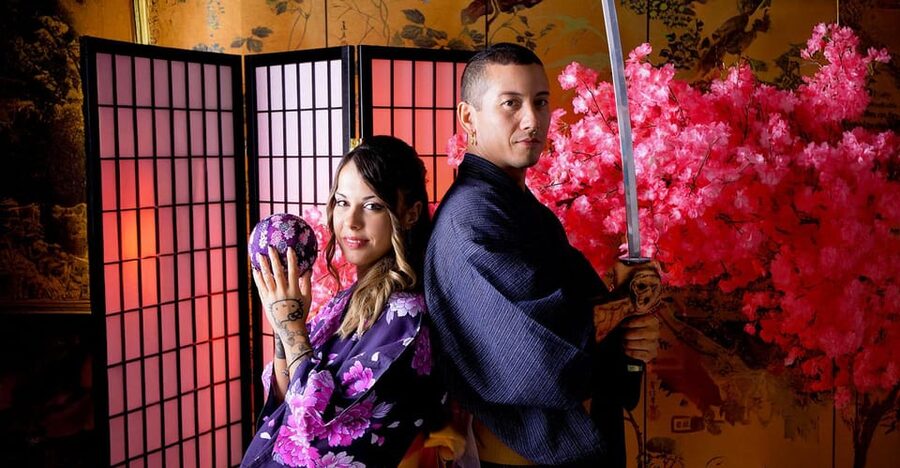
The studio offers a cherry blossom background throughout the year. This is one of the experience’s most useful features because Osaka’s actual blossoms have a short season, while your trip may happen in January, July, or November.
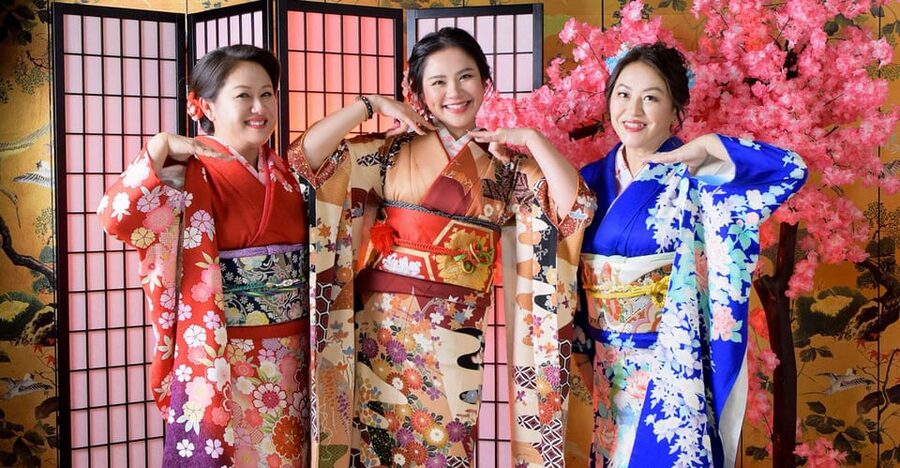
The indoor setting gives you a controlled backdrop and avoids the uncertainty of rain, heat, crowds, or bare trees. It also makes sense for anyone who wants a more formal portrait. You can focus on the kimono, hairstyle, and expression without worrying about outdoor conditions.
The cherry blossom set is decorative rather than a real seasonal scene, so you should choose it for reliability and appearance, not for a sense of being outdoors in spring. If your goal is a tidy family portrait or a carefully framed couple’s photograph, the studio may be the stronger choice.
The indoor option is also practical for children, older family members, and anyone who would rather avoid a walk in full kimono. The experience is wheelchair accessible, although the provided details do not explain the exact route or changing-room arrangement. If you need specific assistance, contact the studio before booking.
Taking the kimono into Shinsaibashi
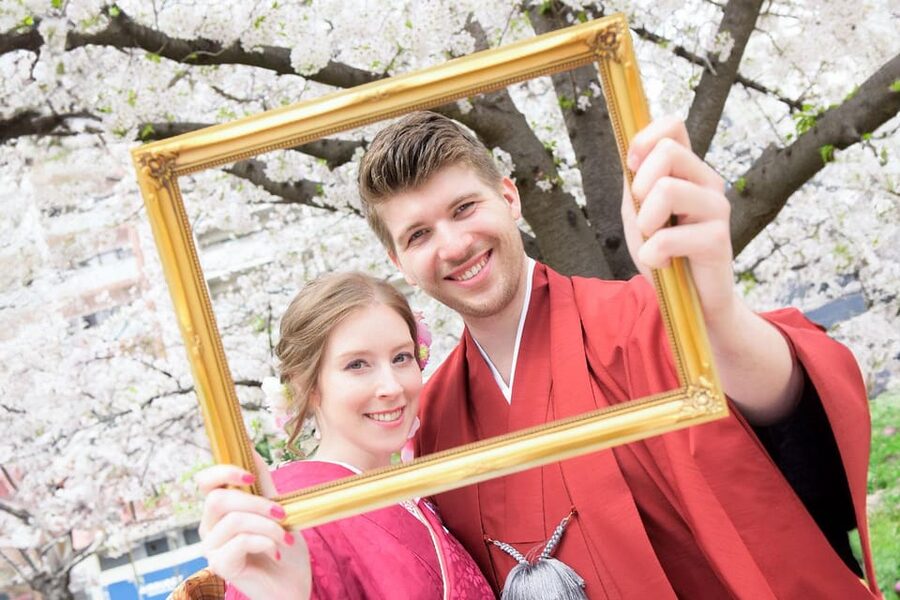
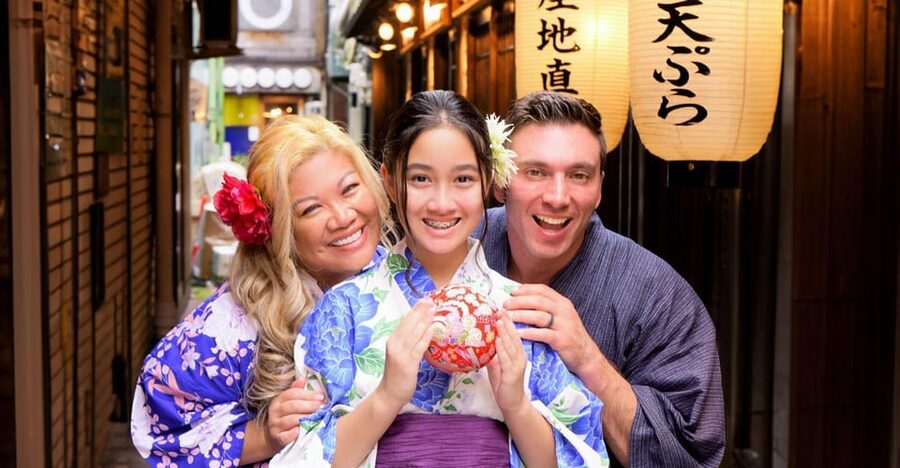
The outdoor portion brings a different kind of photograph. Shinsaibashi is best known for shopping and modern Osaka energy, but the area also contains older Japanese buildings and shrines. The photographer uses local knowledge to lead you toward suitable spots instead of leaving you to search for a backdrop on your own.
That local guidance is valuable. A kimono photograph looks more convincing when the setting has some connection to Japan’s built environment, rather than relying only on a generic studio wall. Old façades, shrine details, and narrow streets can give the pictures a stronger sense of place.
The outdoor photo stop is planned for about 1.5 hours, with the full experience lasting from 90 minutes to two hours. The timing varies, so check the available start times when you reserve. The start and finish point are the same, at 1-chōme-19-20 Higashishinsaibashi.
You should also prepare for the practical side. A kimono restricts your stride, and outdoor sessions can be tiring in hot weather. One particularly detailed account described the photographer carrying props and continuing the shoot in strong sun. That suggests a hands-on session, but it also gives you a reason to choose a cooler time of day when possible.
The outdoor option may cost more if you add services or choose extras, but the base information presents kimono rental and photography as included. Confirm the exact outdoor arrangement when booking, especially if you want both studio and street photographs rather than one setting.
What the photographer adds
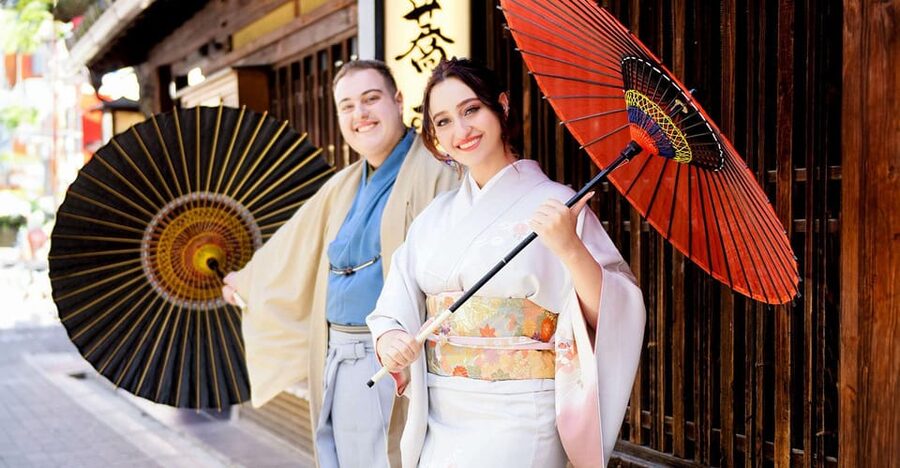
Professional photography is the heart of this activity. You are not left to guess where to stand or what to do with your hands. The photographer directs the session and knows the best nearby locations in Shinsaibashi.
That guidance is especially helpful when you are wearing a kimono for the first time. Sleeves, posture, walking position, and hand placement all affect the image. A photographer can make small corrections that are hard to spot in a quick self-taken picture.
The service is available in English and Japanese. No individual photographer’s name is provided, so you should not expect to request a particular person. Still, the language support makes the activity easier for international visitors who want clear instructions during dressing and posing.
The strongest praise for the session centers on professionalism, patience, and the quality of the finished images. One family described the photographer as going beyond expectations, carrying props and finding good local spots. That kind of attention is more important than fancy equipment. It means you can concentrate on enjoying the costume instead of managing the whole production yourself.
More photoshoots and photo walks:
- Osaka: Private Vibrant Nighttime Photoshoot (Dotonbori)
★ 4.9 · 80 reviews - Guided Photography Tour in Osaka: Capturing Memories
★ 4.5 · 20 reviews - Osaka Dotonbori Night Photoshoot – Private | Pro Photographer
★ 5.0 · 19 reviews - Private Vibrant Night Photoshoot Experience in Osaka (Dotonbori)
★ 5.0 · 15 reviews
The value of 100 digital photographs
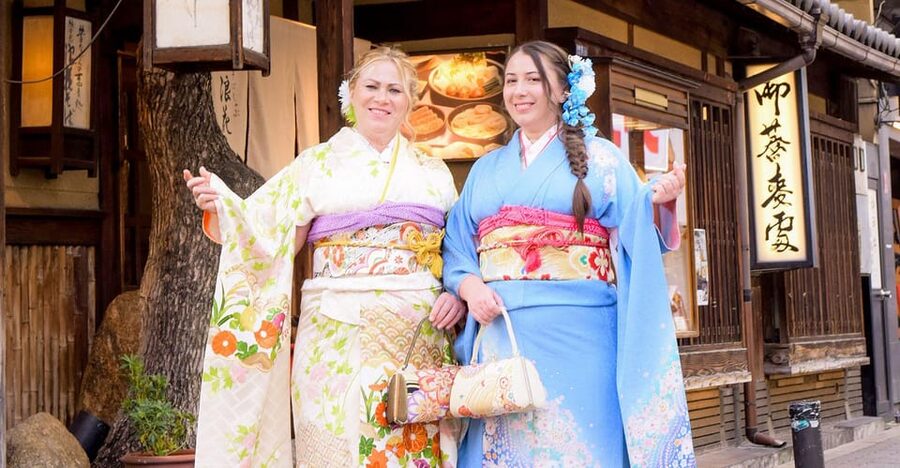
At $96 per person, the package is not the cheapest way to put on a kimono. Its value depends on how much you want finished photographs rather than a rental alone.
The key inclusion is all photo data, with 100 images advertised. That gives you a sizable collection to print, share, and keep. Many portrait sessions offer only a small number of edited files or charge separately for each image. Here, the digital set is part of the package.
You should read the phrase all data carefully. The information confirms that 100 photo files are included, but it does not explain the delivery method, file resolution, editing level, or delivery time. Ask those questions if the images are important for a wedding announcement, professional profile, or large print.
Prints cost an additional 3,300 yen for a size smaller than A4. Retouching costs 11,000 yen. Those extras can quickly change the final bill, so I would decide before the session if you need physical prints or detailed skin and clothing corrections.
For a couple, family, or solo visitor who wants a polished souvenir, the package can be good value. For someone who only wants to try on a kimono for a short walk, the photo package may be more than necessary. The experience makes the most sense when the pictures are the main point.
Hair and makeup: useful, but not automatic
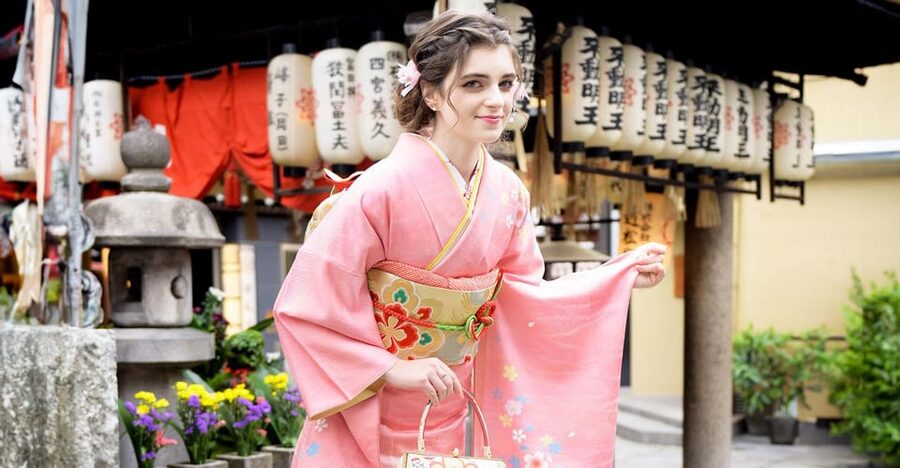
Hair and makeup are optional, not included. Makeup costs 6,600 yen and hair styling costs 3,300 yen, with the same prices listed for men and women.
I would consider adding hair styling if you want the finished photographs to look distinctly traditional. The hairstyle frames the face and can make the kimono feel like a complete outfit rather than clothing borrowed for an hour. Makeup may be worthwhile for close portraits, especially if you want a more formal result.
You do not have to add both services. Keeping one or both out of the booking gives you control over the budget. The package already includes the kimono rental and photography, so you can treat the beauty services as upgrades rather than required steps.
The staff have experience preparing visitors carefully, but the supplied details do not list specific hairstyle choices or makeup products. If you have a particular look in mind, ask what is available before paying for the add-ons.
Who will get the most from this experience
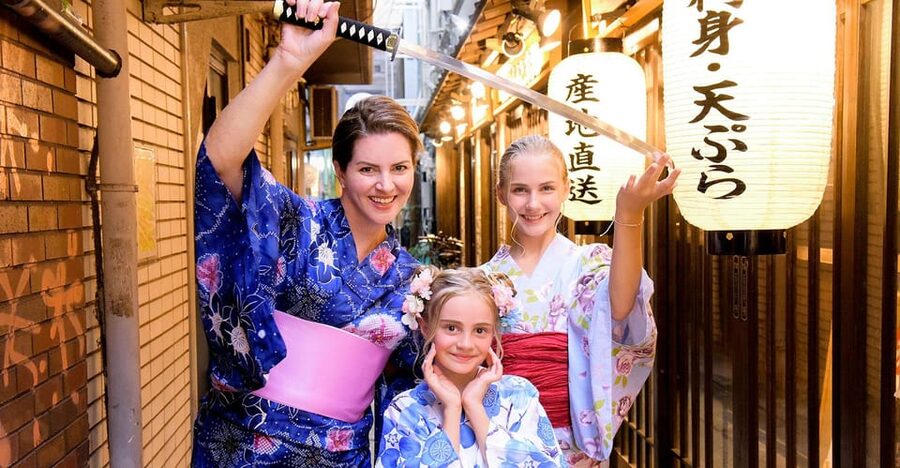
I would recommend this session to several types of visitors:
- Couples wanting a shared Japanese portrait
- Families looking for a structured activity with a finished keepsake
- Solo visitors who want professional photographs instead of self-timer images
- First-time kimono wearers who want staff to handle the difficult parts
- People visiting outside cherry blossom season
- Anyone who prefers a private session to a large group activity
It may be less suitable if you dislike posing, want a very fast costume rental, or are trying to keep every extra charge out of your budget. The full process can take up to two hours, and the dressing alone requires patience.
It also suits people who want a clear choice of mood. The indoor cherry blossom set gives you a dependable, formal background. The outdoor Shinsaibashi option gives you local streets, old buildings, and shrines. You can choose the look that fits your trip.
Timing, meeting point, and booking details
The meeting point is specific: 1-chōme-19-20 Higashishinsaibashi, inside the Rose House building on the second floor. Allow enough time to find the building and reach the correct floor. The supplied details do not give a train station exit or walking directions, so checking the map before your appointment is wise.
The stated duration is 90 minutes to two hours. The outdoor photo stop itself is listed at about 1.5 hours. Since the start times vary, you need to check availability rather than assume a morning or afternoon schedule.
The activity is offered for private groups, which is a major advantage for families and couples. You can move at your own group’s pace, and the photographer’s attention is not split among unrelated parties.
Free cancellation is available up to 24 hours before the start time for a full refund. You can also reserve now and pay later, which helps if your Osaka schedule is still changing. English and Japanese support are available, and the activity is listed as wheelchair accessible.
Small details that can improve the session
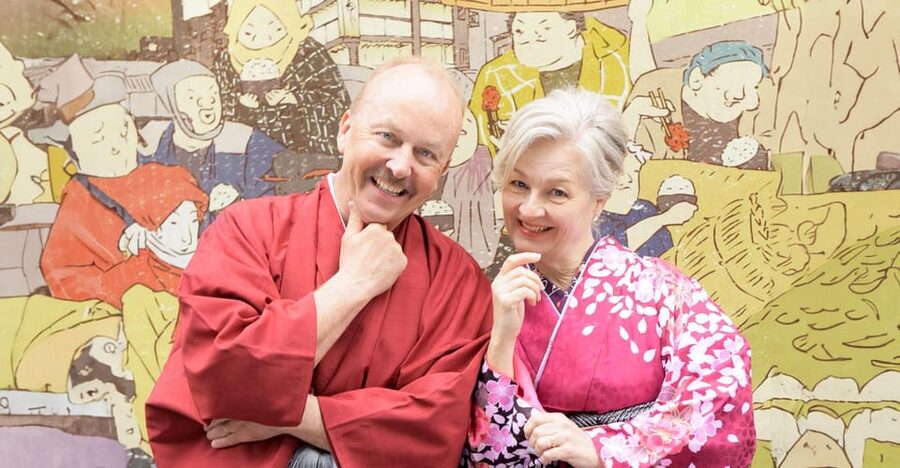
I would wear something simple underneath the kimono and avoid arriving with a packed schedule immediately afterward. The clothing process takes time, and you will want to leave room for the photo session without watching the clock.
If you choose the outdoor setting, consider the weather and temperature. The kimono may feel warm in summer, while rainy conditions could affect the comfort and appearance of the shoot. The studio gives you a safer choice when the forecast is poor.
Think about your final use for the images before you arrive. If you want social media photos, the included digital files may be enough. If you want a framed portrait, ask about print size and retouching before the session, since both cost extra.
Bring the people you want in the pictures. Because this is a private-group activity, it works well for a couple or family portrait, but the supplied details do not state a maximum group size. Confirm that point if you are booking for a larger party.
Should you book this kimono photoshoot?
Book it if you want more than a quick rental and a few casual snapshots. The combination of careful dressing, a professional photographer, 100 digital files, and a choice between cherry blossoms indoors and historic-looking Shinsaibashi settings gives you a full souvenir experience.
I especially like it for visitors outside spring. The year-round cherry blossom studio removes the pressure of timing a trip around Osaka’s flowers, while the outdoor option gives the photographs a stronger connection to the neighborhood.
Before booking, budget for the extras you actually want. Hair, makeup, prints, and retouching are separate, and the total can rise well above the $96 base price. If you understand that from the start, this is a polished and personal way to mark your time in Osaka.
FAQ
Where does the kimono photoshoot begin?
It begins at 1-chōme-19-20 Higashishinsaibashi, on the second floor of the Rose House building.
How long does the experience last?
The stated duration is 90 minutes to two hours. The Shinsaibashi photo stop is listed as about 1.5 hours.
Is kimono rental included?
Yes. The package includes kimono rental, the photo shoot, and all photo data.
How many photographs are included?
The experience includes 100 photo files.
Are hair and makeup included in the price?
No. Makeup costs 6,600 yen per person, and hair styling costs 3,300 yen per person. These prices apply to both men and women.
Can I take photographs outdoors in Shinsaibashi?
Yes. You can go out in Shinsaibashi for photographs around old Japanese buildings and shrines. Indoor studio photographs with a cherry blossom background are also available all year.
Is the experience available in English?
Yes. The live tour guide and photography support are available in English and Japanese.
Just added around Osaka
- Nara Day Trip from Osaka with a Licensed Guide★ 5.0 · 3 reviews
- Osaka Early Morning Osaka Castle Tour Avoid Crowds★ 5.0 · 3 reviews
- Guided Tour of Some Attractions in Osaka by Private Car★ 5.0 · 3 reviews
- Private Transfer Between Kyoto and Kansai Airport KIX★ 5.0 · 3 reviews
- Shared Arrival Transfer: Osaka Itami Airport to Osaka City★ 5.0 · 3 reviews
- Osaka: Sushi Making Class and Dotonbori Food Tour★ 4.7 · 3 reviews
- Osaka Night Photography Workshop★ 5.0 · 3 reviews
- Kyoto Full day Tour Kinkakuji, Kiyomizu-dera and Fushimi Inari★ 4.5 · 3 reviews
Osaka Kimono & Yukata Experiences, compared.
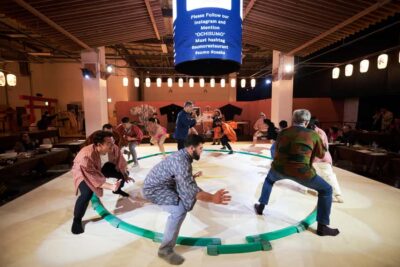
Sumo Show & Experience w/ Optional Kimono & Hot Pot
Read our review →
Learning Zen of Japanese Calligraphy in kimono near Osaka Castle
Read our review →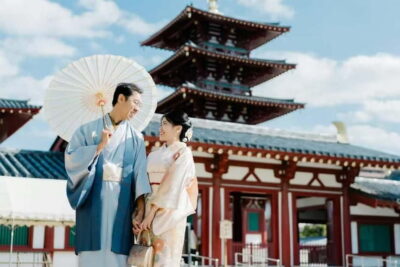
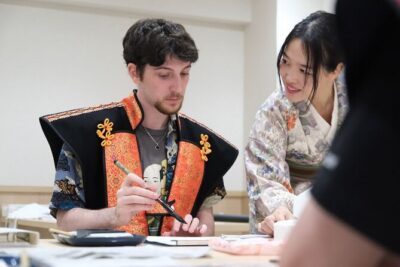
Premium Kimono Dressing, Tea Ceremony, Calligraphy, Samurai show
Read our review →
Japanese miniature kimono made with origami in Osaka
Read our review →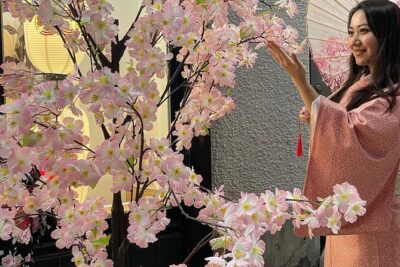
Osaka Kimono Experience – Quick Traditional Dress & Photos
Read our review →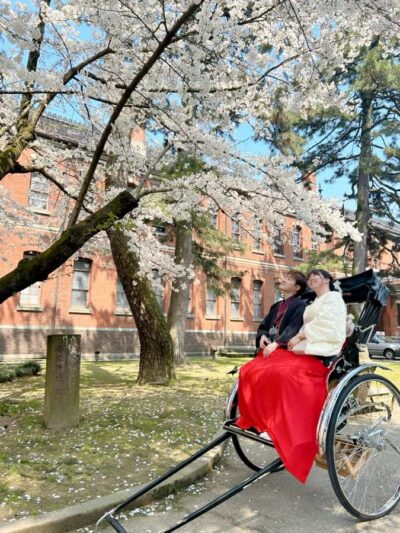
Browse the lists this tour appears in