
Reviewed · OSAKA HIGHLIGHTS & HIDDEN GEMS TOURS
Osaka : Must-see & Hidden Gems Walking Tour
Osaka packs an astonishing range of sights into three hours: a castle park, a Korean neighborhood, a food hall, old Shinsekai, neon Dotonbori, and a kitchenware street. I like the way this tour shows several sides of Osaka rather than keeping you in one sightseeing zone. I also like the chance to ask for practical advice from a local guide, with Tom singled out for explaining Japanese customs in a clear, educational way.
The tradeoff is pace. At $45 per person, the tour offers good value if you want orientation and local context, but you will not have much free time at each stop. You also pay for local trains separately, and some of the route is connected by public transport rather than walking.
In This Review
- Key points at a glance
- Why this route gives you a useful Osaka overview
- Starting in Namba and entering Dotonbori
- Namba’s shopping streets and back lanes
- Shinsekai, where Osaka feels older and rougher
- Harukas 300 and the department-store food hall
- Tsuruhashi and the lanes of Korea Town
- Osaka Castle Park and a dramatic piece of city history
- Dotonbori, Kuromon Ichiba, and Doguyasuji
- What $45 gets you
- Guides, languages, and group style
- Who should book this Osaka walk
- Practical details before you reserve
- Should you book it?
- FAQ
- Where does the Osaka walking tour start?
- How long does the tour last?
- What places are included?
- Are local train fares included?
- Is food included?
- What languages are available?
- Is a private tour available?
Key points at a glance
- Seven very different Osaka stops: Move from Osaka Castle and Korea Town to Harukas, Shinsekai, Namba, Dotonbori, and Doguyasuji.
- A strong first-day introduction: The route helps you understand how Osaka’s old districts, shopping streets, food culture, and modern city fit together.
- Food is part of the sightseeing: See puffer fish, Kobe beef, market produce, wax food displays, and oversized kitchenware.
- Small-group or private format: A private group is available, useful if you want a more personal pace.
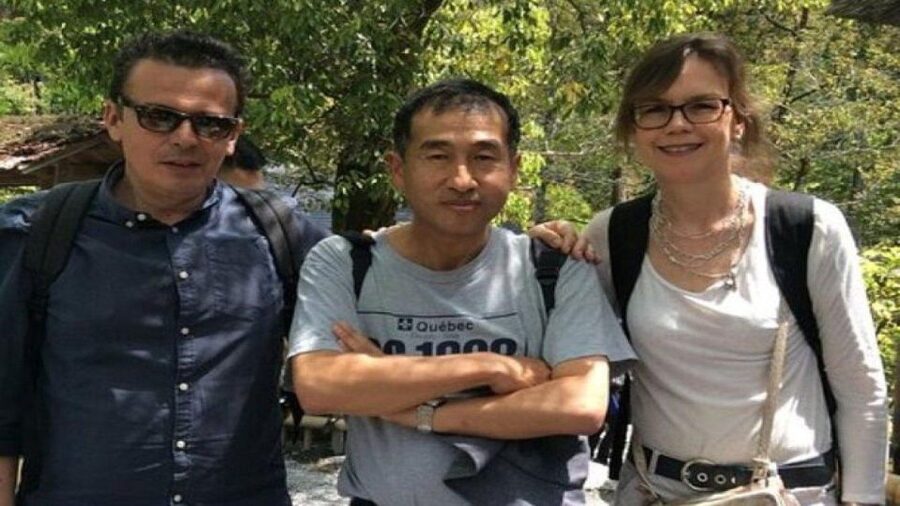
- Four guide languages: Tours are offered in English, Spanish, Italian, and French.
- Useful advice beyond the walk: The guide can suggest other things to do after the three-hour route.
Why this route gives you a useful Osaka overview
Many Osaka tours focus only on Dotonbori’s lights and food signs. This one spreads its attention across the city. You begin in Namba, see the city’s best-known entertainment streets, then move through older neighborhoods and major landmarks.
That range is the main reason I find the tour appealing. Osaka is not one postcard scene. It is a mix of castle grounds, compact shopping lanes, immigrant communities, department-store food halls, market streets, and slightly worn districts that still have plenty of character.
The schedule gives roughly 30 minutes to each listed stop. That is enough for an explanation, photos, and a quick look around. It is not enough for a full museum visit, a long meal, or serious shopping. Think of the tour as a guided orientation with several carefully chosen snapshots.
The route also gives you a chance to ask questions. If you want to know where to eat later, how to use the trains, or which Osaka districts deserve more of your time, ask early and often. The advice element may become as useful as the sightseeing itself.
More highlights and hidden gems tours:
- Osaka Kickstart: Hotspots & Hidden Gems Tour
★ 5.0 · 1,306 reviews - Ultimate Osaka Walking Tour: Castle, Dotonbori & Hidden Gems
★ 5.0 · 862 reviews - Osaka: Main Sights and Hidden Spots Guided Walking Tour
★ 4.9 · 702 reviews
Starting in Namba and entering Dotonbori
The meeting point is at 1 Chome-7-10 Namba, in Chuo Ward. This is a practical place to begin because Namba is already at the center of Osaka’s shopping, dining, and entertainment activity.
Dotonbori is the first major stop. You will have time for photos, a guided walk, and an introduction to the area. Its bright signs and canal-side energy are the familiar face of modern Osaka, often compared with Times Square in New York.
That comparison helps, but Dotonbori has its own personality. The attraction is not one monument. It is the concentration of restaurants, signs, narrow lanes, and crowds in a compact area. A guide can help you see past the obvious photo stops and point out the smaller streets behind the main strip.
I would not expect a quiet or reflective visit here. Dotonbori is busy by nature, and 30 minutes passes quickly. The value comes from learning how this entertainment district fits into Namba, then returning later when you have more time to eat or shop.
Namba’s shopping streets and back lanes
The tour continues through Namba, the wider district around the meeting point. This is where Osaka’s modern city life is easiest to read. Shopping, dining, and entertainment sit close together, with side streets that can feel very different from the main roads.
A guide is especially useful here because the district can seem like a wall of signs and storefronts when you first arrive. You can get a basic map in your head: the major shopping areas, the entertainment core, and the smaller lanes where the city’s character is less polished.
The tour does not include food or drinks, so plan to return to anything that catches your eye. That limitation is actually sensible for a three-hour walk. A full meal would slow the group and make the schedule harder to manage.
Shinsekai, where Osaka feels older and rougher
Next comes Shinsekai, a district with a distinct old-fashioned look. The area’s highlights have a slightly weathered quality, and that is part of its appeal. It does not feel carefully polished for sightseeing. It feels like a working city district with its own long-running habits.
You will stop near Magic Cafe&Bar SHINSEKAI for photos, a guided visit, and a walk. The tour presents Shinsekai as a contrast to Namba. After the modern signs and shopping streets, you see a part of Osaka that feels more fixed in time.
This is a good place to pay attention to the guide’s explanations. The physical details may seem modest at first, but the district makes more sense when you understand how it differs from the newer commercial areas. I like that the route includes places that are not simply the most famous landmarks.
The 30-minute limit remains the main constraint. You will get an introduction, not a full evening in Shinsekai. If the area interests you, make a note to return after the tour.
More guided walks on foot:
- Deep Backstreet Osaka Tours (Option to add Dinner)
★ 5.0 · 1,290 reviews - Osaka Local Foodie Walking Tour in Dotonbori and Shinsekai
★ 5.0 · 985 reviews - Osaka: Deep Backstreets Walking Tour with Dinner Option
★ 4.9 · 902 reviews - Private Osaka Walking Tour: Highlights & Hidden Gems
★ 5.0 · 569 reviews
Harukas 300 and the department-store food hall
The route then moves by a short public transport ride to the Harukas building. You will see Osaka from its upper floors at Harukas 300, giving you a broad view of the city from above.
The tour description does not include a separate admission charge for a paid observation deck, so you should confirm exactly which upper-floor viewing area is part of your booking. The planned stop is about 30 minutes, enough for a look at the city and some photos if access is included.
Afterward, you descend to the department store’s food hall. This is one of the more interesting parts of the itinerary because Japanese department-store food floors can be a cultural experience, not just a place to buy lunch.
You may see carefully presented seafood, puffer fish, and premium Kobe beef. The point is not necessarily to eat these items during the tour. Food and drinks are not included. Instead, the stop shows you the range and presentation of Japanese food culture, from expensive specialties to beautifully arranged everyday offerings.
If you are curious about food but do not have time for a long market visit, this section adds useful context. If you are hoping to sample everything, adjust your expectations. This is a guided look, not a tasting tour.
Tsuruhashi and the lanes of Korea Town
A short train ride takes you to Tsuruhashi. Here, the tour moves through Korea Town and a pre-war commercial district with narrow, maze-like alleys.
This is one of the route’s most distinctive stops. Tsuruhashi gives you a chance to see a part of Osaka shaped by Korean culture and local commerce. The tight lanes make a strong contrast with the open views from Harukas and the grand grounds of Osaka Castle.
The appeal is in the texture of the neighborhood: small shops, close-packed streets, and a sense that the area developed for daily life rather than for sightseeing. A guide can provide the cultural background that you would likely miss while simply walking through.
You should be ready for uneven pacing here. Labyrinthine streets are fun to explore, but a 30-minute visit only scratches the surface. Also remember that your train fare is not included. Since the experience is advertised as a walking tour, you might reasonably expect to walk between all stops, but the plan includes short public transport rides. Budget for those separately.
Osaka Castle Park and a dramatic piece of city history
Osaka Castle Park brings the route to one of the city’s best-known sights. You will see the exterior of Osaka Castle and hear about Osaka’s past, including the story of a near robbery from four centuries ago.
The park gives the tour a welcome change of scale. After the tight lanes of Tsuruhashi and the packed commercial streets, you have open grounds and a major landmark to frame the city’s political and military past.
The tour focuses on the exterior rather than promising entry to the castle interior. That matters if you want museum displays or a long look inside. You will get a guided visit and photo opportunity, but the listed 30-minute timing does not allow for a full castle visit.
I like the way the castle is paired with less formal districts. On its own, Osaka Castle can become a quick photo stop. Placed alongside Tsuruhashi, Shinsekai, and Namba, it becomes one part of a larger picture of Osaka.
Dotonbori, Kuromon Ichiba, and Doguyasuji
The route also includes three stops that give the Namba area its food-centered identity: Dotonbori, Kuromon Ichiba, and Doguyasuji. The listed schedule gives 30 minutes to Dotonbori and Namba, while Kuromon Ichiba and Doguyasuji are described as part of the wider Namba exploration.
Kuromon Ichiba is a fish market with more than 150 years of history. It is a natural place to learn how Osaka’s food culture works, with stalls and products that connect the city to the sea and to its long relationship with commerce.
Again, food is not included. You can look, ask questions, and return later to buy something, but the tour price does not cover snacks or meals. That keeps the base cost low, though you should carry extra money if you want to eat along the way.
Doguyasuji is a particularly good final stop for anyone interested in cooking or restaurant design. The street is devoted to kitchen goods and culinary supplies. You might see wax food models, traditional noren curtains used at kitchen entrances, and very large pottery pieces.
These details explain something important about Osaka: food is not only what you eat. It is also the signs, tools, dishes, storefronts, and displays that shape how restaurants present themselves. Doguyasuji offers a more unusual ending than another viewpoint or shopping arcade.
What $45 gets you
At $45 per person, the tour is priced as an affordable introduction rather than a full-day private guide service. You receive three hours with a live guide, a small-group or private format, and a route that covers a lot of ground.
The value is strongest if you are new to Osaka and want help deciding where to spend your own time afterward. Seeing seven different areas in one outing would be difficult to organize efficiently without local direction. The guide’s suggestions for other activities can also save you from wasting an evening in a district that does not match your interests.
The price is less attractive if you want long stops, included meals, or admission to paid attractions. Local transportation, food, and drinks are extra. You should also remember that a private group is available, but the supplied price does not explain whether private bookings cost more.
For a couple or small group that wants a quick city introduction, the cost is reasonable. For a family counting every extra yen, add train fares and food before comparing the total with a larger bus tour.
Guides, languages, and group style
Live guiding is available in English, Spanish, Italian, and French. That gives you a useful choice, especially if you would rather discuss cultural details in a language other than English.
Tom is specifically named in the booking feedback, with praise for explaining important points in Japanese culture that were easy to miss. That detail matters because this route contains many ordinary-looking places. Without context, a market lane or kitchen-supply shop can pass by as just another street.
A small group should make it easier to ask questions than on a large coach tour. A private group is also available if your party wants more control over the pace. Still, the published schedule is full, so even a private booking may not turn every stop into a long visit.
The activity is wheelchair accessible, which is an important practical point. Since the route uses walking and local public transport, you should confirm the exact arrangements for your needs when booking.
Who should book this Osaka walk
I would choose this tour for a first or second day in Osaka, when you want to get your bearings fast and learn which areas deserve a return visit. It also suits people who enjoy seeing daily commercial districts, not just major monuments.
Food-focused visitors will get plenty to look at, from puffer fish and Kobe beef in the Harukas food hall to market goods, wax displays, and restaurant equipment. Architecture and urban-history fans will appreciate the jump from Osaka Castle to Shinsekai and Tsuruhashi.
I would be more cautious if you dislike public transport, need a slow pace, or want to spend an hour inside Osaka Castle. The itinerary is active and tightly timed. It is best viewed as a sampler, not a relaxed neighborhood walk.
The five-star rating attached to the experience is based on five reviews, so I would treat it as encouraging but not a large statistical record. The strongest recurring point in the available feedback is the educational side, especially Tom’s ability to explain cultural meaning rather than simply name the sights.
Practical details before you reserve
The tour lasts three hours, with starting times subject to availability. Meet at 1 Chome-7-10 Namba, and allow enough time to find the exact spot in the busy district.
Bring comfortable shoes and plan for walking between several stops. You will also need to pay for local transportation separately, despite the short train rides being part of the route.
Food and drinks are not included. If you want to sample something at Kuromon Ichiba or buy a specialty from a department-store food hall, keep that as an extra expense.
You can cancel up to 24 hours ahead for a full refund, and the reserve-now, pay-later option lets you hold a place without paying immediately. Those terms are useful when your Osaka schedule is still changing.
Should you book it?
Book this tour if you want broad coverage and cultural explanation more than long time at any one attraction. For $45, you get a lively introduction to Osaka’s castle, neighborhoods, food culture, shopping streets, and entertainment core, plus advice for the rest of your stay.
Skip it if your priority is a single deep visit to Osaka Castle, an included food crawl, or a slow walk with generous time for shopping. The best match is a curious first-time visitor who wants to see how Osaka’s very different districts connect, then return independently to the places that catch their interest.
FAQ
Where does the Osaka walking tour start?
The meeting point is 1 Chome-7-10 Namba, in Osaka’s Chuo Ward.
How long does the tour last?
The tour lasts three hours.
What places are included?
The route includes Dotonbori, Namba, Shinsekai, Harukas 300, Tsuruhashi, Osaka Castle, Kuromon Ichiba, and Doguyasuji.
Are local train fares included?
No. Local transportation around the city is not included, and short public transport rides are used between some parts of the route.
Is food included?
No. Drinks and food are not included in the tour price.
What languages are available?
Live guiding is available in English, Spanish, Italian, and French.
Is a private tour available?
Yes. You can book a private group, and small-group tours are also available.
Just added around Osaka
- Nara Day Trip from Osaka with a Licensed Guide★ 5.0 · 3 reviews
- Osaka Early Morning Osaka Castle Tour Avoid Crowds★ 5.0 · 3 reviews
- Guided Tour of Some Attractions in Osaka by Private Car★ 5.0 · 3 reviews
- Private Transfer Between Kyoto and Kansai Airport KIX★ 5.0 · 3 reviews
- Shared Arrival Transfer: Osaka Itami Airport to Osaka City★ 5.0 · 3 reviews
- Osaka: Sushi Making Class and Dotonbori Food Tour★ 4.7 · 3 reviews
- Osaka Night Photography Workshop★ 5.0 · 3 reviews
- Kyoto Full day Tour Kinkakuji, Kiyomizu-dera and Fushimi Inari★ 4.5 · 3 reviews
Osaka Highlights & Hidden Gems Tours, compared.

Ultimate Osaka Walking Tour: Castle, Dotonbori & Hidden Gems
Read our review →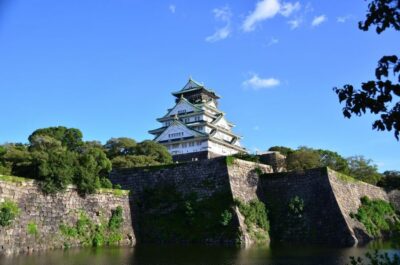
Main Sights and Hidden Spots Guided Walking Tour
Read our review →
Private Osaka Walking Tour: Highlights & Hidden Gems
Read our review →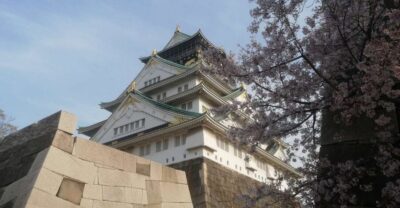
Five Must-See Highlights Walking Tour & Ramen Lunch
Read our review →
Ancient Capital Tour: Kyoto and Nara Highlights from Kyoto/Osaka
Read our review →
Walking Tour of Osaka’s 5 Must-See Sights, with Ramen for Lunch
Read our review →
Osaka Highlights: 4-Hour Walking Tour with Castle
Read our review →Browse the lists this tour appears in