
Reviewed · OSAKA COOKING CLASSES
Osaka Market Tour & Cooking Class with Local Expert Masato/Shohei
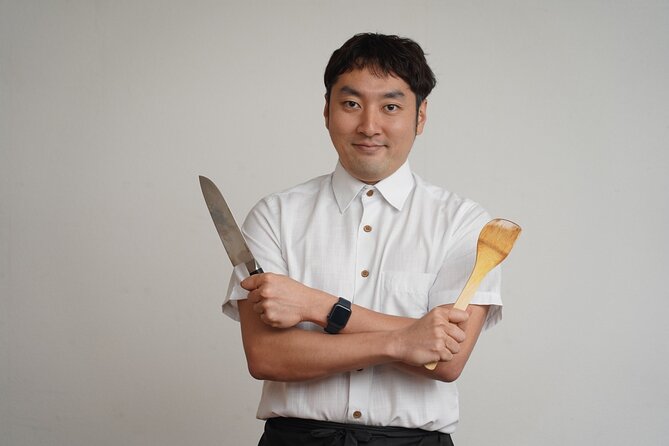
The best part of this Osaka experience is that you do not just eat Japanese food, you learn how it comes together. Depending on your booking, chef Masato or Shohei takes you through the nearby Karahori Shotengai market, then leads a hands-on class covering three Japanese dishes.
I like the practical menu choice, since you can request sushi, Japanese curry rice, or character bento. I also like the careful attention to allergies and dietary needs, including vegetarian, vegan, gluten-free, and lactose-free requests. The main consideration is time: at about two and a half hours, this is a focused class rather than a long market-and-food tour.
In This Review
- Key points to know
- Starting near Matsuyamachi Station
- Walking through Karahori Shotengai
- Choosing sushi, curry, or character bento
- Cooking with Masato, Shohei, or a colleague
- What you actually learn at the table
- Sitting down to eat your own meal
- Is $120 a fair price?
- Who will enjoy this class most?
- Timing, booking, and practical limits
- Should you book the Osaka cooking class?
- FAQ
- Where does the Osaka cooking class begin?
- Where does the activity end?
- How long does the experience last?
- Is the Karahori Shotengai market visit included?
- What dishes can I request?
- Does the sushi class include raw fish?
- Can the class accommodate dietary restrictions?
- Who hosts the class?
- What is the cancellation policy?
Key points to know
- Karahori market visit: Choose the market option for a quick 30-minute walk through a covered shopping street with vegetables, fresh foods, and condiments.
- Three dishes from scratch: You learn techniques, not just recipes, then eat the meal you prepared.
- Several menu choices: Request sushi, character bento, or Japanese curry rice when booking. Sushi is the default if you do not choose.
- No raw fish in the sushi class: Expect tamagoyaki, Wagyu beef, lotus root, bamboo shoots, shiitake mushrooms, and other seasonal vegetables instead.
- Personal hosting: Masato or Shohei guides the class, and a colleague may host when Masato is unavailable.
- Good dietary planning: Share allergies, restrictions, and cooking preferences at booking so the kitchen can prepare properly.
Starting near Matsuyamachi Station
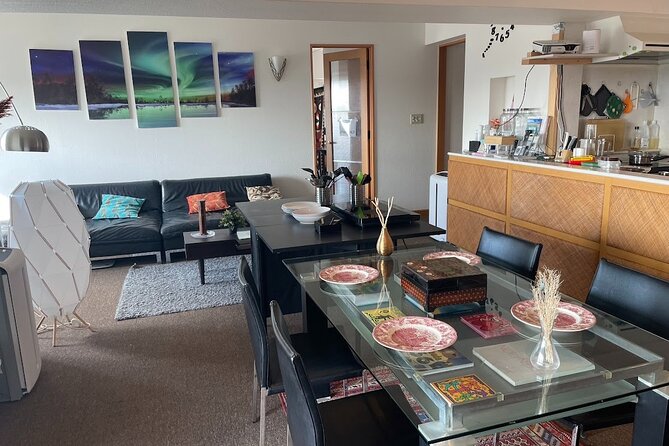
The meeting point is at Matsuyamachi Station, at 2 Chome-6 Andojimachi in Osaka’s Chuo Ward. You arrange your own way there, and the activity returns to the same meeting point at the end.
That central starting point keeps the experience simple. You are not waiting for hotel pickup, and you do not lose time crossing Osaka in a private vehicle. The tradeoff is that you need to manage your own route to the station. Since the meeting point is near public transportation, this should suit anyone already exploring central Osaka.
The class is shared, with a maximum of 13 people. That is not an intimate private lesson, but it keeps the price lower than a one-to-one cooking session and gives you a chance to cook alongside other food lovers. Ask questions as you work, and tell the host early if you need a slower pace or special food arrangements.
More Japanese home cooking classes:
- Osaka: Ramen and Gyoza Cooking Class in Dotonbori
★ 5.0 · 378 reviews - Osaka: Sumo Stage Show with Bento or Snack + Fight & Photo
★ 4.3 · 364 reviews - Osaka: Traditional Mochi Pounding Experience with Tasting
★ 4.9 · 306 reviews
Walking through Karahori Shotengai
The optional market visit takes about 30 minutes at nearby Karahori Shotengai. This is a covered shopping street with small stalls and shops selling vegetables, fresh food, and condiments.
The value here is not a giant list of Osaka sights. It is a short lesson in how ingredients appear before they reach the cooking table. Your host can explain what you are looking at and help connect Japanese produce and seasonings with the dishes you will prepare.
Keep your expectations in check. Thirty minutes is enough for an introduction, not enough to explore every corner of the shopping street or build a full meal from market purchases. Individual purchases are not included, so bring your own spending money if something catches your eye.
The market option makes the most sense if you want context before cooking. If you already have a packed Osaka schedule, the class itself still gives you the main experience. Check the option carefully when booking, since the market visit is not automatically part of every version.
Choosing sushi, curry, or character bento
Menu selection matters here. You can request a sushi-making class, Japanese curry rice, or character bento. If you do not specify a preference, sushi becomes the default.
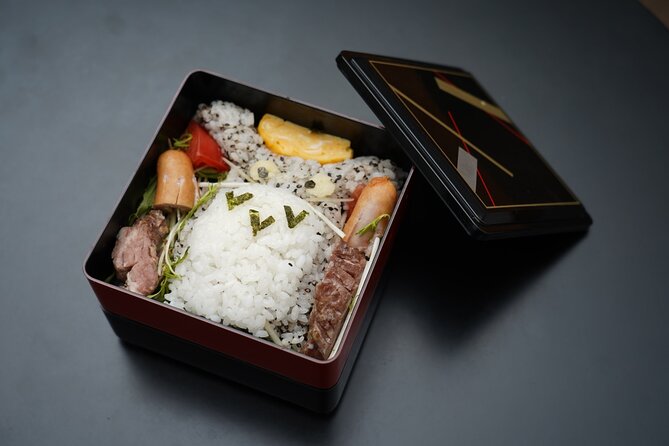
The sushi class is not built around raw fish. Instead, the listed ingredients include tamagoyaki, rolled Japanese omelet, Wagyu beef, and seasonal vegetables such as lotus root, bamboo shoots, and shiitake mushrooms. That makes the class a comfortable choice if you enjoy sushi shaping and presentation but would rather avoid raw seafood.
The menu also gives families and mixed-age groups a useful choice. Character bento can appeal to children and anyone who enjoys careful food presentation. Curry rice is likely the most approachable option for cooks who want a familiar Japanese comfort dish. The exact lesson depends on the menu selected, so make your request at booking rather than assuming you can change it on the day.
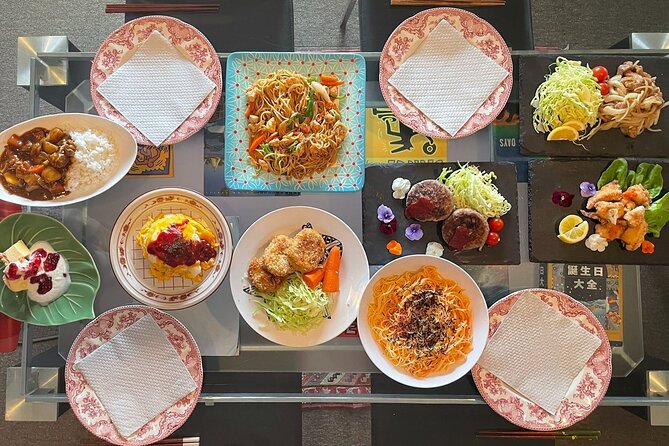
The class is designed around three Japanese dishes prepared from scratch. One hosted session also included miso soup, but the advertised format promises three dishes, so treat soup as a possible addition rather than a guaranteed part of every class.
Cooking with Masato, Shohei, or a colleague
Your host is a professional chef and local guide. Masato is named as the main host, while Shohei also leads sessions. If Masato is unavailable, an equally capable chef colleague takes over.
The personal teaching style is one of the strongest reasons to book. You are not simply watching a chef perform. You work through the preparation, ask questions, and move at your own pace. The experience is built for people who want to take a few Japanese cooking skills home, not just fill an afternoon.
Past hosted sessions included careful checks for allergies before cooking. Shohei also contacted participants ahead of time about preferences, which is exactly the sort of small detail that matters when food is involved. Still, you should not rely only on a casual conversation at the meeting point. Give full information about allergies, dietary restrictions, and cooking preferences when you reserve.
The maximum group size is 13, so the level of individual attention can depend on the group. The class is shared rather than private. If you want a completely personalized lesson, confirm the group format before paying.
More market and shopping streets:
- Cooking Ramen&Gyoza/KatsuCurry/Bento/Okonomiyaki+Store Tour@Osaka
★ 5.0 · 138 reviews - Kuromon Market Tour: All inclusive 6~8 Dishes & 3~4 samplings
★ 5.0 · 103 reviews - Osaka Cooking Class and Sake Tasting with Local Supermarket Visit
★ 5.0 · 79 reviews - Osaka: Cooking Class & Sake Tasting with Local Market Visit
★ 4.8 · 31 reviews
What you actually learn at the table
The useful part of the class is the link between ingredients, methods, and food culture. Your host explains what you are handling, shows traditional Japanese techniques, and gives you time to practice.
The experience can cover more than the finished plate. You may learn how ingredients are combined, how Japanese dishes are arranged, and how seasonal vegetables are used. The exact teaching points depend on your selected menu, but the format is clearly designed to help you understand the food rather than merely copy a few movements.
That makes this a good choice for a curious cook. You can ask why a particular ingredient is used, how a dish is put together, or how the meal fits Japanese food traditions. The class also gives you recipes and skills you can use after returning home.
Do not expect a formal culinary-school lesson. The class lasts about two hours and 30 minutes, including the optional market visit when selected, so the teaching is practical and compact. You will leave with a useful introduction, not professional kitchen training.
Sitting down to eat your own meal
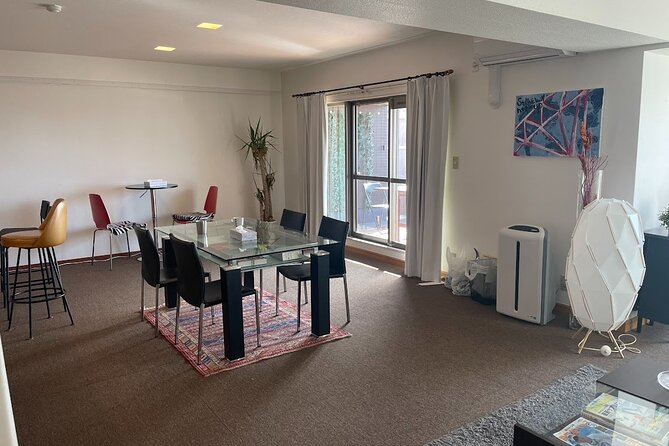
After the preparation, you sit down to enjoy the homecooked Japanese meal you made. That final meal is more than a reward. It lets you see how the separate dishes work together and gives you time to talk with the host and other participants.
Tea finishes the experience. It is a small but fitting close after the hands-on work, especially if you have spent the afternoon handling several ingredients and learning new techniques.
The meal also helps you judge the recipes in a real setting. You can notice texture, seasoning, and presentation while the cooking steps are still fresh in your mind. If you are collecting ideas for meals at home, keep notes or ask the host to repeat a technique before you leave.
One practical point: the meal is included, but market purchases are not. The experience is structured around cooking the provided food, not shopping for a separate meal.
Is $120 a fair price?
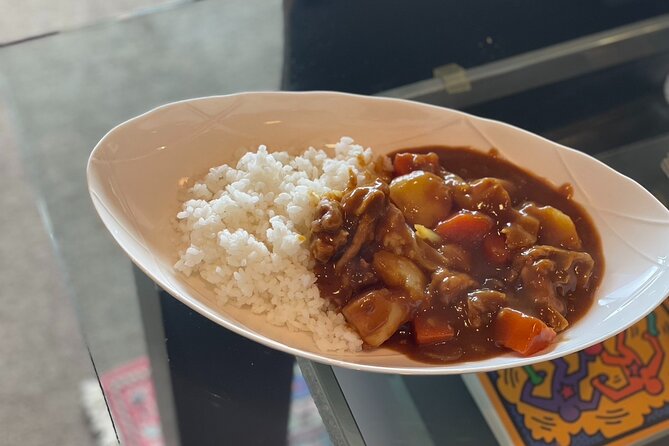
At $120 per person, this is not a bargain meal. You are paying for a chef-led lesson, a homecooked Japanese meal, and, if selected, a guided market visit. The value improves if you would otherwise pay separately for a good lunch, a food tour, and a short cooking lesson.
The price also covers the part many casual food tours skip: participation. You are spending the time preparing three dishes, learning techniques, and asking questions. If you only want to eat Osaka specialties, a market crawl or restaurant meal will likely cost less. If you want skills to take home, the class offers more lasting value.
The shared format helps keep the cost from rising further. A group of up to 13 may feel less personal than a private lesson, but it gives you a professional host and a complete activity at a price below many private cooking experiences.
I would especially consider the price worthwhile for food-focused visitors who want a planned activity with a clear beginning, cooking session, and meal. It is less useful for someone who already has several cooking classes booked or wants a broad survey of Osaka food stalls.
Who will enjoy this class most?
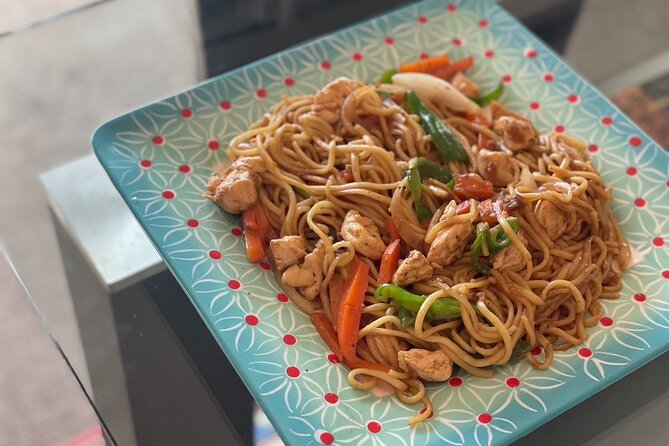
This suits first-time visitors who want a friendly introduction to Japanese ingredients and cooking customs. It also works well for couples, families, and small groups with different food interests, since the menu can be selected in advance.
Families should note that one hosted session included teenage daughters and several dishes, so the format can work for older children and teens who enjoy practical activities. The character bento option may be especially appealing for younger participants, though the information provided does not set a minimum age.
Vegetarians and vegans can request suitable arrangements, as can people avoiding gluten or lactose. You still need to provide those details when booking. The class is not a good fit if you need guaranteed raw fish sushi, since raw fish is specifically not included.
It also suits anyone who prefers conversation and questions over a large, scripted food tour. Masato and Shohei are there to teach, and the class allows you to work at your own pace. A group of 13 is the upper limit, so ask yourself how much group interaction you want.
Timing, booking, and practical limits
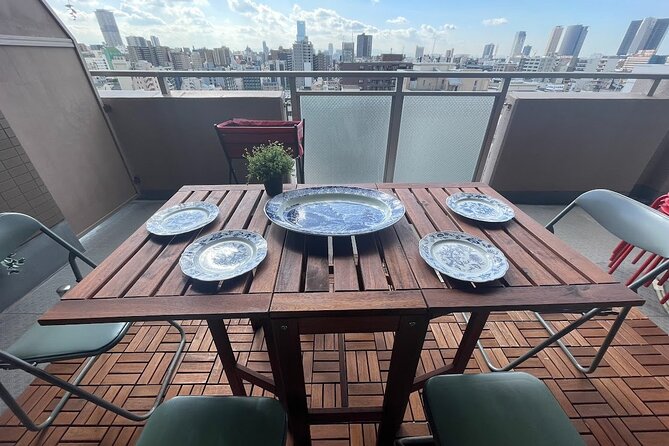
The total activity lasts about two hours and 30 minutes. The market portion, when selected, takes roughly 30 minutes, leaving the main portion for cooking and eating.
The tour is confirmed at booking, uses a mobile ticket, and ends back at the meeting point. You do not receive hotel pickup or drop-off, and you are responsible for getting to Matsuyamachi Station.
Menu preference is the most important booking detail. Choose your preferred class in advance, or expect sushi by default. Add every allergy, dietary restriction, and cooking preference at the same time. The provider can accommodate lactose-free, gluten-free, vegetarian, and vegan diets on request.
Free cancellation is available if you cancel at least 24 hours before the local start time. Cancellations or changes made inside that window are not accepted for a refund. The activity is offered by Traveling Spoon.
Should you book the Osaka cooking class?
Book it if you want to do more than sample Osaka food. The strongest reasons are the chance to prepare three Japanese dishes, the direct help from Masato or Shohei, and the option to connect the cooking with a short Karahori Shotengai market visit.
Choose carefully if your main goal is raw fish sushi, a private class, or an extensive market tour. This experience offers no raw fish, uses a shared group format, and gives the market only about 30 minutes.
For most food-focused visitors, the class earns its price through participation and useful skills. Select your menu, list dietary needs early, and add the market option if ingredient shopping and local context matter to you. You will leave with a meal in your stomach and recipes you can actually try again at home.
FAQ
Where does the Osaka cooking class begin?
The activity begins at Matsuyamachi Station, at 2 Chome-6 Andojimachi, Chuo Ward, Osaka, 542-0061, Japan.
Where does the activity end?
The class ends back at the meeting point.
How long does the experience last?
The experience lasts approximately two hours and 30 minutes.
Is the Karahori Shotengai market visit included?
The guided Karahori Shotengai visit is included with the market tour option. It lasts about 30 minutes.
What dishes can I request?
You can request sushi, character bento boxes, or Japanese curry rice. If you do not state a preference when booking, the default class is sushi.
Does the sushi class include raw fish?
No. The sushi class does not include raw fish. Ingredients include tamagoyaki, Wagyu beef, and seasonal Japanese vegetables.
Can the class accommodate dietary restrictions?
Yes, lactose-free, gluten-free, vegetarian, and vegan diets can be accommodated on request. You should provide allergy and dietary information when booking.
Who hosts the class?
Masato is the named host, and Shohei also leads classes. When Masato is unavailable, a chef colleague may host the session.
What is the cancellation policy?
You can cancel at least 24 hours before the experience start time for a full refund. Cancellations or changes made less than 24 hours before the start time are not accepted.
Just added around Osaka
- Nara Day Trip from Osaka with a Licensed Guide★ 5.0 · 3 reviews
- Osaka Early Morning Osaka Castle Tour Avoid Crowds★ 5.0 · 3 reviews
- Guided Tour of Some Attractions in Osaka by Private Car★ 5.0 · 3 reviews
- Private Transfer Between Kyoto and Kansai Airport KIX★ 5.0 · 3 reviews
- Shared Arrival Transfer: Osaka Itami Airport to Osaka City★ 5.0 · 3 reviews
- Osaka: Sushi Making Class and Dotonbori Food Tour★ 4.7 · 3 reviews
- Osaka Night Photography Workshop★ 5.0 · 3 reviews
- Kyoto Full day Tour Kinkakuji, Kiyomizu-dera and Fushimi Inari★ 4.5 · 3 reviews
Osaka Cooking Classes, compared.


Sumo Stage Show with Bento or Snack + Fight & Photo
Read our review →
Traditional Mochi Pounding Experience with Tasting
Read our review →
Osaka Cooking Class: Okonomiyaki &Japanese cuisines experience
Read our review →


Osaka Sake Tasting & Takoyaki Cooking Experience
Read our review →
Cooking Ramen&Gyoza/KatsuCurry/Bento/Okonomiyaki+Store Tour@Osaka
Read our review →Browse the lists this tour appears in