
Reviewed · OSAKA HIGHLIGHTS & HIDDEN GEMS TOURS
Osaka: Half-day Ultimate Highlights Guided Walking Tour
Osaka’s story makes the most sense when you see its sharp contrasts in one day: samurai-era Osaka Castle, old temple lanes, giant seafood stalls, and the neon rush of Dotonbori. This walking tour links those places by foot and two short train rides, ending in retro Shinsekai. Expect a full day out, with roughly 15,000 steps possible.
I like the way the tour pairs famous sights with useful local context. You get the castle grounds and Glico Man, but also Hozenji Yokocho, Doguyasuji, and the food stalls of Kuromon Market. I also like the guide-led lunch, since Andy, Tim, Scott, and Anna are known for explaining what to order and helping first-time visitors use Osaka’s trains and food districts.
The main drawback is the length and physical demand. The tour can run five to seven hours, takes place rain or shine, and is not suited to people with mobility limits or pregnant women. The group tour also does not enter Osaka Castle, and vegan or gluten-free meals are not supported.
In This Review
- Key points to know before you book
- From Osaka Castle’s stone walls to the city’s neon core
- Shinsaibashi shows Osaka’s long shopping habit
- Ebisu Bridge and Dotonbori deliver the classic Osaka photo
- Hozenji Yokocho brings the city down to a whisper
- Kuromon Market is Osaka’s Kitchen in working form
- Doguyasuji and Den Den Town add local texture
- Shinsekai ends the day with old Osaka character
- The guides are the heart of the experience
- Is $61 good value for five to seven hours?
- What to bring and how to handle the pace
- Who should book this Osaka walking tour?
- FAQ
- How long does the Osaka highlights walking tour last?
- Where does the group tour meet?
- Is JR Osakajokoen Station the same as JR Osaka Station?
- Does the tour enter Osaka Castle?
- Is lunch included?
- Are train fares included?
- Is hotel pickup available?
- Is the tour suitable for vegan or gluten-free diets?
- What should I bring?
Key points to know before you book
- Osaka Castle is an outdoor history stop: You walk through the grounds and hear how the castle shaped Japan’s sixteenth-century unification, but group tours do not include the interior.
- Lunch is part of the experience: The included meal features Osaka-style street food and a drink, commonly takoyaki and okonomiyaki.
- The route covers several central districts: You move from Shinsaibashi and Dotonbori to Hozenji, Kuromon, Doguyasuji, Den Den Town, and Shinsekai.
- Guiding is the real value: The English-speaking guides explain history, customs, food, and practical train use, with guides such as Andy, Tim, Scott, and Anna assigned according to availability.
- You pay two small train fares: The tour uses public transportation for two short rides, costing ¥240 and ¥190.
- Small groups make questions easier: Private and small-group options are available, while group tours meet at JR Osakajokoen Station rather than at your hotel.
From Osaka Castle’s stone walls to the city’s neon core
The tour begins at JR Osakajokoen Station on the JR Osaka Loop Line. Meet inside the station building, in front of the 7-Eleven kiosk just outside the ticket gates, and arrive 15 minutes early. Take care here: this is JR Osakajokoen Station, not the separate JR Osaka Station.
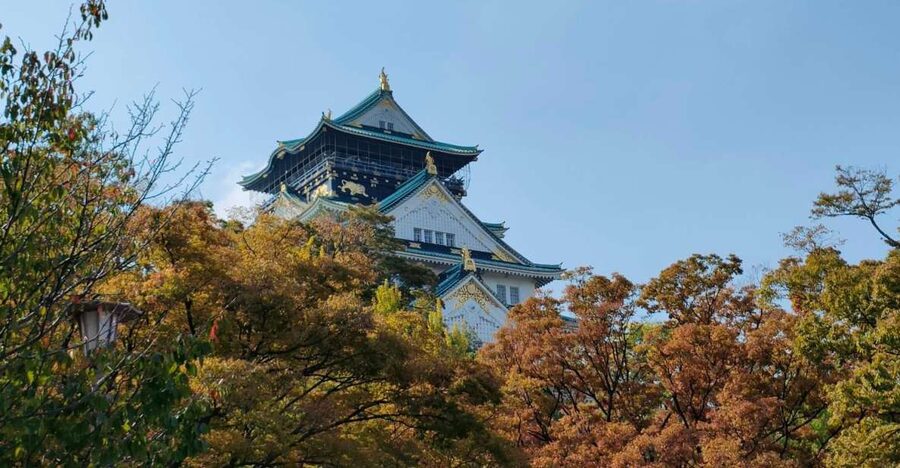
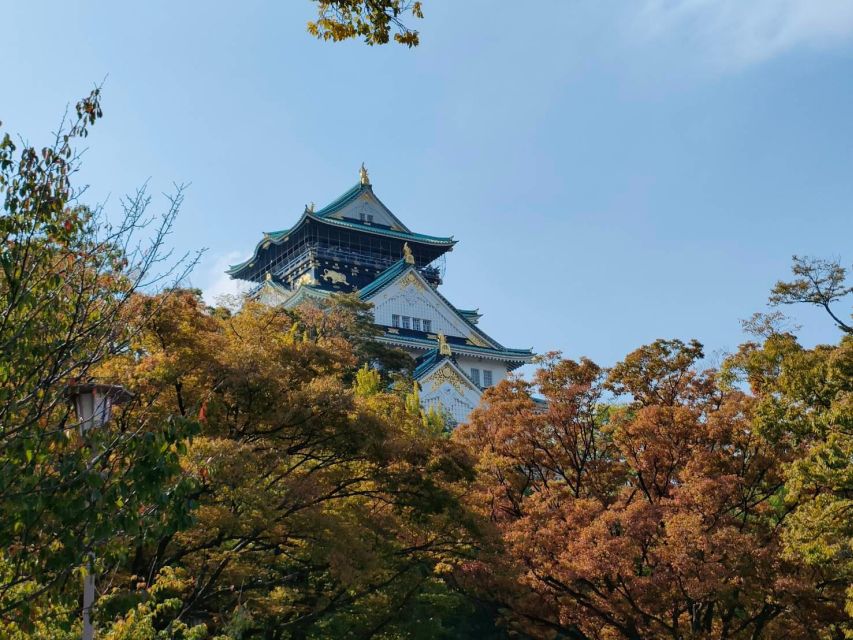
The first stop is Osaka Castle, one of Osaka’s clearest symbols. You spend about 75 minutes walking the grounds while your guide explains the castle’s part in the struggles that helped unify Japan during the samurai era. That outdoor approach is sensible for a route this long. You get the setting, walls, and broad historical frame without spending your morning waiting in line for the interior.
Still, you should know what you are buying. Entrance into Osaka Castle is not included on group tours, and the schedule does not allow time for a full visit inside. If the castle museum is one of your top goals, plan a separate visit on another day, or ask about the private option when booking.
After the castle, a short train ride of about 15 minutes brings you toward the Namba area. Your guide handles the public transportation, which is useful if Osaka is your first Japanese city. The fare is not included, so carry ¥240 for one ride and ¥190 for the other.
More highlights and hidden gems tours:
- Osaka Kickstart: Hotspots & Hidden Gems Tour
★ 5.0 · 1,306 reviews - Ultimate Osaka Walking Tour: Castle, Dotonbori & Hidden Gems
★ 5.0 · 862 reviews - Osaka: Main Sights and Hidden Spots Guided Walking Tour
★ 4.9 · 702 reviews
Shinsaibashi shows Osaka’s long shopping habit
In Namba, the walking portion begins with the Shinsaibashi-suji shopping street. This covered arcade runs about 600 meters and has served as a major shopping area for roughly 400 years. It is a good place to see modern Osaka’s love of retail, from small shops to familiar chains, without treating shopping as the only point of the visit.
The covered roof is practical in rain or strong sun, but the street can feel crowded. You are walking through an active shopping area, not a quiet museum. Stay with the group and keep your bag close, especially when the pavement fills.
The tour allows about an hour in Namba before a 30-minute lunch break. That pause matters. A day of markets and busy streets can wear you down, and the guide team has a reputation for choosing rest spots and keeping the pace manageable. Anna, in particular, is noted for finding water and places to cool off during hot weather, while other guides adjust the walking speed and check that everyone is keeping up.
Lunch is a casual Osaka food lesson rather than a formal restaurant event. The meal includes Osaka-style street food and a drink, with takoyaki, the familiar octopus-filled batter balls, and okonomiyaki, a savory cabbage pancake, among the foods described during the tour. The guide can help you order and show you how local diners approach the meal.
This is a useful part of the tour for first-time visitors who want to eat without guessing. It is less suitable if you require a vegan or gluten-free diet, since those diets are specifically not included. Tell the operator about other needs before booking, but do not assume the included meal can be changed.
Ebisu Bridge and Dotonbori deliver the classic Osaka photo
After lunch, the route reaches Ebisu Bridge, a 15-minute stop with an unusually long history for such a busy urban crossing. A wooden bridge stood here in the 1600s, and the present area remains a well-known meeting place beside the famous Glico Man sign.
This is the postcard moment of the day. You can photograph the running Glico figure, the Dotonbori canal, and the wall of signs around the bridge. Your guide can also help with group photos, a small but handy service when you are traveling without anyone to hold the camera.
Dotonbori receives about 30 minutes of guided walking. It is Osaka’s neon heart, packed with street food, bars, shops, and nightlife signs. The setting is loud and highly commercial, but that is part of the point. Dotonbori shows Osaka’s modern personality in one concentrated stretch.
Do not expect a slow, reflective visit here. The crowds, signs, and food displays compete for your attention. The guide’s role is to give the area a story, explain what makes Osaka different from Tokyo or Kyoto, and point out where the famous images fit into the city’s wider culture.
Hozenji Yokocho brings the city down to a whisper

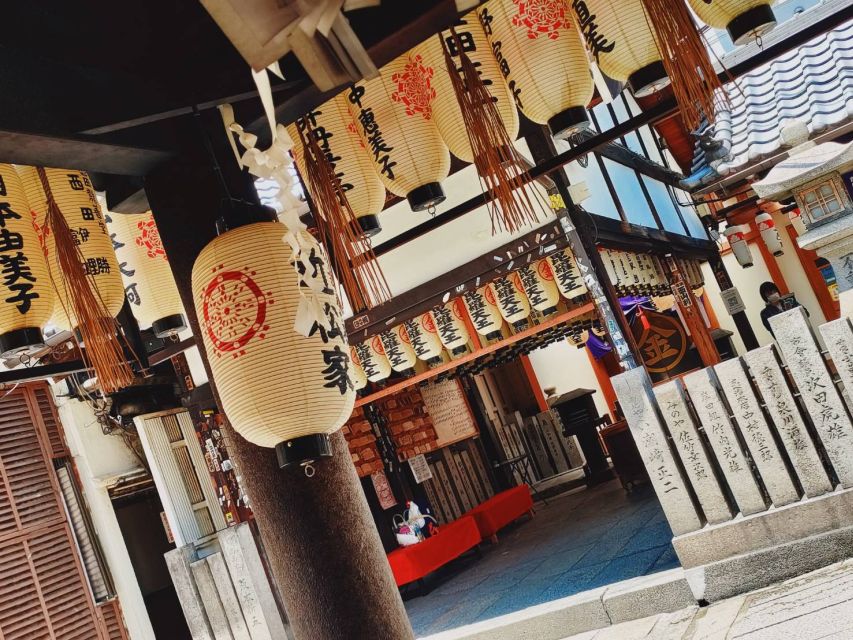
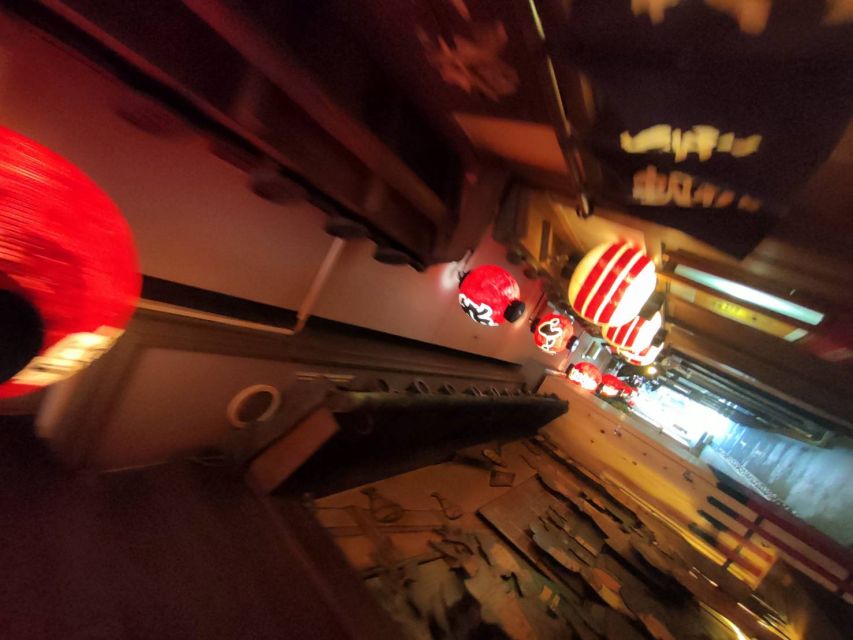
A short walk from Dotonbori leads to Hozenji Yokocho, a narrow lane lined with traditional lanterns and cobblestones. The sudden change is the charm. One moment you are beside a canal and bright signs; the next, you are in a small pocket that preserves an older Osaka atmosphere.
At the end of the lane is Hozenji, a small Buddhist temple built in the seventeenth century. The stop lasts about 20 minutes, so it is not a long temple visit. Instead, it gives you a quiet pause and a compact example of how older religious places remain part of the city’s daily life.
I find this one of the tour’s best choices because it prevents Osaka from becoming only food, shopping, and bright lights. The guide can explain the temple’s place in the neighborhood and show how the past sits beside the current entertainment district. Keep your voice low and follow local temple etiquette.
More guided walks on foot:
- Deep Backstreet Osaka Tours (Option to add Dinner)
★ 5.0 · 1,290 reviews - Osaka Local Foodie Walking Tour in Dotonbori and Shinsekai
★ 5.0 · 985 reviews - Osaka: Deep Backstreets Walking Tour with Dinner Option
★ 4.9 · 902 reviews - Private Osaka Walking Tour: Highlights & Hidden Gems
★ 5.0 · 569 reviews
Kuromon Market is Osaka’s Kitchen in working form
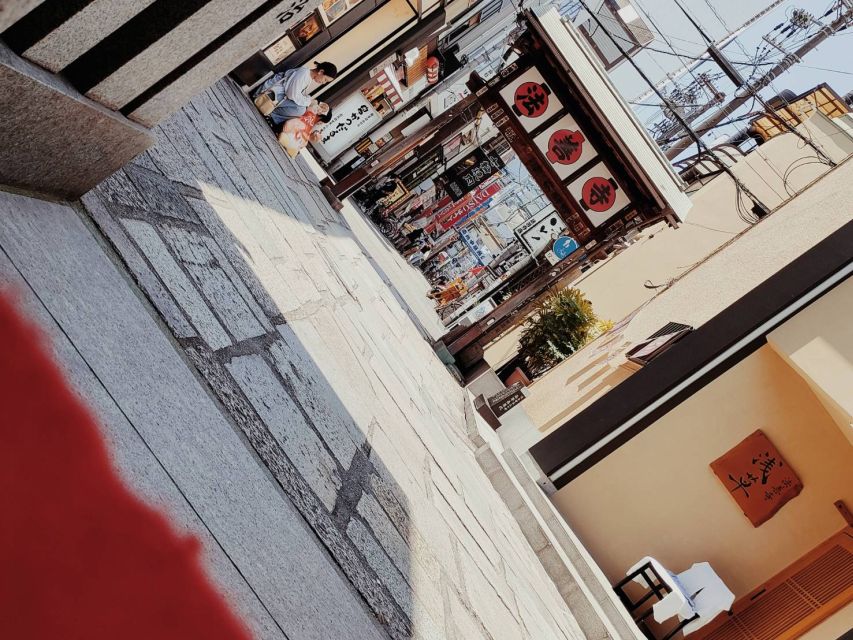
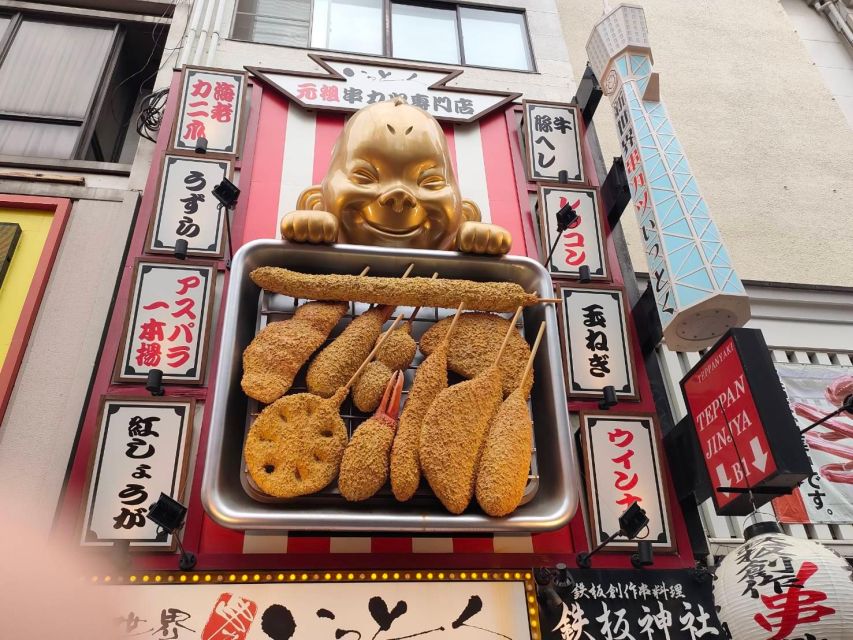
The route then reaches Kuromon Ichiba Market, a covered market with about 200 years of service to Osaka. It is often called Osaka’s Kitchen, and the name makes sense as you pass stalls selling seafood, meat, and produce.
The guided visit lasts around 30 minutes. That is enough time to see large seafood displays, including the enormous crab legs and tuna noted by visitors, and to understand how the market serves both residents and the city’s restaurants. Depending on timing and your appetite, your guide may direct you toward a good stall for sashimi or another local bite.
The market is not simply a sightseeing corridor. It is also a place where food is prepared and sold, so some stalls can feel crowded and prices may vary. Your guide’s advice is useful here because you can ask what is worth trying instead of buying the first eye-catching item.
Kuromon is also where the tour’s food focus feels most practical. Andy has a reputation for helping people choose the best stall for a dish they want to sample, and the guides can explain the difference between seeing seafood on display and ordering it to eat. Remember that extra market purchases are your own expense, even though lunch is included.
Doguyasuji and Den Den Town add local texture

Before leaving the Namba area, the route includes Doguyasuji, a narrow street serving Osaka’s restaurants for centuries. Its shops sell kitchen equipment, cutlery, crockery, and other supplies. You may find the displays more interesting than ordinary souvenir shopping because they show the practical side of the restaurant trade.
This stop is easy to overlook if you only follow the usual Osaka checklist. It helps explain why Osaka is so closely tied to food and commerce. The city’s merchant past is not presented only through dates and battles. You see it in the tools, dishes, and specialist shops that support its eateries.
The itinerary also identifies Osaka’s answer to Tokyo’s Akihabara: the Den Den Town area. Here, electronics, cameras, computers, games, anime, and pop culture shops replace the food stalls and temple lanes. The schedule does not list a long separate stop, so treat it as part of the route rather than a dedicated shopping session.
That distinction matters if you want serious electronics shopping. You will see the character of the neighborhood and learn why it matters, but you may not have time to compare products or make a large purchase.
Shinsekai ends the day with old Osaka character
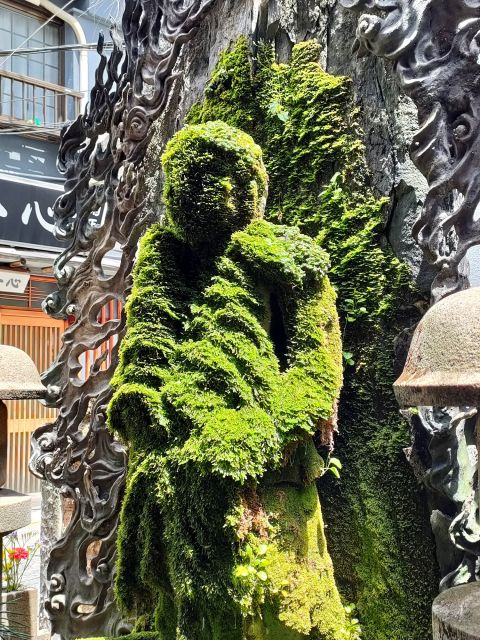
The final major district is Shinsekai, reached after a second short subway ride of about five minutes. The tour finishes at Dobutsuen-Mae Station, with approximately 20 minutes of guided walking through the neighborhood.
Shinsekai was developed before World War II and is known for Tsutenkaku Tower, its most recognizable symbol. The district has a retro look and a nostalgic mood, showing a different side of Osaka from the polished shopping arcades and Dotonbori signs.
The name Shinsekai means New World, but the area’s appeal now comes from its older character. The guide can explain how this neighborhood fits into Osaka’s past and present, while you take in the tower, signs, and streets around it. This final stop gives the tour a useful ending because it leaves you in a district with its own local identity rather than simply returning you to a major station.
There is a tradeoff. By this point, you may be tired. One person found the tour slightly too long and would have preferred to finish after Kuromon Market. That is fair advice if you dislike long walking days. If you enjoy seeing how several neighborhoods connect, Shinsekai is worth the extra effort.
The guides are the heart of the experience
The tour uses English-speaking local guides, and the supplied information describes a bilingual expat guide team with more than 20 years of experience. Names that appear in the guide roster include Andy, Tim, Scott, and Anna, though you should not assume which person will lead your departure.
The strongest feature is the mix of facts and personality. Tim is praised for making Japanese history funny and easy to follow, while Scott is known for thoughtful pacing, local tips, and interesting stories. Andy is described as especially helpful with food choices, train navigation, photographs, and tailoring the day to the group’s interests. Anna is noted for her care during hot weather.
That variety matters because this is not a recorded audio walk. You can ask why a place matters, request help choosing food, and get practical advice for the rest of your Osaka stay. The guides also help the group move through busy sidewalks and trains, which can be a real benefit on a first visit.
Small-group and private formats are available. Private tours include optional hotel pickup, with the guide meeting you in the hotel lobby 15 minutes before the start. Group tours do not include hotel pickup and use the JR Osakajokoen meeting point.
Is $61 good value for five to seven hours?
At $61 per person, this tour offers a lot of coverage for the price. You receive a local guide for the full route, an included lunch with a drink, and a carefully linked introduction to Osaka Castle, Namba, Dotonbori, Hozenji, Kuromon, and Shinsekai.
The price looks strongest if you are in Osaka for only a short stay or are visiting from Kyoto for a day. You get orientation, history, food guidance, and basic train practice in one outing. You also avoid spending your first day wondering how the districts connect.
The value is lower if you prefer to move slowly, shop at length, or enter every attraction. This is a broad city walk, not a deep visit to Osaka Castle or a dedicated food tour. You will also pay the two train fares separately, and any extra market food is on your own tab.
Book at least one day of free time after the tour if you can. Guides often share restaurant ideas and neighborhood tips that are more useful when you have time to follow them later. At minimum, use the tour to mark places you want to revisit at your own speed.
What to bring and how to handle the pace
Wear comfortable shoes. The route is mainly on foot, and the day can involve thousands of steps, crowded sidewalks, stairs, station transfers, and long periods of standing.
Do not bring luggage or a large bag. A compact day bag is more practical in markets and on trains. The tour runs rain or shine, so check the forecast and carry suitable rain protection.
WhatsApp is mandatory for tour information and updates. Install it before the day of the tour and keep the operator’s contact details available for emergencies. Filming the tour is not permitted.
Cancellation is free up to 24 hours before the start for a full refund, and you can reserve now and pay later. Starting times vary, so check availability for the date you want.
Who should book this Osaka walking tour?
I would book this tour if you want a strong first look at Osaka and prefer a guide who can explain the city while you walk. It suits first-time visitors, food-minded people, short-stay visitors, and anyone who wants help with local trains and ordering street food.
I would also choose it if Osaka Castle, Dotonbori, Kuromon Market, and Shinsekai are all on your list. Seeing them in one connected day gives you a useful sense of the city’s layout and its merchant, food, religious, and entertainment traditions.
I would skip it if you need a low-walking itinerary, follow a vegan or gluten-free diet, want a full Osaka Castle interior visit, or prefer several hours at each stop. For everyone else, the combination of history, food, markets, and lively streets makes the $61 price a sensible way to get your bearings fast.
FAQ
How long does the Osaka highlights walking tour last?
The tour lasts between five and seven hours. The exact duration and starting time depend on availability and the selected option.
Where does the group tour meet?
Group tours meet at JR Osakajokoen Station on the JR Osaka Loop Line. Meet inside the station building, in front of the 7-Eleven kiosk just outside the ticket gates, 15 minutes before departure.
Is JR Osakajokoen Station the same as JR Osaka Station?
No. The meeting point is JR Osakajokoen Station, which is different from JR Osaka Station.
Does the tour enter Osaka Castle?
Group tours do not include entrance into Osaka Castle. You walk through the castle grounds and receive a guided explanation of its historical importance.
Is lunch included?
Yes. The tour includes Osaka-style street food and a drink at a local restaurant. Takoyaki and okonomiyaki are among the foods associated with the included meal.
Are train fares included?
No. You pay two short public transportation fares separately, listed as ¥240 and ¥190.
Is hotel pickup available?
Hotel pickup is available for private tours only. For a private tour, the guide meets you in your hotel lobby 15 minutes before the start. Group tours use the JR Osakajokoen meeting point.
Is the tour suitable for vegan or gluten-free diets?
No. Vegan and gluten-free diets are not supported as part of this experience.
What should I bring?
Bring comfortable shoes and avoid luggage or large bags. The tour runs rain or shine, and WhatsApp is required for receiving tour information and updates.
More Half-Day in Osaka
- Osaka: Minoh Waterfall & Katsuo-ji Temple Half-Day Tour
★ 4.7 · 27 reviews - Osaka Half-day E-bike Adventure: Minoh Falls & Katsuoji Temple
★ 5.0 · 25 reviews - Osaka Private Half-Day Tour with a Local – Secrets & Highlights
★ 5.0 · 24 reviews - Osaka Castle and Sumiyoshi Taisha Shrine Private Half-Day Tour
★ 5.0 · 5 reviews
Just added around Osaka
- Nara Day Trip from Osaka with a Licensed Guide★ 5.0 · 3 reviews
- Osaka Early Morning Osaka Castle Tour Avoid Crowds★ 5.0 · 3 reviews
- Guided Tour of Some Attractions in Osaka by Private Car★ 5.0 · 3 reviews
- Private Transfer Between Kyoto and Kansai Airport KIX★ 5.0 · 3 reviews
- Shared Arrival Transfer: Osaka Itami Airport to Osaka City★ 5.0 · 3 reviews
- Osaka: Sushi Making Class and Dotonbori Food Tour★ 4.7 · 3 reviews
- Osaka Night Photography Workshop★ 5.0 · 3 reviews
- Kyoto Full day Tour Kinkakuji, Kiyomizu-dera and Fushimi Inari★ 4.5 · 3 reviews
Osaka Highlights & Hidden Gems Tours, compared.

Ultimate Osaka Walking Tour: Castle, Dotonbori & Hidden Gems
Read our review →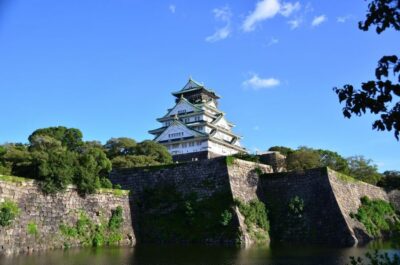
Main Sights and Hidden Spots Guided Walking Tour
Read our review →
Private Osaka Walking Tour: Highlights & Hidden Gems
Read our review →
Five Must-See Highlights Walking Tour & Ramen Lunch
Read our review →
Ancient Capital Tour: Kyoto and Nara Highlights from Kyoto/Osaka
Read our review →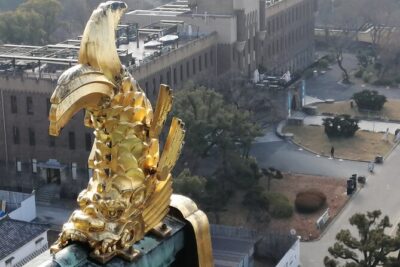
Walking Tour of Osaka’s 5 Must-See Sights, with Ramen for Lunch
Read our review →
Osaka Highlights: 4-Hour Walking Tour with Castle
Read our review →Browse the lists this tour appears in