
Reviewed · KYOTO DAY TRIPS FROM OSAKA
Kyoto Top Four Highlights Day Trip from Osaka or Kyoto
Kyoto’s biggest challenge is not finding beautiful places. It’s fitting them together. This nine-hour day trip links Nijo Castle, Kinkaku-ji, Arashiyama, and Fushimi Inari from Osaka or Kyoto, saving you the work of sorting out several train lines and bus connections. You move by air-conditioned vehicle, with a guide keeping the day on schedule.
I like the range here: feudal Japan, Zen gardens, bamboo, Shinto shrines, and old Kyoto streets all share one long day. I also like the practical guidance. Guides such as Theodore, Amy, Brian, Anson, Jackson, Charlie, and Saki have been praised for clear directions, useful local tips, and good control of the schedule.
The trade-off is the pace. You cover a lot of ground, but this is a highlights tour, not a slow look at Kyoto. The vehicle can hold up to 45 people, and one poor experience centered on a large group and difficulty hearing the guide, so people who want quiet, unhurried sightseeing may prefer a smaller private outing.
In This Review
- Key points at a glance
- Why this route works for a first Kyoto day
- Nijo Castle and the sound of the shogun’s palace
- Kinkaku-ji, Kyoto’s Golden Pavilion
- Arashiyama’s bamboo and shrine walk
- Fushimi Inari and the Senbon Torii gates
- How the guide affects the day
- Price, extra fees, and what you really get
- Who should book this Kyoto day trip
- Should you book it?
- FAQ
- Where does the Kyoto day trip depart from?
- How long does the tour last?
- What sights are included?
- Are entrance tickets included?
- Is transportation provided?
- How many people can join the tour?
- Can I cancel for a full refund?
Key points at a glance
- Four major Kyoto areas in one day: Nijo Castle, Kinkaku-ji, Arashiyama, and Fushimi Inari give you a broad first look at the city.
- Several Arashiyama sights in one walk: The bamboo forest, Nonomiya Shrine, Kimono Forest, Togetsukyo Bridge, and Rilakkuma Tea House are grouped into one western Kyoto stop.
- Useful for Osaka visitors: An air-conditioned vehicle removes the need to plan a complicated Osaka to Kyoto day by rail and bus.
- A guide-led but flexible format: You receive explanations and directions, then have time to explore each place on your own.
- Budget price with extra entrance fees: The $67 fare does not include Nijo Castle or Kinkaku-ji admissions, which add ¥1,800 per person.
- Best for a first Kyoto visit: You can check off the city’s most famous sights, though the schedule leaves little room for lesser-known temples or long meals.
Why this route works for a first Kyoto day
Kyoto is spread across several districts, and its famous sights are not arranged in a neat walking loop. Nijo Castle sits near the center, Kinkaku-ji is farther northwest, Arashiyama lies on the western edge, and Fushimi Inari is south of the central city.
That geography makes this tour useful. Instead of spending your day studying train maps and bus routes, you ride between the main areas and get basic orientation from a guide. For a first visit, that can be worth more than the price of a single extra temple.
The tour runs for about nine hours. That sounds long, but the route is full. You have roughly an hour at Nijo Castle, 40 minutes at Kinkaku-ji, about two hours around Arashiyama’s listed sights, and 70 minutes at Fushimi Inari, plus driving time and a lunch break.
The day is structured, but not every minute is guided. Several stops give you free time to walk, take photos, browse, or eat. That balance works well if you want direction without having a guide narrate every step.
More day trips over to Kyoto:
- Osaka/Kyoto: Hiroshima Miyajima Bus Tour & Shinkansen Ticket
★ 4.7 · 919 reviews - Ancient Capital Tour: Kyoto and Nara Highlights from Kyoto/Osaka
★ 4.5 · 332 reviews - Osaka/Kyoto: Amanohashidate & Miyama Tour with Boat & Lunch
★ 4.6 · 207 reviews
Nijo Castle and the sound of the shogun’s palace
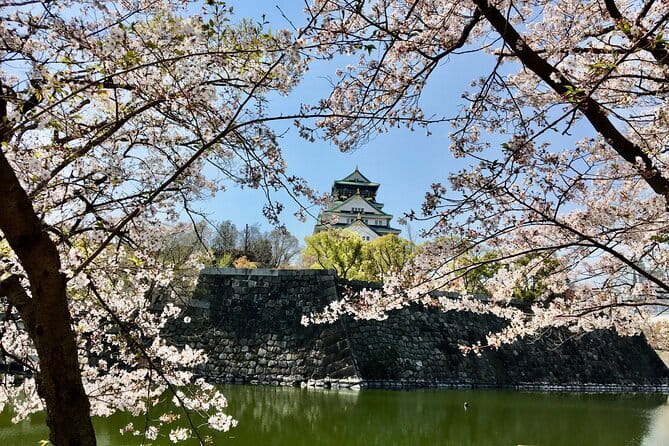
Nijo Castle was built in 1603 as the Kyoto residence of Tokugawa Ieyasu, the first shogun of the Edo Period. It is one of Kyoto’s strongest places for understanding how military power and courtly life met in the old capital.
You have about one hour here. That is enough for a focused visit, especially if you pay attention to the palace buildings and their decorative interiors. The castle’s palace architecture is considered among the best surviving examples from Japan’s feudal era, and the site became a UNESCO World Heritage site in 1994.
The main practical point is that admission is not included. Entry to Nijo Castle and the Ninomaru Goten Palace costs ¥1,300 per person. If you want to see the palace interiors, budget for that fee rather than treating the castle grounds as a free photo stop.
This is an important early stop because it gives the day historical weight. You are not seeing only scenic Kyoto. You are also seeing the political center used by the shogun, with an architectural style that feels different from the later temple and shrine settings.
Kinkaku-ji, Kyoto’s Golden Pavilion
Kinkaku-ji is the stop most likely to dominate your camera roll. The Zen Buddhist temple is famous for its gold-covered exterior, which reflects in the surrounding garden setting and gives the place its familiar name, the Golden Pavilion.
You get about 40 minutes here, with admission separate from the tour price. Entry costs ¥500 per person. That short visit is enough to see the pavilion and walk through the grounds, but you should not expect a long, contemplative temple visit.
The appeal is visual and immediate. Kinkaku-ji offers one of Kyoto’s clearest images, the kind of sight that explains why the city is on so many first-time Japan routes. The drawback is equally clear: its fame brings crowds, and your time is limited.
I would use the guide’s introduction to understand what you are seeing, then focus on the garden path and the best views of the pavilion. If you need extended time for photography or a quiet garden walk, you may find this stop too brief.
Arashiyama’s bamboo and shrine walk
Arashiyama is the longest cluster of stops. It is a western Kyoto district known for natural beauty, historic sites, and views along the Katsura River. The schedule breaks the area into several short visits, so you can see more than the bamboo grove alone.
The bamboo forest receives about 40 minutes. Tall bamboo stalks line the path, creating the cool, shaded setting that has become one of Kyoto’s most recognizable scenes. The time is enough to walk through part of the grove and take photos, but it is not enough for an extended wander through every nearby lane.
Nonomiya Shrine follows, with about 20 minutes. This small Shinto shrine is distinctive for its black torii gate, unlike the vermilion gates commonly associated with Japanese shrines. Its connection with the Arashiyama area adds a quieter religious stop after the more heavily photographed bamboo path.
The Kimono Forest takes another 20 minutes. This installation uses 600 clear acrylic cylinders, each about two meters tall, decorated with colorful kimono fabrics. It is a modern display rather than an old temple, and that contrast helps show Kyoto’s mix of traditional craft and contemporary public art.
Togetsukyo Bridge gets about 15 minutes. The bridge crosses the Katsura River and is Arashiyama’s best-known landmark. Its origins reach back to the Heian Period, from 794 to 1185, although the current bridge was most recently rebuilt in the 1930s.
This is a quick stop, so think of it as a chance to see the bridge and river setting rather than a full riverside outing. You may find the view more rewarding than the amount of time suggests, especially if you enjoy simple city scenes over elaborate monuments.
The Rilakkuma Tea House and shop receives about 15 minutes. Rilakkuma means bear in a relaxed mood, and the café and shop bring a playful character to the Arashiyama route. This stop will appeal most if you like Japanese character goods, themed cafés, or a light break from temples and shrines.
Taken together, these stops make Arashiyama more varied. You get bamboo, Shinto tradition, textile design, a historic bridge, and a modern character café. The weakness is that each visit is short, and you may spend part of your free time checking the clock and finding the meeting point.
More highlights and hidden gems tours:
- Osaka Kickstart: Hotspots & Hidden Gems Tour
★ 5.0 · 1,306 reviews - Ultimate Osaka Walking Tour: Castle, Dotonbori & Hidden Gems
★ 5.0 · 862 reviews - Osaka: Main Sights and Hidden Spots Guided Walking Tour
★ 4.9 · 702 reviews - Private Osaka Walking Tour: Highlights & Hidden Gems
★ 5.0 · 569 reviews
Fushimi Inari and the Senbon Torii gates
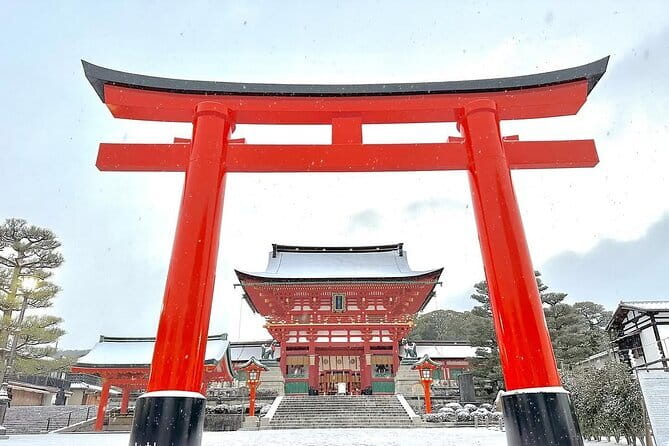
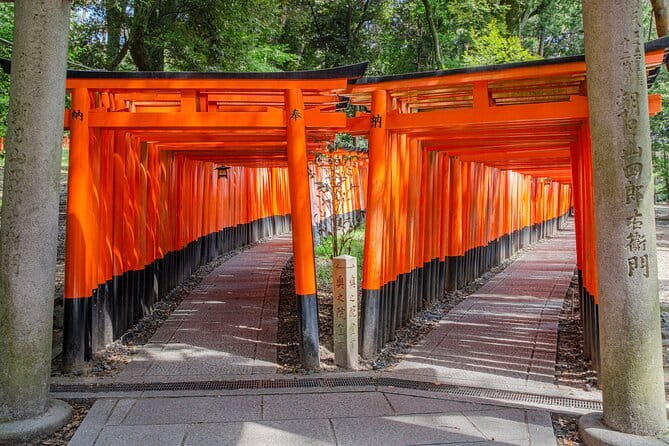
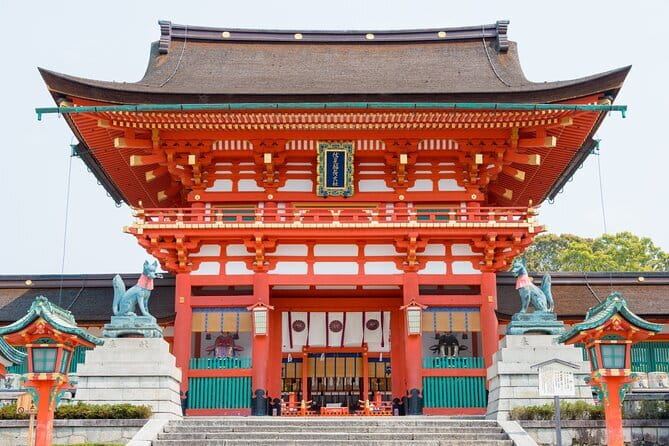
Fushimi Inari Taisha is the final listed stop and one of Kyoto’s most memorable sights. It is the head shrine of the approximately 30,000 Inari shrines found across Japan, dedicated to the Shinto god of rice.
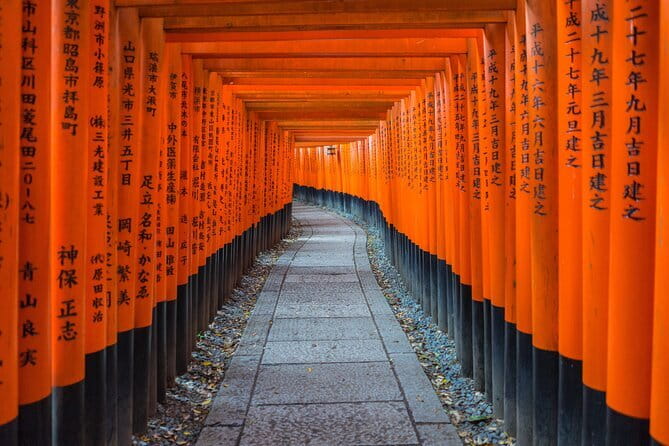
The shrine is famous for Senbon Torii, the long passages formed by thousands of vermilion torii gates. You have about 70 minutes here, making this one of the more substantial single stops of the day.
Use the time according to your energy. You can walk through the lower gates for the classic experience, or continue uphill if you want a longer route. The supplied timing does not promise a climb to the summit, so do not plan on completing every trail before returning to the vehicle.
This stop comes last, which matters. One person missed Senbon Torii after leaving the group midway through the day. You should keep enough time for the final meeting instructions, even if you decide not to walk far up the mountain.
The late placement also gives Fushimi Inari a strong finish. After castles, gardens, bamboo, and a golden temple, the repeating gates create a very different visual rhythm. It is a fitting final look at Kyoto’s religious traditions.
How the guide affects the day
The guide is central to this experience. You are not buying transport alone. You are paying for someone to explain the sites, give directions, manage meeting times, and help a large group move through a busy day.
Several guides have received specific praise. Theodore was noted for sending clear WhatsApp instructions the day before, asking about motion sickness, arranging front seats when needed, and translating between English and Mandarin. Brian was praised for explaining how to get around each attraction and how to return to the vehicle on time.
Anson was valued for thorough explanations and keeping a large group informed. Amy was described as organized, friendly, and helpful, while Jackson, Charlie, Saki, and others were praised for clear historical explanations and a cheerful manner.
Guide quality can vary from one departure to another. One low score reported difficulty understanding a guide’s heavy accent and felt the group was too large. That is worth taking seriously, even though the guide was also described as kind and the problem may have been partly about group conditions.
The most useful approach is to stay close to the meeting instructions and ask questions early. If you have motion sickness, mention it when booking or in advance, as the tour has accommodated front seating. If you book separately from relatives or friends, tell the provider at least one day ahead so you have a better chance of being placed in the same vehicle.
Price, extra fees, and what you really get
The listed price is $67 per person. For a nine-hour outing covering several Kyoto districts, that is a reasonable price if you value convenience and want to see the headline sights in one day.
You must add ¥1,300 for Nijo Castle and the Ninomaru Goten Palace, plus ¥500 for Kinkaku-ji. That makes ¥1,800 in required listed admission costs per person if you enter both paid sites. Lunch is also separate.
The value depends on your alternative. Independent rail travel can cost less in some cases, but you would need to plan the route, manage transfers, find each entrance, watch the time, and coordinate the return. If you are staying in Osaka or have only one free Kyoto day, the vehicle and guide may justify the fare.
This is less compelling for a visitor already staying in Kyoto who enjoys planning public transport and wants to spend half a day in one district. You could give Arashiyama or Fushimi Inari much more time on your own.
Who should book this Kyoto day trip
I would choose this tour if you are visiting Kyoto for the first time, staying in Osaka, or trying to fit the city into a tight Japan schedule. It suits people who want the main sights explained and organized without paying for a private guide.
It also works for families and mixed-age groups who prefer an air-conditioned vehicle to repeated train and bus changes. Most people can participate, and mobile tickets make the booking process simple.
You should think twice if you dislike fixed schedules, large-group movement, or short visits. A maximum of 45 people is allowed, and even when the actual group is smaller, you still need to leave each site at the appointed time.
Bring comfortable shoes and keep your lunch expectations flexible. The schedule provides time for independent dining, but no restaurant or meal is included. Also check the meeting instructions carefully, especially for luggage or a stroller, since the provider asks you to report those details when booking.
Should you book it?
Book this trip if your goal is to see Kyoto’s greatest hits in one organized day. Nijo Castle, Kinkaku-ji, Arashiyama, and Fushimi Inari offer a strong mix of history, religion, scenery, and modern Japanese culture, and the route is difficult to arrange smoothly without planning.
Skip it if your ideal Kyoto day means lingering in gardens, browsing small streets, or hiking deep into Fushimi Inari. At $67, plus ¥1,800 in admissions and your own lunch, the tour offers good coverage rather than deep exploration.
For most first-time visitors with limited time, I would book it, arrive ready to follow the clock, and treat the day as an introduction. Then, if Kyoto pulls you back, return independently to the place that deserves more time.
FAQ
Where does the Kyoto day trip depart from?
The experience offers departure from Osaka or Kyoto. The precise meeting point depends on the option selected when booking.
How long does the tour last?
The tour lasts approximately nine hours.
What sights are included?
The route includes Nijo Castle, Kinkaku-ji, Arashiyama, the Arashiyama Bamboo Forest, Nonomiya Shrine, the Kimono Forest, Togetsukyo Bridge, the Arashiyama Rilakkuma Tea House, and Senbon Torii at Fushimi Inari Taisha.
Are entrance tickets included?
No. Nijo Castle and the Ninomaru Goten Palace cost ¥1,300 per person, and Kinkaku-ji costs ¥500 per person. Lunch is also not included.
Is transportation provided?
Yes. The tour includes transportation in an air-conditioned vehicle and the services of a guide.
How many people can join the tour?
The maximum group size is 45 people.
Can I cancel for a full refund?
Yes, you can cancel at least 24 hours before the experience start time for a full refund. Cancellations or changes made less than 24 hours before the start time are not accepted for a refund.
More 1-Day Tours in Osaka
- Kyoto and Nara Day Trip from Osaka
★ 4.0 · 175 reviews - Hiroshima & Miyajima 1 Day Bus Tour with Bullet Train Tickets
★ 4.5 · 105 reviews - From Osaka: Hiroshima and Miyajima Day Trip by Bullet Train
★ 4.6 · 83 reviews - Amanohashidate & Ine Funaya Sightseeing Full Day Trip from Kyoto
★ 4.5 · 62 reviews
Just added around Osaka
- Guided Tour of Some Attractions in Osaka by Private Car★ 5.0 · 3 reviews
- Nara Day Trip from Osaka with a Licensed Guide★ 5.0 · 3 reviews
- Osaka Early Morning Osaka Castle Tour Avoid Crowds★ 5.0 · 3 reviews
- Private Transfer Between Kyoto and Kansai Airport KIX★ 5.0 · 3 reviews
- Shared Arrival Transfer: Osaka Itami Airport to Osaka City★ 5.0 · 3 reviews
- Osaka: Sushi Making Class and Dotonbori Food Tour★ 4.7 · 3 reviews
- Osaka Night Photography Workshop★ 5.0 · 3 reviews
- Kyoto Full day Tour Kinkakuji, Kiyomizu-dera and Fushimi Inari★ 4.5 · 3 reviews
Kyoto Day Trips from Osaka, compared.

Osaka/Kyoto: Hiroshima Miyajima Bus Tour & Shinkansen Ticket
Read our review →
Ancient Capital Tour: Kyoto and Nara Highlights from Kyoto/Osaka
Read our review →
Osaka/Kyoto: Amanohashidate & Miyama Tour with Boat & Lunch
Read our review →

Sagano Romantic Train & Arashiyama, Kiyomizudera, Fushimi Inari Taisha Day Tour
Read our review →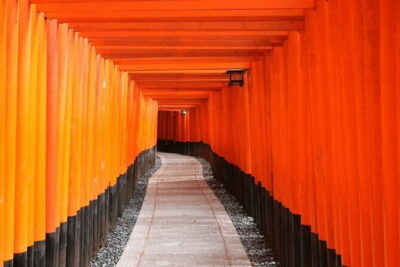
Full Day Tour of Kyoto with Private Transportation
Read our review →
Kyoto & Nara Private customized tour with English speaking Guide
Read our review →Full Day Kyoto Tour : Bamboo Forest, Golden Temple, Fushimi Inari
Read our review →Browse the lists this tour appears in