
Reviewed · OSAKA STREET FOOD TOURS
Food crawl: Discover Osaka’s soul with every step!
Osaka’s food culture makes most sense one small stop at a time, and this three-hour crawl gives you a local guide to help choose those stops. You may browse a shopping street, try gyoza or sushi, sample kushikatsu, and hear about Osaka’s local culture along the way. The route can change to suit your interests rather than following a fixed menu.
I like the small group of up to eight and the chance to visit places you might not find online. I also like the flexible format: guides such as Victor, Marino, Kota, Kuni, and Sebastiano have taken visitors to different food spots, with one route even including a temple visit. The main drawback is that the $51 fee does not include food or transport, and the underground meeting point in Namba Walk can be hard to locate.
In This Review
- Key points at a glance
- Why Osaka food works best as a walking meal
- Following the daytime route from 11:00 to 14:00
- The evening route from 17:00 to 20:00
- What you may eat, and what you pay for
- Custom requests make the tour more useful
- The guides and the value of local conversation
- Finding Osaka JOINER in Namba Walk
- Who will get the most from this food crawl
- Booking details worth knowing
- Should you book this Osaka food crawl?
- FAQ
- How long does the Osaka food crawl last?
- Where is the meeting point?
- Is food included in the $51 price?
- What foods might I try?
- How many people can join the tour?
- Can I request foods or provide dietary information?
Key points at a glance
- Local food beyond the obvious: Try Osaka favorites such as okonomiyaki and kushikatsu, with possible stops for gyoza, sushi, and other street foods.
- A route shaped around you: Share a food interest or preferred neighborhood in advance, or let the guide suggest places popular with local residents.
- Small-group setting: The tour is limited to eight people, making it easier to ask questions and adjust the pace.
- Day or evening departures: Sample schedules run from 11:00 a.m. to 2:00 p.m. or 5:00 p.m. to 8:00 p.m.
- Bring cash: Some of the shops and eateries may accept cash only, and food is paid separately.
- Allow extra time for Namba Walk: The meeting point is underground, between an NTT docomo shop and Travelex, and one late arrival missed part of the tour.
Why Osaka food works best as a walking meal
Osaka is often associated with big-name dishes, but a food crawl is useful because it connects the dish to the place where people actually eat it. Instead of sitting down for one large meal, you move through local shopping streets, shops, and small eateries, taking in several tastes over a few hours.
That format suits Osaka particularly well. Okonomiyaki, kushikatsu, gyoza, sushi, and street snacks each offer a different view of the city’s eating habits. You are not simply ordering from a list. Your guide can explain what to try, help with choices, and point out places that are easy to miss if you are relying only on internet searches.
The tour also leaves room for ordinary local contact. You may speak with shop staff and interact with people eating in the same places. That can be more useful than a formal food lecture because you see how the meal fits into daily life.
I would keep your expectations practical. This is not a premium tasting menu with every dish prepaid. It is a guided outing in which you pay $51 for the guide and organization, then cover your own food and any transport. The final cost depends on how much you eat and where the group goes.
More street food walks and tastings:
- Osaka: Shinsekai Food Tour with 13-15 Dishes at 5 Eateries
★ 4.8 · 2,204 reviews - Osaka Food Tour: 13 Dishes at 5 Local Eateries
★ 5.0 · 2,149 reviews - Hungry Osaka Street Food Tour:15 Tastings & 3 Drinks with a Local
★ 5.0 · 1,727 reviews
Following the daytime route from 11:00 to 14:00
The daytime example begins at 11:00 a.m. at the Osaka JOINER storefront in Namba Walk. Around 11:10, the group starts eating and shopping in local shopping streets or similar areas.
This opening section gives the guide room to read the group. If you have asked for a certain kind of food or a particular place, this is when the route can begin to reflect that request. If you arrive without a plan, the guide can recommend local places instead.
The shopping element matters. You may pick up souvenirs while looking at food shops, and you get a feel for the neighborhood before settling into a meal. I would not expect every stop to be a full restaurant visit. The wording of the schedule suggests a mixture of walking, shopping, and smaller food experiences.
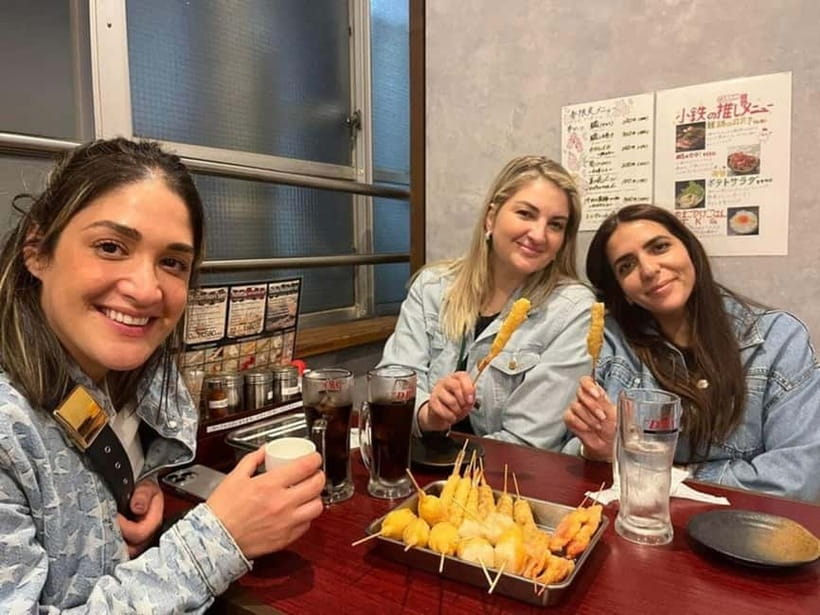
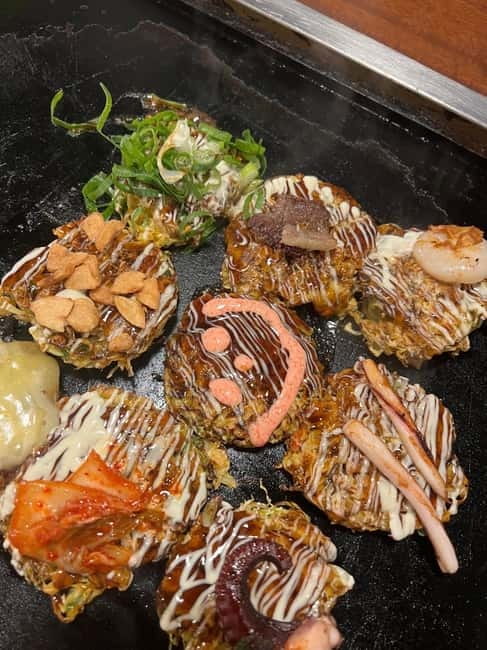
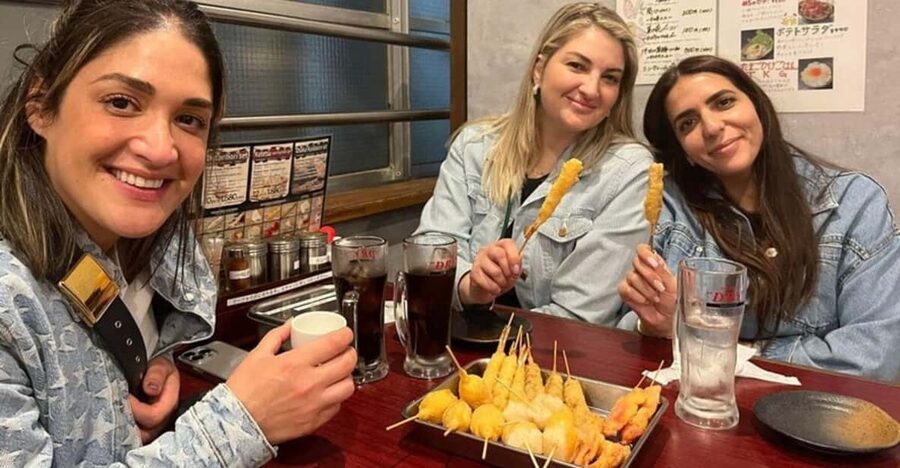
At about 12:10, the route may move to local okonomiyaki, kushikatsu, or similar Osaka specialties. Okonomiyaki gives you a savory pancake-style dish associated with the city, while kushikatsu is food on skewers that is coated and deep fried. One outing also included a gyoza restaurant, a sushi restaurant, and a typical skewer-based fried food stop.
The appeal is variety. Gyoza offers a focused stop, sushi changes the texture and style of the meal, and kushikatsu brings you one of Osaka’s familiar street-food traditions. Since food is not included, you can ask the guide about portion sizes and avoid ordering more than you want.
The daytime schedule ends around 2:00 p.m. That timing can work well if you want an afternoon free for sightseeing. It also means you should not treat the crawl as a quick snack before lunch. Eat lightly beforehand so you have room to sample several places.
The evening route from 17:00 to 20:00
The evening version begins at 5:00 p.m. and ends around 8:00 p.m. It follows a similar three-hour structure, but the timing gives the food crawl a different feel.
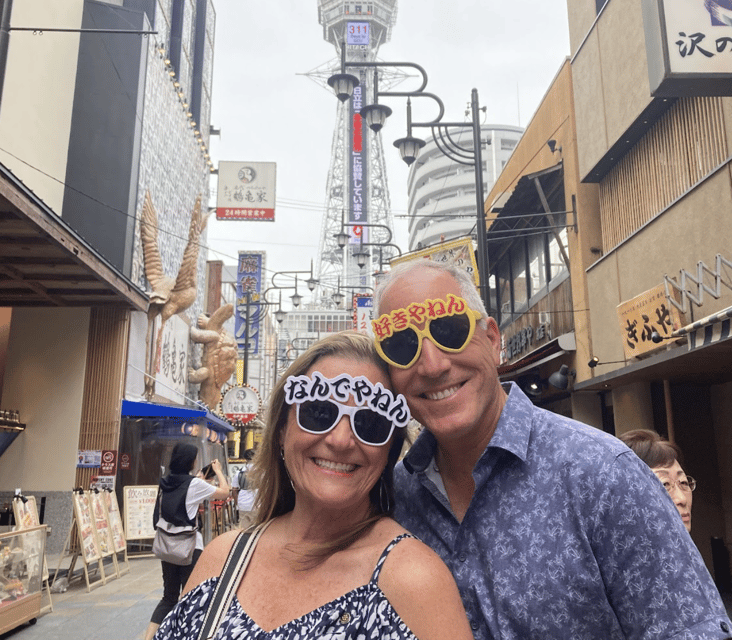
The first part includes walking around a local town, eating local food, picking up souvenirs, and trying a back street. This can be a good choice if you want to see Osaka after the working day has begun to wind down. The guide may use the evening to show you smaller streets and neighborhood stops rather than concentrating only on major sights.
Around 6:10 p.m., the group may sit down for local okonomiyaki, kushikatsu, or another recommended meal. An evening route is likely to suit you if food is one of the main events of your night, rather than something fitted between daytime attractions.
There is also a social benefit to the evening schedule. With up to eight people, you have a reasonable chance to talk with the rest of the group without the outing becoming a large organized march. A family found that a guide tailored the hot spots to their preferences, while another group formed a good connection with the guide and other participants.
The tradeoff is that this is a full evening commitment. If you have a timed dinner reservation or a show, the three-hour schedule may be too tight. The listed dismissal time is 8:00 p.m., but you should still allow for the pace of the group and the time needed to pay for food at each stop.
What you may eat, and what you pay for
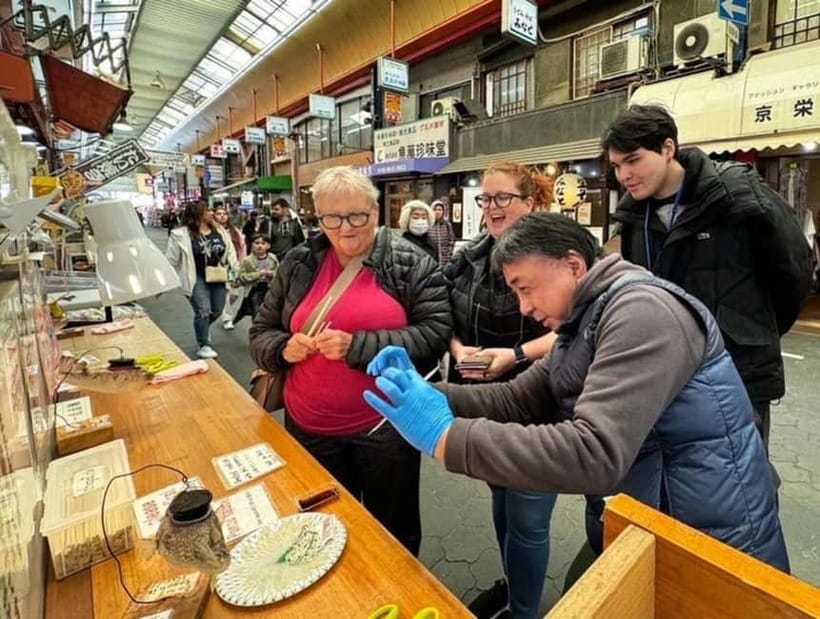
The food choices are the heart of the experience, but the exact lineup is not fixed. The examples include okonomiyaki, kushikatsu, gyoza, sushi, street foods, and deep-fried skewers. You can also request a particular place or type of food if you have a firm idea in mind.
That flexibility is a real strength. A person who wants to focus on Osaka specialties can say so. Someone who has already eaten okonomiyaki may ask for a different direction. The guide can recommend places that are not easy to locate online, though you should understand that a requested restaurant cannot be guaranteed unless the operator confirms it.
The $51 price is reasonable if you value local guidance and would otherwise spend time searching for places. It becomes less attractive if you are mainly looking for a prepaid meal, because food expenses are separate. Transport is separate too.
Think of the fee as payment for three hours of route planning, translation help, local recommendations, and company while you order. You are also paying for the chance to make several small decisions with someone who knows the area. If you would happily wander and order on your own, you may prefer to keep the $51 for meals.
Bring enough cash. Some shops may accept cash only, and having to leave the group to find an ATM would interrupt the outing. I would also carry a small amount of extra money beyond your food budget, since the route may include a souvenir or an unexpected stop that catches your eye.
A completely different way to spend a day in Osaka:
- Osaka Go Karting Tour with Funny Costume
★ 5.0 · 2,658 reviews - Osaka Castle: Museum and Tower Entry Ticket
★ 4.5 · 2,380 reviews - Osaka: Tea Ceremony Experience
★ 4.9 · 1,426 reviews - Osaka Kickstart: Hotspots & Hidden Gems Tour
★ 5.0 · 1,306 reviews
Custom requests make the tour more useful
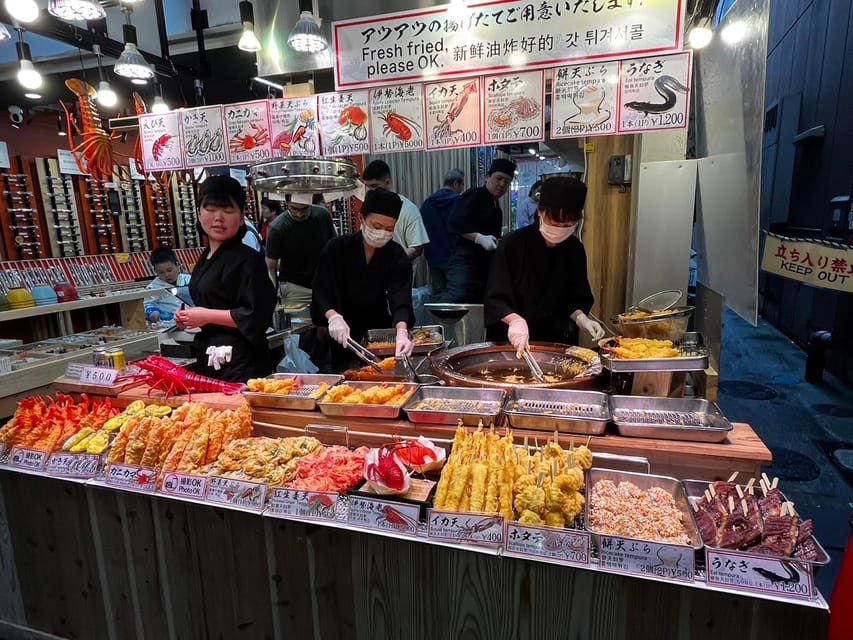
The operator invites you to customize the experience. That does not mean every detail is guaranteed, but it gives you a useful way to shape the three hours.
Tell the guide in advance if you have a particular food interest, neighborhood request, or cultural aim. You might want to focus on street food, spend more time in shopping streets, try classic Osaka dishes, or include a temple visit. One outing included a temple as part of the route, so the experience is not limited to eating.
If you have no firm plan, that is fine. The guides can recommend places where local people go. This option may suit first-time visitors who are unsure what to do in Osaka, especially if you want an introduction before exploring independently.
Dietary information should be shared ahead of time. The tour specifically asks you to report allergies or religious dietary restrictions in advance. Do not assume that every restaurant can accommodate a restriction. The guide needs notice to make sensible choices and may need to adjust the route.
The same applies to children, older relatives, or anyone who prefers less walking, though the available information does not specify a formal accessibility plan. Ask before booking if your group needs a particular pace or route.
The guides and the value of local conversation
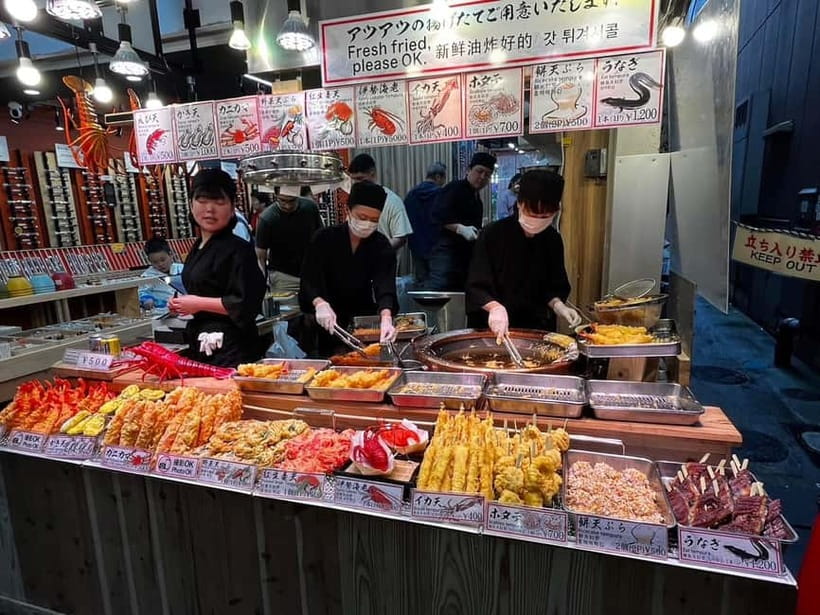
The guide quality is one of the strongest reasons to book. Victor was described as explaining local culture and history while taking the group to several food spots. Sebastiano was praised for friendly recommendations after a difficult start at the meeting point. Marino was described as warm and fun, while Kota tailored an evening route to a family’s preferences. Kuni was also singled out for being friendly and helpful.
The guide names may change with the date, but these examples show the sort of role you should expect. This is not just someone leading you from one address to the next. The guide is meant to connect you with local food, staff, and neighborhood life.
English and Japanese are offered. That is valuable at smaller eateries where menu explanations may be limited. It can also make ordering less stressful when you are trying unfamiliar dishes or need to explain a dietary concern.
The social side is worth noting too. You may interact with local customers and shop staff, but the level of conversation will depend on the places visited and the people there. Consider it an opportunity, not a staged cultural performance.
Finding Osaka JOINER in Namba Walk
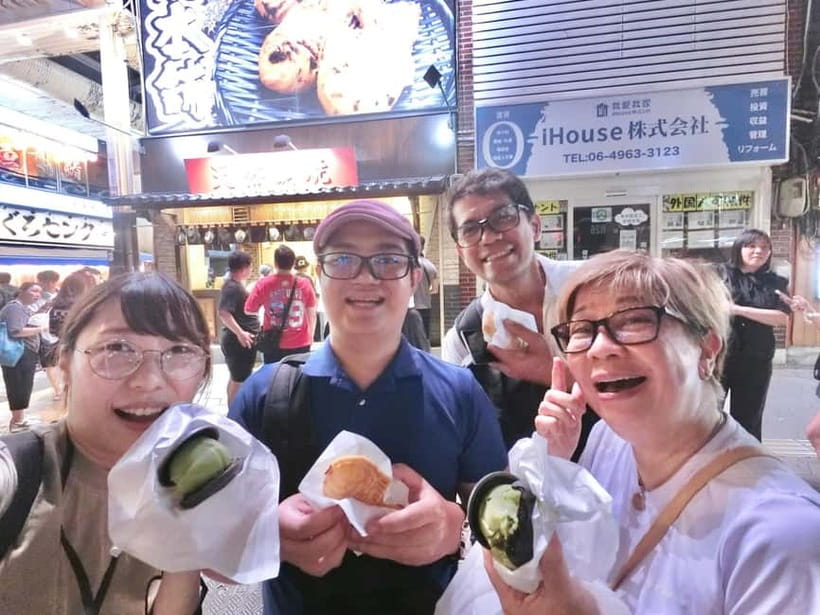
The meeting point deserves careful attention. Osaka JOINER is inside Namba Walk at 5-2 Nijinomachi, 1-chome Sennichimae, Chuo-ku, Osaka. The storefront is underground, between an NTT docomo shop and Travelex.
Namba Walk is a busy underground shopping area with two walkways, which can make the address confusing even if you are already in the general Namba district. One person arrived late after having trouble finding the correct stretch of the passage and missed the beginning of the tour.
My advice is simple: reach Namba Walk early and give yourself at least 30 extra minutes to locate the shop. Do not wait until the official start time to begin searching. Once you find the storefront, the meeting point should be clear, but getting there is the part that needs planning.
Because the tour may start with food shopping or walking, arriving late could mean more than missing introductions. You could miss the first stop entirely. Keep the meeting address available on your phone, but also allow time to ask for directions inside the station and underground mall.
Who will get the most from this food crawl
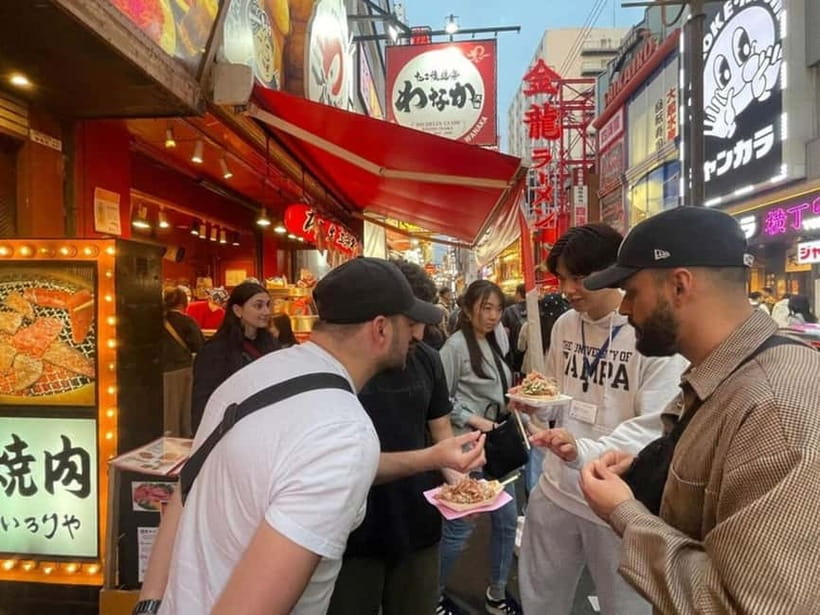
This experience is a good match for first-time visitors who want an easy introduction to Osaka food without planning every restaurant themselves. It also works for people who enjoy small portions, several stops, and local conversation more than one formal meal.
I would especially consider it if you:
- Want to try okonomiyaki, kushikatsu, gyoza, sushi, or local street foods
- Prefer a small group to a large bus-style outing
- Like the option of changing the route around your interests
- Want help finding places that are not obvious online
- Are comfortable paying separately for food and transport
- Can bring cash and allow extra time for the meeting point
It may be less suitable if you need a precise menu, a fixed restaurant reservation, or an all-inclusive price. It is also not the best fit if you want to spend the full three hours at one restaurant. The format is about movement, choice, and several food experiences.
The 4.9 rating from 15 reviews suggests a strong early record, but the small number means you should still weigh the practical details. The most consistent praise is for friendly guides, good food choices, and personalized routes. The clearest warning concerns the meeting point, not the food itself.
Booking details worth knowing
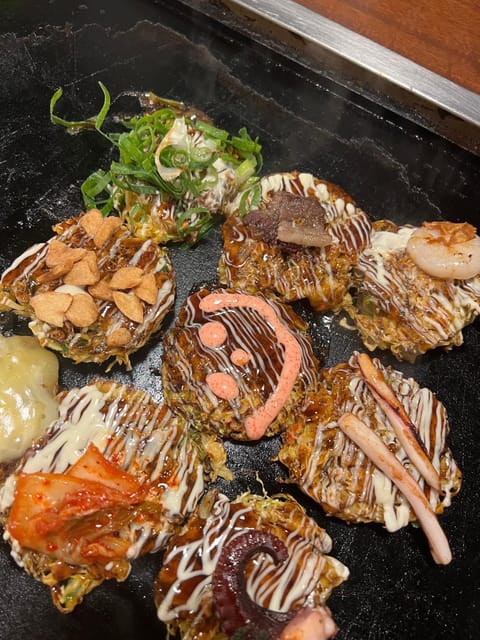
The activity lasts three hours, with example start times of 11:00 a.m. and 5:00 p.m. Availability determines the actual starting options. The group is limited to eight participants, and the live guide speaks English and Japanese.
You can reserve now and pay later, which helps if your Osaka schedule is still changing. Free cancellation is available up to 24 hours before the start time for a full refund.
The main preparation list is short: bring cash, share dietary restrictions in advance, and arrive early at Osaka JOINER. Since food costs are not included, decide before the tour how much you want to spend. That will make it easier to enjoy the stops without worrying about the bill at every counter.
Should you book this Osaka food crawl?
Book it if you want local guidance, flexible food choices, and a small group rather than a prepaid restaurant tour. The strongest part is the chance to combine familiar Osaka dishes with less obvious shops, while a guide explains the local setting and helps you order.
Skip it if you want a guaranteed list of restaurants or a single price covering all meals. Also skip it if you cannot manage the underground meeting point without extra time. For everyone else, $51 is a fair fee for three hours of food advice, local connections, and a route you can help shape. Just arrive early, carry cash, and come hungry.
FAQ
How long does the Osaka food crawl last?
The activity lasts three hours. Example schedules run from 11:00 a.m. to 2:00 p.m. or from 5:00 p.m. to 8:00 p.m. Starting times depend on availability.
Where is the meeting point?
Meet at Osaka JOINER inside Namba Walk, 5-2 Nijinomachi, 1-chome Sennichimae, Chuo-ku, Osaka. The storefront is underground, between an NTT docomo shop and Travelex.
Is food included in the $51 price?
No. The $51 price includes the English-speaking guide and customization, but food expenses are separate. Transportation costs are also not included.
What foods might I try?
Possible foods include okonomiyaki, kushikatsu, gyoza, sushi, street foods, and deep-fried skewers. The exact stops can change based on your requests and the guide’s recommendations.
How many people can join the tour?
The tour is a small-group activity limited to eight participants.
Can I request foods or provide dietary information?
Yes. You can request a preferred place or food focus, and you should tell the operator in advance about allergies or religious dietary restrictions.
Just added around Osaka
- Nara Day Trip from Osaka with a Licensed Guide★ 5.0 · 3 reviews
- Osaka Early Morning Osaka Castle Tour Avoid Crowds★ 5.0 · 3 reviews
- Guided Tour of Some Attractions in Osaka by Private Car★ 5.0 · 3 reviews
- Private Transfer Between Kyoto and Kansai Airport KIX★ 5.0 · 3 reviews
- Shared Arrival Transfer: Osaka Itami Airport to Osaka City★ 5.0 · 3 reviews
- Osaka: Sushi Making Class and Dotonbori Food Tour★ 4.7 · 3 reviews
- Osaka Night Photography Workshop★ 5.0 · 3 reviews
- Kyoto Full day Tour Kinkakuji, Kiyomizu-dera and Fushimi Inari★ 4.5 · 3 reviews
Osaka Street Food Tours, compared.
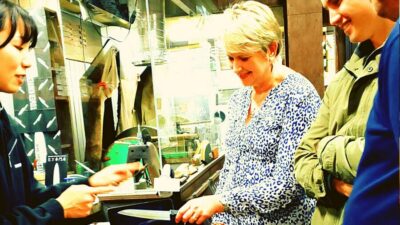
Shinsekai Food Tour with 13-15 Dishes at 5 Eateries
Read our review →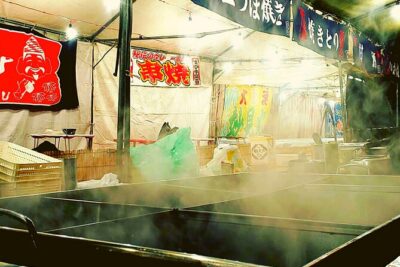
Osaka Food Tour: 13 Dishes at 5 Local Eateries
Read our review →
Hungry Osaka Street Food Tour:15 Tastings & 3 Drinks with a Local
Read our review →
Osaka Local Foodie Walking Tour in Dotonbori and Shinsekai
Read our review →
Hungry Osaka Street Food Tour: 15 Dishes & 3 Drinks
Read our review →
Kuromon Market Food Walking Tour in Osaka (6 stops, 6 tastes)
Read our review →
Guided Food Tour with 12 Dishes at 4 Local Eateries
Read our review →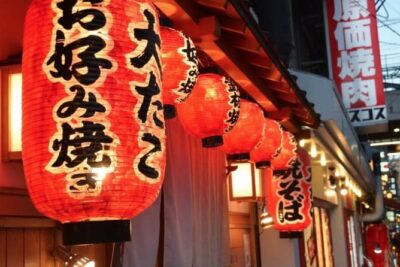
Browse the lists this tour appears in