
Reviewed · OSAKA COOKING CLASSES
Traditional Home cooking Experience in Osaka, Japan
Osaka’s Cook, Taste and Enjoy class puts you at the counter with an experienced chef, not just in front of a demonstration. You prepare Japanese home-style food, eat what you make, and get a taste of the social side of cooking in Japan. The small maximum of eight people keeps the class personal, while the use of seasonal ingredients gives the menu a clear connection to the time of year.
I especially like the choice between sukiyaki, tempura, and rolled omelet in Course A, or wagyu roast beef bowl, chicken nanban, and sashimi in Course B. I also like the care given to the rice, which comes from contracted farmers in Minamiuonuma, Niigata, a respected rice-growing area. The main thing to watch is the price, $104.51 per person, and the fact that water is included but other drinks cost extra.
In This Review
- Key points to know before you book
- What the Osaka cooking class is really about
- Choosing Course A or Course B
- Course A: sukiyaki, tempura, and rolled omelet
- Course B: wagyu roast beef bowl, chicken nanban, and sashimi
- Seasonal ingredients give the class a local rhythm
- Why the rice matters
- Cooking with the chef instead of watching
- Eating the meal you helped prepare
- Price, group size, and what you receive
- Getting there and planning your time
- Who will enjoy this most
- Booking, cancellation, and practical cautions
- Should you book Cook, Taste and Enjoy Osaka?
- FAQ
- Where does the cooking class begin?
- Where does the activity end?
- How long does the class last?
- What menu choices are available?
- Do I choose my course when I book?
- Is the class suitable for a large group?
- Are drinks included?
- Can I cancel for a full refund?
Key points to know before you book
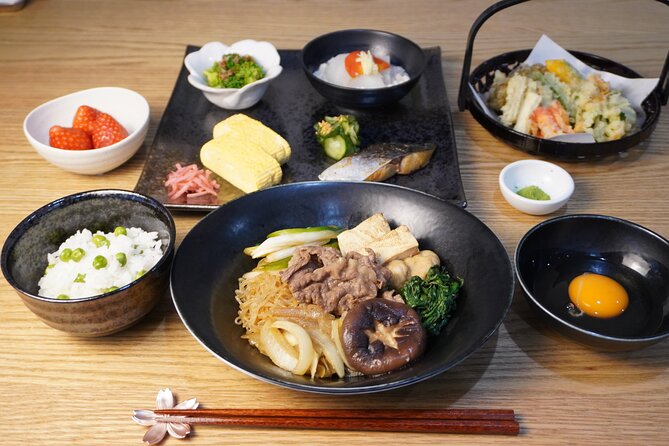
- Two Japanese menus: Choose Course A with sukiyaki, tempura, and rolled omelet, or Course B with wagyu roast beef bowl, chicken nanban, and sashimi.
- Seasonal ingredients: The food changes with Japan’s four seasons, so the exact details may vary.
- Premium Koshihikari rice: Rice is sourced directly from a contracted farmer in Minamiuonuma, Niigata Prefecture.
- Small class size: The maximum is eight people, which should allow more direct help from the chef and staff.
- Cultural extras may appear: One account describes songs and a musical instrument performance with Keiko during a 2.5-hour visit.
- Central Osaka meeting point: The class begins and ends at 2 Chome-13 Nishishinsaibashi, close to public transportation.
What the Osaka cooking class is really about
Many cooking classes are built around recipes, knife work, and a meal at the end. This one puts equal weight on having a good time with the people leading the class. That matters in Osaka, where food is closely tied to conversation, humor, and shared meals.
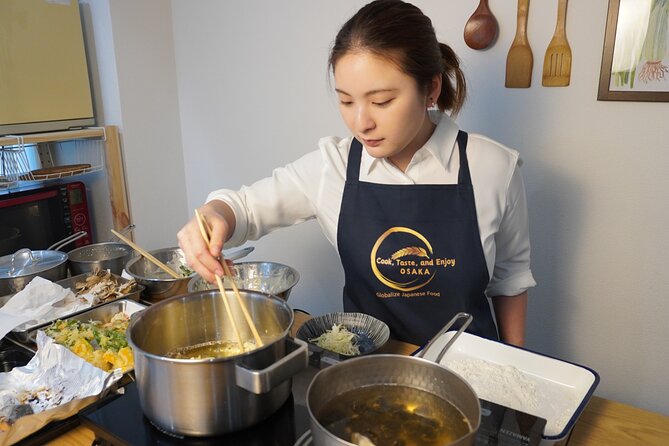
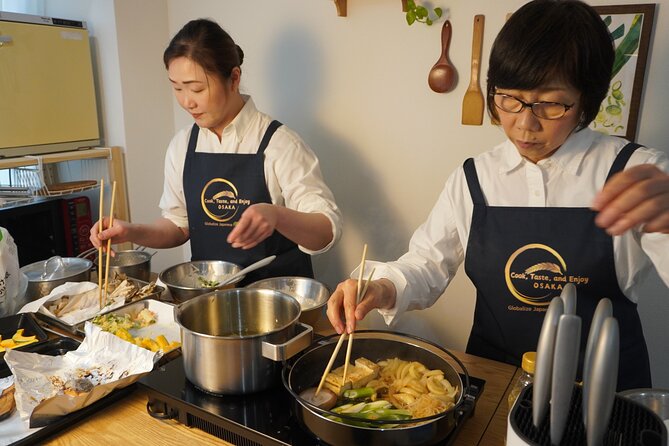
You will cook alongside experienced staff rather than simply watch from a seat. The format suits you if you want something active but not physically demanding, and if you would rather learn a few familiar Japanese dishes than spend half a day in a formal culinary school.
The class lasts about two hours, though one account describes a session of roughly 2.5 hours that also included songs and a musical instrument performance. I would treat two hours as the standard planning time and allow a little extra room in your schedule. The cultural presentation may not be part of every class, so it is best seen as a possible addition rather than a promised feature.
More Japanese home cooking classes:
- Osaka: Ramen and Gyoza Cooking Class in Dotonbori
★ 5.0 · 378 reviews - Osaka: Sumo Stage Show with Bento or Snack + Fight & Photo
★ 4.3 · 364 reviews - Osaka: Traditional Mochi Pounding Experience with Tasting
★ 4.9 · 306 reviews
Choosing Course A or Course B
Your menu choice is the most important decision when booking. Course A centers on sukiyaki, tempura, and rolled omelet. Course B includes wagyu roast beef bowl, chicken nanban, and sashimi.
The class description says both courses involve making two dishes together, yet each menu lists three food items. This may mean some items are combined, served as part of the meal, or handled differently during the session. If you want to know exactly what you will cook from start to finish, confirm the format when you reserve.
Course A: sukiyaki, tempura, and rolled omelet
Course A gives you a broad introduction to several familiar Japanese cooking styles. Sukiyaki is a shared hot-pot dish with a savory, sweet flavor. It works well in a group because everyone can take part in preparing and eating the meal.
Tempura introduces a different skill. The appeal is in the contrast between a light coating and the ingredient inside. The class description does not specify which seasonal foods will be used, so the exact tempura selection may change during the year.
Rolled omelet, known in Japan as tamagoyaki, is simple in its ingredient list but takes practice to shape neatly. It is a useful dish to learn because it appears in home meals, lunch boxes, and casual Japanese cooking. Course A is likely the better pick if you want a spread of classic techniques rather than one main bowl.
Course B: wagyu roast beef bowl, chicken nanban, and sashimi
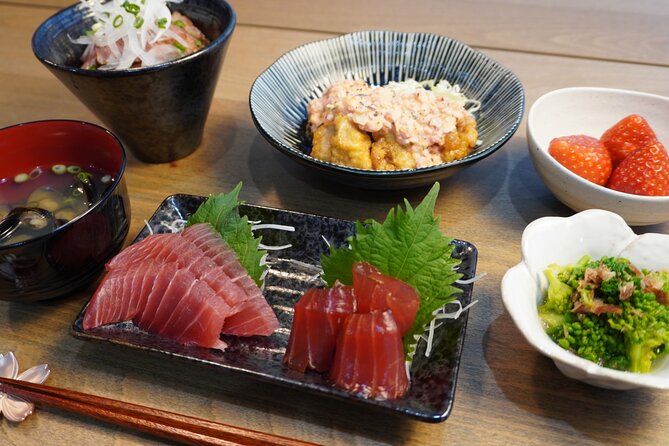
Course B has a more luxurious centerpiece: wagyu roast beef served over rice. The meal combines a premium ingredient with the comfort of a rice bowl, making it a good choice if beef is high on your Osaka food list.
Chicken nanban adds another style of Japanese home cooking. It is associated with fried chicken served with a sweet-sour sauce and tartar sauce, although the exact preparation here is not specified. Sashimi brings a fresh seafood element to the meal.
The people leading this class are described as especially helpful with Course B. One account identifies the host as friendly and easy to talk to in English, while the chef is described as skilled, kind, and attentive. The chef helped prepare the wagyu bowl and chicken nanban, making this menu a strong choice if you want more direct instruction with meat and seafood.
A completely different way to spend a day in Osaka:
- Osaka Go Karting Tour with Funny Costume
★ 5.0 · 2,658 reviews - Osaka Castle: Museum and Tower Entry Ticket
★ 4.5 · 2,380 reviews - Osaka: Shinsekai Food Tour with 13-15 Dishes at 5 Eateries
★ 4.8 · 2,204 reviews - Osaka Food Tour: 13 Dishes at 5 Local Eateries
★ 5.0 · 2,149 reviews
Seasonal ingredients give the class a local rhythm
The ingredients change with Japan’s four seasons. That is more than a marketing detail. Japanese cooking often depends on using food when it is at its best, and a seasonal menu gives you a better sense of how everyday meals are planned in Japan.
You should not expect the exact same produce or garnish at every visit. Instead, the class uses the current season as a guide. This is useful for you as a visitor because it gives the meal a connection to the time of your trip, rather than presenting a fixed menu that could be served anywhere in the world.
The available information does not list the precise ingredients for each month. If you have an allergy, strong dislike, or dietary restriction, ask before booking. The class details only confirm the two course choices and the seasonal approach.
Why the rice matters
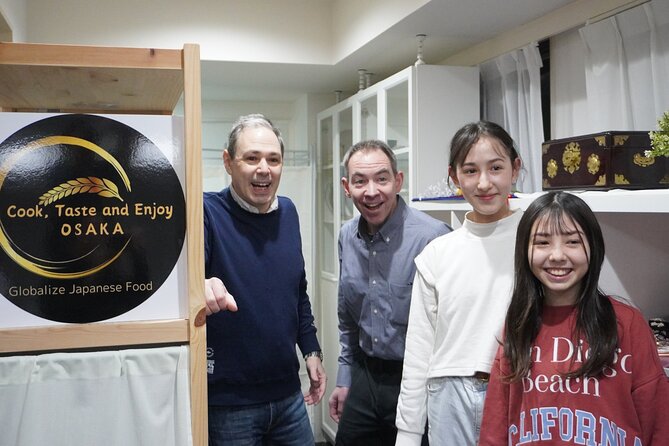
The organizers make a specific point about their rice. They buy Koshihikari rice directly from a contracted farmer in Minamiuonuma City, Niigata Prefecture. Minamiuonuma is known as one of Japan’s leading rice-producing areas, and Koshihikari is prized for its texture and flavor.
Rice is easy to overlook when you are focused on wagyu, tempura, or sashimi. In Japan, though, a bowl of rice is often the base that makes the rest of the meal work. Good rice has enough character to be noticed, but it should also support the other ingredients rather than compete with them.
This detail adds value to the class because you are not only learning a recipe. You are also getting a lesson in how Japanese cooks treat a basic staple. The rice is part of the food story, not just a side dish.
Cooking with the chef instead of watching
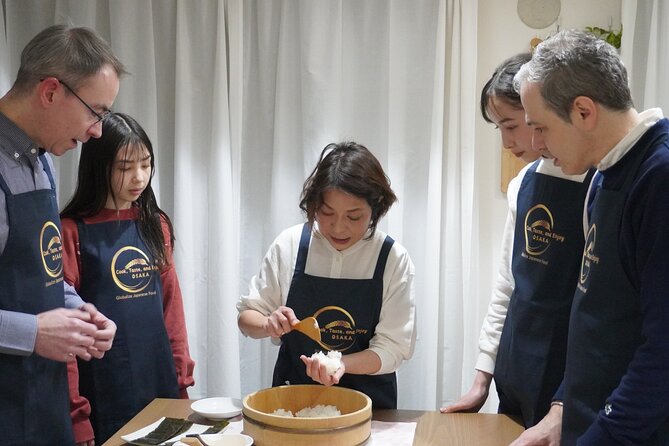
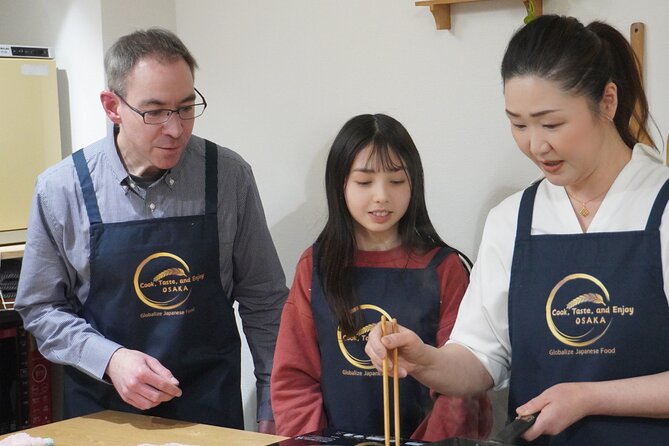
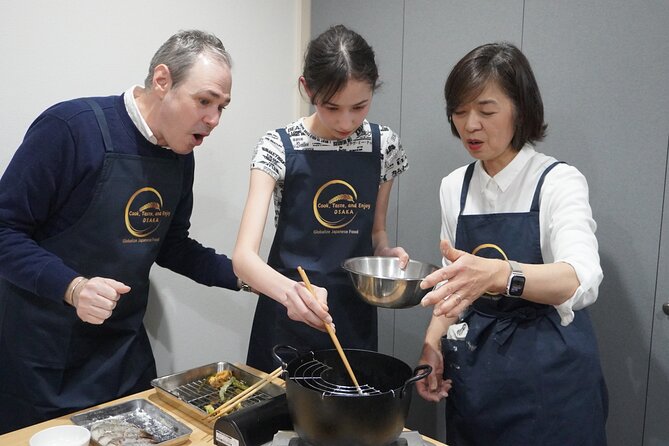
The class is designed around cooking with the staff. That makes the experience more useful than a simple tasting, especially if you enjoy returning home with a technique you can repeat.
You may get guidance with preparation, cooking, and assembling the dishes. The staff are described as experienced and helpful, and the chef works alongside participants. Since the group is capped at eight, you should have a better chance of receiving personal assistance than in a large class.
The experience is also built for conversation. The host is described as having strong English and an easy manner, which can make a big difference when instructions involve unfamiliar ingredients or cooking methods. Still, the supplied details do not name the chef, so you should not expect to choose a particular instructor.
The class also has an entertainment side. A session included songs and a musical instrument performance by Keiko, creating a more social Japanese cultural experience. This sounds like a memorable addition, but it is not clear that Keiko or the performance is included in every two-hour booking.
Eating the meal you helped prepare
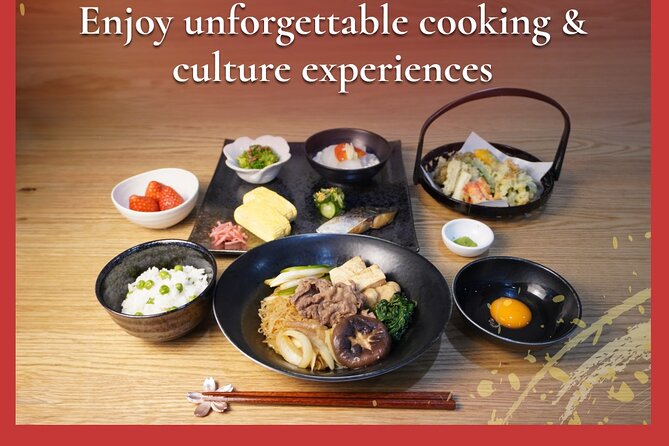
The final meal is the payoff, but it is also part of the lesson. You see how separate ingredients come together and get to judge the result while the cooking steps are still fresh in your mind.
Course A gives you several small elements and different cooking methods. Course B offers a more substantial wagyu bowl alongside chicken and seafood. Neither choice is plainly better. I would choose based on what you most want to eat, since both menus offer a varied introduction to Japanese cooking.
Water is free. Alcoholic drinks are not included, and other drinks are charged separately. If you want beer, sake, or another drink with the meal, add that cost to the advertised price. The supplied details do not state the exact drink prices.
Price, group size, and what you receive
At $104.51 per person, this is not a budget meal. You are paying for instruction, ingredients, a prepared meal, and a small-group setting in central Osaka. The premium rice and wagyu option in Course B also help explain why the cost is higher than a casual restaurant lunch.
The value is strongest if you care about participation. A meal alone may cost less, and a recipe video costs far less, but neither gives you direct help from a chef or the chance to cook with a small group in Osaka.
The maximum of eight people is important. It limits the class size without making it a private lesson. You should have room to ask questions, though the exact amount of individual attention will depend on how many people book and how involved the menu preparation is.
The activity is usually booked about 19 days in advance. That suggests you should reserve ahead, especially if your Osaka dates are fixed or you want a particular course. Confirmation arrives within 48 hours, subject to availability, so leave enough time before the class if you need to adjust plans.
Getting there and planning your time
The meeting point is 2 Chome-13 Nishishinsaibashi, Chuo Ward, Osaka, 542-0086. The activity is near public transportation and returns to the same location at the end.
A return-to-start format is useful on a short Osaka visit. You do not need to arrange a second pickup point, and you can plan another activity nearby afterward. I would still avoid scheduling something that begins immediately after the class, since the standard duration is approximate and one account describes a longer session.
The mobile ticket makes entry simple. Keep the ticket available on your phone, and allow enough time to find the address in Nishishinsaibashi. The information provided does not give a detailed walking route from a particular station, so use the exact address when planning your journey.
Who will enjoy this most
This class is a good match for you if you want to do more than eat your way through Osaka. It works especially well for couples, siblings, friends, and solo visitors who enjoy meeting people around a shared table.
It also suits a short stay. Two hours is enough to fit between sightseeing plans, yet long enough to create a real meal and learn several dishes. The small group and English-speaking host make it more approachable if you are not comfortable navigating a Japanese kitchen alone.
Families may like the hands-on format, but the available details do not state a minimum age or specific child policy. Ask before booking if you are traveling with children.
This is less suitable if you want a highly formal culinary course, a private lesson, or a guaranteed performance by Keiko. It may also disappoint you if you expect a fixed menu, since the ingredients change with the seasons and the course description leaves some uncertainty about how the listed dishes are divided between cooking and serving.
Booking, cancellation, and practical cautions
You can cancel for a full refund if you do so at least 24 hours before the local start time. Cancellations or changes made less than 24 hours before the activity are not accepted for a refund.
The booking is subject to availability, and confirmation is sent within 48 hours. Since the class is often reserved well ahead, I would book once your Osaka schedule is firm, then check the confirmation carefully for your selected course and start time.
If food allergies, dietary needs, or dislikes matter to you, contact the provider before paying. The available information confirms seasonal ingredients, meat, seafood, rice, and the two course choices, but it does not promise substitutions.
Should you book Cook, Taste and Enjoy Osaka?
I would book this class if you want a friendly, hands-on introduction to Japanese home cooking and place more value on participation than on getting the cheapest meal. The best reasons are the eight-person maximum, the direct help from the chef, and the attention to seasonal food and Niigata rice.
Choose Course A for a wider look at classic Japanese cooking, especially if sukiyaki and tempura appeal to you. Choose Course B if wagyu, chicken nanban, and sashimi are the main draw. Before booking, confirm how the listed dishes fit into the stated two-dish format and ask if the music performance with Keiko is scheduled for your session.
At $104.51, this is a special-occasion activity rather than an everyday lunch. For a short Osaka visit, though, it can give you a meal, a practical cooking lesson, and a lively cultural connection in one compact stop.
FAQ
Where does the cooking class begin?
The class begins at 2 Chome-13 Nishishinsaibashi, Chuo Ward, Osaka, 542-0086, Japan.
Where does the activity end?
The activity ends back at the meeting point.
How long does the class last?
The listed duration is about two hours. One account describes a session lasting about 2.5 hours when songs and an instrument performance were included.
What menu choices are available?
Course A features sukiyaki, tempura, and rolled omelet. Course B features wagyu roast beef bowl, chicken nanban, and sashimi.
Do I choose my course when I book?
Yes. You should select Course A or Course B when making your reservation.
Is the class suitable for a large group?
The activity has a maximum of eight participants, so it is intended for a small group rather than a large class.
Are drinks included?
Water is free. Other drinks cost extra, and alcoholic beverages are not included.
Can I cancel for a full refund?
Yes, if you cancel at least 24 hours before the experience start time. Cancellations or changes made less than 24 hours before the start time are not accepted for a refund.
Just added around Osaka
- Nara Day Trip from Osaka with a Licensed Guide★ 5.0 · 3 reviews
- Osaka Early Morning Osaka Castle Tour Avoid Crowds★ 5.0 · 3 reviews
- Guided Tour of Some Attractions in Osaka by Private Car★ 5.0 · 3 reviews
- Private Transfer Between Kyoto and Kansai Airport KIX★ 5.0 · 3 reviews
- Shared Arrival Transfer: Osaka Itami Airport to Osaka City★ 5.0 · 3 reviews
- Osaka: Sushi Making Class and Dotonbori Food Tour★ 4.7 · 3 reviews
- Osaka Night Photography Workshop★ 5.0 · 3 reviews
- Kyoto Full day Tour Kinkakuji, Kiyomizu-dera and Fushimi Inari★ 4.5 · 3 reviews
Osaka Cooking Classes, compared.


Sumo Stage Show with Bento or Snack + Fight & Photo
Read our review →
Traditional Mochi Pounding Experience with Tasting
Read our review →
Osaka Cooking Class: Okonomiyaki &Japanese cuisines experience
Read our review →


Osaka Sake Tasting & Takoyaki Cooking Experience
Read our review →
Cooking Ramen&Gyoza/KatsuCurry/Bento/Okonomiyaki+Store Tour@Osaka
Read our review →Browse the lists this tour appears in