
Reviewed · KYOTO DAY TRIPS FROM OSAKA
Osaka: Kyoto & Nara & Uji Historical and Scenic One-Day Tour
Nara’s deer, Uji’s matcha streets, and Kyoto’s endless red torii gates make this a busy but appealing day out from Osaka. You get three very different sides of Japan without having to plan several train journeys or puzzle over local connections.
I like the door-to-door transport and the chance to see Todaiji, Byodoin, and Fushimi Inari in one trip. I also like the practical human touch: guides such as Mia offer local shopping tips, and one guide used WhatsApp to keep the group connected. The tradeoff is clear: with eight to ten hours covering several cities, you spend a fair amount of time on the road and get only a short visit at some major sights.
In This Review
- Key points at a glance
- What this Osaka to Kyoto day trip is really like
- Nara Park and the deer encounter
- Todaiji and the great bronze Buddha
- Uji River and the taste of matcha
- Byodoin and Uji’s quieter side
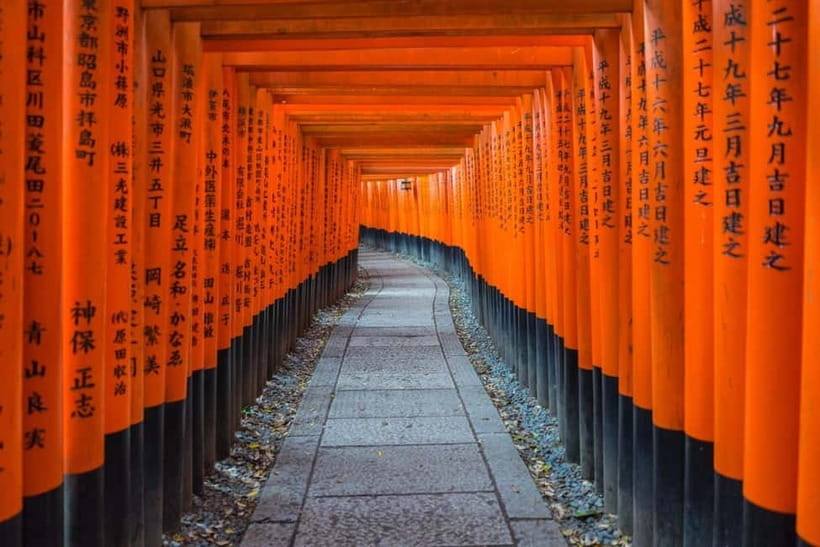
- Fushimi Inari’s red torii corridor
- The guide and the value of organized transport
- A realistic look at the schedule
- Who should book this tour
- Booking flexibility and practical costs
- Should you book it?
- FAQ
- How long does the tour last?
- What destinations does the tour visit?
- Is transportation included?
- Are temple admission fees included?
- Are meals and drinks included?
- What languages are available?
- Where is the meeting point?
- How early should I arrive?
- Can I feed the deer?
- Is the tour suitable for wheelchair users?
Key points at a glance
- Nara’s deer and Todaiji in one morning: Feed the deer in Nara Park, then see the huge bronze Vairocana Buddha at the temple.
- Uji gives the day a slower pause: Walk beside the Uji River, see the Murasaki Shikibu statue, and explore matcha shops and sweets.
- Byodoin admission costs extra: The temple visit is not included, so budget separately for entry.
- Fushimi Inari is a photo stop with walking: You have about 70 minutes to see the famous red torii corridor.
- The transport saves planning time: Round-trip vehicle transport includes tolls, parking, and fuel.
- This is a full day, not a relaxed outing: Traffic, walking, and several city crossings can affect the return time.
What this Osaka to Kyoto day trip is really like
This tour packs Nara, Uji, and Kyoto into one long day from Osaka. The route has a pleasing rhythm: animals and Buddhist architecture in Nara, tea culture and riverside scenery in Uji, then a dramatic shrine visit at Fushimi Inari.
At $56 per person, the main value is transport. You are not paying for temple admission or meals, but you are paying a modest amount to avoid arranging several legs of a complicated day. Tolls, parking, fuel, and a live English or Chinese-speaking guide are included.
I would think of this as a sampler rather than a slow cultural visit. You will see important places and get useful background, but you will not have hours to linger at each one. That makes it a good fit for a first visit to the area, especially if you want an overview before returning to your favorite place on your own.
Pickup depends on the option you choose. Possible drop-off areas include several Osaka wards, Kyoto Station’s Hachijo Entrance Square Sunken Garden, and other listed points. The exact pickup time and guide details are sent by 8:00 pm the evening before, so check your messages and arrive at the meeting point 15 minutes early. If hotel pickup applies to your booking, wait in the lobby 10 minutes before the vehicle arrives.
More day trips over to Nara:
- Ancient Capital Tour: Kyoto and Nara Highlights from Kyoto/Osaka
★ 4.5 · 332 reviews - Kyoto and Nara Day Trip from Osaka
★ 4.0 · 175 reviews - Discover Himeji, Kobe and Nara from Osaka
★ 5.0 · 101 reviews
Nara Park and the deer encounter
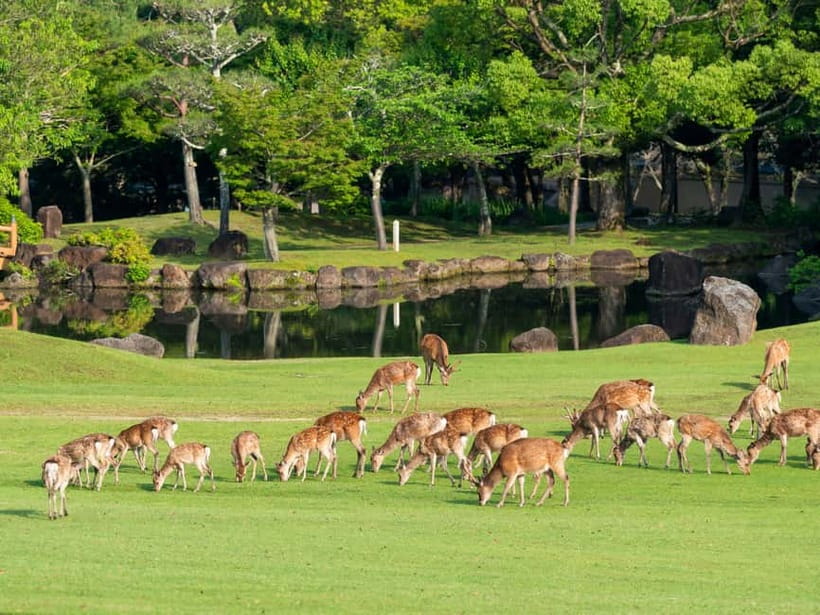
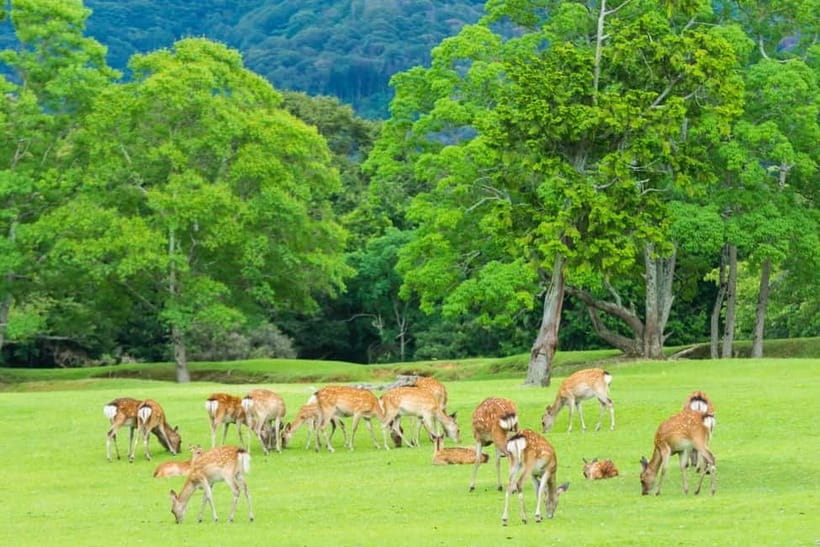
The first major stop is Nara Park, with about 45 minutes for free time and sightseeing. The park is famous for its deer, which are wild animals accustomed to people and closely tied to Nara’s identity.
You can buy a tasty snack and offer it to the deer, following the guide’s instructions. This is a simple activity, but it gives the morning an immediate sense of place. You are not just looking at a monument. You are meeting one of Nara’s most recognizable residents.
Keep your hands and belongings under control around the animals. The instructions specifically warn that the deer are wild, so follow the guide when feeding them. People with animal allergies should also note that this tour is not considered suitable for them.
Forty-five minutes is enough for photographs and a short walk, but not for a broad exploration of the park. The deer may be the highlight for families and first-time visitors, while anyone hoping for a quiet nature walk may find the stop too brief.
Todaiji and the great bronze Buddha
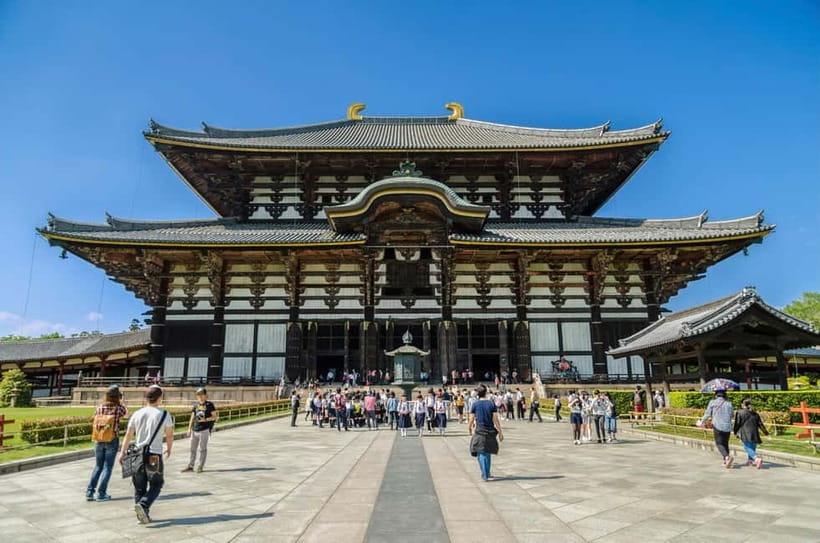
From Nara Park, the tour continues to Todaiji, one of Japan’s most important Buddhist temples and a designated World Cultural Heritage site. The sightseeing time is about 30 minutes.
The main draw is the enormous bronze Vairocana Buddha inside the temple. The scale of the building and statue gives this stop its impact. Even with limited time, you can feel the solemn character of a temple that has drawn pilgrims for centuries.
Admission to Todaiji is not included, so carry extra money for the entrance fee. The short visit also means you should stay aware of the meeting time. The temple is not a place to browse every corner at this pace, but the visit gives you a strong introduction to Nara’s religious heritage.
I like the pairing of Nara Park and Todaiji. The deer offer a light, playful start, then the temple shifts the mood toward Buddhist art and worship. It is one of the best planned contrasts in the day.
Uji River and the taste of matcha
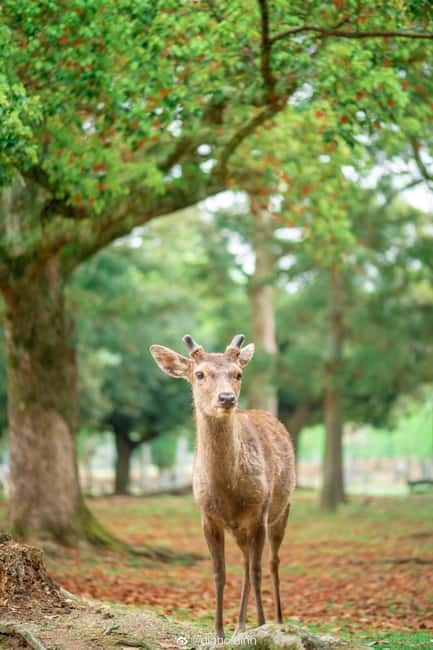
Uji receives about two hours, making it the longest sightseeing block on the route. That extra time matters because Uji is not only a single temple stop. It is a town experience built around the river, tea, food, and traditional streets.
You will have time to stroll along the Uji River and see the statue of Murasaki Shikibu, the celebrated author associated with The Tale of Genji. The riverside walk offers a change from temple interiors and busy transport routes. It is also a chance to slow down for a while, though the schedule still requires you to keep moving.
Uji is widely associated with matcha, and the tour points you toward the local tea culture through Uji Matcha Food Street and Byodo-in Omotesando. You can try matcha desserts and other tea-based treats, with meals and drinks purchased separately.
This is one area where I would like a little more time if you care most about food or shopping. Two hours must cover the river, temple, street, and refreshments. One practical approach is to decide before arrival if you want to focus on matcha sweets, Byodoin, or riverside photographs. Trying to do everything at a leisurely pace may not work.
More day trips over to Kyoto:
- Osaka/Kyoto: Hiroshima Miyajima Bus Tour & Shinkansen Ticket
★ 4.7 · 919 reviews - Osaka/Kyoto: Amanohashidate & Miyama Tour with Boat & Lunch
★ 4.6 · 207 reviews - Sagano Romantic Train & Arashiyama, Kiyomizudera, Fushimi Inari Taisha Day Tour
★ 4.5 · 171 reviews - Volleyball in Osaka, Kobe & Kyoto with locals!
★ 4.8 · 131 reviews
Byodoin and Uji’s quieter side
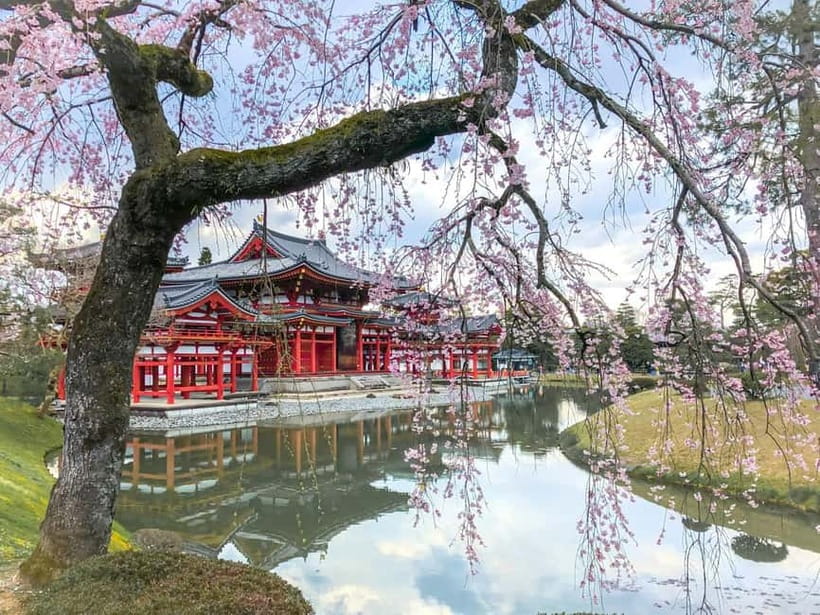
Byodoin is the main cultural stop in Uji. The historic temple is known for its calm setting and its connection to the image on Japan’s 10-yen coin. The supplied schedule includes sightseeing at the temple, but admission is not included in the tour price.
The grounds offer a more composed mood after the energetic deer park and the large scale of Todaiji. You can expect a visit centered on the temple’s beauty, religious importance, and quiet surroundings. The Uji River and Kyoto Prefectural Uji Park add open space around the temple visit.
Byodoin rewards attention to small details, so use the available time well. If you want to enter, set aside money for admission. If you prefer to keep costs down, the surrounding streets and river provide other ways to experience Uji, though the temple is the central sight.
The stop also gives you a practical taste of Japanese tea culture. Matcha here is not presented only as a drink. It appears in sweets and local food, making it approachable even if you are not familiar with formal tea ceremony customs.
Fushimi Inari’s red torii corridor
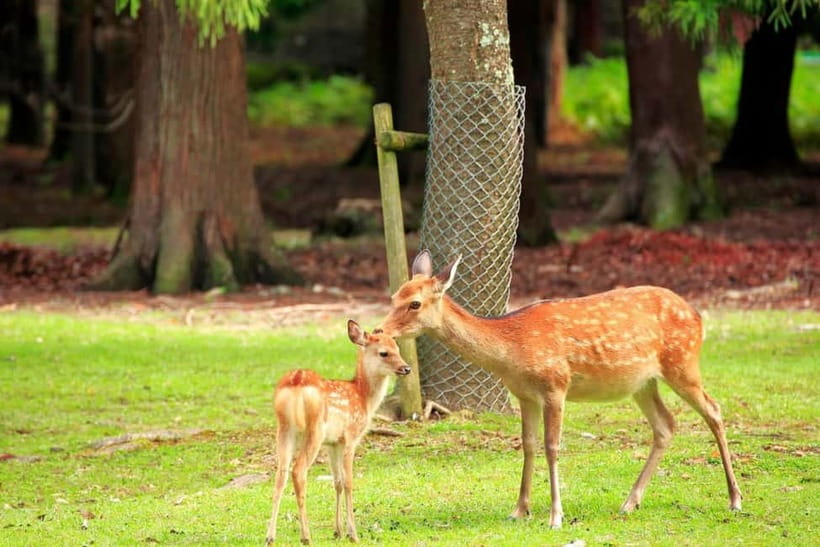
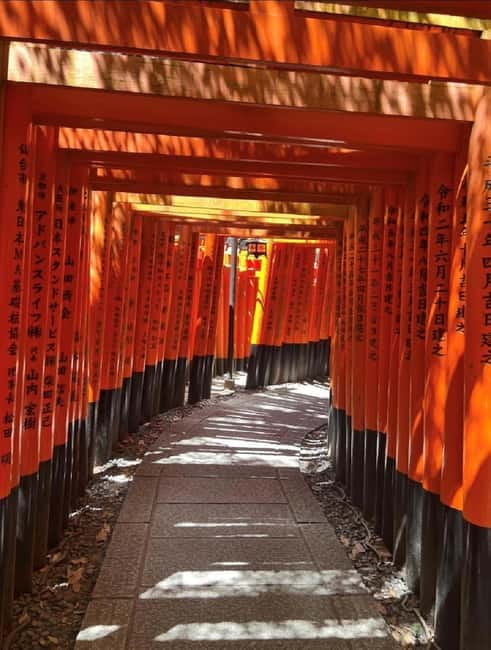
The final major stop is Fushimi Inari Taisha in Kyoto, with about 70 minutes for a break, photographs, free time, and walking. The shrine is famous for its rows of red torii gates, which climb through the wooded hillside behind the main shrine area.
You do not need to walk the entire mountain route to appreciate Fushimi Inari. With 70 minutes, focus on the lower section and the most recognizable torii corridor. The sunlight filtering through the gates can create the mysterious, solemn mood that makes this shrine so memorable.
This is a strong final stop because it is visually different from both Nara and Uji. Todaiji is about monumental Buddhist architecture. Uji is about tea, river scenery, and a historic temple. Fushimi Inari brings Shinto worship, fox imagery, and the striking color of the torii gates.
The timing can also be a drawback. Fushimi Inari is a major pilgrimage site, and the route involves walking. Comfortable shoes are essential, and you should not wander too far from the agreed meeting point. If traffic has delayed the day, the time here may feel especially short.
The guide and the value of organized transport
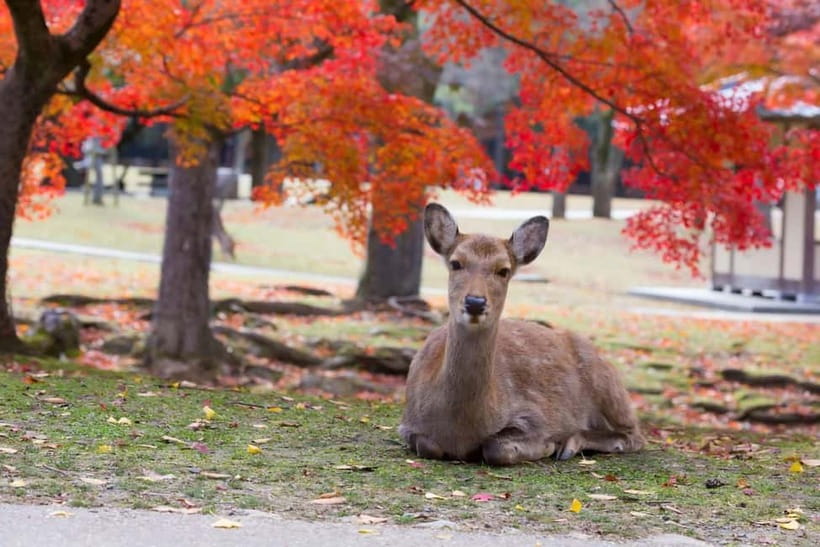
The guide is an important part of this experience because the schedule moves quickly. You need someone to explain the sights, keep the group on time, and help make sense of the route.
A guide named Mia received particular praise for clear explanations and useful local shopping tips. Another guide was noted for humorous, vivid explanations and for using WhatsApp to keep the group in touch during the day. Those details matter on a long outing. A simple message about where to meet can prevent a great deal of stress.
The tour uses an air-conditioned vehicle, and the price includes toll fees, parking fees, and fuel. That is useful in a region where several destinations are spread across different cities. You avoid changing trains with luggage, checking multiple departure times, and figuring out the final walk to each sight.
Still, road travel has a cost in time. One direct assessment of the trip was that too much of the day went to driving and not enough to attractions. That is not a flaw the guide can fully solve. Osaka, Nara, Uji, and Kyoto cover a broad area, and traffic or weather can affect the return time.
A realistic look at the schedule
The listed sightseeing periods add up quickly:
- Nara Park: about 45 minutes
- Todaiji: about 30 minutes
- Uji and its sights: about two hours
- Fushimi Inari: about 70 minutes
The remaining time goes to pickup, driving, parking, group organization, and drop-off. That is why the overall tour lasts eight to ten hours even though several individual stops are short.
I would not book this expecting a slow temple study day. Book it if you want a broad introduction and prefer a guide and vehicle to independent planning. You will need to be ready for a moderate amount of walking, quick transitions, and a firm schedule.
The itinerary can change because of weather, traffic, or other unexpected conditions. Return times may also shift. If you have an evening reservation in Osaka, leave a generous buffer rather than planning something immediately after the listed end time.
Who should book this tour
This outing suits you best if you are staying in Osaka and want to see several famous cultural sites in one day. It is also useful if you have limited time in the Kansai region and do not want to organize separate visits to Nara, Uji, and Fushimi Inari.
Families may enjoy the deer, though parents should supervise closely while feeding them. First-time visitors can benefit from the guide’s explanations and the simple transportation plan. The tour also works for people who prefer to pay one low transport price rather than manage multiple train connections.
It is less suitable if you use a wheelchair, have animal allergies, or dislike long road journeys. Pregnant people and those aged 70 or above are asked to sign a travel waiver on arrival. Infants, strollers, and large luggage must be declared when booking because Japanese traffic rules count babies as passengers.
Bring comfortable walking shoes and water. Smoking is not allowed. Meals are not included, so plan to buy food and drinks during the Uji portion or at another suitable stop.
Booking flexibility and practical costs
The $56 price is attractive for a full-day route with round-trip transport, parking, tolls, fuel, and a live guide. You still need to add admission for Todaiji and Byodoin, plus food, drinks, matcha treats, and personal purchases.
The booking terms are flexible. You can cancel up to 24 hours in advance for a full refund, and the reserve-now, pay-later option lets you hold a place without paying immediately. Check the selected pickup option carefully, since the meeting point varies.
The overall rating is 4.7 from 21 reviews, with especially strong praise for the guides, convenience, and explanations. The most useful caution is the recurring concern about limited time at some sights. That balance tells you exactly what you are buying: ease and coverage, not a leisurely pace.
Should you book it?
I would book this tour if you want a convenient introduction to Nara, Uji, and Kyoto from Osaka, especially on a first visit. The deer, Todaiji, Uji’s matcha streets, Byodoin, and Fushimi Inari give you a lot of visual and cultural variety for $56.
I would skip it if you want to spend half a day at one temple, browse Uji slowly, or hike far up the Fushimi Inari route. Independent rail travel would give you more control over timing, but it would require more planning.
For the best experience, arrive early, keep your schedule open at the end of the day, wear shoes made for walking, and choose your Uji priorities before the vehicle arrives. If you accept the busy pace, this is a practical way to connect several of Japan’s most memorable sights in one outing.
FAQ
How long does the tour last?
The tour lasts approximately 8 to 10 hours. The exact duration can be affected by traffic, weather, and other unforeseen conditions.
What destinations does the tour visit?
The route includes Nara Park, Todaiji Temple, Uji, the Uji River, the Murasaki Shikibu statue, Byodoin Temple, Kyoto Prefectural Uji Park, and Fushimi Inari Taisha.
Is transportation included?
Yes. Round-trip transportation in an air-conditioned vehicle is included, along with toll fees, parking fees, and fuel fees.
Are temple admission fees included?
No. Admission to Todaiji Temple and Byodoin Temple is not included in the tour price.
Are meals and drinks included?
No. Meals, beverages, matcha desserts, and other food purchases are paid for separately.
What languages are available?
The tour offers live guides in English and Chinese.
Where is the meeting point?
The meeting point depends on the option selected when booking. Pickup may be available, and the guide details and pickup time are emailed by 8:00 pm the evening before.
How early should I arrive?
You should arrive at the meeting point 15 minutes before the scheduled departure. If hotel pickup applies, wait in the hotel lobby 10 minutes before the vehicle arrives.
Can I feed the deer?
Yes. You can offer the deer a snack in Nara Park, but they are wild animals, so follow the guide’s instructions while feeding them.
Is the tour suitable for wheelchair users?
No. The tour is not suitable for wheelchair users. It is also not suitable for people with animal allergies, and moderate walking is required.
More Historical Tours in Osaka
- Osaka: Castle History Walking Tour / Castle Tower Admission
★ 4.9 · 230 reviews - Osaka: Osaka Castle & Historical Museum Guided Tour
★ 4.8 · 28 reviews - Osaka Castle & Samurai History Walking Tour
★ 5.0 · 22 reviews - (Ticket Included) Explore Osaka Castle & Museum of History
★ 4.8 · 21 reviews
Just added around Osaka
- Nara Day Trip from Osaka with a Licensed Guide★ 5.0 · 3 reviews
- Osaka Early Morning Osaka Castle Tour Avoid Crowds★ 5.0 · 3 reviews
- Guided Tour of Some Attractions in Osaka by Private Car★ 5.0 · 3 reviews
- Private Transfer Between Kyoto and Kansai Airport KIX★ 5.0 · 3 reviews
- Shared Arrival Transfer: Osaka Itami Airport to Osaka City★ 5.0 · 3 reviews
- Osaka: Sushi Making Class and Dotonbori Food Tour★ 4.7 · 3 reviews
- Osaka Night Photography Workshop★ 5.0 · 3 reviews
- Kyoto Full day Tour Kinkakuji, Kiyomizu-dera and Fushimi Inari★ 4.5 · 3 reviews
Kyoto Day Trips from Osaka, compared.

Osaka/Kyoto: Hiroshima Miyajima Bus Tour & Shinkansen Ticket
Read our review →
Ancient Capital Tour: Kyoto and Nara Highlights from Kyoto/Osaka
Read our review →
Osaka/Kyoto: Amanohashidate & Miyama Tour with Boat & Lunch
Read our review →

Sagano Romantic Train & Arashiyama, Kiyomizudera, Fushimi Inari Taisha Day Tour
Read our review →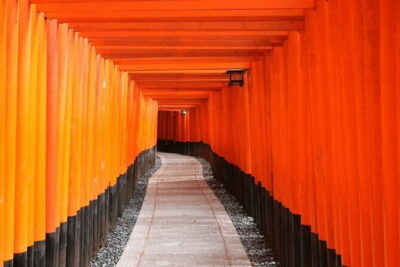
Full Day Tour of Kyoto with Private Transportation
Read our review →
Kyoto & Nara Private customized tour with English speaking Guide
Read our review →Full Day Kyoto Tour : Bamboo Forest, Golden Temple, Fushimi Inari
Read our review →Browse the lists this tour appears in