
Reviewed · OSAKA COOKING CLASSES
Master Washoku: 5 Core Techniques for Authentic Cooking
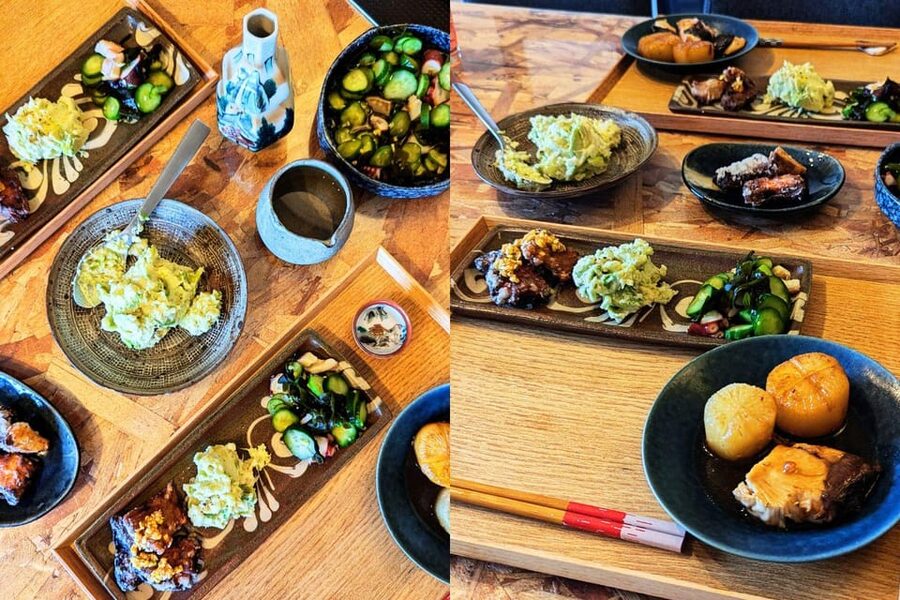
Osaka’s food culture is easy to reduce to takoyaki and okonomiyaki, but this three-hour class takes you somewhere more useful: the everyday techniques behind washoku. With chef Yuki, you prepare five Japanese dishes while learning how soy sauce, mirin, sake, vinegar, and heat work together. I like the small group of four, which gives you room to ask questions. I also like that the menu moves beyond sushi and tempura into food you can realistically make at home.
The optional sake tasting adds a smart lesson in temperature and style, especially when you compare chilled junmai and junmai ginjo with warm sake from the same brand. The main consideration is the price, $109 per person, which is not a bargain cooking lesson. You are paying for a personal class with a chef, not simply a recipe demonstration.
In This Review
- Key points to know before booking
- Why this Osaka cooking class is different
- Five dishes that teach the basics of washoku
- Wasabi garlic potato salad
- Octopus and cucumber vinegar salad
- Fish tatsuta-age with scallion sauce
- Simmered yellowtail with daikon
- Mixed rice onigiri
- What the three-hour schedule feels like
- The optional sake lesson is worth considering
- Learning with Yuki in a group of four
- Is $109 a fair price?
- Who should book this experience?
- Practical details for planning your day
- Should you book the Master Washoku class?
- FAQ
- Where does the cooking class take place?
- How long does the experience last?
- How many people are in the class?
- Is the sake tasting included?
- What dishes will I cook?
- Can food allergies be accommodated?
Key points to know before booking
- Five dishes, five useful techniques: Practice grilling, simmering, marinating, pickling, and seasoned rice preparation.
- Chef Yuki leads the class: Yuki has 4.5 years of experience at a Michelin Bib Gourmand izakaya in Osaka.
- A genuinely small class: The maximum group size is four participants, so personal help is part of the experience.
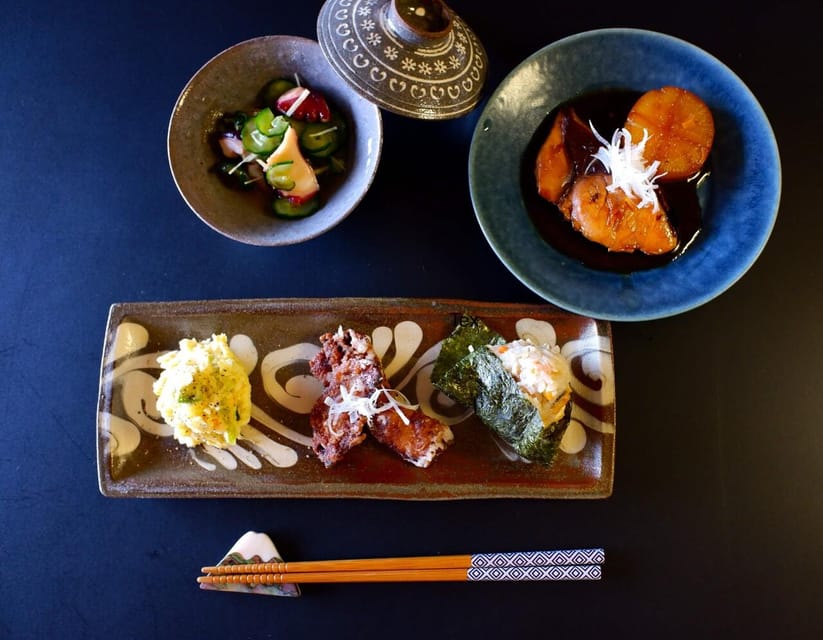
- The menu feels like izakaya food: Make wasabi potato salad, octopus and cucumber vinegar salad, fish tatsuta-age, simmered yellowtail, and mixed rice onigiri.
- Sake is optional: Taste two chilled sakes and one warm sake if you choose the pairing option.
- Apartment setting near central Osaka: The class takes place in a comfortable home-style venue, with transport to the meeting point not included.
Why this Osaka cooking class is different
Many Japanese cooking classes focus on one familiar dish. This one spreads your attention across five small plates and staple methods. That matters because washoku is less about a single recipe than about balance: salty soy sauce, sweet mirin, sharp vinegar, fragrant sake, and the natural taste of the main ingredient.
Yuki’s background gives the class a restaurant connection without turning it into a formal culinary school lesson. You are not simply watching a chef work from a distance. The format is hands-on, and the small group keeps the pace personal. You should expect instruction in English or Japanese, with Yuki explaining the food as you cook.
The setting is an apartment near central Osaka. That can be a plus if you prefer a home kitchen to a polished studio. It gives the class a relaxed, everyday feel, and the dishes are the kind of food you might serve with drinks or make for friends. The tradeoff is that an apartment venue may feel less purpose-built than a professional cooking school. Meeting details can vary by option, so check the exact location before setting out.
More Japanese home cooking classes:
- Osaka: Ramen and Gyoza Cooking Class in Dotonbori
★ 5.0 · 378 reviews - Osaka: Sumo Stage Show with Bento or Snack + Fight & Photo
★ 4.3 · 364 reviews - Osaka: Traditional Mochi Pounding Experience with Tasting
★ 4.9 · 306 reviews
Five dishes that teach the basics of washoku
The menu is well chosen for learning. Each dish has a clear role, and together they cover several core methods.
Wasabi garlic potato salad
Potato salad may sound familiar, but the wasabi and garlic give this izakaya favorite a Japanese edge. You learn how a creamy, comforting base can take a sharp hit of heat without becoming overpowering.
This is a good opening dish because it introduces seasoning in a forgiving way. Potato absorbs flavor, so you can pay attention to how much wasabi, garlic, and savory seasoning the mixture needs. It is also a practical recipe for home cooks. The ingredients are approachable, and the result works as a snack, side dish, or accompaniment to drinks.
Octopus and cucumber vinegar salad
This is likely to be one of the most instructive dishes in the class. The combination of tender octopus, crisp cucumber, and vinegar depends on contrast. You need freshness, acidity, and enough seasoning to bring the ingredients together without hiding them.
The class focuses on how to make a balanced vinegar salad, a common part of Japanese meals. One particularly useful point is that this is not heavy food. After several richer cooking activities, the salad gives the meal a clean, refreshing note.
The dish has also been a favorite for people taking the class, so give it your attention. It may look simple, but simple Japanese dishes leave little room for careless seasoning.
A completely different way to spend a day in Osaka:
- Osaka Go Karting Tour with Funny Costume
★ 5.0 · 2,658 reviews - Osaka Castle: Museum and Tower Entry Ticket
★ 4.5 · 2,380 reviews - Osaka: Shinsekai Food Tour with 13-15 Dishes at 5 Eateries
★ 4.8 · 2,204 reviews - Osaka Food Tour: 13 Dishes at 5 Local Eateries
★ 5.0 · 2,149 reviews
Fish tatsuta-age with scallion sauce
Tatsuta-age is a Japanese style of marinated fried food. Here, fish is seasoned, cooked until crisp, and served with scallion sauce. It is an excellent lesson in how a marinade can add flavor before cooking, while the sauce adds freshness afterward.
This dish pairs naturally with sake, which is why it fits the optional tasting so well. You will be working with texture as much as taste: crisp outside, tender fish inside, and a bright sauce to cut through the fried coating.
The menu description does not specify the type of fish, so you should not book this class expecting a particular species. If you have an allergy or strong food preference, contact Yuki before the class. Adjustments are possible as much as practical, but they should be discussed in advance.
Simmered yellowtail with daikon
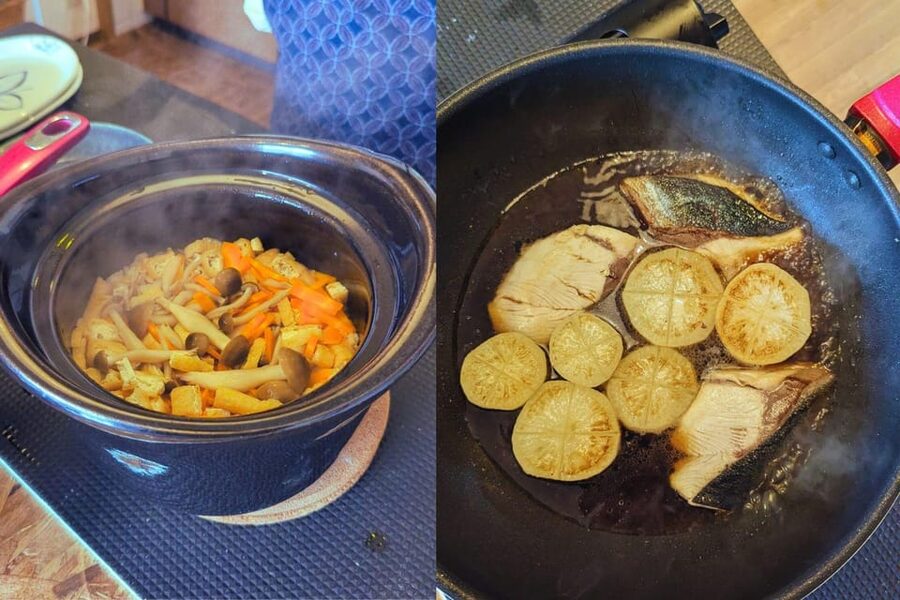
Simmering is one of the most useful techniques in Japanese home cooking. The goal is not just to cook the ingredients. It is to let the broth season the daikon and fish while keeping the yellowtail tender and the radish soft.
This dish gives the class a slower change of pace after the fried fish. You get to see how traditional Japanese cooking builds flavor without relying on heavy sauces. Soy sauce, mirin, and sake are central ingredients in this style of cooking, and the lesson helps show how each contributes to the final taste.
Daikon is especially good for learning because it absorbs the simmering liquid. If you have eaten Japanese home cooking and wondered why the vegetables taste so seasoned, this is the kind of technique behind it.
Mixed rice onigiri
The class ends with mixed rice shaped into onigiri. Onigiri is familiar to many visitors from convenience stores, but making it yourself gives you a better sense of its texture and purpose.
The important lesson is the rice. You are not simply wrapping plain rice around a filling. You learn how to prepare seasoned mixed rice and shape it into a compact snack. It is a comforting finish after the other dishes, and it is perhaps the easiest item to repeat in your own kitchen.
Shaping onigiri also makes the class feel hands-on in a very direct way. You are handling the finished food, not just tasting something plated by the chef.
What the three-hour schedule feels like
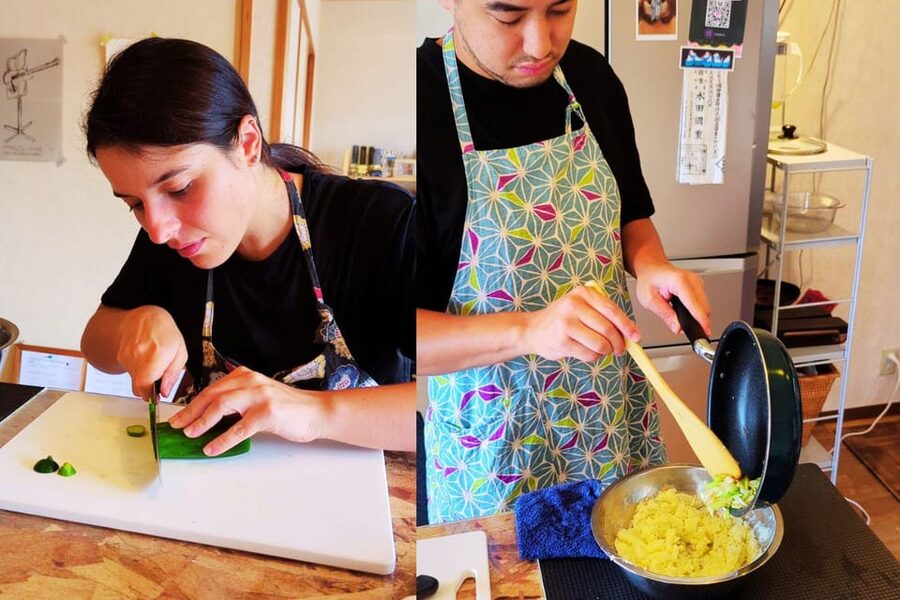
The class is designed to combine explanation, preparation, cooking, and eating within three hours. Since five dishes are included, expect an active session rather than a long lecture. You will move between several methods, including grilling, simmering, marinating, pickling, and rice preparation.
The menu creates a sensible rhythm. The potato salad and vinegar salad introduce seasoning and cold preparation. The marinated fish brings in crisp cooking and sauce. The yellowtail and daikon show how simmering develops flavor. Onigiri provides a practical final project.
You should have time to taste what you make and ask about ingredients. The class includes water and tea, and aprons, equipment, and cooking ingredients are supplied. Digital photos are also included, a nice record of a class where your hands are busy most of the time.
The pace should suit a first-time Japanese cook, as well as someone who already knows a few basics. Past participants have found the recipes easy to follow, but you should still expect to participate rather than simply observe. If you want a quiet demonstration with no kitchen work, choose another format.
The optional sake lesson is worth considering
Sake is not required, and that flexibility is useful. You can book the cooking class without alcohol and still receive the full food lesson. If you do choose the pairing, the tasting includes three sakes: a chilled junmai, a chilled junmai ginjo from the same brand, and one warm sake.
Comparing the two chilled styles from one producer gives you a cleaner lesson than tasting three unrelated bottles. You can focus on how the sake changes rather than wondering if every difference comes from the maker. The warm sake adds another practical point: temperature can alter aroma, texture, and the way the drink works with food.
The tasting is especially well matched to the fish tatsuta-age and other savory dishes. It is not described as a large drinking session, so think of it as a guided food pairing rather than a bar crawl. If you do not drink alcohol, simply select the class option without sake.
Learning with Yuki in a group of four
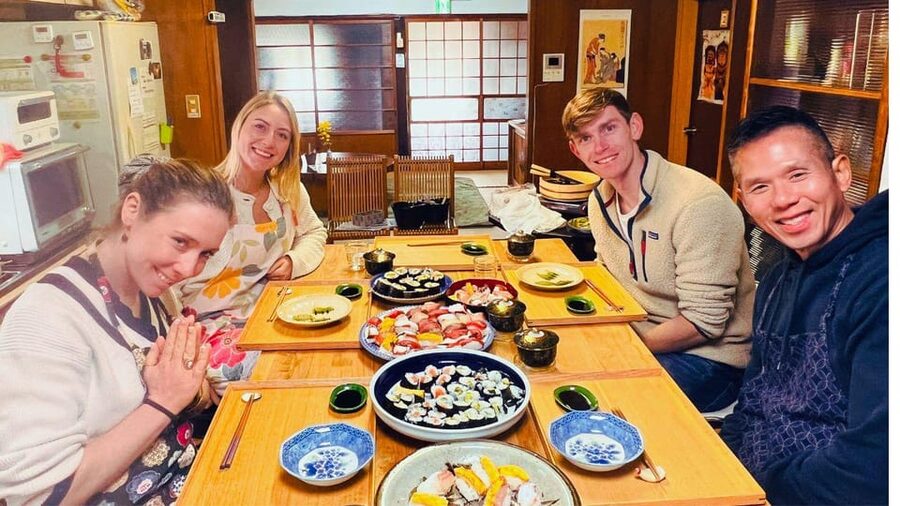
Yuki’s experience includes 4.5 years as a chef at a Michelin Bib Gourmand izakaya in Osaka. That background is useful because an izakaya depends on small dishes, clear flavors, and food that works well in a social setting. The menu reflects that influence without becoming too technical.
The group limit of four is one of the strongest practical features. In a larger class, it can be hard to see the cutting, seasoning, or shaping clearly. Here, you have a better chance to ask about the amount of mirin, the texture of the fish, or the right consistency for the rice.
The tone is meant to be relaxed and engaging. You will get tips and small corrections as you work, rather than a long block of information to remember later. The class is offered in English and Japanese. If you are concerned about communication, English instruction is available, but cooking terms and demonstrations still benefit from watching closely.
Is $109 a fair price?
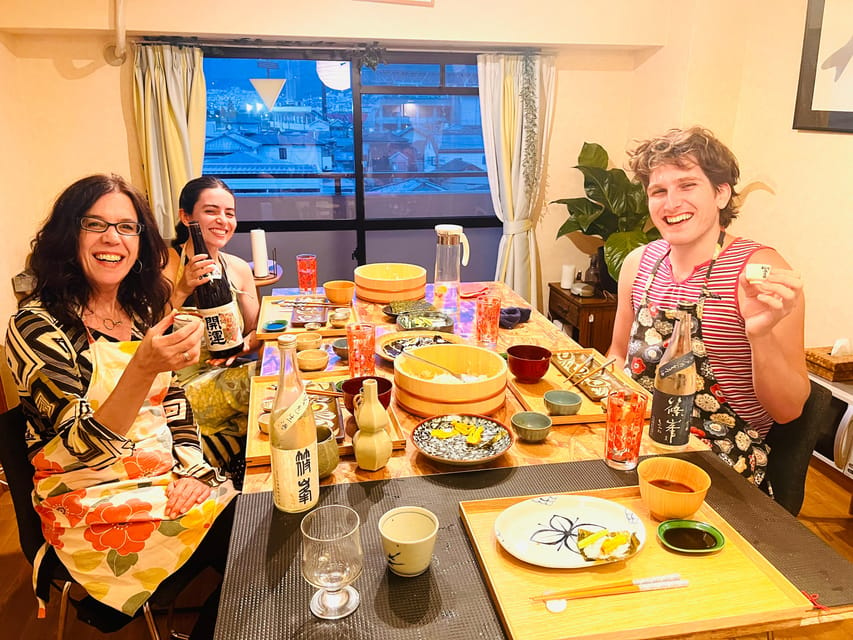
At $109 per person, this is a mid-to-high priced cooking experience. It is more expensive than a basic group lesson, but the comparison is not quite fair if the cheaper class has a large group or covers only one recipe.
Your fee includes three hours of instruction, five dishes, ingredients, equipment, an apron, water, tea, cultural context, and digital photos. The optional sake tasting adds another layer, though the supplied information does not state its additional price. The group cap of four is the main reason the cost may make sense. You are buying access to a chef in a personal setting, not only a meal.
I would consider it good value if you care about learning methods you can repeat at home. The dishes are varied but not impossibly elaborate. You are likely to leave with ideas for using soy sauce, mirin, sake, vinegar, and Japanese cooking methods beyond the class menu.
The value is weaker if your main goal is simply to eat. Five dishes are included, but you are helping prepare them, and the class takes three hours. You also need to arrange your own transport to the meeting point, and that meeting point may vary by booking option.
Who should book this experience?
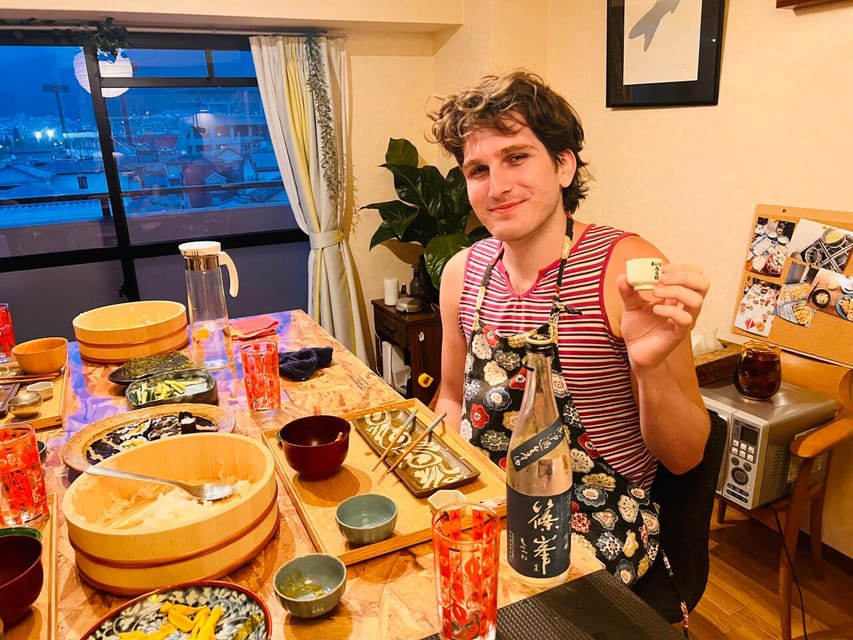
I would recommend the class to you if you want a close look at Japanese home and izakaya cooking. It suits curious eaters, couples, small groups of friends, and solo visitors who enjoy meeting a chef in a small setting.
It is also a good choice if you have already tried sushi and tempura and want a wider view of Japanese food. The menu introduces vinegar salads, simmered fish, fried fish, seasoned rice, and vegetable dishes. That variety gives you more to take home than a class built around one iconic dish.
Families and mixed-skill groups may also find the menu approachable, though the provided information does not specify a minimum age. Ask before booking if that matters to you.
I would hesitate if you have strict dietary needs that require guaranteed substitutions. Yuki will adjust preferences as much as possible, but no full allergy-free menu is promised. Contact the provider before you pay, especially for seafood, alcohol, or other serious concerns.
Practical details for planning your day
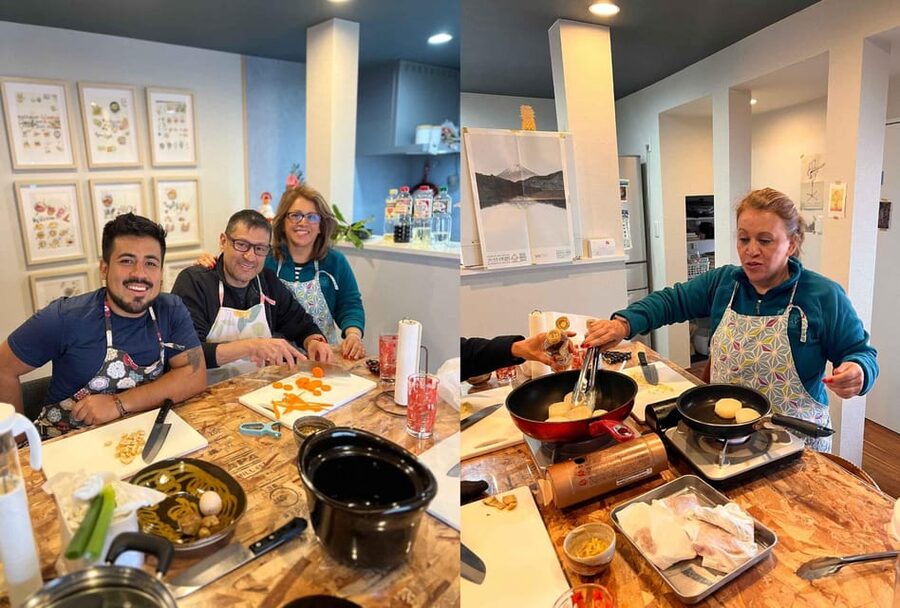
The experience lasts three hours and starts at a time shown when you check availability. Since you will be cooking five dishes, allow extra time before your next fixed plan. A relaxed afternoon or evening works better than squeezing this between timed attractions.
Transport is not included. The venue is in a comfortable apartment near central Osaka, but the exact meeting point can vary by option. Read the meeting instructions carefully and leave enough time to find the building.
Cancellation is free up to 24 hours in advance for a full refund. You can also reserve now and pay later, which helps if your Osaka schedule is still changing. Food allergies should be reported before the class so the chef has a chance to adjust the menu.
The current rating is 4.7 from seven verified bookings. The strongest themes are clear recipes, a relaxed atmosphere, attentive instruction, and food that turns out well. Those points match the class design: small group, hands-on cooking, and a chef who stays involved throughout.
Should you book the Master Washoku class?
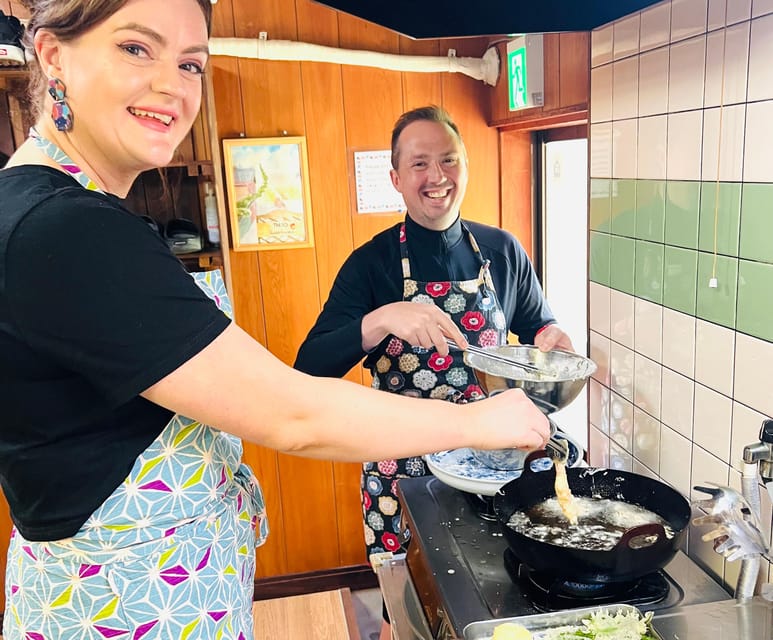
Book it if you want to cook, not just watch. Yuki’s class gives you five different Japanese dishes, practical seasoning lessons, optional sake instruction, and a personal group setting in central Osaka. The octopus and cucumber salad, fish tatsuta-age, and yellowtail with daikon offer a broader taste of Japanese cooking than the usual tourist menu.
Skip it if $109 feels high for a three-hour activity, if you need guaranteed dietary substitutions, or if you prefer a large social event. For everyone else, this is a focused way to spend part of an Osaka visit and leave with techniques you can use long after the trip.
FAQ
Where does the cooking class take place?
The class takes place in a comfortable apartment near central Osaka. The exact meeting point may vary depending on the option you book, so check the details for your selected option.
How long does the experience last?
The cooking class lasts three hours. Starting times depend on availability.
How many people are in the class?
The class is limited to four participants, allowing for personal instruction from the chef.
Is the sake tasting included?
The sake tasting is optional. The tasting includes three sakes: two served chilled, one junmai and one junmai ginjo from the same brand, plus one warm sake.
What dishes will I cook?
You will prepare wasabi garlic potato salad, octopus and cucumber vinegar salad, fish tatsuta-age with scallion sauce, simmered yellowtail with daikon, and mixed rice onigiri.
Can food allergies be accommodated?
You should tell Yuki about any food allergies before the class. Adjustments can be made as much as possible, but the activity does not promise a fully allergy-free menu.
Just added around Osaka
- Nara Day Trip from Osaka with a Licensed Guide★ 5.0 · 3 reviews
- Osaka Early Morning Osaka Castle Tour Avoid Crowds★ 5.0 · 3 reviews
- Guided Tour of Some Attractions in Osaka by Private Car★ 5.0 · 3 reviews
- Shared Arrival Transfer: Osaka Itami Airport to Osaka City★ 5.0 · 3 reviews
- Private Transfer Between Kyoto and Kansai Airport KIX★ 5.0 · 3 reviews
- Osaka: Sushi Making Class and Dotonbori Food Tour★ 4.7 · 3 reviews
- Osaka Night Photography Workshop★ 5.0 · 3 reviews
- Kyoto Full day Tour Kinkakuji, Kiyomizu-dera and Fushimi Inari★ 4.5 · 3 reviews
Osaka Cooking Classes, compared.


Sumo Stage Show with Bento or Snack + Fight & Photo
Read our review →
Traditional Mochi Pounding Experience with Tasting
Read our review →
Osaka Cooking Class: Okonomiyaki &Japanese cuisines experience
Read our review →


Osaka Sake Tasting & Takoyaki Cooking Experience
Read our review →
Cooking Ramen&Gyoza/KatsuCurry/Bento/Okonomiyaki+Store Tour@Osaka
Read our review →Browse the lists this tour appears in