
Reviewed · RAMEN & GYOZA COOKING CLASSES
Make Ramen and Gyoza with Homemade Secret Recipe
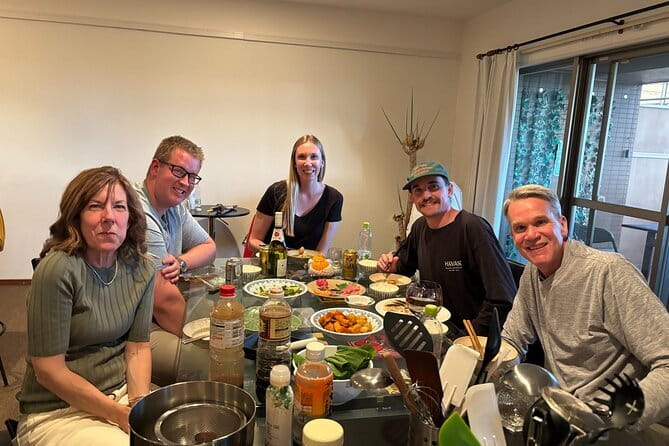
Making ramen by hand is one thing. Making it with a noodle machine, choosing your own soup base, folding gyoza, and then sitting down to eat the meal you prepared is another. This Osaka class turns familiar comfort food into a practical lesson in everyday Japanese cooking, with a friendly chef and an informal studio setting.
I like the hands-on format, especially the chance to make both noodles and gyoza instead of watching a demonstration. I also like the cultural conversation built into the cooking, including the chance to talk about Japanese food and daily life with instructors such as Shohei and Marie. The main drawback is that drinks are not included, so you may want to plan for a meal without alcohol or bring money for something extra.
In This Review
- Key points at a glance
- Why this Osaka cooking class feels different
- Meeting at Matsuyamachi Station
- Choosing your ramen soup
- Preparing and frying the gyoza
- Meeting Shohei, Marie, and the teaching style
- The four time slots and the two-and-a-half-hour pace
- Eating your own ramen and gyoza
- Recipes and cooking chopsticks to take home
- Is the $84.70 price fair?
- Who should book this class?
- Practical details before you book
- Should you book Make Ramen and Gyoza with Homemade Secret Recipe?
- FAQ
- Where does the ramen and gyoza class meet?
- How long does the cooking experience last?
- What time slots are available?
- Which ramen soup bases can I choose?
- Is the meal included in the price?
- Can people with allergies or vegetarian requirements join?
Key points at a glance
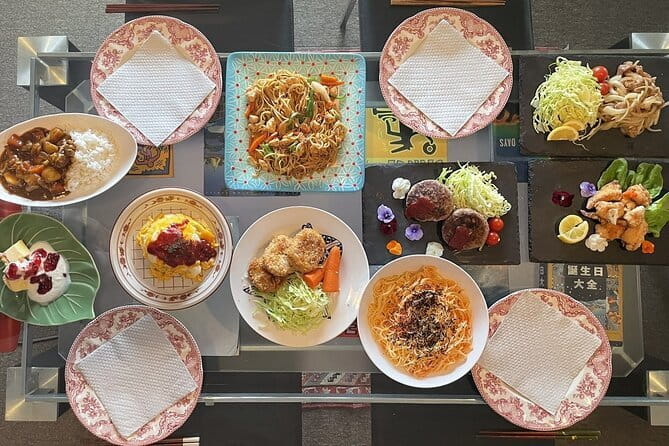
- Three soup bases: Choose soy sauce, miso, or salt for your own ramen bowl.
- Noodle machine included: Make fresh ramen noodles as part of the class rather than simply assembling a prepared dish.
- Full gyoza lesson: Prepare the filling, fold the dumplings, and pan-fry them yourself.
- Small-class feel: The maximum group size is 15, and some sessions may be much smaller.
- Useful take-home items: You receive the recipes from the class and cooking chopsticks.
- Easy Osaka meeting point: Meet at Matsuyamachi Station, about a five-minute walk from the studio.
Why this Osaka cooking class feels different
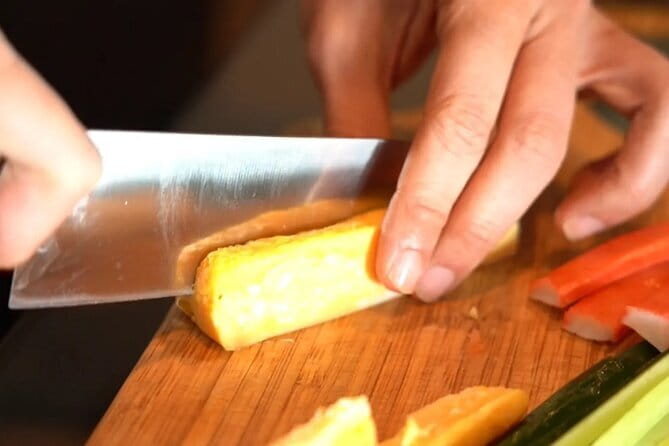
Many Japanese cooking classes focus on sushi, tea, or a neat set of small dishes. This one goes for food you can actually make again at home: ramen and gyoza. That choice matters. Ramen is a daily staple in Japan, with regional styles and different soup traditions across the country, while gyoza is a familiar favorite served in homes and restaurants.
You are not simply handed a finished bowl. You make the noodles, select the soup base, prepare the dumpling filling, shape the gyoza, and cook them. The result is a meal with a clear connection between each step and the food on your plate.
I also appreciate the class’s relaxed purpose. The cooking is the main event, but the lesson also opens a door into Japanese eating habits and home cooking. The class provider has prepared more than 300 Japanese and Japanese-style Western dishes for overseas visitors, so the larger aim is to explain Japan through food, not just provide a quick recipe.
More ramen and gyoza classes:
- Osaka: Five Must-See Highlights Walking Tour & Ramen Lunch
★ 4.7 · 411 reviews - Osaka: Ramen and Gyoza Cooking Class in Dotonbori
★ 5.0 · 378 reviews - Ramen and Gyoza Cooking Class in Osaka
★ 5.0 · 202 reviews
Meeting at Matsuyamachi Station
The class begins at Matsuyamachi Station in Osaka’s Chuo Ward. You meet the instructor at the station and walk roughly five minutes to the cooking studio. This is simple by Osaka standards, but you should still leave enough time to find the correct station exit and meeting point.
The address given for the meeting point is 2 Chome-6 Andojimachi, Chuo Ward, Osaka, 542-0061. The activity ends back at the same meeting point, so you do not need to arrange a separate ride from the studio.
A nearby old-fashioned shopping street may be included as part of the suggested plan around the class. The food lesson itself is the firm center of the experience, while the local walk gives you a chance to see an older side of the neighborhood before or around the cooking session. Do not treat it as a major sightseeing tour. Think of it as a useful bit of local context around an indoor activity.
Choosing your ramen soup
One of the most appealing choices comes early: you pick soy sauce, miso, or salt as the base for your ramen soup. These three options give the meal a different character without making the decision too complicated.
Soy sauce is the most familiar choice for many people and gives the broth a savory profile. Miso brings a stronger, fuller flavor. Salt offers a simpler base that lets the other ingredients play a larger role. The class is not only about following instructions. You get a small but meaningful cooking decision of your own.
The meal is described as half-rice ramen with gyoza. That means you enjoy ramen with a portion of rice and the dumplings you prepare. It is a generous combination, particularly after standing and working in a kitchen for two and a half hours, so arrive ready to eat.
The noodle-making machine is another useful touch. You get the fun of making noodles without needing advanced hand-pulling skills. If you like food machinery, this part should be especially satisfying. If you hoped to learn traditional hand-stretched noodles, keep your expectations in check: the listed activity specifically uses a noodle-making machine.
Preparing and frying the gyoza
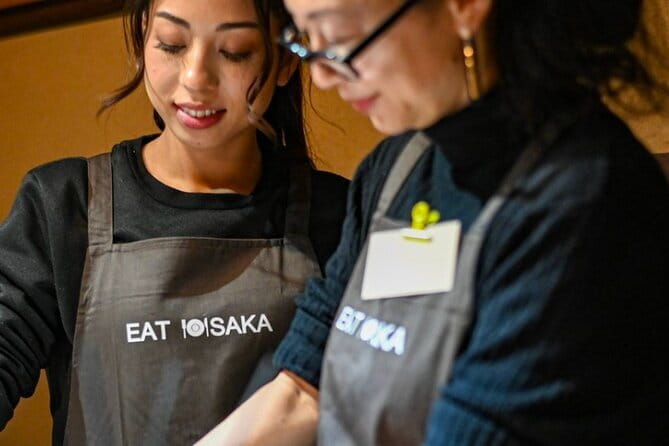
The gyoza portion covers the whole process, from preparing the filling to pan-frying the dumplings. That gives you the practical sequence you need if you want to repeat the dish at home.
Folding gyoza is often the most playful part of the class. The first few dumplings may look uneven, and that is part of the fun. You get to see how the wrapper, filling, folds, and frying method come together. The lesson is designed to be accessible, not a formal chef-training course.
The final pan-frying step is especially useful because it shows how the dumplings change during cooking. You move from soft wrappers and raw filling to a hot dish with a browned base. Since you eat the result soon afterward, the lesson has an immediate reward rather than ending with a recipe sheet and a polite goodbye.
Vegetarians should contact the provider at the time of booking. A vegetarian version has been prepared before, which is encouraging, but you should not wait until you arrive to explain your needs. The same advice applies to allergies. The class specifically asks you to provide that information when booking.
A completely different way to spend a day in Osaka:
- Osaka Go Karting Tour with Funny Costume
★ 5.0 · 2,658 reviews - Osaka Castle: Museum and Tower Entry Ticket
★ 4.5 · 2,380 reviews - Osaka: Shinsekai Food Tour with 13-15 Dishes at 5 Eateries
★ 4.8 · 2,204 reviews - Osaka Food Tour: 13 Dishes at 5 Local Eateries
★ 5.0 · 2,149 reviews
Meeting Shohei, Marie, and the teaching style
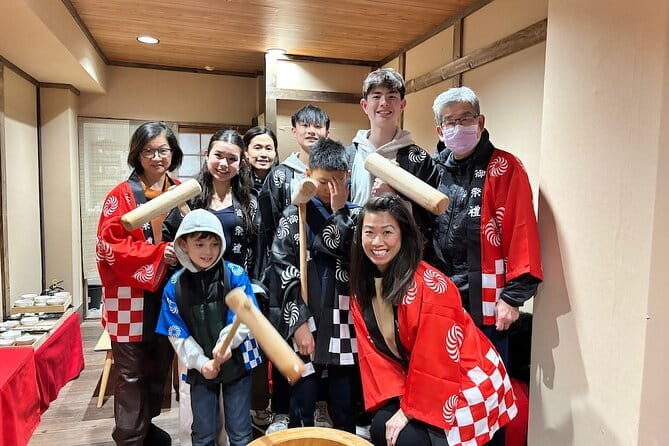
Shohei is named as one of the instructors and is described as a kind teacher who explains both the cooking and Japanese food culture. Marie is also mentioned as a warm and helpful member of the team. English instruction is available, and one account specifically praised the quality of the English.
The teaching style appears informal rather than polished for a large tourist production. That can be a good thing if you want to ask questions, work at your own pace, and talk about food beyond the basic recipe. The setting is a studio, not a restaurant dining room, so expect a practical kitchen atmosphere.
The maximum group size is 15 people. That is small enough to remain hands-on, though the actual feel will depend on the day. One session had only two participants, which allowed for plenty of attention. You should not assume every booking will be private, but the limited group size gives the class a better chance of personal instruction than a large cooking demonstration.
The only clear limitation in the teaching experience is that the instructors do not necessarily sit down and eat with you. One participant would have enjoyed more shared conversation over the meal. If you want a long social dinner with the chef, this may feel brief. If you mainly want instruction and a meal you prepared yourself, the format should suit you well.
The four time slots and the two-and-a-half-hour pace
You can choose among four daily sessions:
- 7:30 a.m. to 10:00 a.m.
- 11:00 a.m. to 1:30 p.m.
- 2:30 p.m. to 5:00 p.m.
- 6:00 p.m. to 8:30 p.m.
The morning class works well if you have a full sightseeing day planned afterward. The late morning session turns cooking into lunch, while the afternoon option is a good break between Osaka sights. The evening class can replace dinner, although drinks and alcohol cost extra.
The listed duration is approximately two hours and 30 minutes. That is long enough for several cooking stages, eating, photographs, and conversation, but short enough to fit into a busy Osaka itinerary. You will spend much of the time actively preparing food, so this is not a good pick if you want a quick meal with minimal instruction.
A rainy afternoon is particularly well suited to this class. The studio gives you a warm indoor plan, and the timing avoids wasting a sightseeing block when the weather is poor. Since you return to the station at the end, the logistics remain simple.
Eating your own ramen and gyoza

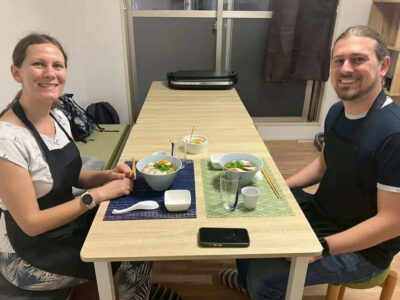
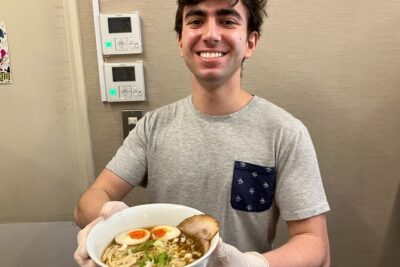
The best part of the schedule comes after the cooking. You sit down to taste the ramen, rice, and gyoza you prepared. This makes the meal more memorable than eating the same dishes in a restaurant because you understand the work behind each bowl and dumpling.
You also have time to take photos. That is useful for recording the cooking process and the final meal, especially if you want to remember which soup base you selected. The atmosphere is informal, so you can focus on eating rather than rushing through a formal presentation.
Drinks are not included. This is a small but practical point because ramen and gyoza naturally feel like a complete meal, and you may expect tea or another drink to be part of the price. The class includes materials, equipment, tableware, venue use, instruction, and the souvenir, but personal drinks and alcohol remain your responsibility.
Recipes and cooking chopsticks to take home
The class sends you away with the recipes you learned. This adds real value because ramen and gyoza are dishes you can try again after your trip, rather than food tied only to one afternoon in Osaka.
You also receive cooking chopsticks. They are a modest souvenir, but a useful one, especially if you plan to practice Japanese dishes at home. The combination of recipes and chopsticks gives the class a practical afterlife.
I would keep the recipe papers accessible while you travel. They are more valuable than a decorative souvenir if you enjoy cooking. The lesson is strongest for people who want to repeat at least part of it at home.
Is the $84.70 price fair?
At $84.70 per person, this is not a bargain meal. You can eat ramen and gyoza more cheaply in Osaka. The price makes sense only if you value the instruction, the ingredients, the studio, the equipment, the meal, and the take-home items together.
You are paying for roughly two and a half hours of guided activity, not just a bowl of noodles. Materials, cooking equipment, tableware, venue use, and the class fee are included. The recipes and cooking chopsticks add something you can use after the trip.
The value improves for couples, families, and small groups who want a shared activity rather than another restaurant stop. It also works well when rain disrupts outdoor plans. The price is harder to justify if you are mainly hungry and want an inexpensive lunch, or if you already cook ramen and gyoza confidently.
Because the activity is often booked about 28 days ahead, plan early if the timing matters to you. Confirmation is provided within 48 hours, subject to availability. The booking is non-refundable and cannot be changed for any reason, so check your Osaka schedule carefully before paying.
Who should book this class?
I would recommend it to you if you want an active food experience with a clear beginning, middle, and end. Families can share the work, couples can cook together, and solo participants may benefit from the close instruction of a small group.
It is also a strong choice for anyone curious about everyday Japanese food rather than only famous restaurant dishes. Ramen and gyoza are familiar enough to enjoy immediately, but the class still gives you new techniques and cultural context.
Vegetarians may also find it suitable, provided they explain their requirements in advance. The instructors have made vegetarian gyoza before, but arrangements should be confirmed at booking.
You may want to skip it if you dislike cooking, need a fully private lesson guaranteed in advance, or expect drinks and a long meal with the instructors. The group limit is 15, not one fixed private party, and the meal is part of the lesson rather than a separate dining event.
Practical details before you book
The mobile ticket makes entry simple, but the key point is still the meeting location at Matsuyamachi Station. Transportation to the station is not included, so budget for your Osaka transit separately.
Service animals are allowed, and the meeting point is near public transportation. If you have allergies, dietary restrictions, or vegetarian requirements, send the details when you book rather than relying on an in-person explanation.
The class finishes where it starts. That makes it easy to continue sightseeing in Osaka, return to your hotel, or connect with another train route after the meal.
Should you book Make Ramen and Gyoza with Homemade Secret Recipe?
Book this experience if you want to learn two useful Japanese dishes, eat a filling meal, and spend a relaxed indoor afternoon with an English-speaking instructor. The noodle machine, soup-base choice, complete gyoza process, recipes, and chopstick souvenir give the class more substance than a short cooking demonstration.
I would be more cautious if your main goal is a cheap meal or a guaranteed private dinner with the chef. Drinks are extra, the cancellation terms are strict, and group size can reach 15 people. For food-minded visitors who enjoy doing rather than only seeing, though, this is a practical Osaka experience with a meal at the end and recipes you can carry home.
FAQ
Where does the ramen and gyoza class meet?
You meet at Matsuyamachi Station at 2 Chome-6 Andojimachi, Chuo Ward, Osaka, 542-0061, Japan. The studio is about a five-minute walk from the station, and the activity ends back at the meeting point.
How long does the cooking experience last?
The class lasts approximately two hours and 30 minutes.
What time slots are available?
The available sessions are 7:30 a.m. to 10:00 a.m., 11:00 a.m. to 1:30 p.m., 2:30 p.m. to 5:00 p.m., and 6:00 p.m. to 8:30 p.m.
Which ramen soup bases can I choose?
You can choose soy sauce, miso, or salt as your ramen soup base.
Is the meal included in the price?
The class includes the materials and cooking lesson, and you eat the ramen, rice, and gyoza you prepare. Personal drinks and alcohol are not included.
Can people with allergies or vegetarian requirements join?
They may be able to join, but you must provide allergy and dietary information at the time of booking. Vegetarian gyoza has been prepared before, but your requirements should be arranged in advance.
Just added around Osaka
- Nara Day Trip from Osaka with a Licensed Guide★ 5.0 · 3 reviews
- Osaka Early Morning Osaka Castle Tour Avoid Crowds★ 5.0 · 3 reviews
- Guided Tour of Some Attractions in Osaka by Private Car★ 5.0 · 3 reviews
- Private Transfer Between Kyoto and Kansai Airport KIX★ 5.0 · 3 reviews
- Shared Arrival Transfer: Osaka Itami Airport to Osaka City★ 5.0 · 3 reviews
- Osaka: Sushi Making Class and Dotonbori Food Tour★ 4.7 · 3 reviews
- Osaka Night Photography Workshop★ 5.0 · 3 reviews
- Kyoto Full day Tour Kinkakuji, Kiyomizu-dera and Fushimi Inari★ 4.5 · 3 reviews
Ramen & Gyoza Cooking Classes, compared.

Five Must-See Highlights Walking Tour & Ramen Lunch
Read our review →


Walking Tour of Osaka’s 5 Must-See Sights, with Ramen for Lunch
Read our review →
Cooking Ramen&Gyoza/KatsuCurry/Bento/Okonomiyaki+Store Tour@Osaka
Read our review →
Browse the lists this tour appears in