
Reviewed · OSAKA COOKING CLASSES
Japanese home cooking class in Osaka Umeda
The best part of this Osaka class is that you cook inside a real home with local hosts, rather than watching a chef work in a restaurant kitchen. Hisako and Naoko guide you through everyday Japanese dishes, including bento, udon, tempura, onigiri, takoyaki, and beef stew, then sit down with you for lunch.
I like the private format, which lets you ask questions and work at a comfortable pace. I also like the practical focus: you learn which ingredients to buy at a Japanese supermarket, and the recipes are designed to be made again at home. The main consideration is the short two-hour schedule. You will get a useful taste of Japanese home cooking, but not a full cooking-school curriculum.
In This Review
- Key points to know before booking
- Cooking Japanese food in a real Osaka home
- Picking dishes you can make at home
- A two-hour lesson with direct help
- Supermarket advice that continues after lunch
- Lunch, tea, and a look at home cooking
- Recipes, tea ceremony, and optional cultural touches
- Location, timing, and the value of $59.12
- Who will get the most from this class
- A strong record, with a few points to check
- Should you book the Osaka home cooking class?
- FAQ
- Where does the cooking class take place?
- What time does the class start?
- How long does the experience last?
- Is the class private?
- Who teaches the class?
- What dishes can you make?
- Is lunch included?
- Can I cancel for a full refund?
Key points to know before booking
- Cook in a real Osaka home: The kitchen and dining room give the class a personal setting that restaurants cannot match.
- Choose from local dishes: Options include bento, takoyaki, udon, tempura, onigiri, and beef stew.
- Learn at your own pace: This is a private activity, so your group receives direct help from the hosts.
- Get recipes to take home: Printed instructions make the dishes easier to recreate after Japan.
- Share a home-cooked lunch: Water and Japanese tea are served with the meal.
- Meet near public transportation: The class begins at 10:00 am at 1-chōme-4-1 Tamagawa in Fukushima Ward.
Cooking Japanese food in a real Osaka home
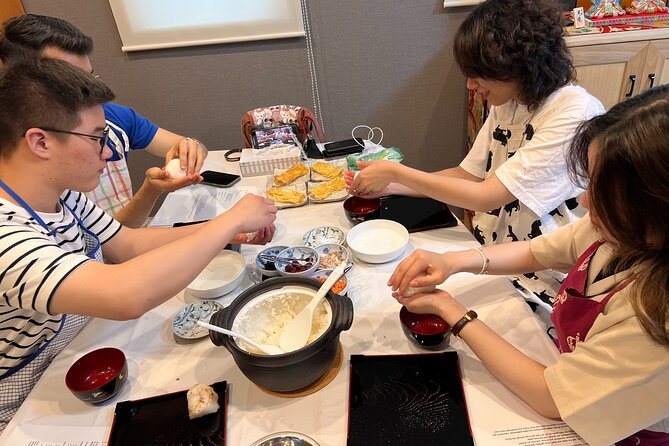
Many Osaka food experiences take place at a market stall, restaurant, or formal studio. This one takes you into a typical house, where the kitchen and dining room become your classroom. That change of setting matters. You are not only learning how a dish is assembled. You are seeing how Japanese food fits into an ordinary home meal.
Hisako and Naoko lead the session together. Their teaching style is patient and practical, with each recipe broken into easy steps. You can ask about ingredients, preparation methods, Japanese customs, or places to visit in Osaka while you cook.
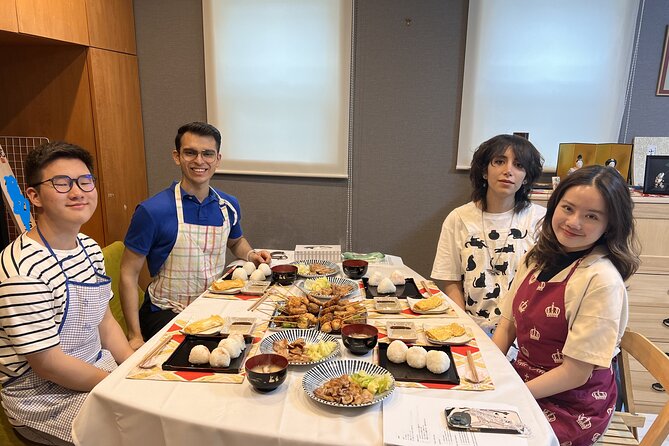
The private setup is especially useful for couples, families, and small groups with different cooking skills. If one person has never handled a kitchen task before, the hosts can give that person more help. If you already cook often, you can ask more detailed questions and move along faster.
The class lasts about two hours, beginning at 10:00 am. That gives you a pleasant morning activity and a lunch at the end, but you should keep your expectations in check. You will learn several useful methods, yet the clock does not allow long lessons on every dish or ingredient.
More Japanese home cooking classes:
- Osaka: Ramen and Gyoza Cooking Class in Dotonbori
★ 5.0 · 378 reviews - Osaka: Sumo Stage Show with Bento or Snack + Fight & Photo
★ 4.3 · 364 reviews - Osaka: Traditional Mochi Pounding Experience with Tasting
★ 4.9 · 306 reviews
Picking dishes you can make at home
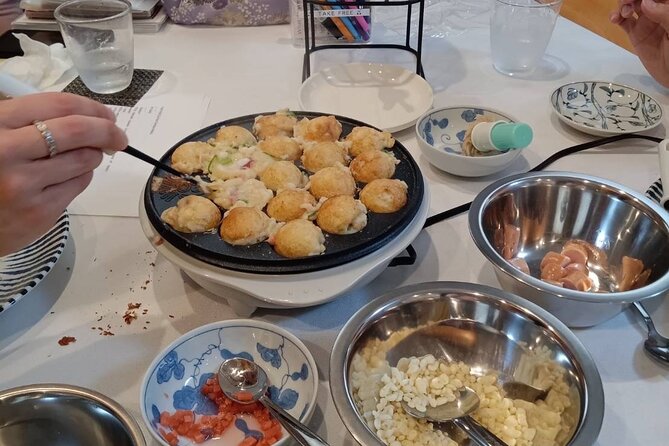
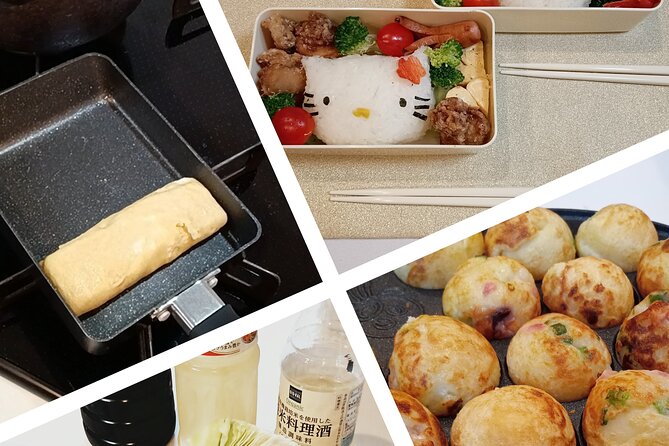
The menu includes several Japanese favorites, and the choice affects the feel of the class. Bento gives you the chance to prepare a colorful meal with several small components. It is a good fit if you want to understand presentation, portioning, and the careful arrangement associated with a Japanese lunch box.
Takoyaki offers a more distinctly Osaka experience. These round batter snacks are closely linked with the city, and making them gives you a hands-on way to learn a local specialty. If you want an Osaka dish with a strong sense of place, this is one of the most fitting choices.
Other reported menu choices include udon, onigiri, tempura, and beef stew. Udon and tempura create a useful pair because they involve different skills. You can make noodles from scratch and then practice frying, even if you have never fried food before. Onigiri is simpler, but it teaches a basic Japanese home-food staple that is easy to repeat in your own kitchen.
Beef stew may appeal to you if you prefer a comforting meal rather than a highly decorative one. The point of the menu is not just to produce something attractive for lunch. The recipes use methods and ingredients that you have a fair chance of handling again at home.
Ask about the available choices when you book or before the class begins. The supplied information gives examples rather than a fixed menu for every date, so you should not assume that all dishes are offered at every session.
A two-hour lesson with direct help
The class follows a simple rhythm. You arrive at the meeting point, enter the home, and begin cooking with the hosts. They demonstrate each part, then help you carry it out yourself.
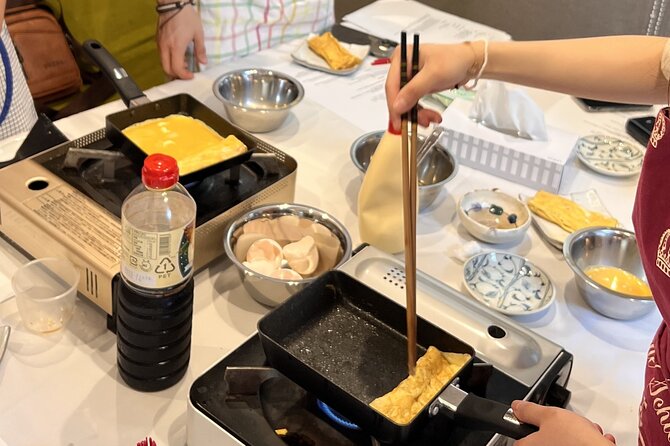
That hands-on approach is the main reason to choose this class over a food tour. A food tour lets you taste many things, but this class asks you to prepare the meal. You can see how ingredients change during cooking, learn the order of the steps, and ask why a particular technique is used.
Hisako and Naoko also offer encouragement while you work. That sounds like a small detail, but it matters when you are shaping onigiri, handling tempura, or trying to get a bento box to look neat. The teaching is aimed at regular home cooks, not professional chefs.
The private pace also helps with language questions. The hosts speak very good English according to the experience details, and you can ask about unfamiliar products or Japanese food habits as they come up. You are not trying to keep up with a large class or waiting for a turn at a shared workstation.
Still, two hours goes quickly. If your chosen menu includes several dishes, expect an active session rather than a slow, elaborate lesson. The class is best viewed as a focused introduction to Japanese home cooking, not a masterclass in every technique.
Supermarket advice that continues after lunch
One of the most useful parts of the experience is the guidance on Japanese supermarkets. Japanese food shops can be confusing at first. Labels, package sizes, unfamiliar vegetables, sauces, and prepared ingredients may leave you unsure about what to buy.
The hosts explain which ingredients are worth seeking out and how to approach shopping for Japanese dishes. This advice gives the recipes a practical edge. You are not only learning what to do in the kitchen, but also how to find the building blocks for the meal.
That is particularly helpful if you want to cook Japanese food after returning home. A recipe can be easy to follow once you own the ingredients, yet choosing the correct soy sauce, noodles, seasoning, or rice product may be the harder part. Direct supermarket tips can save you some guesswork.
I would treat this as guidance rather than a formal shopping tour. The activity does not include private transportation, and the stated meeting point is the home in Fukushima Ward. The supermarket advice is part of the cooking conversation, not a separate market visit.
A completely different way to spend a day in Osaka:
- Osaka Go Karting Tour with Funny Costume
★ 5.0 · 2,658 reviews - Osaka Castle: Museum and Tower Entry Ticket
★ 4.5 · 2,380 reviews - Osaka: Shinsekai Food Tour with 13-15 Dishes at 5 Eateries
★ 4.8 · 2,204 reviews - Osaka Food Tour: 13 Dishes at 5 Local Eateries
★ 5.0 · 2,149 reviews
Lunch, tea, and a look at home cooking
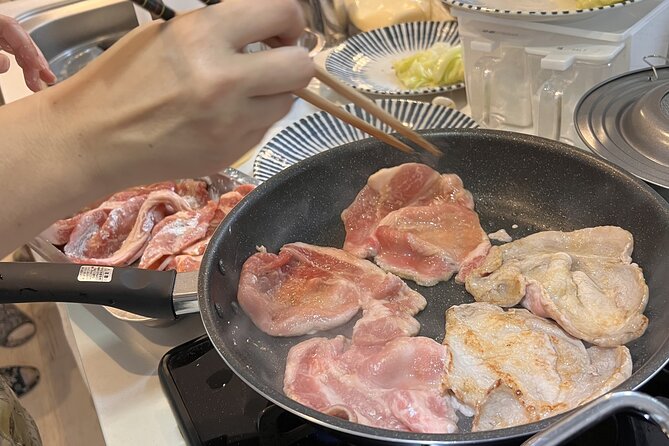
When the cooking is finished, you eat what you prepared for lunch. Water and Japanese tea are served with the meal. This shared table time gives the session a relaxed finish and lets you taste the results while they are fresh.
The meal also helps explain the difference between Japanese restaurant food and Japanese home cooking. Restaurant dishes may be more polished, specialized, or elaborate. At home, the focus is often on food that can be prepared with ordinary ingredients and served as part of a practical meal.
That distinction is valuable if you have already eaten well in Osaka. The class is not trying to compete with a restaurant dinner. It shows you another side of Japanese food culture, one based on preparation, routine, and sharing a meal at home.
The hosts can also answer questions about Japan while you eat. Several parts of the experience have a cultural angle, including the home setting and the chance to talk with local women about food and daily life. If you enjoy conversation as much as cooking, this adds real value.
Recipes, tea ceremony, and optional cultural touches
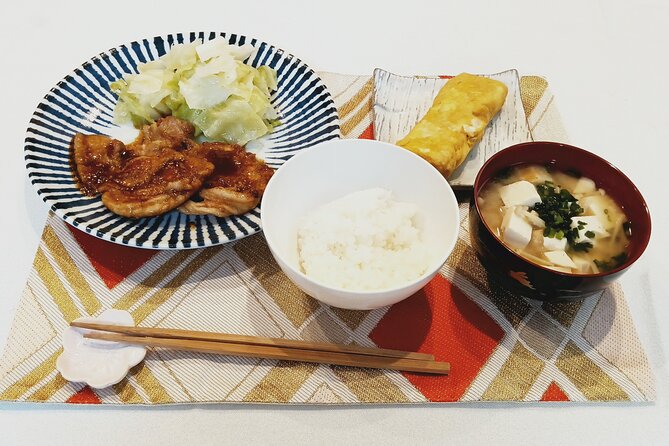
Printed recipes and instructions are provided for you to take home. I consider this one of the strongest practical features. Without written notes, it is easy to forget the order of steps once your holiday ends. A printed recipe gives you a better chance of making the dishes again.
The recipes are intended to be accessible. That does not mean every ingredient will be easy to find in your home country, but the methods are meant for home use rather than professional equipment.
Some sessions may also include a tea ceremony or traditional kimono experience. These details appear in the experience information, but they should not be treated as guaranteed features of every booking unless confirmed in advance. If that cultural element is important to you, ask the provider what your selected session includes.
The main activity remains the cooking class and lunch. The cultural additions can make the visit feel more special, but you should book it first and foremost for the food lesson.
Location, timing, and the value of $59.12
The price is $59.12 per person. For roughly two hours of private instruction, a meal, tea, recipes, and conversation with two local hosts, that is a fair price if you want active participation rather than simple sightseeing.
You are paying for more than lunch. The value comes from the personal attention, the use of a real home, the chance to choose dishes, and the ability to ask questions throughout the session. A similar meal at a restaurant may cost less, but it will not teach you how to prepare it or help you understand supermarket ingredients.
The price is less attractive if you mainly want to eat Osaka specialties. In that case, a restaurant meal or food walk may offer more variety. This class makes the most sense when you want to take a skill home with you.
The meeting point is 1-chōme-4-1 Tamagawa, Fukushima Ward, Osaka, postal code 553-0004. The activity is near public transportation and returns to the same meeting point. One experience detail refers to the SGS building, so check the final meeting instructions carefully rather than relying only on a map pin.
The 10:00 am start works well for a lunch activity. You will need to plan your morning around reaching the home on time, since the class is private and begins at a set hour. Mobile tickets are accepted, and booking confirmation is provided at the time of booking.
Who will get the most from this class
This is a strong choice for couples who want a shared activity with a meal at the end. Preparing dishes together gives you more to talk about than simply sitting across from each other at a restaurant.
Families can also benefit, especially if children are interested in food. The private setting gives the hosts more freedom to adjust the pace, though the supplied details do not specify a minimum age or particular child accommodations. Ask before booking if you have young children or special cooking needs.
It also suits first-time visitors who want a gentle introduction to Japanese culture. You get food, conversation, a home setting, and useful advice without having to commit to a full-day cultural program.
Experienced home cooks may enjoy it for different reasons. You can compare methods, ask about Japanese ingredients, and focus on dishes you do not usually make. The class may feel basic if you want advanced culinary training, but the direct access to the hosts keeps it useful.
People with strict dietary needs should contact the provider before booking. The supplied information does not list vegetarian, vegan, allergy, or religious-diet substitutions.
A strong record, with a few points to check
The experience has a 5 out of 5 rating from 24 published ratings, with 100% recommending it. The most consistent strengths are the warm teaching, clear instructions, recipes to take home, and the relaxed home atmosphere.
Hisako and Naoko receive particular praise for being patient and helpful. The cooking is explained in small steps, which is useful when making several dishes or trying a technique for the first time. The class also earns credit for fresh food and for letting participants prepare the meal themselves before eating it.
There are no major complaints in the supplied feedback, but the practical limits still matter. The class is only about two hours, menu availability may vary, and transportation is not included. You also need to confirm the exact meeting directions and any optional tea ceremony or kimono features before arrival.
Cancellation is flexible if you act early. You can receive a full refund by canceling at least 24 hours before the local start time. Cancellations or changes made inside that window are not accepted for a refund.
Should you book the Osaka home cooking class?
Book it if you want to learn by doing, meet local hosts, and eat a Japanese lunch you helped prepare. The private format, printed recipes, supermarket advice, and choice of dishes make this more useful than a quick demonstration.
I would especially recommend it to couples, families, and anyone who plans to cook Japanese food at home after the trip. Choose it over a food-focused sightseeing tour if conversation and practical skills matter as much as tasting.
Skip it if your main goal is a large range of Osaka dishes, a market visit with transportation, or advanced chef training. For everyone else, $59.12 buys a personal morning with a clear takeaway: you leave with a meal in your stomach and recipes you can try again.
FAQ
Where does the cooking class take place?
The class takes place in a real home in Osaka, in the kitchen and dining room of a typical house. The stated meeting point is 1-chōme-4-1 Tamagawa, Fukushima Ward, Osaka, 553-0004, Japan.
What time does the class start?
The stated start time is 10:00 am.
How long does the experience last?
The cooking class lasts approximately two hours.
Is the class private?
Yes. Only your group participates, and you can progress through the lesson at your own pace.
Who teaches the class?
The class is taught by Osaka hosts named Hisako and Naoko.
What dishes can you make?
The available choices include local specialties and home dishes such as bento, takoyaki, udon, tempura, onigiri, and beef stew. The exact menu may vary.
Is lunch included?
Yes. Lunch is included, and water and Japanese tea are served with the meal.
Can I cancel for a full refund?
Yes. You can cancel at least 24 hours before the experience start time for a full refund. Cancellations or changes made less than 24 hours before the start time are not refunded.
Just added around Osaka
- Nara Day Trip from Osaka with a Licensed Guide★ 5.0 · 3 reviews
- Osaka Early Morning Osaka Castle Tour Avoid Crowds★ 5.0 · 3 reviews
- Guided Tour of Some Attractions in Osaka by Private Car★ 5.0 · 3 reviews
- Private Transfer Between Kyoto and Kansai Airport KIX★ 5.0 · 3 reviews
- Shared Arrival Transfer: Osaka Itami Airport to Osaka City★ 5.0 · 3 reviews
- Osaka: Sushi Making Class and Dotonbori Food Tour★ 4.7 · 3 reviews
- Osaka Night Photography Workshop★ 5.0 · 3 reviews
- Kyoto Full day Tour Kinkakuji, Kiyomizu-dera and Fushimi Inari★ 4.5 · 3 reviews
Osaka Cooking Classes, compared.


Sumo Stage Show with Bento or Snack + Fight & Photo
Read our review →
Traditional Mochi Pounding Experience with Tasting
Read our review →
Osaka Cooking Class: Okonomiyaki &Japanese cuisines experience
Read our review →


Osaka Sake Tasting & Takoyaki Cooking Experience
Read our review →
Cooking Ramen&Gyoza/KatsuCurry/Bento/Okonomiyaki+Store Tour@Osaka
Read our review →Browse the lists this tour appears in