
Reviewed · HISTORICAL TOURS
Private Day Tour of Historic Osaka
Osaka’s past comes into focus on this eight-hour private tour, which links four very different sights: an ancient Shinto shrine, one of Japan’s oldest Buddhist temples, a rebuilt samurai castle, and the retro streets of Shinsekai. You move on foot and by public transport, so the day gives you both major landmarks and a feel for how Osaka works.
I like the clear historical arc, from the arrival of Buddhism to the age of the samurai and the nostalgic streets of the modern city. I also like the private format, especially if you want to ask questions or adjust the pace. The main caution is cost: at $220.96 per person, plus about 2,500 Japanese yen for lunch and 2,000 yen for transport, this is not a budget sightseeing day.
In This Review
- Key points to know before booking
- Four eras of Osaka in one practical day
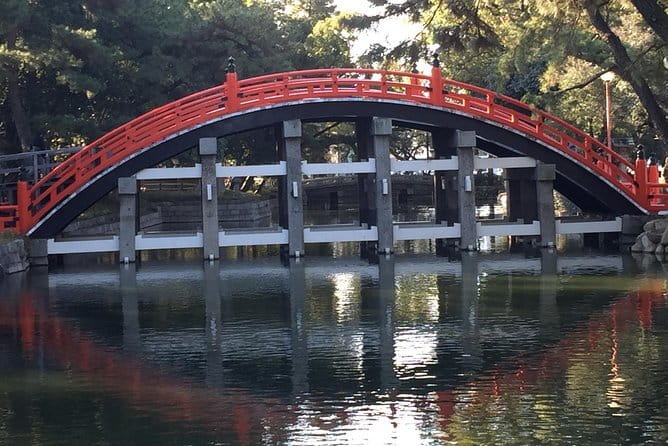
- Sumiyoshi Taisha, Osaka’s ancient starting point
- Shitennoji and the arrival of Buddhism
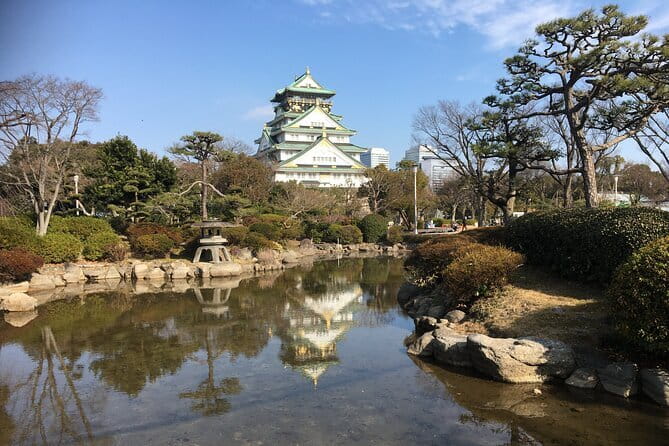
- Osaka Castle and the samurai story
- Shinsekai and the Tsutenkaku tower
- What the private format adds
- Walking, trains, and the shape of the day
- Price, extra costs, and overall value
- Who will get the most from this tour
- Booking details worth checking
- Should you book the Private Day Tour of Historic Osaka?
- FAQ
- How long is the Private Day Tour of Historic Osaka?
- Where does the tour start?
- Where does the tour finish?
- Which attractions are visited?
- Is this a private tour?
- Are lunch, transport, and admission tickets included?
- Can I cancel for a full refund?
Key points to know before booking
- Four major Osaka sights in one day: Visit Sumiyoshi Taisha, Shitennoji, Osaka Castle, and Shinsekai.
- A private guide for your group: You do not share the activity with other participants.
- Strong language support: Guide Mouloud has been praised for speaking English, French, and Japanese.
- Mostly active sightseeing: Expect walking, train or subway travel, and a moderate level of physical activity.
- Start and finish in different districts: Meet near Tennoji Station and finish in Shinsekai.
- Budget beyond the tour price: Lunch and local transport are listed separately, so confirm exactly what is included before paying.
Four eras of Osaka in one practical day
This tour works because the stops are not random. Together, they tell a simple story about Osaka and Japan.
You begin with Shinto, the native religious tradition of Japan. Then you move to Shitennoji, where Buddhism took root. Osaka Castle brings in the military and political world of samurai Japan. Finally, Shinsekai shifts the mood to a more recent Osaka, filled with retro character and the famous Tsutenkaku tower.
That range is useful if you have limited time. You will not see every part of Osaka, but you will get a broad introduction to the city’s spiritual, political, and popular culture.
The private setting also changes the feel of the day. You can ask why a shrine gate looks different from a temple entrance, pause for clarification, or spend more time at a favorite stop. The tradeoff is that the price per person is higher than a large group excursion.
A few more Osaka tours and experiences worth a look
- Osaka: Castle History Walking Tour / Castle Tower Admission
★ 4.9 · 230 reviews - Osaka: Osaka Castle & Historical Museum Guided Tour
★ 4.8 · 28 reviews - Osaka Castle & Samurai History Walking Tour
★ 5.0 · 22 reviews
Sumiyoshi Taisha, Osaka’s ancient starting point
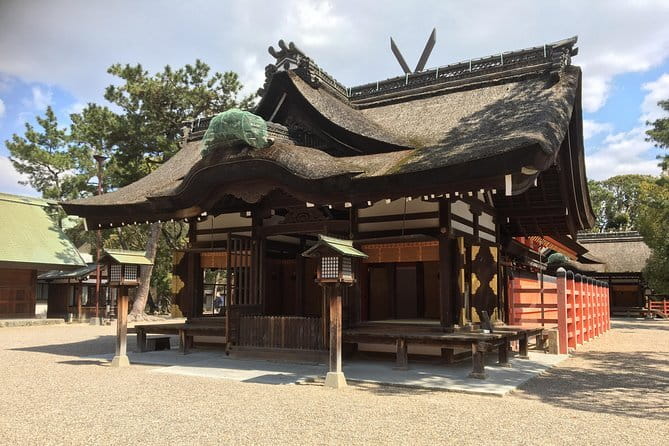
The day begins at Tennojiekimae Station at 9:00 am, then continues to Sumiyoshi Taisha. The shrine is linked to the year 211 and is described as having about 1,800 years of history. That makes it one of the oldest Shinto shrines in Japan.
The appeal here is not simply age. Sumiyoshi Taisha gives you an early look at Japanese religious architecture and the visual language of Shinto. You can expect traditional buildings, shrine grounds, and a calm setting that feels quite different from Osaka’s commercial districts.
Two hours is a generous allocation. It gives the guide time to explain the shrine’s importance instead of rushing you through the entrance, main buildings, and surrounding grounds. If this is your first Japanese shrine, that extra time matters. A guide can help you understand the basic customs and point out features you might otherwise pass without noticing.
The admission ticket is not included in the stop details, so you should allow for an entrance charge if one applies. The supplied information also says that transportation and lunch are not included, despite a separate note saying guide fees include transportation, lunch, and entrance fees. This is an important point to settle with Nara Guide before departure.
Shitennoji and the arrival of Buddhism
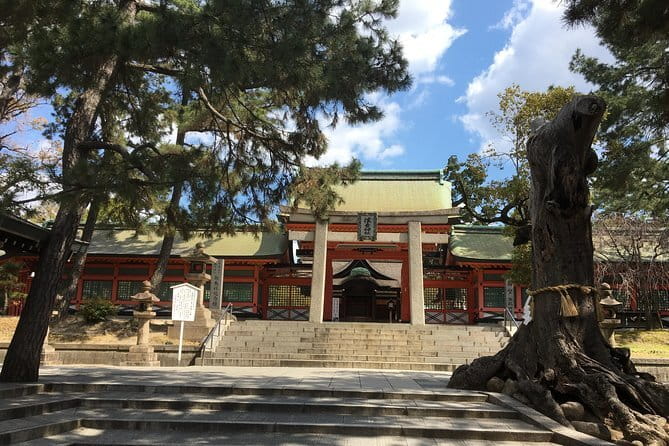
Next comes Shitennoji, dating from 593. It is associated with the arrival of Buddhism in Japan and is considered one of the country’s oldest temples.
This is a strong stop for history lovers because it shows a major change in Japanese religious life. At Sumiyoshi Taisha, the focus is Shinto. At Shitennoji, you see the tradition that arrived from outside Japan and became a major force in the country.
The planned visit lasts about one hour. That is enough for an introduction, though not enough for a slow, detailed study of every building or feature. If you want a long temple visit with extended quiet time, the schedule may feel brisk. If you prefer a day with several contrasting stops, the one-hour plan keeps things moving.
Admission is listed as not included. You should also remember that the tour uses public transport and walking rather than a private vehicle. The route is practical, but the day will require you to stay with the guide and manage ordinary city movement.
Osaka Castle and the samurai story
The largest time block goes to Osaka Castle, with about two hours planned. Built at the end of the 16th century and rebuilt in 1931, the castle has survived a long series of changes and remains one of Osaka’s best-known symbols.
This is where the day turns from religious history to the world of samurai power. A guide can help connect the castle to the political struggles of late 16th-century Japan and explain why Osaka became such an important place.
The word castle can be misleading if you picture an untouched medieval fortress. The current structure was rebuilt in the 20th century, so you are seeing a modern reconstruction of a much older site. That does not make it unimportant. It means the value comes from the setting, the story, and the way the castle represents Osaka, rather than from an original medieval interior alone.
Two hours allows a more measured visit than a quick photo stop. You may have time to take in the grounds and learn about the castle’s role in Japanese history. Entrance fees are listed as separate, so check whether the guide has already covered them before you arrive.
A completely different way to spend a day in Osaka:
- Osaka Go Karting Tour with Funny Costume
★ 5.0 · 2,658 reviews - Osaka Castle: Museum and Tower Entry Ticket
★ 4.5 · 2,380 reviews - Osaka: Shinsekai Food Tour with 13-15 Dishes at 5 Eateries
★ 4.8 · 2,204 reviews - Osaka Food Tour: 13 Dishes at 5 Local Eateries
★ 5.0 · 2,149 reviews
Shinsekai and the Tsutenkaku tower
The final stop is Shinsekai, where the mood changes again. This district is known for its retro atmosphere, Tsutenkaku tower, and nostalgic character associated with the 1970s.
After the formal spaces of the shrine, temple, and castle, Shinsekai offers a more everyday side of Osaka. The streets have a different visual style and a lighter, more old-fashioned mood. It is a good finish because you can compare the city’s religious and political landmarks with a neighborhood shaped by popular culture and entertainment.
The visit is scheduled for about one hour and ends at Magic Cafe & Bar Shinsekai, at 3-chome-2-27 Ebisuhigashi. The tour does not appear to include a meal here, but this is a sensible area for lunch or a snack if your timing allows.
Tsutenkaku is the district’s best-known landmark, but admission to the tower is not specifically included. Ask before booking if you want to go inside rather than simply see it from the streets.
What the private format adds
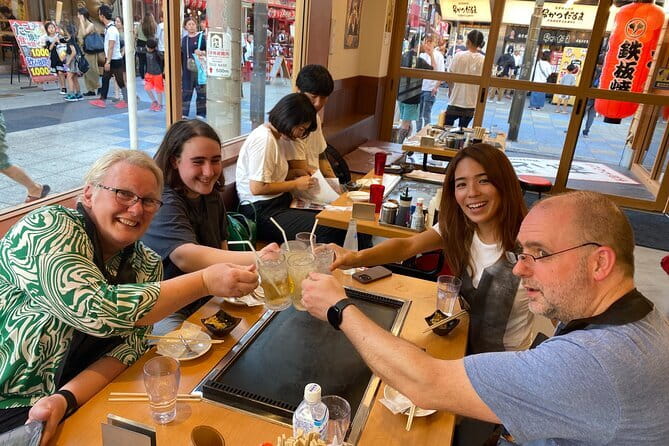
A private tour is most useful when you want context, not just transportation between sights. The listed group arrangement means only your party participates, so the guide can focus on your interests.
For a first visit to Osaka, this can save effort. You do not need to work out the sequence of four widely different attractions on your own, and you can ask questions as the day develops. If you have already studied Japanese history or visited several temples and castles, you may find the fixed route less necessary.
The guide is a major part of the experience. Mouloud is described as speaking English, French, and Japanese, with strong Japanese ability and clear explanations of Osaka’s history. That combination is especially useful if your group includes French speakers or if you want more than basic sightseeing commentary.
Still, guide quality can vary by date and assignment. Mouloud’s language skills are a notable advantage when he leads, but you should confirm the guide for your booking if that matters to you.
Walking, trains, and the shape of the day
This is not a coach tour. You visit the sights on foot and by public transport, beginning near Tennojiekimae Station and ending in Shinsekai.
That arrangement gives you a more direct sense of Osaka. You see how the districts connect, use the city’s transport system, and spend time at street level. For many people, that is more useful than being driven from gate to gate.
The practical cost is energy. The tour asks for a moderate level of physical fitness, and each major stop involves walking. Comfortable shoes are a sensible choice. You should also expect the day to include station movement and changes between sightseeing locations.
The itinerary allows about six hours at the four stops, leaving roughly two hours for travel, transitions, and breaks within an eight-hour day. That is a reasonable structure, but it leaves little room for major delays or long unplanned meals.
Price, extra costs, and overall value
The listed cost is $220.96 per person. For a private eight-hour experience with a dedicated guide, that may be fair for a couple, family, or small group that values personal attention. It is harder to justify if you are traveling alone or mainly want entry to the most famous sights.
You should budget about 2,500 Japanese yen per person for lunch and approximately 2,000 yen per person for transport. Entrance fees are also marked as not included in the stop details.
There is a confusing contradiction in the supplied cost information. One section says guide fees include transportation, lunch, and entrance fees, while the separate inclusions and exclusions say lunch, transport, and attraction tickets are extra. Do not assume those costs are covered. Ask Nara Guide for a written breakdown before booking.
Group discounts may improve the per-person value if you are traveling with several people. Since the activity is private, a larger group can spread the guide cost across more participants, subject to the provider’s discount rules.
Who will get the most from this tour
I would consider this tour a good fit for a first-time Osaka visitor who wants the main historical themes explained in one day. It also suits anyone who prefers a private guide to independent planning and public transport to a sealed vehicle.
It is particularly useful for:
- Couples who want a private sightseeing day
- Families seeking a structured introduction to Osaka
- French-speaking visitors who may be matched with Mouloud
- History fans interested in Shinto, Buddhism, samurai politics, and Osaka’s modern past
- Visitors with only one full day for major historical sights
I would be more cautious if you want a relaxed day with long meals and open-ended wandering. The route is full, and the moderate fitness requirement is real. You may also prefer independent visits if you already know Osaka well.
Booking details worth checking
Confirmation is provided when you book. The meeting point is Tennojiekimae Station, at 1 Chome-5 Abenosuji in Abeno Ward, and the start time is 9:00 am.
The tour ends at Magic Cafe & Bar Shinsekai, at 3-chome-2-27 Ebisuhigashi in Naniwa Ward. Since the start and finish are in different locations, plan your evening from Shinsekai rather than from the morning meeting point.
The activity is near public transportation, and service animals are allowed. It is private, so only your group takes part. Free cancellation is available until 24 hours before the start time. After that point, the payment is not refunded, and changes made within 24 hours are not accepted.
Should you book the Private Day Tour of Historic Osaka?
Book it if you want a guided introduction to Osaka that connects four very different periods and places. The private format, public transport, and possible language support from Mouloud give the day a personal and practical feel.
Skip it if the price feels high once lunch, transport, and admissions are added, or if you prefer to spend a whole day at one castle, temple, or neighborhood. Before booking, confirm the unclear inclusion details and ask who will guide your group.
For a first visit, this is a well-shaped history day. It gives you ancient religion in Sumiyoshi Taisha, Buddhism at Shitennoji, samurai-era Osaka at the castle, and the city’s retro side in Shinsekai. That is a lot of Osaka in eight hours, but the schedule makes sense.
FAQ
How long is the Private Day Tour of Historic Osaka?
The tour lasts approximately eight hours, beginning at 9:00 am.
Where does the tour start?
The meeting point is Tennojiekimae Station, at 1 Chome-5 Abenosuji in Osaka’s Abeno Ward.
Where does the tour finish?
The tour ends at Magic Cafe & Bar Shinsekai, at 3-chome-2-27 Ebisuhigashi in Osaka’s Naniwa Ward.
Which attractions are visited?
The route includes Sumiyoshi Taisha Shrine, Shitennoji Temple, Osaka Castle, and the Shinsekai district with Tsutenkaku tower.
Is this a private tour?
Yes. Only your group participates in the activity.
Are lunch, transport, and admission tickets included?
The information provided is inconsistent. One section says guide fees include transportation, lunch, and entrance fees, while another lists lunch and transport as extra and marks admission tickets as not included. Confirm the final inclusions with Nara Guide before booking.
Can I cancel for a full refund?
Yes. You can cancel at least 24 hours before the experience start time for a full refund. Cancellations or changes made less than 24 hours before the start time are not accepted for a refund.
Just added around Osaka
- Nara Day Trip from Osaka with a Licensed Guide★ 5.0 · 3 reviews
- Osaka Early Morning Osaka Castle Tour Avoid Crowds★ 5.0 · 3 reviews
- Guided Tour of Some Attractions in Osaka by Private Car★ 5.0 · 3 reviews
- Private Transfer Between Kyoto and Kansai Airport KIX★ 5.0 · 3 reviews
- Shared Arrival Transfer: Osaka Itami Airport to Osaka City★ 5.0 · 3 reviews
- Osaka: Sushi Making Class and Dotonbori Food Tour★ 4.7 · 3 reviews
- Osaka Night Photography Workshop★ 5.0 · 3 reviews
- Kyoto Full day Tour Kinkakuji, Kiyomizu-dera and Fushimi Inari★ 4.5 · 3 reviews
Historical Tours, compared.
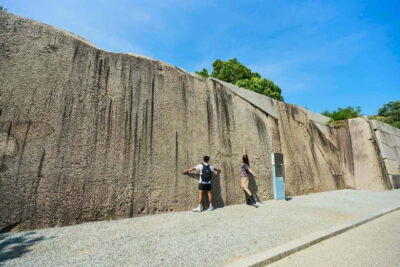
Castle History Walking Tour / Castle Tower Admission
Read our review →
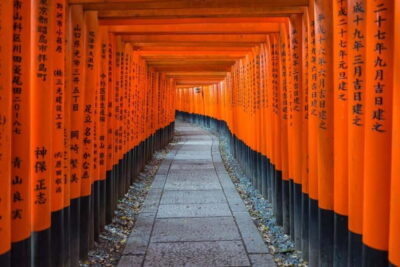
Kyoto & Nara & Uji Historical and Scenic One-Day Tour
Read our review →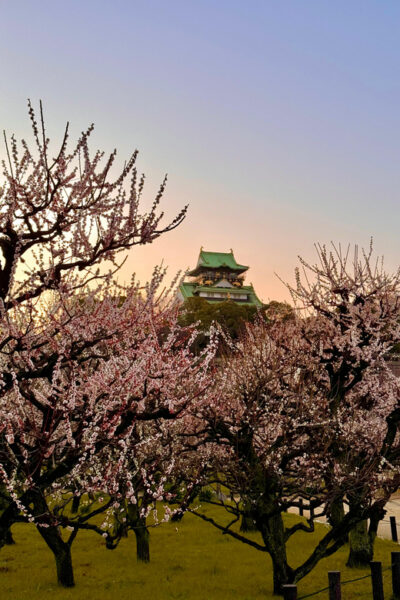
(Ticket Included) Explore Osaka Castle & Museum of History
Read our review →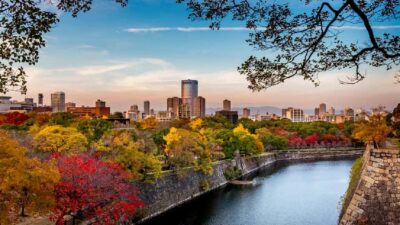
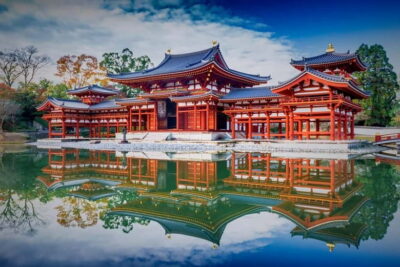
Kyoto & Uji Historical Sites and Scenic Delights Tour
Read our review →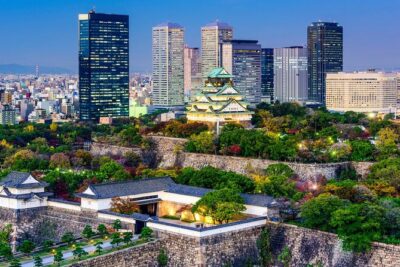
Osaka Private Pop Culture Tour: Historic Tenma to Dotonbori
Read our review →Browse the lists this tour appears in