
Reviewed · OSAKA HIGHLIGHTS & HIDDEN GEMS TOURS
Osaka: Visit the must-see places.
Osaka reveals itself in layers on this Spanish-language city tour: a feudal castle, Japan’s oldest Buddhist temple, a temple with statues made from human ashes, old-school Shinsekai, and the neon streets of Dotombori. Guide Manuel Pérez keeps the day moving while explaining the history and customs behind each stop.
I like the way the route mixes major sights with everyday Osaka, especially Kuromon Market and kushikatsu in Shinsekai. I also like having a guide who can explain Japan in Spanish and offer food recommendations along the way. The trade-off is a long, walking-heavy day that uses the subway, so bring comfortable shoes, cash or an ICOCA, SUICA, or PASMO card, and do not expect a wheelchair-friendly outing.
In This Review
- Key points to know before booking
- Why this route gives you a useful first look at Osaka
- Starting at Osaka Castle and the Toyotomi story
- Shitennoji Temple and the arrival of Buddhism
- Isshin-ji and a distinctive Buddhist memorial tradition
- Shinsekai, Tsutenkaku, and Osaka on a skewer
- Kuromon Market and the price of eating well
- Namba and Dotombori after dark-style Osaka
- How Manuel Pérez shapes the experience
- Subway travel, walking, and what to bring
- Who gets the best value from the $73 price
- Should you book this Osaka highlights tour?
- FAQ
- What language is the tour conducted in?
- Who is the tour guide?
- Where does the tour begin?
- Where does the tour end?
- Which major sights are included?
- Is transportation included?
- Are meals and drinks included?
- What should I bring?
- Is the tour suitable for wheelchair users or baby carriages?
- What is the cancellation policy?
Key points to know before booking
- Osaka Castle begins the day with Toyotomi Hideyoshi and the Sengoku period, giving you a useful base for understanding Osaka’s past.
- Shitennoji and Isshin-ji offer two very different religious experiences, from an ancient Buddhist temple complex to unusual memorial statues made with human ashes.
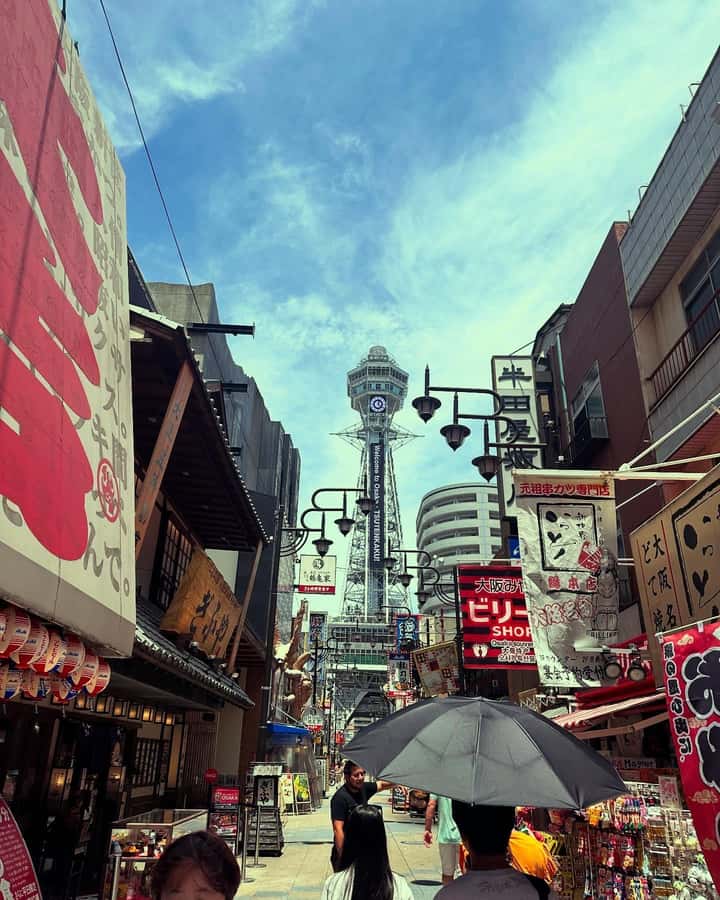
- Shinsekai brings retro Osaka, Tsutenkaku Tower, and kushikatsu, the city’s famous fried skewers.
- Kuromon Market is the food stop, with sushi, seafood, wagyu beef, and other local specialties available at your own expense.
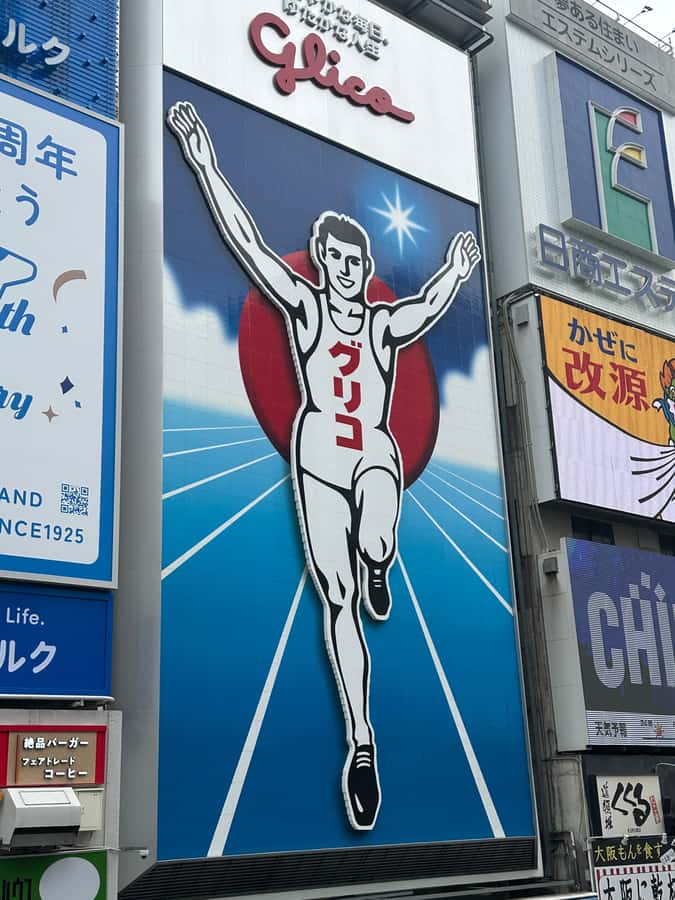
- Namba and Dotombori finish the route in Osaka’s entertainment center, including the Glico Man and Kani Doraku crab signs.
- Manuel Pérez guides in Spanish, while you pay your own subway fares, meals, drinks, and personal costs.
Why this route gives you a useful first look at Osaka
Osaka can feel scattered at first. Its historic sights sit in different districts, while its food and nightlife centers are concentrated farther south. This tour solves that puzzle in one carefully packed route, linking castle grounds, temples, markets, and entertainment streets by subway.
That makes the $73 price easier to judge. You are not simply paying for entry to one attraction. You are paying for a Spanish-speaking guide, local orientation, historical explanation, and help connecting places that would take more planning to arrange alone. The admission fees, food, drinks, and subway fares are not included, so your final cost will be higher.
I would see this as a city orientation tour rather than a slow, specialist visit. You get a broad picture of Osaka and several of its most recognizable places. If you want to spend hours inside Osaka Castle or sit quietly in one temple garden, the pace may feel brisk.
More highlights and hidden gems tours:
- Osaka Kickstart: Hotspots & Hidden Gems Tour
★ 5.0 · 1,306 reviews - Ultimate Osaka Walking Tour: Castle, Dotonbori & Hidden Gems
★ 5.0 · 862 reviews - Osaka: Main Sights and Hidden Spots Guided Walking Tour
★ 4.9 · 702 reviews
Starting at Osaka Castle and the Toyotomi story
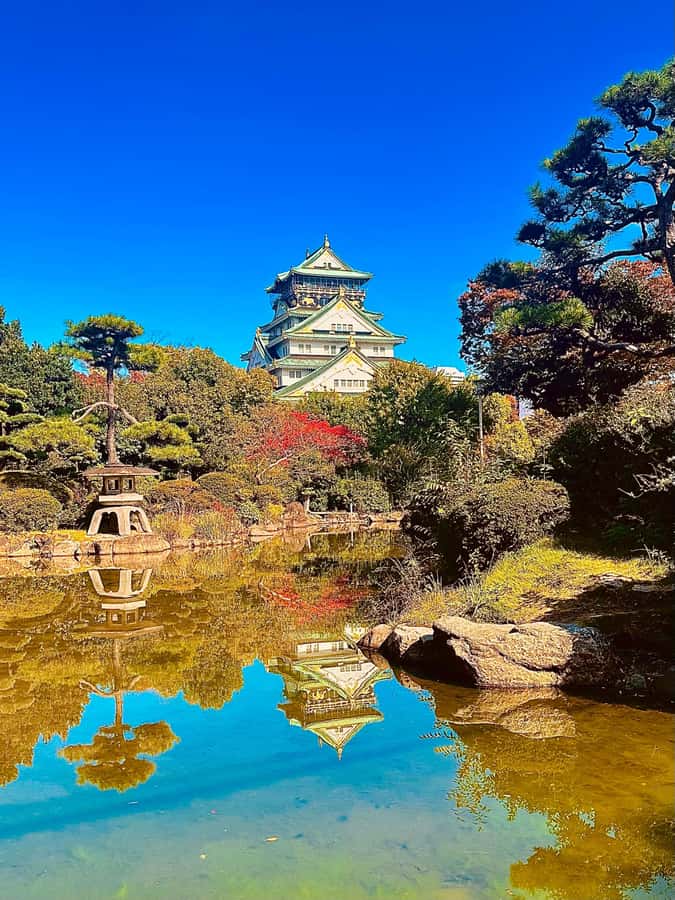
The meeting point is Exit 3B at Morinomiya subway station. From there, the first major stop is Osaka Castle, one of the city’s best-known landmarks and a powerful introduction to its political past.
Toyotomi Hideyoshi built the original castle in the 16th century, during the Sengoku period, when rival military leaders fought to control Japan. Your guide can place the castle within that period instead of treating it as just a photogenic building. The surrounding park also gives you room to see the castle from outside and understand its scale.
The tour description emphasizes the castle and its extensive grounds, not a guaranteed museum visit or a particular amount of time inside the tower. Keep that distinction in mind when planning your day. If entering the castle interior is essential to you, ask Manuel what the schedule allows and whether an admission ticket is needed.
I like opening with Osaka Castle because it gives the rest of the day a frame. Later, when you visit old temples and modern entertainment districts, you will have a clearer sense of how many different eras sit side by side in Osaka.
Shitennoji Temple and the arrival of Buddhism
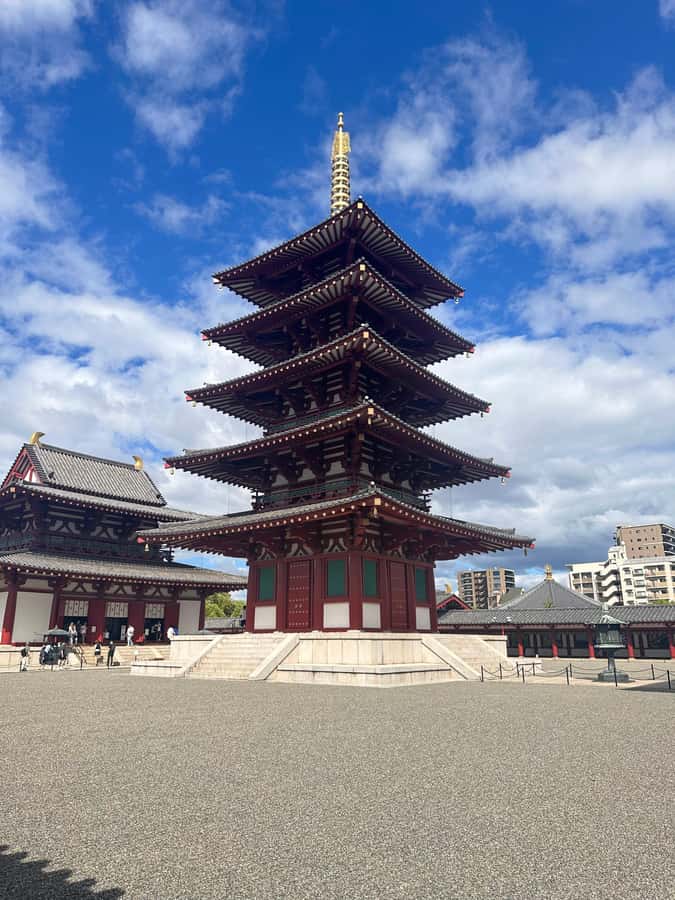
Next comes Shitennoji, founded in 593 and described here as Japan’s oldest Buddhist temple. Its importance is not only visual. It connects Osaka to the early arrival of Buddhism and to the way religious ideas shaped Japanese culture.
The temple grounds include a serene garden and a five-story pagoda. This is a good place to slow down briefly after the castle grounds and the subway ride. The setting offers a change of mood: less military history, more ritual, architecture, and quiet observation.
A guide adds value here because temple features can be easy to pass without context. Manuel can explain why the site matters and help you notice details that might otherwise blend into the scenery. One family also appreciated that he stayed attentive to parents and a seven-year-old child throughout the route, although the walking and subway transfers still make this a demanding outing for small children.
You should dress for the conditions. Comfortable clothes and shoes are specifically recommended, and Osaka’s heat can make a long day harder. One Spanish-language review specifically praised Manuel’s care during hot weather, but you should still plan your own water and rest needs.
Isshin-ji and a distinctive Buddhist memorial tradition
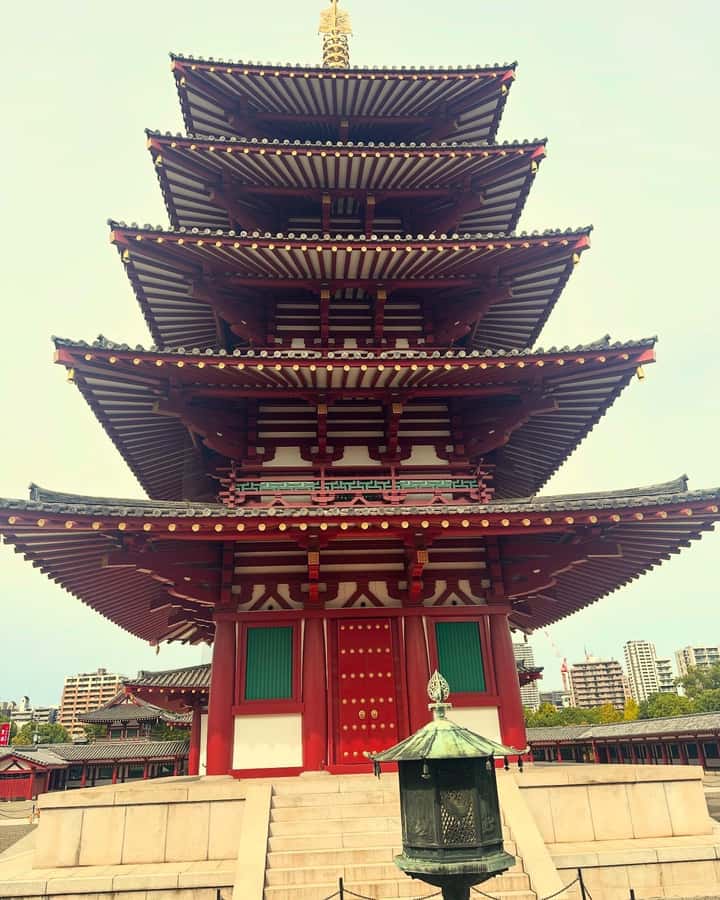
Isshin-ji Temple gives the religious portion of the route a very different character. It houses Buddhist statues made from human ashes, a memorial practice connected with honoring the deceased.
This is not a standard sightseeing stop, and that is its appeal. The temple offers a direct look at how Buddhism and funeral customs can meet in Japan. It also calls for respectful behavior. You are visiting an active sacred place connected with death and remembrance, not a novelty display.
Some visitors may find the subject unsettling or emotionally heavy. If that kind of memorial tradition is not for you, this stop deserves consideration before you book. For others, it can be one of the most memorable parts of the day because it presents a side of Japanese religious culture that is rarely covered by a quick city highlights tour.
Manuel’s role matters here. The practice needs explanation and context, and a Spanish-speaking guide can help you understand what you are seeing without reducing it to a strange photo stop.
A completely different way to spend a day in Osaka:
- Osaka Go Karting Tour with Funny Costume
★ 5.0 · 2,658 reviews - Osaka Castle: Museum and Tower Entry Ticket
★ 4.5 · 2,380 reviews - Osaka: Shinsekai Food Tour with 13-15 Dishes at 5 Eateries
★ 4.8 · 2,204 reviews - Osaka Food Tour: 13 Dishes at 5 Local Eateries
★ 5.0 · 2,149 reviews
Shinsekai, Tsutenkaku, and Osaka on a skewer
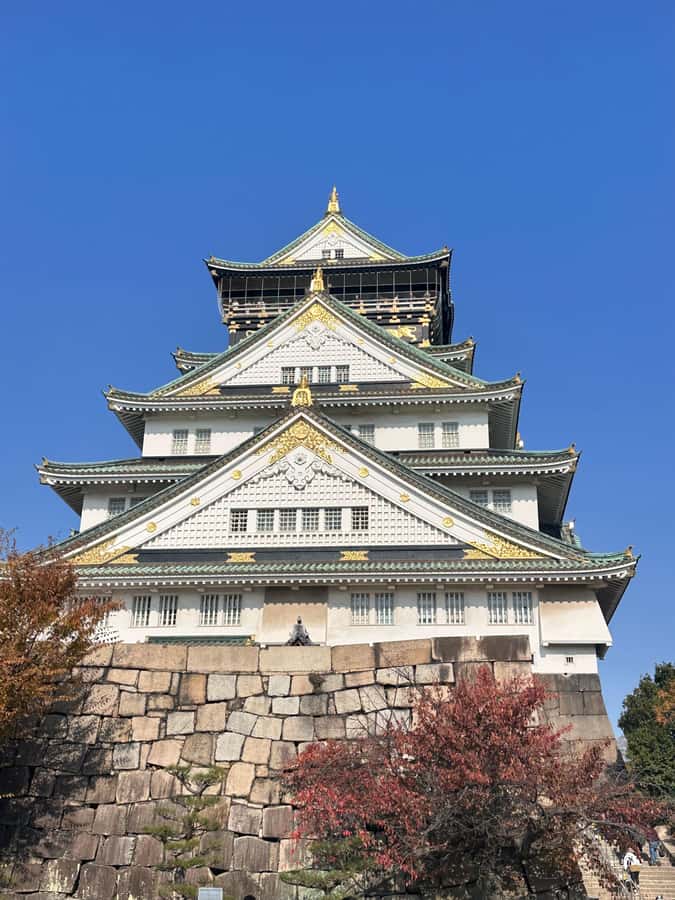
The route then shifts from temples to Shinsekai, a neighborhood known for neon signs, traditional restaurants, and a retro atmosphere. The district feels different from polished shopping zones. Its identity is tied to older entertainment culture and casual eating.
Tsutenkaku Tower is the area’s familiar landmark. You can admire it while walking through the streets, but the supplied details do not promise a visit to the observation deck. If you want to go up the tower, confirm whether the schedule and ticket arrangements permit it.
This is also the place to try kushikatsu, fried meat, seafood, and vegetables served on skewers. Meals are not included, so you choose and pay for your own food. That is useful if you have strong preferences, but remember that a busy itinerary may not leave time for a long sit-down meal.
I like this stop because it connects Osaka’s personality with its food. The dish is casual, filling, and tied to the neighborhood. Ask Manuel for recommendations if you are unsure what to order. He has offered food advice during the tour and can help you make a choice in Spanish.
Kuromon Market and the price of eating well
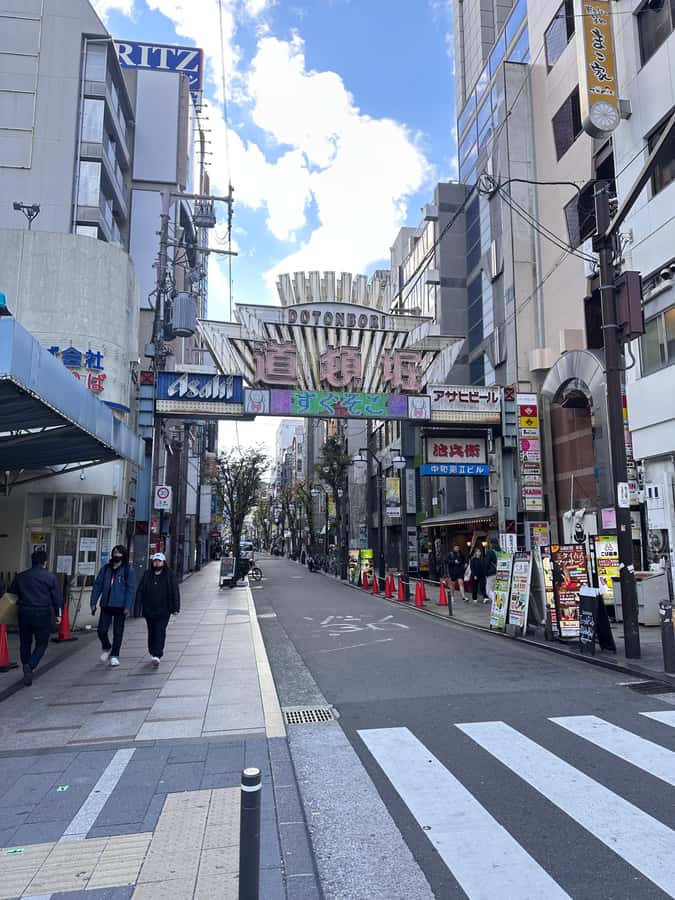
Kuromon Market is the day’s main food-focused stop. It is known for fresh produce and Osaka specialties such as sushi, seafood, and wagyu beef. You can browse first, then decide what deserves your cash.
Bring cash. The tour requires you to carry cash or a transportation card for the subway, and cash is also useful for personal food purchases. Meals, drinks, and all personal expenses are separate from the $73 tour price.
The market works best when you treat it as a tasting stop rather than a formal meal included in the tour. You might find small portions or individual specialties that let you sample several things, but the exact food experience depends on what you choose to buy and what is available that day.
This is one of the route’s strongest practical features. A guide can point you toward local specialties and explain what you are looking at, while you remain in control of your budget. If you have a limited food budget, set it before arriving. Market snacks, seafood, sushi, and wagyu can add up quickly.
Do not expect the market to be a quiet cultural museum. It is a working food destination, and your visit is likely to involve crowds, displays, smells, and plenty of temptation. That is precisely why it belongs on an Osaka introduction.
Namba and Dotombori after dark-style Osaka
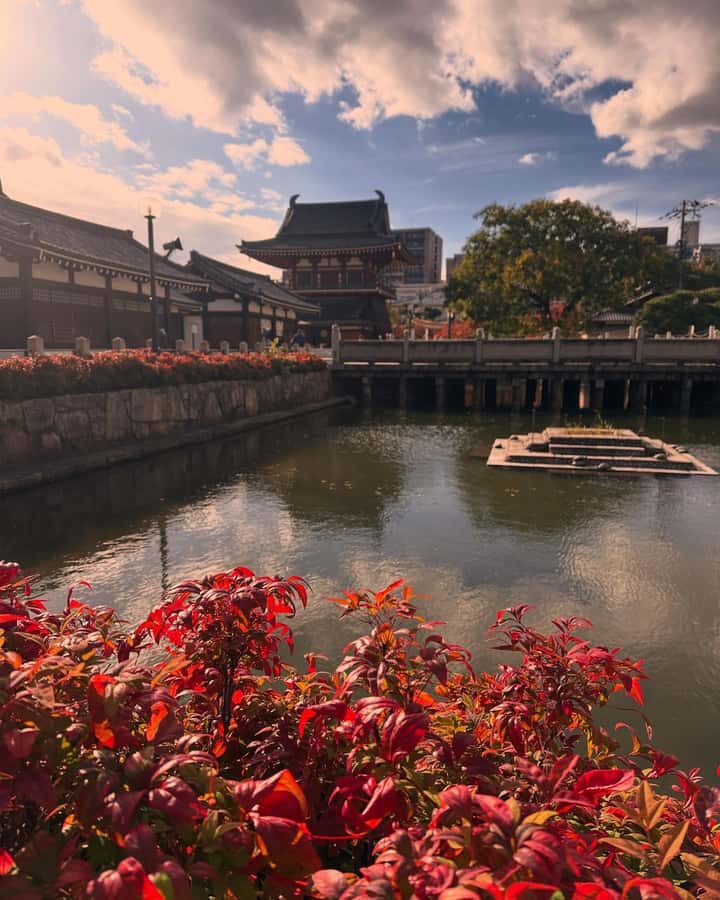
The final section takes you to Namba and Dotombori, the city’s best-known entertainment and dining center. Bright signs, large restaurant displays, and packed streets create a sharp contrast with the temple grounds earlier in the day.
The classic photo stops are the Glico Man sign and the animated crab outside Kani Doraku. These are commercial landmarks, but they are also part of Osaka’s public identity. If you have seen images of Osaka’s canal district, this is likely the scene you recognize.
Dotombori is easy to enjoy on your own once you know where it is. The value of arriving with Manuel is that you finish the day with a basic map of the district and food ideas to use later. One useful feature of the experience is that the guide sends recommendations for places to eat, according to the information provided by participants who toured with him.
Namba and Dotombori can also be sensory overload after a full day. If you prefer small lanes and quiet neighborhoods, this ending may feel loud and commercial. If you want Osaka’s famous signs, food culture, and nightlife atmosphere, it is the right finale.
How Manuel Pérez shapes the experience
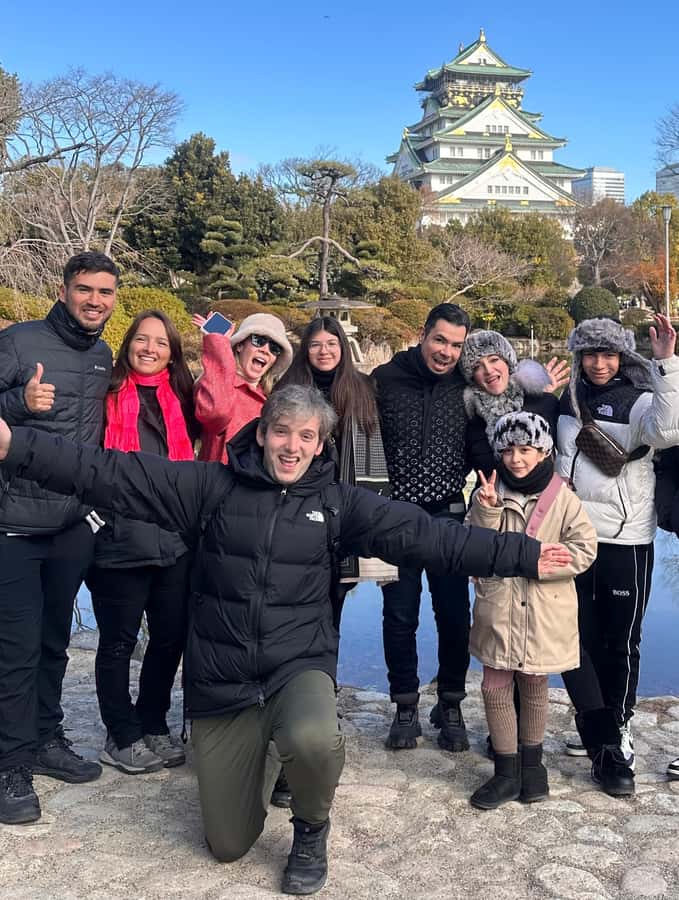
The guide is Manuel Pérez, and the strongest praise centers on his care, clear explanations, punctuality, and personal recommendations. He explains Japanese and Osaka history in detail, answers questions, and pays attention to the group’s needs.
That last point is worth weighing. This is not just a route between famous places. Manuel has adjusted his attention to a family with a seven-year-old, helped participants during hot weather, and offered restaurant suggestions. Those details matter when you are spending a full day moving through an unfamiliar city.
The language is Spanish. That makes the tour especially useful if you want history and cultural explanations in Spanish rather than relying on a guidebook or translation app. If you do not speak Spanish, this is not the right booking choice.
The group size is not specified, so I would not assume a private tour or a small group. Ask before booking if group size affects your decision.
Subway travel, walking, and what to bring
You meet at Morinomiya Station and use the subway during the tour. Your own transportation is not included, so you must bring cash or an ICOCA, SUICA, or PASMO card to pay the fares. The guide accompanies the route, but you remain responsible for your transport costs.
The itinerary covers several districts, so expect repeated subway travel and substantial walking. Comfortable shoes are essential. Wear light, comfortable clothes, especially if you are visiting during hot weather.
Baby carriages are not allowed, and the tour is not suitable for wheelchair users. Those limits are important because the day includes station transfers, temple grounds, market streets, and busy entertainment areas.
The tour ends back at the meeting point. Since no exact duration is supplied, do not schedule a tight appointment immediately afterward. The route is extensive, and food stops, explanations, and transport can affect the finishing time.
Who gets the best value from the $73 price
At $73 per person, this experience makes the most sense if you value Spanish-language guidance and efficient city coverage. The guide connects seven major Osaka areas and gives you background that would take time to research on your own.
I would recommend it for a first visit, especially if you want to see Osaka Castle, the main temples, Shinsekai, Kuromon Market, and Dotombori in one organized day. It also suits families with older children who can manage walking and public transport, as well as couples who want food suggestions and cultural explanation without arranging every detail themselves.
The value is weaker if you already know Osaka well, speak Japanese, or prefer to explore at your own pace. Since food, admission costs, and subway fares are extra, budget for those separately. The tour is not a bargain simply because it covers many places. Its value comes from the guide’s time, language, explanations, and route planning.
You can reserve now and pay later, and cancellation is allowed up to 24 hours in advance for a full refund. Those terms help if your Osaka plans are still shifting.
Should you book this Osaka highlights tour?
Book it if you want a broad, history-to-food introduction to Osaka in Spanish, and if you are ready for a full, active day. Manuel Pérez appears to be particularly strong at explaining history, looking after the group, and giving useful food advice.
Think twice if you need wheelchair access, plan to use a baby carriage, dislike public transport, or want long, unhurried visits at each sight. Also remember to bring your subway fare and money for food.
For the right person, this is a smart way to connect Osaka’s castle, temples, market, old entertainment district, and neon center before exploring the city independently.
FAQ
What language is the tour conducted in?
The tour is conducted in Spanish.
Who is the tour guide?
The guide is Manuel Pérez.
Where does the tour begin?
The meeting point is Exit 3B at Morinomiya subway station.
Where does the tour end?
The activity ends back at the meeting point.
Which major sights are included?
The route includes Osaka Castle, Shitennoji Temple, Isshin-ji Temple, Shinsekai, Kuromon Market, Namba, and Dotombori.
Is transportation included?
The guide accompanies the transportation, but your own subway fares are not included. You must bring cash or an ICOCA, SUICA, or PASMO transportation card.
Are meals and drinks included?
No. Meals, drinks, and personal expenses are not included.
What should I bring?
Bring comfortable shoes, comfortable clothes, and cash. A compatible transportation card can also be used for the subway.
Is the tour suitable for wheelchair users or baby carriages?
No. The tour is not suitable for wheelchair users, and baby carriages are not allowed.
What is the cancellation policy?
You can cancel up to 24 hours in advance for a full refund. You can also reserve and pay later, so no payment is required today.
Just added around Osaka
- Nara Day Trip from Osaka with a Licensed Guide★ 5.0 · 3 reviews
- Osaka Early Morning Osaka Castle Tour Avoid Crowds★ 5.0 · 3 reviews
- Guided Tour of Some Attractions in Osaka by Private Car★ 5.0 · 3 reviews
- Private Transfer Between Kyoto and Kansai Airport KIX★ 5.0 · 3 reviews
- Shared Arrival Transfer: Osaka Itami Airport to Osaka City★ 5.0 · 3 reviews
- Osaka: Sushi Making Class and Dotonbori Food Tour★ 4.7 · 3 reviews
- Osaka Night Photography Workshop★ 5.0 · 3 reviews
- Kyoto Full day Tour Kinkakuji, Kiyomizu-dera and Fushimi Inari★ 4.5 · 3 reviews
Osaka Highlights & Hidden Gems Tours, compared.

Ultimate Osaka Walking Tour: Castle, Dotonbori & Hidden Gems
Read our review →
Main Sights and Hidden Spots Guided Walking Tour
Read our review →
Private Osaka Walking Tour: Highlights & Hidden Gems
Read our review →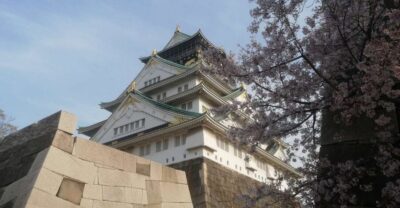
Five Must-See Highlights Walking Tour & Ramen Lunch
Read our review →
Ancient Capital Tour: Kyoto and Nara Highlights from Kyoto/Osaka
Read our review →
Walking Tour of Osaka’s 5 Must-See Sights, with Ramen for Lunch
Read our review →
Osaka Highlights: 4-Hour Walking Tour with Castle
Read our review →Browse the lists this tour appears in