
Reviewed · OSAKA TEMPLE & SHRINE TOURS
Osaka: Private Tour of Shitennoji, Osaka’s Oldest Temple
Shitennoji gives you a look at Osaka’s religious roots, not just its modern food streets and neon signs. Built in 593 by Prince Shotoku, it is one of Japan’s oldest and most important temples, yet it often sees fewer foreign visitors than Japan’s better-known temple sites. The Buddhist history is the main reason to come, while the garden offers a quieter change of pace.
I like the private format, since your guide can explain the temple’s meaning instead of leaving you to guess at the buildings. I also like the chance to visit both the central temple and Honbou Japanese Garden for $60 per person. The main point to check is timing: the activity is advertised as 90 minutes, but the listed stops add up to 150 minutes, so confirm the actual schedule before booking.
In This Review
- Key points to know before you book
- Why Shitennoji matters in Osaka’s story
- Meeting beneath the Stone Torii Gate
- Inside the Central Temple buildings
- The Honbou Japanese Garden and its quiet mood
- The viewpoint adds a final look at the temple
- The timing needs a careful check
- Is $60 per person a fair price?
- What the three available ratings suggest
- Who will get the most from this private visit?
- Practical booking details for a smoother visit
- Should you book the Shitennoji tour?
- FAQ
- Where does the Shitennoji tour begin?
- Where does the tour finish?
- How long is the tour?
- What does the price include?
- Is food included?
- What languages are available?
- Is this a private tour?
- Can I cancel for a full refund?
Key points to know before you book
- Shitennoji dates to 593, linking the visit to Prince Shotoku and the early spread of Buddhism in Japan.
- Your private guide meets you at the Stone Torii Gate, holding a yellow DeepExperience sign.
- The tour includes the Central Temple and Honbou Japanese Garden, with entry tickets covered.
- English and Japanese tours are available, and the group is private rather than shared.
- The route includes a viewpoint, adding a sightseeing stop beyond the temple buildings.
- The price is $60 per person, with food not included and free cancellation up to 24 hours before the tour.
Why Shitennoji matters in Osaka’s story
Shitennoji is a useful stop if you want to understand Osaka beyond its shopping arcades and restaurant districts. Prince Shotoku built the temple in 593, at a time when Buddhism was spreading through Japan. That gives the site a national religious role, not simply the appeal of an old building.
You will visit a place connected to the early growth of Buddhism in Japan. A guide can explain why Prince Shotoku mattered and point out the importance of the temple’s central buildings. Without that context, you may see a handsome temple compound but miss the reason Shitennoji carries such weight.
The temple is also appealing because it is described as less visited by tourists than many famous temples in Japan. That does not mean you should expect complete solitude. It does mean the visit may feel less like moving through a major sightseeing machine and more like spending time at a working religious site.
I would choose Shitennoji early in an Osaka stay if you want a cultural anchor. It gives later visits to other temples and shrines more meaning, since you will already have a basic sense of Buddhism’s place in Japanese history.
More temples and shrines worth the walk:
- Osaka: Minoh, Katsuoji Temple, & Minoh Falls Full-day Tour
★ 4.9 · 172 reviews - Sagano Romantic Train & Arashiyama, Kiyomizudera, Fushimi Inari Taisha Day Tour
★ 4.5 · 171 reviews - Full Day Kyoto Tour : Bamboo Forest, Golden Temple, Fushimi Inari
★ 5.0 · 84 reviews
Meeting beneath the Stone Torii Gate
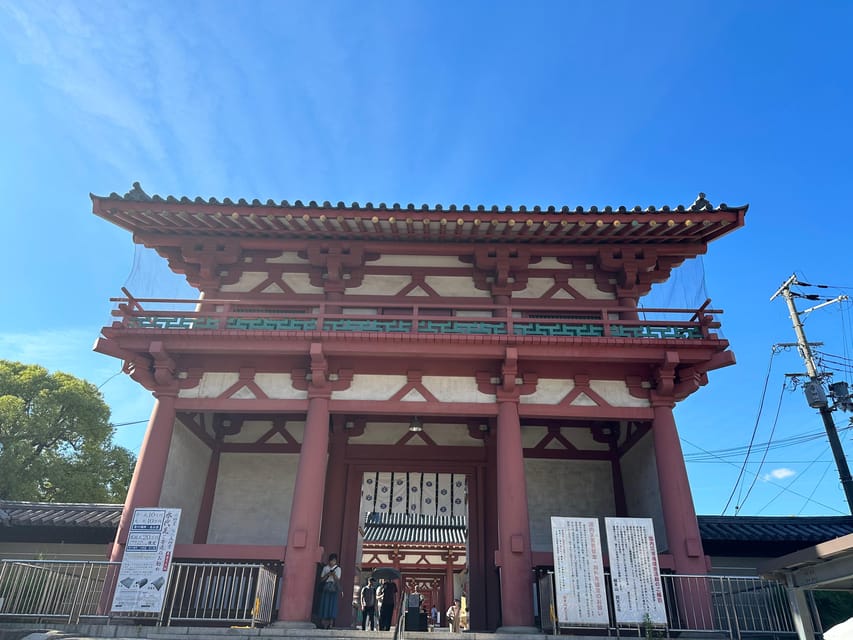
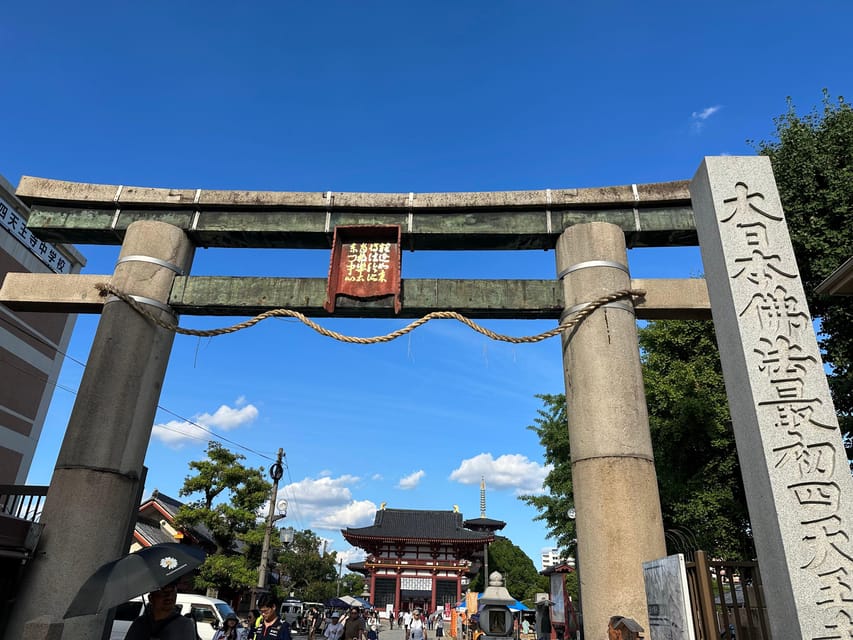
The tour begins at Shitennoji’s Stone Torii Gate. This is an important detail, since large temple grounds can make a vague meeting point frustrating. Your guide will hold a yellow sign with the DeepExperience logo, giving you a clear visual marker.
Plan to arrive with enough time to find the gate without rushing. The supplied information does not give a recommended arrival time, so the safest approach is to reach the meeting area before the scheduled start and look for the yellow sign.
You can book the experience with an English-speaking or Japanese-speaking guide. The private group format is useful if you want to ask questions about Buddhism, Prince Shotoku, or the role of the temple in Osaka without waiting for a larger group to move along.
One guide named in the booking feedback is Adi. Adi was praised for explaining history, local places, and city life, and for offering advice to people on their first visit to Japan. You should not assume Adi will lead every departure, but the detail is useful if you are hoping for practical Osaka and Kyoto guidance along with the temple visit.
Inside the Central Temple buildings
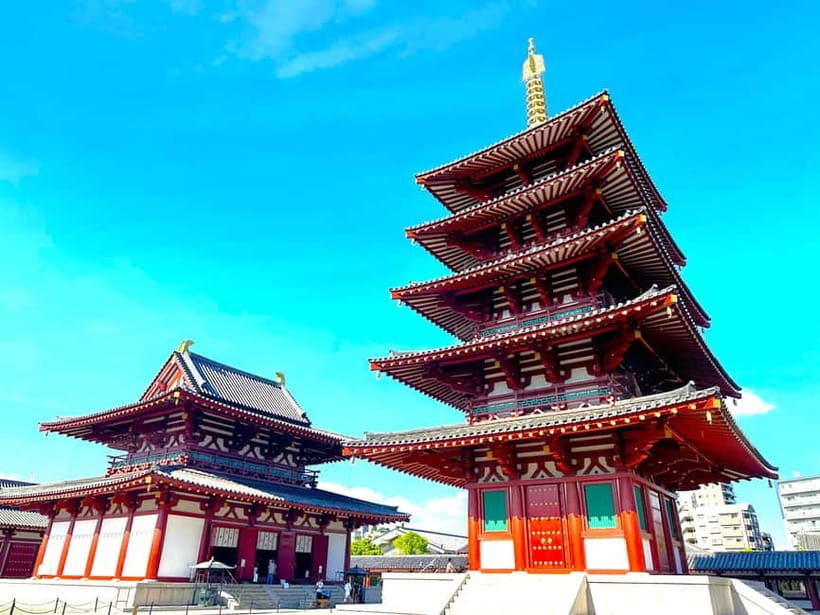
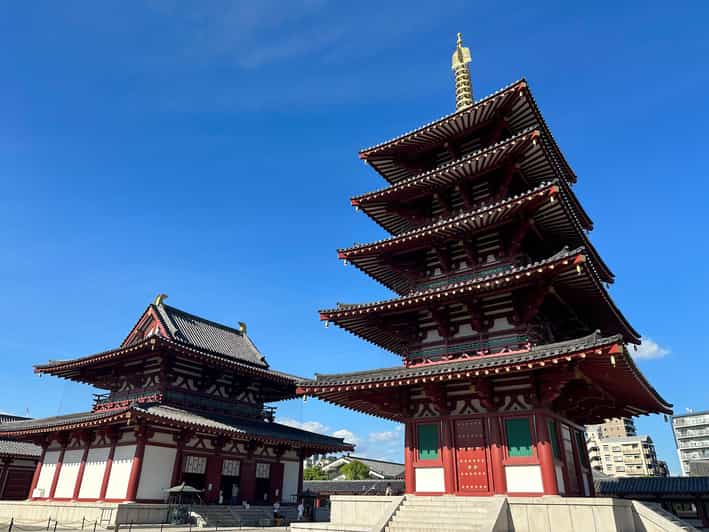
The main guided portion takes you through Shitennoji’s central buildings. This is where the tour’s historical value is strongest. You are not simply walking around an old religious site. You are hearing how the temple connects to Prince Shotoku and to the arrival and spread of Buddhism in Japan.
A private guide can help you read the site as more than a collection of structures. You can ask what each central area is used for, how the temple’s Buddhist identity shapes the visit, and which details deserve your attention. The supplied information does not list individual halls, artworks, or ceremonies, so you should not expect a specialized architectural tour of features that are not promised.
That restraint is part of the tour’s appeal. The focus is on the temple’s story and spiritual character, not on packing in every possible fact. If you are new to Japanese religious sites, a clear explanation of the basics may be more useful than a long list of names and dates.
The tour is also a good fit for anyone who wants to approach Buddhism respectfully. You will encounter the spirituality of the temple through its setting and history. The guide’s role is especially valuable here, since customs and religious symbolism can be easy to misunderstand when you visit alone.
The Honbou Japanese Garden and its quiet mood
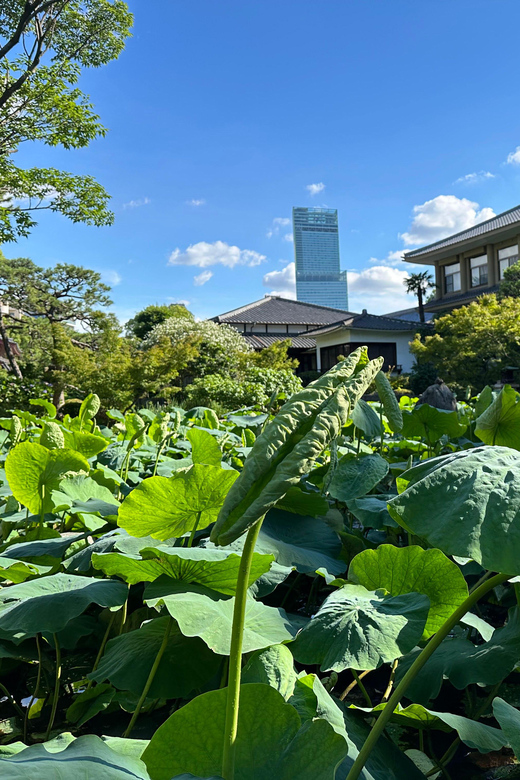
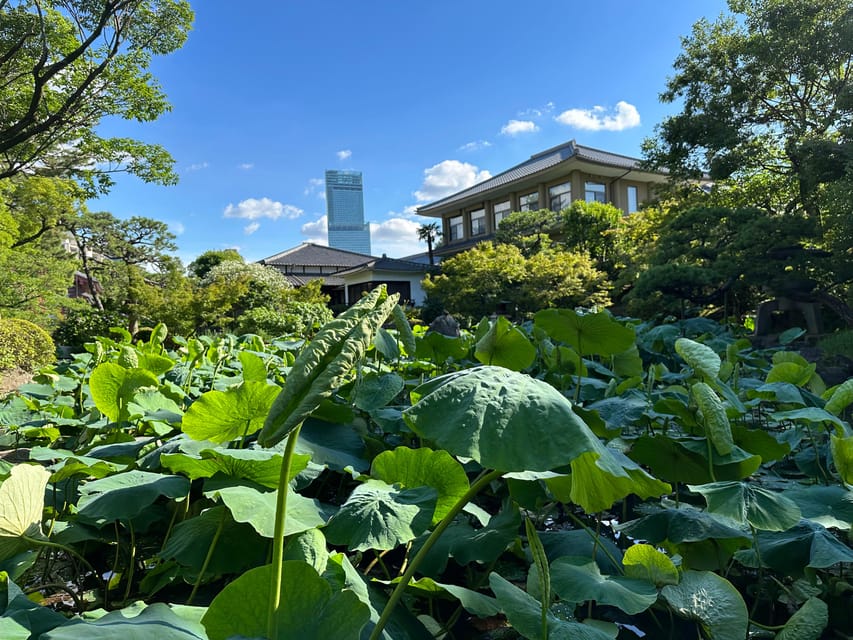
The visit continues to the Honbou Japanese Garden, also called the Garden of the Pure Land in the supplied meeting details. Entry to the garden is included, so you do not need to make a separate decision at the gate.
The garden provides a change in rhythm after the central temple buildings. The description emphasizes its beauty and tranquility, making it the place where you can slow down and notice the atmosphere of the grounds. A guide can give the garden a setting in Buddhist thought rather than treating it as a simple photo stop.
The garden portion is listed as 30 minutes. That is enough time for a guided look without turning the visit into a full garden study. You should expect an introduction to the garden and time to appreciate it, not an extended botanical or design lecture, since no such specialist program is stated.
I like this part of the experience because it keeps the tour from becoming all dates and religious terms. The garden offers visual calm and a chance to consider what you have learned. If you prefer fast sightseeing and a long list of landmarks, the quiet pause may feel slow. If you value atmosphere, it may be the most memorable section.
A few more Osaka tours and experiences worth a look
- Private Osaka Walking Tour: Highlights & Hidden Gems
★ 5.0 · 569 reviews - 3/4/5 Hours Private Tour in Osaka with Local Guide
★ 5.0 · 189 reviews - Osaka’s Best and Brightest: Private Full-Day Tour by Vehicle
★ 5.0 · 147 reviews - Full Day Tour of Kyoto with Private Transportation
★ 5.0 · 130 reviews
The viewpoint adds a final look at the temple
The itinerary also includes a viewpoint with time for sightseeing and a guided explanation. This gives the tour a wider perspective after the close look at the temple and garden.
The information does not specify exactly what can be seen from the viewpoint, so keep expectations sensible. You are promised a viewpoint visit, not a named city panorama or a particular skyline. Its value lies in seeing the site from another angle and finishing with a broader sense of place.
This stop is listed for 20 minutes. That should suit you if you want a short final pause for photographs or orientation. It also gives your guide one more chance to connect the temple compound with Osaka around it.
The stated finish is Honbou Japanese Garden, the Garden of the Pure Land. Since the meeting point and finish are not described as the same location, pay attention to where the tour ends when planning your next stop.
The timing needs a careful check
The activity is promoted as a 90-minute tour. However, the detailed schedule lists 100 minutes for the Shitennoji guided tour, 30 minutes for the Japanese Garden, and 20 minutes at the viewpoint. Those sections total 150 minutes.
That is the clearest practical issue in the information provided. It may reflect a scheduling error, separate timing estimates, or a longer version of the route, but you should not build a tight connection or restaurant booking around one figure without checking.
For many people, a 90-minute temple visit is easy to fit into an Osaka day. A 150-minute experience requires more planning, especially if you have several fixed activities. Ask DeepExperience to confirm the expected duration and the exact order before you pay.
The tour is private, so the pace may be more adaptable than a large group tour. Still, the published time conflict matters. A private group does not remove the need for a clear start and finish time.
Is $60 per person a fair price?
At $60 per person, the value depends on how much guidance you want. Entry tickets to the Central Temple and Honbou Japanese Garden are included, along with a private guide. Food is not included, but that is not a major weakness for a 90-minute to possibly 150-minute temple visit.
You are paying for interpretation and a private setting, not simply admission. If you would otherwise walk around Shitennoji without understanding Prince Shotoku’s role or the temple’s Buddhist importance, the guide can make the visit far more useful.
The price is easier to justify for first-time visitors to Japan, people with a strong interest in religious history, and anyone who prefers asking questions as they go. It is less compelling if you only want a quick look at the grounds and are comfortable exploring without explanation.
The private format also matters for families, couples, and small groups with different interests. You can focus on history, city life, Buddhist ideas, or practical Osaka advice. The booking feedback gives Adi special credit for helping first-time visitors with Osaka and Kyoto plans, which suggests that the right guide may add value beyond the temple itself.
What the three available ratings suggest
The activity has a 4.5 rating from six reviews, a small sample that should be treated as a useful signal rather than final proof. The strongest praise centers on two things: the tour is informative and enjoyable, and the guide can offer helpful context about Japan beyond the temple.
Andrea from Italy described the experience as great. A visitor from the United States called it very informative and fun. A visitor from the United Arab Emirates gave particular praise to Adi’s knowledge of history, places, and city life, along with advice for a first stay in Japan.
Those comments point to a tour that works best when you want conversation and explanation. They do not provide enough evidence to judge every guide, the exact pacing, or how the experience changes during busy periods. Keep the small number of ratings in mind, especially alongside the conflicting duration details.
Who will get the most from this private visit?
I would recommend this experience to you if you want a focused introduction to Buddhist history in Osaka. It suits first-time visitors who would like a guide to explain what they are seeing rather than simply photograph temple buildings.
It is also a smart choice if you have already seen Osaka’s modern side and want a quieter cultural stop. The garden and viewpoint balance the historical discussion, so the visit is not only a lecture.
Families and private groups may appreciate the format. A guide can adjust explanations to the group’s interests, though the supplied information does not promise a special children’s program. English and Japanese options make it accessible to people who prefer either language.
You may want to skip it if your schedule is packed or if you dislike guided visits. The route is centered on one temple, its garden, and a viewpoint. That focus is its strength, but it will not suit you if you want a broad Osaka sightseeing tour.
Also think about how much detail you want. The strongest reason to book is the story of Shitennoji and the chance to discuss it with a guide. If you are mainly looking for a famous photo location, the $60 private format may be more than you need.
Practical booking details for a smoother visit
You can cancel up to 24 hours in advance for a full refund, which gives you some flexibility if your Osaka plans change. You can also reserve now and pay later, so you do not have to pay at the time of booking.
The activity is offered as a private group tour. English and Japanese are the stated guide languages. Entry to the Central Temple and Honbou Japanese Garden is included, while food is not.
The meeting point is in front of the Stone Torii Gate. Look for the yellow DeepExperience sign. The provider is DeepExperience, Inc.
Most important, confirm the duration. The headline says 90 minutes, while the detailed timing adds to 150 minutes. That is not a minor detail if you are coordinating trains, meals, or another booked activity.
Should you book the Shitennoji tour?
Book it if you want historical context, a private guide, and a calm garden visit in one compact Osaka experience. Shitennoji’s connection to Prince Shotoku and the early spread of Buddhism gives the tour genuine importance, while the garden and viewpoint keep the route varied.
The $60 price is reasonable when you value personal explanation and the convenience of included temple and garden admission. The positive feedback especially supports the guide-led, informative side of the experience, with Adi noted for useful advice about Osaka and Kyoto.
Before booking, ask DeepExperience to clarify the 90-minute duration against the listed 150 minutes of stop times. If the schedule works for you, this is a strong pick for a first visit to Osaka or for anyone who wants to see a quieter side of the city with help understanding what makes the temple special.
FAQ
Where does the Shitennoji tour begin?
Meet your guide in front of the Stone Torii Gate at Shitennoji temple. The guide will be holding a yellow sign with the DeepExperience logo.
Where does the tour finish?
The stated finish is Honbou Japanese Garden, also called the Garden of the Pure Land.
How long is the tour?
The activity is advertised as 90 minutes. The detailed schedule lists 100 minutes at Shitennoji, 30 minutes in the Japanese Garden, and 20 minutes at a viewpoint, which totals 150 minutes. Confirm the exact timing with the provider.
What does the price include?
The $60 per person price includes entry tickets to the Central Temple and Honbou Japanese Garden, as well as a guide.
Is food included?
No. Food is not included in the activity.
What languages are available?
Live guides are available in English and Japanese.
Is this a private tour?
Yes. The activity is offered for a private group.
Can I cancel for a full refund?
You can cancel up to 24 hours in advance for a full refund. You can also reserve now and pay later.
Just added around Osaka
- Nara Day Trip from Osaka with a Licensed Guide★ 5.0 · 3 reviews
- Osaka Early Morning Osaka Castle Tour Avoid Crowds★ 5.0 · 3 reviews
- Guided Tour of Some Attractions in Osaka by Private Car★ 5.0 · 3 reviews
- Private Transfer Between Kyoto and Kansai Airport KIX★ 5.0 · 3 reviews
- Shared Arrival Transfer: Osaka Itami Airport to Osaka City★ 5.0 · 3 reviews
- Osaka: Sushi Making Class and Dotonbori Food Tour★ 4.7 · 3 reviews
- Osaka Night Photography Workshop★ 5.0 · 3 reviews
- Kyoto Full day Tour Kinkakuji, Kiyomizu-dera and Fushimi Inari★ 4.5 · 3 reviews
Osaka Temple & Shrine Tours, compared.
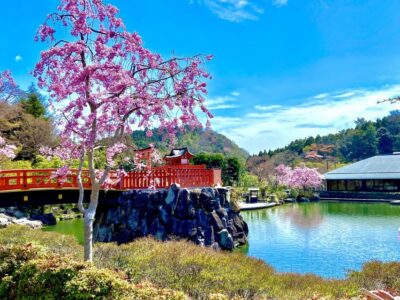
Minoh, Katsuoji Temple, & Minoh Falls Full-day Tour
Read our review →
Sagano Romantic Train & Arashiyama, Kiyomizudera, Fushimi Inari Taisha Day Tour
Read our review →Full Day Kyoto Tour : Bamboo Forest, Golden Temple, Fushimi Inari
Read our review →
Osaka Temple Cool Foot Bath & Matcha Experience〈45min〉
Read our review →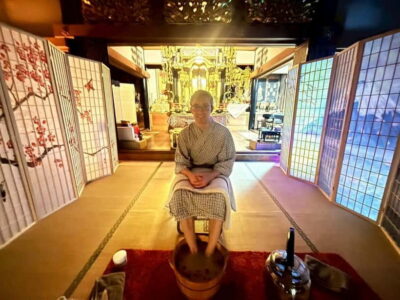
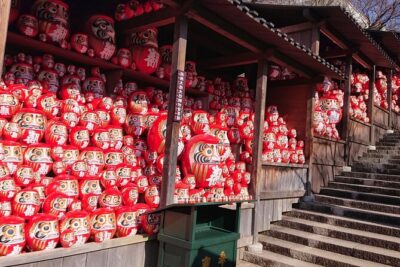
Katsuo-ji Temple, Arashiyama Forest, & Nara Park
Read our review →
Minoh Waterfall & Katsuo-ji Temple Half-Day Tour
Read our review →
Osaka Half-day E-bike Adventure: Minoh Falls & Katsuoji Temple
Read our review →Browse the lists this tour appears in