
Reviewed · RAMEN & GYOZA COOKING CLASSES
Cook Homestyle Ramen and Gyoza from scratch
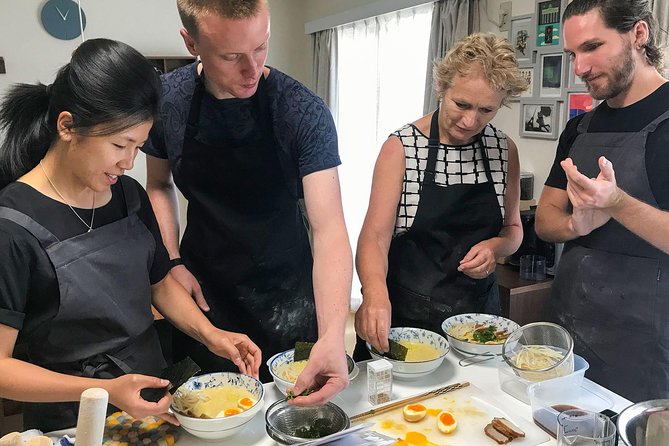
The best part of this Osaka cooking class is that you do not simply watch someone prepare ramen. You make the broth, toppings, gyoza skin, and filling yourself, then sit down to eat the results. Seiki’s home kitchen keeps the group small, with a maximum of five people.
I like the practical recipes, especially the chicken broth that comes together in about 30 minutes without instant soup stock. I also like the help with ingredient substitutes, a useful touch if Japanese groceries are hard to find at home. The main consideration is the strict non-refundable policy, so book only when your plans are firm.
In This Review
- Key Points to Know
- A Small Osaka Kitchen, Not a Demonstration Hall
- Building Creamy Chicken Ramen Without Instant Stock
- Grilled Pork, Seasoned Egg, and the Details That Make the Bowl
- Mixing, Folding, and Grilling Gyoza
- Sitting Down to Eat What You Made
- Why the Small Group Size Matters
- Is $78 a Fair Price?
- Getting There and Planning Your Morning
- Who Will Get the Most From This Class?
- Should You Book This Ramen and Gyoza Class?
- FAQ
- Where does the cooking class meet?
- What time does the class start?
- How long does the experience last?
- Where does the class take place after meeting at the station?
- What dishes will I prepare?
- Does the ramen broth use instant soup stock?
- What ramen toppings are included?
- What gyoza skills will I learn?
- How many people can join the class?
- Is the booking refundable or changeable?
Key Points to Know
- Cook in a private home kitchen: Meet near Senri-Chuo Station and walk a few minutes to Seiki’s kitchen.
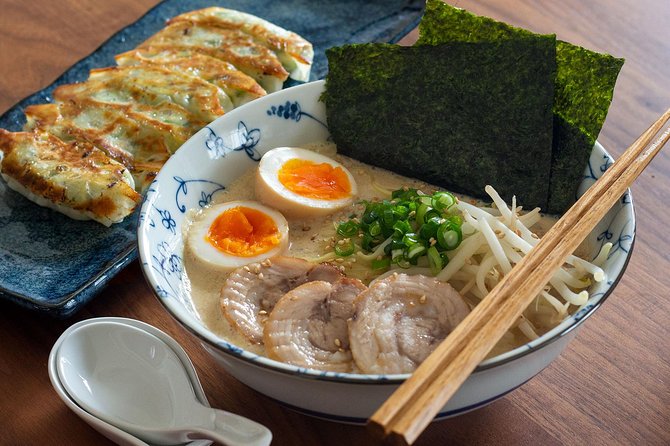
- Make ramen broth in about 30 minutes: The creamy chicken broth uses no instant soup stock.
- Prepare the full bowl: You will work on grilled pork, seasoned egg, and other ramen toppings.
- Make gyoza from scratch: Mix the filling, make the wrappers, fold the dumplings, and grill them.
- Keep the group small: The class accepts no more than five people, allowing plenty of hands-on work.
- Leave with home-cooking skills: Seiki explains alternatives for ingredients that may be difficult to find outside Japan.
A Small Osaka Kitchen, Not a Demonstration Hall
This experience begins at Senri-Chuo Station in Toyonaka, in Osaka Prefecture. The meeting point is at Senri-Chuo 1 Chome-3 Shinsenri Higashimachi, and the class starts at 10:00 am. From the station, you walk a few minutes to the home kitchen.
That short walk matters. You are not heading to a large culinary school or a restaurant classroom. You are entering the setting where a home cook might actually prepare these dishes. The scale is personal, and the maximum group size of five means you should have room to work rather than stand at the back of a crowd.
When you arrive, Seiki serves welcome tea and introduces the ingredients. This opening gives you a useful map of the meal before the cooking begins. Ramen can look simple in a bowl, but the broth, noodles, meat, egg, and toppings each require separate attention. Gyoza has its own set of steps. Seeing the whole plan first helps you understand how the dishes fit together.
The class lasts about three hours. That is long enough to prepare several parts of the meal without turning the morning into an all-day project. You should still expect a busy session, since the menu includes two substantial Japanese dishes made from basic ingredients.
More ramen and gyoza classes:
- Osaka: Five Must-See Highlights Walking Tour & Ramen Lunch
★ 4.7 · 411 reviews - Osaka: Ramen and Gyoza Cooking Class in Dotonbori
★ 5.0 · 378 reviews - Ramen and Gyoza Cooking Class in Osaka
★ 5.0 · 202 reviews
Building Creamy Chicken Ramen Without Instant Stock
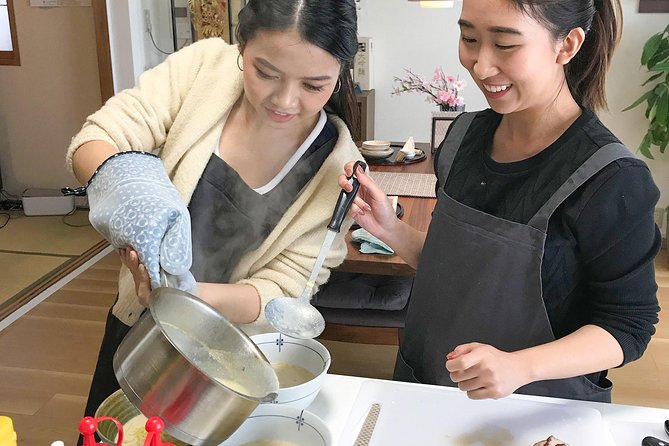
The class focuses on a home-style creamy ramen broth made with chicken. The important point is speed. You learn a method that produces broth in about 30 minutes, without relying on instant soup stock.
For anyone who likes ramen but assumes the soup must simmer for hours, this is the most useful lesson. The class aims to show you a realistic approach for a home kitchen. You are not being taught a restaurant production system that demands special equipment or a full day of preparation. You are learning a recipe designed to be repeated after you return home.
Seiki first explains the ingredients, then demonstrates the preparation. After that, you work alongside her. This order gives you a clear example before you handle the food yourself, but the emphasis remains on practice. You will not spend the whole morning taking notes while someone else does the cooking.
The broth is only one part of the ramen. You also prepare garnishes, including grilled pork, a seasoned egg, and other toppings. These additions show why ramen often feels more like a complete meal than a bowl of noodles with soup. Each topping affects the final balance of texture and flavor.
The description does not specify every topping or the exact cut of pork, so you should not expect a fixed restaurant-style menu beyond the named components. The useful promise is broader: you learn the process for making a home-style bowl, from soup to finishing touches.
Grilled Pork, Seasoned Egg, and the Details That Make the Bowl
Ramen toppings are where many home cooks can lose confidence. The broth may be ready, but the bowl can still feel incomplete without the meat, egg, and finishing ingredients. This class gives those details their own place in the schedule.
You will prepare grilled pork and a seasoned egg as part of the ramen meal. These are not decorative extras. The pork brings a hearty element, while the egg adds another layer of seasoning and texture. Preparing them yourself also helps you see which parts of a ramen bowl can be made at home with ordinary cooking methods.
I like that the class treats the toppings as part of the main lesson rather than an afterthought. If you only learn a broth recipe, you may still depend on store-bought additions later. Here, the goal is a bowl you can recreate more fully.
The recipes were created by Seiki for home cooking. That focus is important for anyone living outside Japan. Japanese cooking often depends on ingredients that can be easy to find in Osaka but less familiar elsewhere. Seiki can suggest alternatives for ingredients that may be difficult to buy in your home country.
You should pay close attention during this part if you plan to repeat the meal. Write down the substitute ingredients that fit your local shops. The class is not just about copying a Japanese recipe exactly. It also helps you adapt the method to your own kitchen.
Mixing, Folding, and Grilling Gyoza
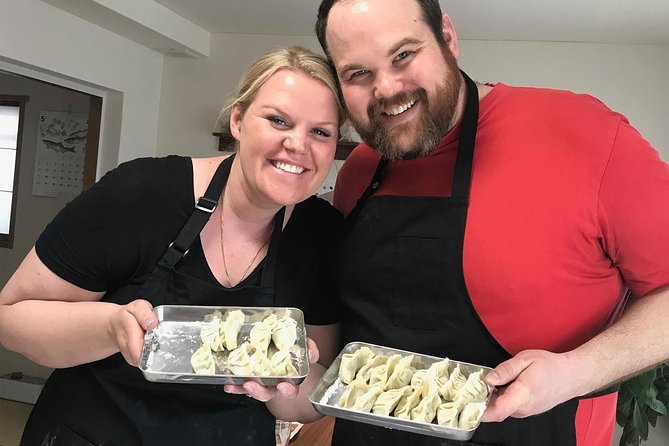
The gyoza portion gives you a second type of hands-on work. You learn how to make the gyoza skin and prepare the filling, then wrap the dumplings and grill them.
Making the wrapper from scratch adds time and effort, but it also gives you a better sense of how the dumpling is built. The filling must be portioned, and the wrapper must be sealed well enough to hold together during cooking. Folding gyoza is one of those skills that looks easy until you try it. A patient instructor makes a real difference here.
The grilling step completes the lesson. You are not only shaping dumplings for display. You cook them and eat them as part of the meal. That practical finish lets you see how the wrapper changes in the pan and how the finished gyoza should look.
This is also a good contrast with the ramen work. Ramen teaches broth, toppings, and assembly. Gyoza teaches dough, filling, hand shaping, and pan cooking. In three hours, you get two different Japanese home-cooking projects rather than one narrow recipe.
Families should take note of the class format. Two children, aged 10 and 12, were kept engaged through the whole session. That does not guarantee every child will enjoy every step, but the hands-on work gives younger cooks something to do. Wrapping gyoza, in particular, can be more engaging than watching a long explanation.
More Japanese home cooking classes:
- Osaka Sushi Cooking Class
★ 5.0 · 3 reviews - Osaka: Sumo Stage Show with Bento or Snack + Fight & Photo
★ 4.3 · 364 reviews - Osaka: Traditional Mochi Pounding Experience with Tasting
★ 4.9 · 306 reviews - Osaka Cooking Class: Okonomiyaki &Japanese cuisines experience
★ 5.0 · 261 reviews
Sitting Down to Eat What You Made
After the cooking is finished, you eat the ramen and gyoza in the kitchen and spend time chatting with Seiki. This shared meal is a natural end to the class. You can taste the broth while the method is still fresh in your mind, then compare the ramen with the gyoza you prepared.
The food has been praised as a strong part of the experience, and the teaching style has been described as enthusiastic and patient. Those qualities matter in a small cooking class. A rushed instructor can make a complicated recipe feel harder than it is. A patient teacher gives you time to understand the steps and correct your technique.
The meal also gives you a chance to ask final questions. If you are unsure about replacing a Japanese ingredient or repeating the broth at home, this is the time to ask. The class is built around helping you cook the dishes again, not just enjoy them once in Osaka.
Do not expect a restaurant tasting menu or a long list of separate courses. You are eating the ramen and gyoza you made during the lesson. That is the point, and it makes the meal more useful than a simple food sample.
Why the Small Group Size Matters
The maximum group size is five people. For this kind of class, that is a major advantage. Making gyoza requires table space, and preparing several ramen components gives each person multiple jobs. A large group could turn the lesson into a queue for the cutting board or stove.
A group of five also suits families, couples, and small friend groups who want time with the instructor. You should still expect to share the kitchen and work area, but the format is far more personal than a class built for dozens of people.
The small size may not suit someone looking for a lively party atmosphere. The emphasis is on learning and cooking, with conversation after the meal. If you want music, drinks, or a large social crowd, this is probably not the right kind of food activity.
For most people, though, the limited size improves the value. You are paying for access to instruction and practice, not just for a meal. The more directly you handle the ingredients, the more useful the class becomes after your trip.
Is $78 a Fair Price?
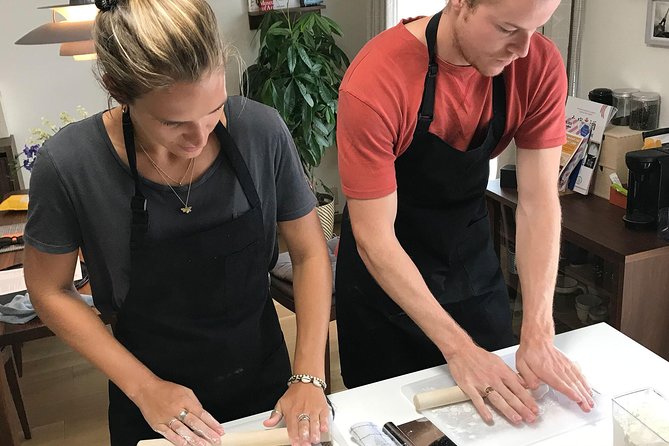
At $78 for about three hours, this class costs more than buying a bowl of ramen and a plate of gyoza in Osaka. That comparison misses the main benefit. The price includes instruction, ingredients, a welcome tea, a meal, and practice with several recipes.
You are also getting a small-group lesson in a private home kitchen. The class covers creamy chicken broth, grilled pork, seasoned egg, ramen toppings, gyoza wrappers, gyoza filling, folding, and grilling. If you tried to learn all of that separately through casual dining, you would gain very little practical information.
The value is strongest if you want to cook Japanese food after returning home. Seiki’s advice about ingredient substitutes adds something that a standard restaurant meal cannot provide. You are paying for methods that can travel with you.
The value is weaker if you only want a quick meal or a polished food tour. Three hours is a serious time commitment, and the hands-on format requires your attention. You will be working, not simply sitting back while a chef prepares lunch.
I would consider the price reasonable for a small, practical cooking lesson, especially for families or pairs who plan to use the recipes later. The non-refundable booking rule makes planning important. The experience cannot be refunded or changed for any reason, so check your Osaka schedule before paying.
Getting There and Planning Your Morning
The class starts at 10:00 am at Senri-Chuo Station. You meet at the specified address near the station, then walk a few minutes to the home kitchen. Since the meeting point is near public transportation, you do not need to arrange a private transfer based on the information available.
Build a little spare time into your morning. A station meeting is simple, but arriving late could cut into the cooking session. The class has several stages, and missing the ingredient explanation or first demonstration would make the later work harder to follow.
Your mobile ticket is accepted for the experience. Booking confirmation is provided within 48 hours, subject to availability. The class ends back at the meeting point after the cooking and meal.
The details supplied do not state whether the kitchen has special arrangements for mobility needs, dietary restrictions, or allergies. If any of those issues affect your booking, ask the provider before committing. Do not assume that a home kitchen can make every requested change.
Who Will Get the Most From This Class?
I would recommend this experience to you if you want more than a photo of Japanese food. It suits home cooks, curious beginners, couples, small families, and anyone who wants a ramen recipe that does not depend on instant stock.
Families with older children may find the format appealing. The class has kept children aged 10 and 12 engaged, and the sequence of mixing, shaping, grilling, and eating gives the morning a clear rhythm. Very young children may find the three-hour length demanding, but no minimum age is provided, so ask the provider if age is a concern.
This is also a good choice for visitors staying in Osaka who want a quieter local activity away from the main sightseeing route. The meeting point is in Toyonaka, not in central Osaka, so check your travel time before booking. The class is practical rather than flashy, which is exactly why it may appeal to you.
You may want to skip it if you have a tight schedule, dislike kitchen work, or want a fully prepared meal. The price is tied to participation. You will get the most from it by listening, asking questions, and doing the tasks yourself.
Should You Book This Ramen and Gyoza Class?
Book it if you want to learn two Japanese comfort-food staples in a small home setting and repeat them after your trip. The strongest reasons are the 30-minute chicken broth, the full range of ramen toppings, the from-scratch gyoza work, and Seiki’s advice on replacing hard-to-find Japanese ingredients.
Think carefully about the three-hour commitment, the trip to Senri-Chuo, and the strict non-refundable terms. If those fit your plans, this is a useful Osaka food experience that gives you skills, not just lunch.
FAQ
Where does the cooking class meet?
You meet at Senri-Chuo Station near Senri-Chuo 1 Chome-3 Shinsenri Higashimachi, Toyonaka, Osaka 560-0082, Japan.
What time does the class start?
The class starts at 10:00 am.
How long does the experience last?
The cooking class lasts approximately three hours.
Where does the class take place after meeting at the station?
You walk a few minutes from Senri-Chuo Station to the provider’s home kitchen.
What dishes will I prepare?
You will prepare home-style creamy ramen and gyoza from scratch.
Does the ramen broth use instant soup stock?
No. The class teaches you how to make chicken ramen broth in about 30 minutes without instant soup stock.
What ramen toppings are included?
You will prepare grilled pork, a seasoned egg, and other ramen toppings.
What gyoza skills will I learn?
You will learn to make the gyoza skin and filling, wrap the dumplings, and grill them.
How many people can join the class?
The activity has a maximum of five participants.
Is the booking refundable or changeable?
No. The experience is non-refundable and cannot be changed for any reason.
Just added around Osaka Prefecture
- Shared Arrival Transfer: Osaka Itami Airport to Osaka City★ 5.0 · 3 reviews
- Private Transfer Between Kyoto and Kansai Airport KIX★ 5.0 · 3 reviews
- Osaka Sushi Cooking Class★ 5.0 · 3 reviews
- Private Day Tour in Osaka and Kyoto with charter car★ 5.0 · 3 reviews
- Osaka : Cycling Tour Private Seaside Ride Near Kansai Airport★ 5.0 · 3 reviews
- Cup Noodles Museum Guided Tour in Osaka★ 4.5 · 4 reviews
- Kyoto Highlights Private Tour with Pick and Drop★ 4.0 · 5 reviews
- Osaka Private Tour with English-Speaking Driver★ 4.5 · 7 reviews
Ramen & Gyoza Cooking Classes, compared.

Five Must-See Highlights Walking Tour & Ramen Lunch
Read our review →


Walking Tour of Osaka’s 5 Must-See Sights, with Ramen for Lunch
Read our review →
Cooking Ramen&Gyoza/KatsuCurry/Bento/Okonomiyaki+Store Tour@Osaka
Read our review →
Browse the lists this tour appears in