
Reviewed · OSAKA TEMPLE & SHRINE TOURS
Zen Japanese Massage, Head Spa & Facial at the Temple <180-min>
A temple setting gives this Osaka spa treatment a cultural edge. You begin with a foot bath, then move through an oil massage, bamboo-stick fascia release, matcha facial, head spa, yukata photo, and tea ceremony. It is far more than a quick back rub.
I like the small maximum group of three, which should make the visit feel calm and personal. I also like the mix of hands-on care and Japanese customs, especially the matcha treatment and tea ceremony. The main drawback is the price: at $260.61 per person, this is a special-occasion splurge, not a casual spa stop.
In This Review
- What makes this Osaka retreat different
- Arriving at the Osaka meeting point
- The foot bath starts the 180-minute course
- Full-body oil massage with your chosen aroma
- Bamboo-stick fascia release for tighter areas
- Matcha facial care in an Osaka temple
- A head spa to finish the treatment work
- Yukata photographs and simple Japanese hospitality
- Tea ceremony with traditional sweets
- Is $260.61 a fair price?
- Who should book this experience?
- My call on the temple spa visit
- FAQ
- Where does the experience begin?
- Where does the experience end?
- How long does the experience last?
- What treatments are included?
- Can I choose an essential oil?
- Is a yukata included?
- Is the temple visit guided?
- What happens at the end?
- How many people can join?
- Can I cancel for a full refund?
What makes this Osaka retreat different
- A traditional temple setting: You receive the treatment in a quiet religious setting, with an introduction to the temple and basic worship guidance.
- Several treatments in one visit: The 180-minute course combines foot care, oil massage, fascia release, facial care, and a head spa.
- Bamboo-stick fascia release: This adds firmer, more focused pressure after the oil massage.
- Matcha facial treatment: High-quality matcha is used in a facial pack intended to nourish the skin.
- Yukata photo included: You can put on a yukata and receive a complimentary photo, with small films and pictures also taken during the visit.
- Tea and sweets at the end: The experience closes with a tea ceremony and traditional Japanese sweets.
Arriving at the Osaka meeting point
The experience begins at Tossa de coracao, 1-chōme-6-19 Kitahorie, in Osaka’s Nishi Ward. It ends back at the same meeting point, so you do not need to arrange a second pickup location afterward.
Your confirmation arrives at booking, and the ticket is mobile, which keeps the arrival routine simple. Still, I would save the address and start time on your phone before setting out. The location is near public transportation, but the supplied details do not identify a particular station or provide a transfer service.
The staff greet you in traditional kimono. That first touch matters because this is designed as both a spa treatment and a cultural visit. You are not simply entering a modern massage room and leaving an hour later. The staff explain the temple’s history and origins, along with how to worship, using guidebooks.
You also have the chance to wear a yukata. The clothing and included photo give the visit a keepsake element, especially if you want one clearly Japanese picture from your Osaka stay. The staff also take photos and small films during the experience, according to the provider’s description. If you prefer not to be photographed, ask about that before the session begins.
More onsen and spa afternoons:
- From Osaka: Himeji Castle, Arima Onsen & Mt. Rokko Day Tour
★ 4.6 · 339 reviews - Osaka Temple Cool Foot Bath & Matcha Experience〈45min〉
★ 4.9 · 82 reviews - Osaka: Solaniwa Onsen Hot Spring Visit
★ 4.6 · 51 reviews
The foot bath starts the 180-minute course
The first treatment is a soothing foot bath. After a long flight, a day on Osaka’s streets, or several hours in crowded stations, this is a sensible opening. It gives you time to settle down before the massage begins.
A foot bath is also a gentle introduction if you are unsure about a full-body oil treatment. You can get comfortable with the staff and the surroundings before the more hands-on parts of the course.
The course is described as a 180-minute treatment, while the total appointment lasts about three and a half hours. That extra time likely covers welcome procedures, clothing, photographs, temple guidance, and the tea ceremony. Do not schedule a train departure immediately after the stated 180 minutes. Give yourself breathing room.
Full-body oil massage with your chosen aroma
After the foot bath, you receive a full-body oil massage. You can choose your preferred essential oil, adding a personal touch that is useful if you have a favorite scent or want something mild.
The goal is to release everyday tension and leave you feeling refreshed. The treatment is full-body rather than limited to the shoulders or feet, so it suits you best if you want a longer, slower session instead of a quick treatment between sightseeing stops.
This is also where expectations matter. A traditional Japanese-style massage can mean different things to different people, but the details here specifically include oil massage and fascia release. If you want only very light pressure, tell the staff at the start. If you prefer stronger work, explain that too.
The small group limit of three is helpful. You are less likely to feel as if you are being processed through a large spa operation. The available information does not say that the massage is private for each person, so do not assume total solo use of the venue. The maximum group size simply keeps the appointment intimate.
Bamboo-stick fascia release for tighter areas
The massage is followed by fascia release using a bamboo stick. This is the most distinctive bodywork detail in the course. Rather than relying only on hands, the staff use the stick to apply focused pressure to areas of tightness.
Some people will like this firmer, more targeted part of the treatment. It can feel more intense than the oil massage, particularly if you have sore or sensitive spots. You should tell the staff about any areas that need lighter pressure before this stage begins.
The word release should not make you expect a medical treatment. This is a spa service, not a diagnosis or rehabilitation appointment. The provider says it helps ease deep tightness, but the practical point is simple: the bamboo tool changes the feel of the massage and gives the session more variety.
If you have a health concern that affects massage, check before booking. The supplied details say most people can participate, but they do not list specific medical restrictions or contraindications.
More temples and shrines worth the walk:
- Osaka: Minoh, Katsuoji Temple, & Minoh Falls Full-day Tour
★ 4.9 · 172 reviews - Sagano Romantic Train & Arashiyama, Kiyomizudera, Fushimi Inari Taisha Day Tour
★ 4.5 · 171 reviews - Full Day Kyoto Tour : Bamboo Forest, Golden Temple, Fushimi Inari
★ 5.0 · 84 reviews - Osaka: Mind & Spirit Balance Temple Reiki Healing
★ 5.0 · 41 reviews
Matcha facial care in an Osaka temple
The facial uses high-quality matcha in a facial treatment and pack. This is a pleasing Japanese detail without turning the whole visit into a cooking lesson. Matcha is familiar as a drink, but here it becomes part of your skin-care routine.
The facial breaks up the bodywork nicely. After the oil massage and firmer fascia work, a facial gives the appointment a quieter, more delicate stage. If your skin is sensitive to new products, mention it before the treatment. The description does not provide a full ingredient list, so anyone with allergies should ask the staff directly.
This part also helps explain the high price. You are paying for several distinct services, not just 180 minutes of massage. Still, if facial care is not important to you, the package may feel expensive compared with a standard Osaka massage.
A head spa to finish the treatment work
The head spa follows the matcha facial. Head-focused care is a fitting final treatment because it shifts attention away from the body and toward the scalp and head. It is intended to melt away stress and gives the appointment a gentle finish before the cultural activities begin.
The order of the treatments is worth noting. You do not have to break up the massage with a separate city transfer or wait around for a new appointment. Foot care, bodywork, facial care, and head care all happen in one place.
The course is a good match for you if you want your Osaka plans to include a long period of stillness. It is less suitable if you would rather spend those three and a half hours visiting several sights. This is an experience built around slowing down, not maximizing sightseeing.
Yukata photographs and simple Japanese hospitality
At some point during the visit, you can wear a yukata and receive a complimentary photo. The staff dress in kimono, so the clothing element is part of the welcome and presentation rather than an unrelated add-on.
The picture can be a useful souvenir because it records both the cultural setting and your time in Osaka. The provider also says staff take pictures and small films during the session. One direct account praised that photo and video care, along with the massage, foot bath, facial, and matcha activity.
Do not treat the photo as a professional studio session. The information promises a complimentary photo, not a set of edited portraits or digital files in a particular format. If the image matters to you, ask when and how it will be delivered.
The welcome also appears to be one of the strongest parts of the visit. The staff are described as warm, friendly, and professional, and the calm setting is repeatedly emphasized. That personal approach is important here because spa treatments require trust. You want clear explanations and a relaxed manner before the hands-on work starts.
Tea ceremony with traditional sweets
The final cultural portion is a tea ceremony with traditional Japanese sweets. It gives the appointment a clear ending and lets you sit with the experience rather than rushing straight back into Osaka’s streets.
The tea ceremony is not merely a drink included after the massage. Staff explain how to worship and introduce the temple earlier, while the closing tea service gives you a small lesson in Japanese custom. The available information does not specify the exact tea, sweets, ceremony length, or whether you prepare the tea yourself, so keep your expectations modest.
The first account also refers to matcha making, while the course description focuses on the matcha facial and tea ceremony. You may have some matcha preparation or explanation as part of the visit, but the exact format is not stated. Ask the staff if learning to make matcha is especially important to you.
Is $260.61 a fair price?
At $260.61 per person, this is expensive by ordinary massage standards. The price becomes easier to understand when you count the full package: about three and a half hours, a foot bath, full-body oil massage, fascia release, matcha facial, head spa, yukata use, a complimentary photo, temple guidance, and tea with sweets.
You are also paying for convenience. One booking combines wellness and culture, with no need to arrange a separate spa, kimono rental, temple visit, and tea experience. For a honeymoon, anniversary, birthday, or post-flight recovery day, that can be good value.
I would not book it as a bargain activity. If your main goal is simply a massage, Osaka offers less costly ways to relax. Book this when you value the complete setting and want a polished memory as much as physical treatment.
The appointment is often reserved around 49 days ahead. That pattern suggests you should plan early if your schedule is fixed, especially since the group limit is only three people. The date can be changed or canceled for a full refund up to 24 hours before the local start time. Changes or cancellations inside that window are not accepted and are not refunded.
Who should book this experience?
I would point this experience toward several types of visitors:
- You want a quiet break after a long flight or several demanding sightseeing days.
- You like Japanese customs but prefer a guided, comfortable introduction rather than a formal cultural class.
- You enjoy spa treatments and want facial and head care added to a full-body massage.
- You are traveling as a couple or small group and like the idea of a shared memory with photos.
- You have room in your budget for one major splurge in Osaka.
I would hesitate if you dislike oil massage, firm bodywork, facial products, or being photographed. I would also skip it if you need a strictly private appointment, since only the maximum group size is given, not a promise of exclusive venue use.
Service animals are allowed, and the activity is near public transportation. Most people can participate, but the supplied information does not detail wheelchair access, treatment-room access, or specific medical limits. Contact the provider by email for questions. The instructions specifically say not to call the temple directly.
My call on the temple spa visit
Book this if you want a full afternoon of calm, personal care, and small Japanese cultural touches in one place. The temple welcome, kimono-clad staff, matcha facial, yukata photo, and tea ceremony give the massage a memorable frame.
Skip it if $260.61 feels too high for a spa appointment or if you would rather use your Osaka time for active sightseeing. For the right person, the value is not just the massage. It is the rare chance to slow down, receive several treatments, and leave with a photo and a gentle cultural experience.
FAQ
Where does the experience begin?
It begins at Tossa de coracao, 1-chōme-6-19 Kitahorie, Nishi Ward, Osaka, 550-0014, Japan.
Where does the experience end?
The activity ends back at the same meeting point.
How long does the experience last?
The total duration is approximately three hours and 30 minutes. The treatment is described as a 180-minute course.
What treatments are included?
The course includes a foot bath, full-body oil massage, bamboo-stick fascia release, matcha facial treatment, and head spa.
Can I choose an essential oil?
Yes. The course says you can enjoy the oil massage using your favorite essential oil.
Is a yukata included?
You have the opportunity to wear a yukata, and a complimentary photo is provided.
Is the temple visit guided?
Staff explain the temple’s history and origins and provide guidance on how to worship using guidebooks.
What happens at the end?
The experience ends with a tea ceremony and traditional Japanese sweets.
How many people can join?
The maximum group size is three people.
Can I cancel for a full refund?
Yes. You can cancel at least 24 hours before the local start time for a full refund. Cancellations or changes made less than 24 hours before the start are not accepted or refunded.
Just added around Osaka
- Nara Day Trip from Osaka with a Licensed Guide★ 5.0 · 3 reviews
- Osaka Early Morning Osaka Castle Tour Avoid Crowds★ 5.0 · 3 reviews
- Guided Tour of Some Attractions in Osaka by Private Car★ 5.0 · 3 reviews
- Private Transfer Between Kyoto and Kansai Airport KIX★ 5.0 · 3 reviews
- Shared Arrival Transfer: Osaka Itami Airport to Osaka City★ 5.0 · 3 reviews
- Osaka: Sushi Making Class and Dotonbori Food Tour★ 4.7 · 3 reviews
- Osaka Night Photography Workshop★ 5.0 · 3 reviews
- Kyoto Full day Tour Kinkakuji, Kiyomizu-dera and Fushimi Inari★ 4.5 · 3 reviews
Osaka Temple & Shrine Tours, compared.
Minoh, Katsuoji Temple, & Minoh Falls Full-day Tour
Read our review →
Sagano Romantic Train & Arashiyama, Kiyomizudera, Fushimi Inari Taisha Day Tour
Read our review →Full Day Kyoto Tour : Bamboo Forest, Golden Temple, Fushimi Inari
Read our review →
Osaka Temple Cool Foot Bath & Matcha Experience〈45min〉
Read our review →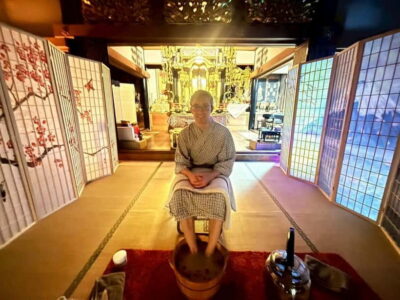
Katsuo-ji Temple, Arashiyama Forest, & Nara Park
Read our review →
Minoh Waterfall & Katsuo-ji Temple Half-Day Tour
Read our review →
Osaka Half-day E-bike Adventure: Minoh Falls & Katsuoji Temple
Read our review →Browse the lists this tour appears in