
Reviewed · OSAKA NIGHT TOURS
Osaka Temple: 1-Hour Evening Zen Chill Experience
At dusk, this small Osaka temple shifts from city noise to lantern light, incense, soft Japanese music, and quiet concentration. The heart of the experience is not sightseeing, but learning how worship, breathing, posture, tea, and scent fit into Japanese Buddhist practice.
I like the two short zazen sessions, which make meditation less daunting than one long silent period, and the chilled matcha with matcha ice cream, which gives the tea portion a friendly finish. The main drawback is the timing confusion: the activity is advertised as 75 minutes, while the practical information says the experience time is 60 minutes.
In This Review
- Key points at a glance
- A quiet Osaka evening rather than a standard temple visit
- Finding the correct entrance in Osaka
- Worship and incense: a hands-on introduction
- Two 10-minute zazen sessions for beginners
- Matcha, sweets, and the spirit of tea
- The yukata photo without a full costume commitment
- Why the small group changes the experience
- Is $64 a fair price?
- The best time to schedule it
- Who will like this temple session
- Should you book the Osaka Temple Zen Chill Experience?
- FAQ
- Where does the Osaka Temple Zen Chill Experience meet?
- How long does the experience last?
- How many people can join?
- Is the experience offered in English?
- What does the meditation include?
- What food and drink are included?
- What should I bring?
Key points at a glance
- Two guided 10-minute zazen sessions: Learn posture and breathing without committing to a long meditation.
- Kneaded-incense meditation: Use scent as a simple way to refresh your attention and settle your mind.
- A small temple at dusk: Lantern light, Japanese music, and incense create a calm setting away from a standard sightseeing route.
- Matcha with a sweet finish: Taste chilled matcha, original Japanese sweets, and matcha ice cream while hearing about tea culture.
- Simple yukata and smartphone photo: Add a modest dress-up moment without needing to arrange a full rental service.
- Groups limited to three: The small scale can make the session feel private and allows time for questions.
A quiet Osaka evening rather than a standard temple visit
This experience takes place in Honshu, Japan, at a small Buddhist temple connected with the provider, Japanese Massage 唯一無二, or the one&only. It is designed for people who want more than a quick look at a temple gate or a photo beside a statue.
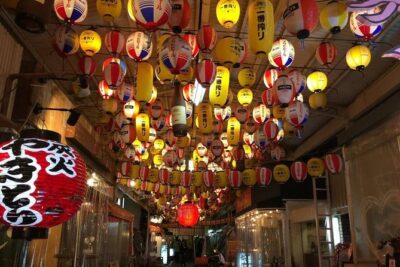
The setting matters. At dusk, lanterns provide a gentle glow, incense brings a distinct fragrance, and Japanese music fills the pauses between explanations. You are given time to sit, listen, and take part rather than rushing from one sight to the next.
I would think of this as a compact cultural workshop with a spiritual setting. It is not a formal temple retreat, and the session is short enough to fit into an evening in Osaka. That makes it a practical choice if you want a calm change of pace after a day of shopping, museums, or busy streets.
The group limit is three participants. That is a real advantage here. Meditation posture can feel awkward when you are new to it, so a small room and a small audience make it easier to ask questions or adjust without feeling watched.
More temples and shrines worth the walk:
- Osaka: Minoh, Katsuoji Temple, & Minoh Falls Full-day Tour
★ 4.9 · 172 reviews - Sagano Romantic Train & Arashiyama, Kiyomizudera, Fushimi Inari Taisha Day Tour
★ 4.5 · 171 reviews - Full Day Kyoto Tour : Bamboo Forest, Golden Temple, Fushimi Inari
★ 5.0 · 84 reviews
Finding the correct entrance in Osaka
The meeting instructions deserve careful attention. When using Google Maps, enter Japanese Massage -the one&only-, not the temple name. Searching only for the temple can send you to the back entrance, where you may have trouble finding the activity.
A useful backup landmark is the restaurant Tossa de coracao. The meeting point is right next to it. I would save both names before leaving your hotel and allow a few extra minutes for finding the correct side of the building.
This is one of those small details that can shape the whole evening. Arriving at the wrong entrance just before a quiet meditation session is not the best way to begin. Comfortable clothes are the only listed item to bring, and your own smartphone is used for the photo.
The provider offers Japanese and English instruction. Since the session covers Buddhist worship, incense, meditation, and tea customs, clear explanations are important. English support makes the activity accessible to visitors who do not know the Japanese terms or etiquette.
Worship and incense: a hands-on introduction
The session begins with a Buddhist worship ritual and an incense offering. You are not simply asked to copy a gesture and move on. The history and purpose of the ritual are explained, giving you a clearer idea of why incense is used and how worship fits into the temple setting.
This is valuable because temple customs can otherwise feel mysterious. Japan has many small actions that look simple from the outside, such as bowing, offering incense, or sitting in a particular way. A short explanation helps you take part with respect instead of treating the ritual as a photo opportunity.
The incense portion also engages your sense of smell. That may sound minor, but scent is central to the mood of the session. The smoky fragrance, lantern light, and quiet music create a slower rhythm than most Osaka activities.
The next step uses kneaded incense in a special meditation. The idea is to use the scent as a focus while clearing and refreshing the mind and body. You do not need prior meditation experience to understand the basic aim: notice the present moment, let distractions settle, and use the ritual to mark a change in pace.
I like this progression from worship to scent. It gives you something physical to do before asking you to sit still. For anyone who finds meditation difficult at first, the incense offers a simple point of attention.
Two 10-minute zazen sessions for beginners
The zazen portion consists of two separate 10-minute seated meditations. A guide explains where zazen comes from, what it means, how to sit, and how to breathe.
Two sessions are a smart format. Ten minutes can feel manageable, even if you have never meditated. Between sessions, you have a chance to absorb the instructions and reset before sitting again.
The practical focus on posture and breathing is one of the strongest parts of the program. Many people understand meditation as simply closing their eyes and trying not to think. Zazen gives you a more specific structure, even in a short introduction.
You should not expect a long retreat or a complete course in Zen practice. The session gives you an accessible first taste. Its value is in showing you how seated meditation works and giving you a calm hour in a real religious setting.
The atmosphere also helps. A quiet temple, soft music, incense, and evening light can make it easier to stay with the exercise. Still, meditation is personal. If you dislike sitting quietly or have difficulty sitting on the floor, this part may feel less comfortable than the tea and dress-up sections.
The two short periods also keep the activity balanced. You are not paying for 60 or 75 minutes of silence. The meditation is part of a broader introduction to Buddhist customs and Japanese tea culture.
More tours after dark:
- Osaka Nighttime tour
★ 5.0 · 270 reviews - Osaka After Dark: Small-Group Night Food Tour (Max 6)
★ 4.5 · 245 reviews - Osaka: Bar-Hopping Night Tour in Namba
★ 4.7 · 117 reviews - Osaka: Dark Side of Osaka Night Walking Tour
★ 4.9 · 89 reviews
Matcha, sweets, and the spirit of tea
The tea portion follows the meditation and offers chilled matcha, original Japanese sweets, and matcha ice cream. It is a refined but approachable finish, especially for people who are curious about tea ceremony but do not want a long formal performance.
The chilled matcha is worth noting. Many visitors picture matcha as a hot drink served in a traditional bowl, but this experience uses a cold version. That makes it refreshing after the incense and meditation, and the matcha ice cream adds a familiar, creamy contrast to the tea’s sharper flavor.
You also learn about the history and spirit of the tea ceremony. The point is not only how the drink tastes. Tea customs involve attention, hospitality, presentation, and respect for the moment. Even a brief explanation can help you notice those ideas in other Japanese cultural settings.
The tea ceremony is described as intimate, and that fits the group size. With no more than three people, you can focus on the movements and ask questions without competing with a large crowd.
If you are looking for a full, highly formal tea ceremony with an extended sequence of utensils and procedures, this may feel short. If you want a gentle introduction paired with meditation, it is a well-matched format.
The yukata photo without a full costume commitment
A simple yukata is included, along with a photo taken using your smartphone. This adds a light, visual part to an otherwise quiet experience.
The word simple matters. You should not expect a full kimono dressing service, elaborate hair styling, or a professional photography package. Instead, you get a straightforward chance to wear a traditional Japanese garment in the temple setting and keep a personal snapshot.
That balance will suit many people. A full costume experience can take a large part of a day and may feel separate from the cultural activity. Here, the yukata is a small part of the session, so the emphasis remains on worship, meditation, and tea.
Bring a phone with enough battery and storage if the photo matters to you. The activity includes the photo, but it specifically says your smartphone is used. The setting at dusk and the lantern glow should give the picture a different feel from a standard daytime souvenir shot, though exact lighting will depend on the evening.
Why the small group changes the experience
The limit of three participants is more than a marketing detail. A small room can feel personal, and it gives the guides room to explain unfamiliar customs at a reasonable pace.
The available experience information describes a session with two women doing their best to introduce zazen, and the care of the presentation is repeatedly praised. The strongest pattern is not excitement or spectacle. It is attention, calm, and a feeling that nobody is being hurried.
That matters most during the tea and meditation. In a large group, you may spend much of your time watching from behind someone else or waiting for instructions. Here, you have a better chance of seeing the ritual clearly and receiving direct help with posture.
The downside is limited availability. Groups of three or fewer mean that space can disappear quickly, particularly if you are traveling with family or friends. For reservations of three or more people, you need to contact the provider by email rather than relying only on the standard booking process.
The small scale also means the experience can feel more private than a typical scheduled attraction. One booking had the session entirely to itself, which allowed a slower pace. If you value quiet and personal attention, that is a strong reason to consider it.
Is $64 a fair price?
At $64 per person, the cost is not cheap for an hour-long activity, especially when the practical information lists the experience time as 60 minutes rather than the advertised 75 minutes. You should confirm the starting time and exact length when checking availability.
The price includes several separate elements: Buddhist worship, incense burning, kneaded-incense meditation, guided zazen, matcha, original sweets, matcha ice cream, a simple yukata, and a smartphone photo. You are also paying for a small group and English-language guidance, not just for entry to a temple.
I see the value most clearly if you want several cultural activities in one compact evening. Booking separate meditation, tea, and costume sessions could take more time and involve more transport. This combines them in one quiet place.
The value is weaker if your main goal is only a temple visit or a quick matcha tasting. Osaka offers many lower-cost ways to drink tea or see religious buildings from outside. This activity earns its price through participation, explanation, and the limited group size.
The 4.9 rating from 10 verified bookings points to a strong response so far, with particular praise for the care taken, the relaxing meditation, the intimate tea experience, and the temple stamp. The sample size is small, so I would treat the rating as encouraging rather than final proof.
The best time to schedule it
The experience is designed for evening, with the temple at dusk and lantern light shaping the mood. That makes it a good choice after a daytime activity, especially if you want something slower before dinner.
One useful tip is to consider an afternoon booking if that starting time is available. The temple may feel less rushed earlier in the day, and one detailed account specifically preferred the afternoon for its unhurried quality.
The activity page gives a duration of 75 minutes, while the important information says the experience time is 60 minutes. This may reflect arrival or transition time, but it is not explained. If you have a dinner reservation or another evening booking, leave a buffer and check the exact timing before you commit.
Free cancellation is available up to 24 hours before the experience for a full refund. You can also reserve now and pay later, which helps if your Osaka plans are still shifting.
Who will like this temple session
I would recommend it most strongly to you if:
- You want a calm cultural activity rather than another busy attraction.
- You are curious about Zen but have never tried seated meditation.
- You prefer a small group and direct explanations.
- You enjoy food and drink experiences with cultural context.
- You want a modest yukata photo without booking a full kimono package.
- You have about an hour or a little more free in the evening.
It may be less suitable if you want a long meditation retreat, a large temple complex, extensive sightseeing, or a full formal tea ceremony. It is also worth thinking about your comfort with seated meditation and floor-based posture before booking.
The experience is gentle in tone, but it is still a religious activity. Approach the worship and incense offering with respect, and treat the photo as an addition rather than the main point.
Should you book the Osaka Temple Zen Chill Experience?
Book it if you want a compact, carefully guided introduction to Japanese Buddhist customs, meditation, incense, and tea in a quiet setting. The small group limit, two short zazen periods, chilled matcha, and evening lantern light give it a clear identity.
I would make the meeting point instructions part of your booking plan. Search for Japanese Massage -the one&only- or the nearby restaurant Tossa de coracao, not only the temple name. I would also confirm whether your session will run for 60 or 75 minutes.
At $64, the experience is best seen as a bundled cultural lesson rather than a simple temple visit. For a first encounter with zazen and tea, it offers a thoughtful amount of variety without taking over your whole day. If you want quiet, personal attention, and a chance to slow down in Osaka, this is a sensible pick.
FAQ
Where does the Osaka Temple Zen Chill Experience meet?
Use Google Maps to search for Japanese Massage -the one&only-. Searching for the temple name can take you to the back entrance and cause confusion. The meeting point is next to the restaurant Tossa de coracao.
How long does the experience last?
The activity is advertised as 75 minutes, while the important information states that the experience time is 60 minutes. Check the available starting time and confirm the timing if you have another reservation afterward.
How many people can join?
The group is limited to three participants. If you want to reserve for three or more people, contact the provider by email.
Is the experience offered in English?
Yes. Instruction is available in Japanese and English.
What does the meditation include?
You receive an explanation of zazen, including its origins, meaning, posture, and breathing techniques. The activity includes two seated meditation sessions, each lasting 10 minutes, plus a separate meditation using kneaded incense.
What food and drink are included?
The experience includes chilled matcha tea, original Japanese sweets, and matcha ice cream. It also includes an explanation of the history and spirit of the tea ceremony.
What should I bring?
Bring comfortable clothes. A simple yukata is provided, and a photo is taken using your smartphone.
More 1-Hour Experiences in Osaka
- 1 Hour Private Photoshoot in Osaka
★ 5.0 · 8 reviews
Just added around Osaka
- Nara Day Trip from Osaka with a Licensed Guide★ 5.0 · 3 reviews
- Osaka Early Morning Osaka Castle Tour Avoid Crowds★ 5.0 · 3 reviews
- Guided Tour of Some Attractions in Osaka by Private Car★ 5.0 · 3 reviews
- Private Transfer Between Kyoto and Kansai Airport KIX★ 5.0 · 3 reviews
- Shared Arrival Transfer: Osaka Itami Airport to Osaka City★ 5.0 · 3 reviews
- Osaka: Sushi Making Class and Dotonbori Food Tour★ 4.7 · 3 reviews
- Osaka Night Photography Workshop★ 5.0 · 3 reviews
- Kyoto Full day Tour Kinkakuji, Kiyomizu-dera and Fushimi Inari★ 4.5 · 3 reviews
Osaka Night Tours, compared.
Osaka After Dark: Small-Group Night Food Tour (Max 6)
Read our review →


Hidden Gems and Bustling Districts of Osaka Night Tour
Read our review →Browse the lists this tour appears in