
Reviewed · OSAKA TEMPLE & SHRINE TOURS
Osaka: Japanese Zen Massage and Facial at the Temple/180-min
The unusual hook here is a full spa treatment inside a Buddhist temple. You do not simply arrive for a massage, lie down, and leave. You change into a yukata, offer incense, meditate with a bell, learn about Japanese worship, then move through foot care, bamboo massage, a matcha facial, and a tea ceremony.
I like the mix of hands-on relaxation and cultural ritual, especially the warm bamboo fascia work and the short introduction to temple customs. I also like the small-group format, limited to three people, which should feel calmer than a busy day spa.
The main caution is simple: massage quality can vary by therapist. Most feedback is glowing, but one guest found the massage average. At $258 per person, you should book this for the full cultural wellness package, not just for a standard massage.
In This Review
- Key points to know before you book
- Three hours of calm in an Osaka temple
- Changing into a yukata sets the tone
- Incense, bell meditation, and Japanese worship
- A foot bath and scrub massage ease you into treatment
- Warm bamboo and hand oil massage
- Matcha facial treatment and head spa
- Tea ceremony and original Japanese sweets
- What $258 per person really covers
- Finding the meeting point without a wrong turn
- Who will enjoy this most
- What the feedback tells me about consistency
- Should you book this temple wellness experience?
- FAQ
- How long does the Osaka temple massage experience last?
- What is included in the treatment?
- Is the tea ceremony private?
- How many people can join the activity?
- Are pregnant women permitted to participate?
- Where should I search for the meeting point?
- Can I cancel for a refund?
- Can I reserve now and pay later?
Key points to know before you book
- Three hours in a temple setting: The treatment combines massage, meditation, incense, beauty care, and tea rather than offering a single spa service.
- Warm bamboo fascia release: A bamboo stick is used with oil to work on muscle tension and circulation.
- Matcha facial and head spa: The facial includes matcha treatment, while the head spa adds scalp massage and a soothing finish.
- Yukata and temple photos: You change into traditional clothing and receive complimentary smartphone photos as a keepsake.
- Small group, with one exception: Treatments are individual, but the tea ceremony may be shared with other people.
- Careful meeting-point planning matters: Search Google Maps for Japanese Massage -the one&only- or the nearby restaurant Tossa de coracao, not the temple name.
Three hours of calm in an Osaka temple
This experience gives you a rare change of pace from Osaka’s food streets, train stations, and packed sightseeing days. The setting is a temple, and the program uses that setting well. Your visit begins with a welcome drink and a change into a yukata, then moves into rituals before the massage starts.
The result feels more thoughtful than a regular spa appointment. You are given a short introduction to the temple’s history and Japanese worship culture, so the incense offering and meditation are not just decorative activities. You learn what you are doing, then have time to settle down.
The pace matters. A three-hour appointment leaves room for transitions, foot care, bodywork, facial treatment, and tea. You are not rushing from one service to the next. If you have spent several days walking around Osaka, this is the sort of afternoon that can reset your energy.
Still, keep your expectations clear. This is a wellness experience with cultural elements, not a full temple tour or a formal study of Buddhism. The cultural explanation is part of the appointment, supporting the relaxing mood rather than replacing a sightseeing visit.
More onsen and spa afternoons:
- From Osaka: Himeji Castle, Arima Onsen & Mt. Rokko Day Tour
★ 4.6 · 339 reviews - Osaka Temple Cool Foot Bath & Matcha Experience〈45min〉
★ 4.9 · 82 reviews - Osaka: Solaniwa Onsen Hot Spring Visit
★ 4.6 · 51 reviews
Changing into a yukata sets the tone
The yukata is one of the first memorable touches. You change out of your regular clothes and into traditional Japanese summer clothing before the experience begins. That small act helps separate the appointment from the rest of your day.
I like this part because it gives the visit a sense of occasion without requiring formal dress. You also receive complimentary smartphone photos in the temple, so the yukata is not only for comfort during the treatment. It becomes part of the keepsake from the afternoon.
The photos are described as complimentary smartphone photos, not a professional portrait session. Expect useful mementos of the experience rather than a styled photo shoot with lighting, printed images, or a large gallery.
The program is limited to three participants, which should help the changing and treatment portions feel personal. The one point to watch is the tea ceremony. Treatments are individual, but the tea portion may be shared with other people unless you arrange a fully private experience in advance.
Incense, bell meditation, and Japanese worship
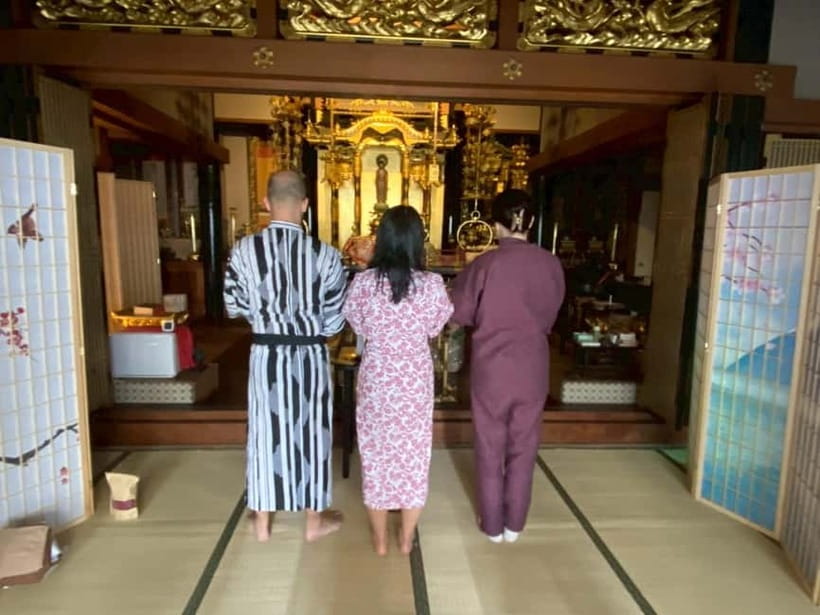
Before the hands-on treatments, you visit the temple and make an incense offering. You also take part in meditation with a bell and kneaded incense. These details give the appointment a clear Japanese setting instead of using the temple merely as a pretty backdrop.
The introduction to the temple’s history and Japanese worship culture is valuable for first-time visitors. Rituals can be easy to misunderstand when you only watch them from a distance. Here, you receive context before taking part, which makes the gestures feel more respectful and less like a photo opportunity.
The meditation portion is brief enough to fit into a spa afternoon, but it changes the mood. A bell provides a natural pause, while the scent of kneaded incense gives you something quiet to focus on. If you have trouble slowing down on your own, this structure does some of the work for you.
Do not expect a long silent retreat. The activity includes several services and explanations, so the ritual section is one part of a larger program. Its value is in preparing your mind for the massage and making the setting meaningful.
A foot bath and scrub massage ease you into treatment
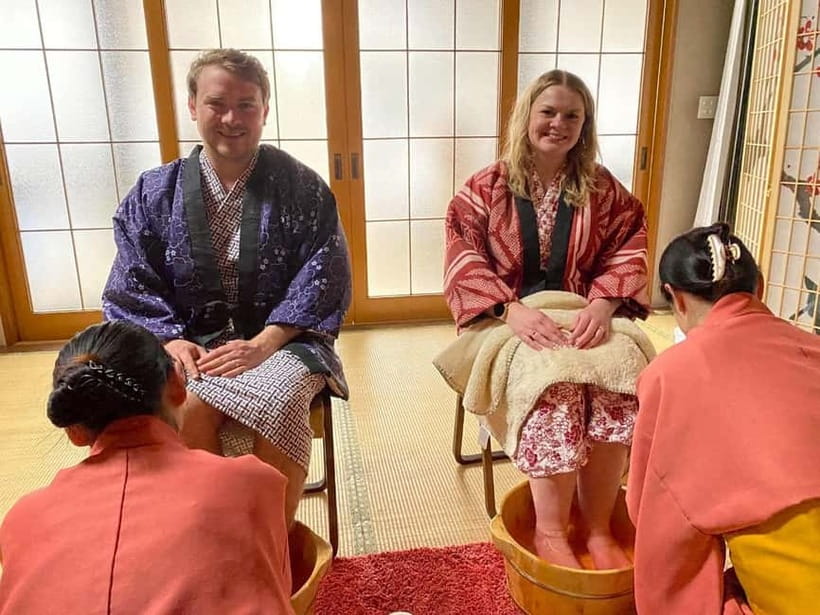
The foot bath comes before the main bodywork. Your feet are soaked and treated with a scrub massage, giving you a gentle start before the stronger massage techniques begin.
This is a sensible order after a day of sightseeing. Feet often take the most punishment on an Osaka trip, and a foot bath lets you settle before the full-body oil treatment. It also makes the transition from temple visit to spa treatment feel gradual.
The foot bath is not described as a medical foot treatment, and there is no promise of a particular water temperature or specialized pressure technique. Think of it as a comfort-focused opening service that prepares you for the rest of the appointment.
The treatment includes oil, so plan your clothing with that in mind. You wear a yukata during the experience, but you may still want to avoid scheduling a formal dinner or another activity that requires you to feel perfectly fresh immediately afterward.
More temples and shrines worth the walk:
- Osaka: Minoh, Katsuoji Temple, & Minoh Falls Full-day Tour
★ 4.9 · 172 reviews - Sagano Romantic Train & Arashiyama, Kiyomizudera, Fushimi Inari Taisha Day Tour
★ 4.5 · 171 reviews - Full Day Kyoto Tour : Bamboo Forest, Golden Temple, Fushimi Inari
★ 5.0 · 84 reviews - Osaka: Mind & Spirit Balance Temple Reiki Healing
★ 5.0 · 41 reviews
Warm bamboo and hand oil massage
The central treatment combines a full-body oil massage with fascia release using a warm bamboo stick. The bamboo work is intended to ease muscle tension and support circulation, while the therapist also uses their hands for oil massage.
This is the most distinctive part of the program. Bamboo gives the therapist a tool for broader, more even pressure than hands alone. It can appeal to you if you like the idea of firm bodywork but do not want a standard sports massage.
The wording points to muscle relief rather than a medical service. You should not book it as treatment for a diagnosed injury or health condition. It is a relaxation treatment with muscle-focused techniques.
Massage is personal, and the feedback makes that clear. Several people describe the massage as the best they had, with warm hospitality and careful attention. One person found the therapist’s work seriously average. That single negative experience is worth noting because the price is high enough that you should care about consistency.
If massage is your only goal, compare this with a dedicated Osaka spa before paying $258. If you want bamboo work, temple rituals, a facial, tea, and yukata photos in one appointment, the value becomes easier to understand.
Matcha facial treatment and head spa
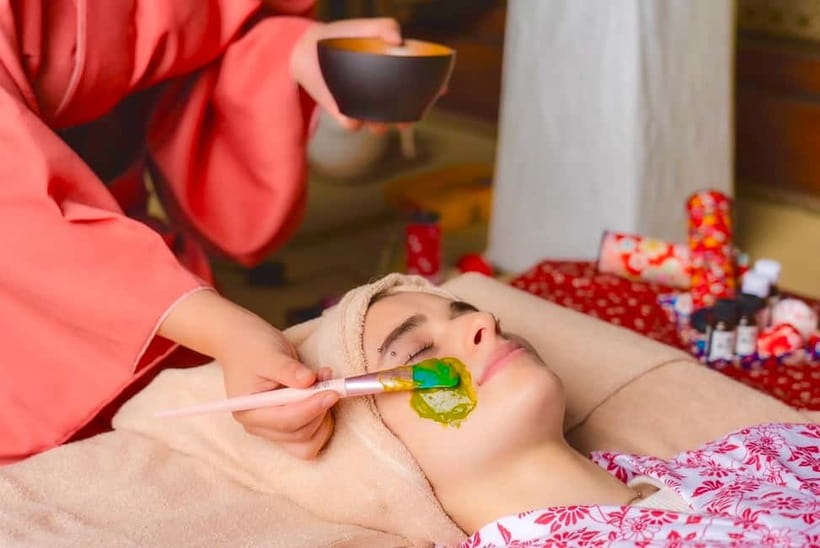
After the bodywork, the program turns to the face and scalp. The matcha facial treatment is paired with a head spa and scalp massage, creating a second zone of relaxation after the full-body work.
The matcha element gives the facial a clear Japanese identity. The available details do not specify the exact products, skin analysis, or whether the treatment is designed for a particular skin type, so you should not assume a medical or advanced cosmetic facial. It is best understood as a soothing beauty treatment with matcha as its signature ingredient.
The head spa is likely to appeal to you if scalp massage is your favorite part of a salon visit. It adds attention to the head after the body has been treated, and it helps make the appointment feel complete rather than focused only on the back and shoulders.
One useful detail from the feedback is that the facial massage received especially warm praise. That suggests the face and head portion is not an afterthought. Even so, people have different ideas about pressure and technique, so tell the therapist what feels comfortable.
Tea ceremony and original Japanese sweets
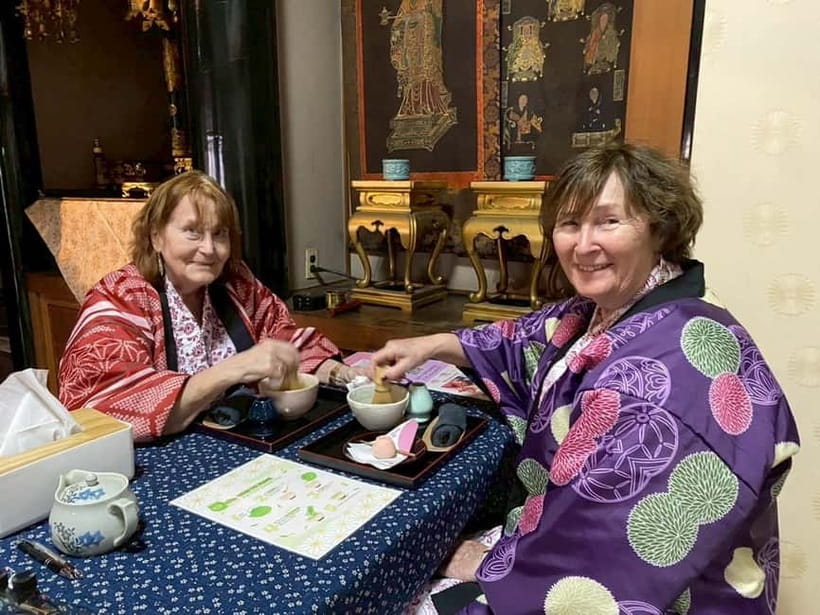
The tea ceremony closes the cultural side of the experience. You enjoy tea with original Japanese sweets, giving you a quiet ending after the massage and facial.
This is more than a drink break. It gives you time to remain in the temple setting and reflect on the rituals earlier in the appointment. The sweets also add a small food element without turning the experience into a meal.
The tea ceremony may be shared with other people. That distinction matters. You receive an individual treatment, but the tea portion is not automatically private. If you are celebrating a special occasion or want the entire three hours reserved for your party, contact the provider before booking.
The supplied details do not state the type of tea, the exact sweets, or the length of the ceremony. You should enjoy it as a traditional closing experience rather than expect a long formal tea-school lesson.
What $258 per person really covers
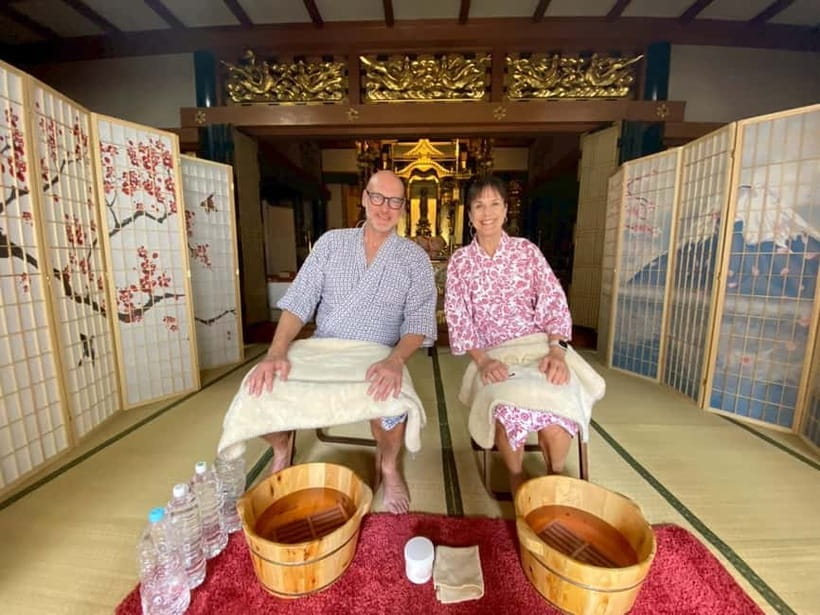
At $258 per person, this is not a bargain massage. The price makes sense only if you place value on the whole package: a temple visit, incense offering, cultural explanation, meditation, foot bath, full-body oil massage, bamboo fascia work, matcha facial, head spa, tea ceremony, yukata, and photos.
You would pay for a long spa session in many places, but this appointment adds cultural programming and a distinctive setting. It also lasts three hours, which is a substantial block of time. For someone looking for a special Osaka afternoon, the combination may be worth more than booking separate services.
The small-group limit also supports the price. With no more than three participants, the experience should feel more personal than a large commercial spa. Keep in mind that the tea portion may still include other people, so the small-group promise does not mean every moment is completely private.
I would not choose this if you want the cheapest massage in Osaka or if you mainly want a sightseeing visit. I would consider it good value for a honeymoon, anniversary, birthday, or final day of a busy Japan trip, when comfort and a memorable setting matter as much as treatment length.
Finding the meeting point without a wrong turn
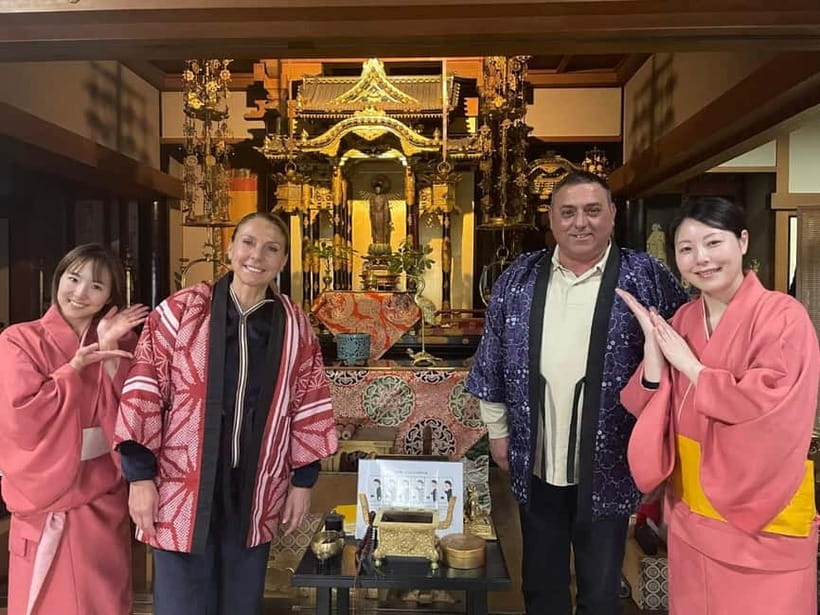
The directions deserve close attention. When using Google Maps, enter Japanese Massage -the one&only-. Do not search only for the temple name, since that may send you to the back entrance and leave you trying to find the correct room or doorway.
If the business name does not appear clearly, search for the restaurant Tossa de coracao. The meeting point is right next to it. This is one of those small planning details that can save you from arriving flustered, especially if your appointment starts at a fixed time.
The activity information gives a duration of three hours and asks you to check availability for start times. Since the appointment includes a change of clothes and several stages, arriving with enough time to find the correct entrance is sensible. No transport service is included in the provided details, so plan your own way to the meeting point.
Cancellation is free up to 24 hours before the appointment, and you can reserve now and pay later. Those terms help if your Osaka schedule is still shifting, but they do not remove the need to check the starting time carefully.
Who will enjoy this most
I would recommend this to you if you want your spa day to feel connected to Japan. The best match is someone who appreciates quiet rituals, a traditional setting, gentle cultural explanation, and several types of treatment in one long appointment.
It also suits you after a physically busy part of a trip. The foot bath, oil massage, bamboo work, facial, and scalp treatment address the general weariness that comes from walking and sightseeing. The calm temple environment adds something that a hotel spa may not.
Couples and solo visitors can both enjoy it. The small group size keeps the experience from feeling like a mass activity, while the photos make it appealing for a special occasion. If you are traveling with friends, remember that the tea ceremony may be shared unless you request a fully private experience.
This is not suitable for pregnant women. You should also think carefully about your comfort with oil massage, bamboo pressure, and facial products before booking. The supplied information does not describe special adaptations for medical needs or skin sensitivities.
What the feedback tells me about consistency
The overall rating is 4.8 from 10 reviews, with a strong pattern of praise for relaxation, kindness, the massage, the facial, and the peaceful temple setting. Several people describe the afternoon as a highlight of their holiday, and one person called it the best spa day they had experienced.
The most consistent strength is the mood. People point to a peaceful, mindful setting and warm hospitality. That matters here because the experience depends on more than technical massage skill. The temple, rituals, yukata, tea, and careful explanations all contribute to the feeling of getting away from ordinary sightseeing.
Massage quality is the one clear concern. One guest gave the experience two stars because the therapist seemed unsure and the massage felt average. You should take that seriously, especially if you are an experienced spa customer who judges an appointment mainly by pressure, technique, and therapist skill.
The fairest reading is that this is a highly praised cultural wellness experience with some risk of uneven massage quality. Book it for the complete package, and you are more likely to feel the price is justified. Book it only for a technically exceptional massage, and you may be disappointed.
Should you book this temple wellness experience?
Book it if you want three unhurried hours of Japanese atmosphere and pampering, not just a massage table. The strongest reasons are the temple rituals, warm bamboo bodywork, matcha facial, head spa, tea with sweets, yukata, and complimentary photos.
Skip it if your budget is tight, you need a guaranteed private tea ceremony, or your main goal is a specialist massage with highly consistent technique. Before paying, contact the provider if privacy matters, and use the exact meeting-point search terms to avoid the back entrance.
For the right person, this can be a memorable pause in an Osaka itinerary. It gives you rest, a taste of Japanese worship culture, and a keepsake photo without asking you to give up an entire day.
FAQ
How long does the Osaka temple massage experience last?
The experience lasts three hours.
What is included in the treatment?
It includes a full-body oil massage, fascia release with a bamboo stick, a matcha facial treatment, head spa and scalp massage, a foot bath, a traditional tea ceremony, and a yukata wearing experience with complimentary photos.
Is the tea ceremony private?
The treatments are individual, but the tea ceremony may be shared with other people. Contact the provider if you want a completely private experience.
How many people can join the activity?
It is a small-group activity limited to three participants.
Are pregnant women permitted to participate?
No. The activity is not suitable for pregnant women.
Where should I search for the meeting point?
Enter Japanese Massage -the one&only- in Google Maps. Searching for the temple name may lead you to the back entrance. You can also search for the restaurant Tossa de coracao, which is next to the meeting point.
Can I cancel for a refund?
Yes. You can cancel up to 24 hours in advance for a full refund.
Can I reserve now and pay later?
Yes. The activity offers reserve now and pay later booking, so you do not have to pay at the time of reservation.
Just added around Osaka
- Nara Day Trip from Osaka with a Licensed Guide★ 5.0 · 3 reviews
- Osaka Early Morning Osaka Castle Tour Avoid Crowds★ 5.0 · 3 reviews
- Guided Tour of Some Attractions in Osaka by Private Car★ 5.0 · 3 reviews
- Private Transfer Between Kyoto and Kansai Airport KIX★ 5.0 · 3 reviews
- Shared Arrival Transfer: Osaka Itami Airport to Osaka City★ 5.0 · 3 reviews
- Osaka: Sushi Making Class and Dotonbori Food Tour★ 4.7 · 3 reviews
- Osaka Night Photography Workshop★ 5.0 · 3 reviews
- Kyoto Full day Tour Kinkakuji, Kiyomizu-dera and Fushimi Inari★ 4.5 · 3 reviews
Osaka Temple & Shrine Tours, compared.
Minoh, Katsuoji Temple, & Minoh Falls Full-day Tour
Read our review →
Sagano Romantic Train & Arashiyama, Kiyomizudera, Fushimi Inari Taisha Day Tour
Read our review →Full Day Kyoto Tour : Bamboo Forest, Golden Temple, Fushimi Inari
Read our review →
Osaka Temple Cool Foot Bath & Matcha Experience〈45min〉
Read our review →
Katsuo-ji Temple, Arashiyama Forest, & Nara Park
Read our review →
Minoh Waterfall & Katsuo-ji Temple Half-Day Tour
Read our review →
Osaka Half-day E-bike Adventure: Minoh Falls & Katsuoji Temple
Read our review →Browse the lists this tour appears in