Reviewed · GUIDED
Eat Like a Japanese with a Local Guide
Osaka’s famous Dotonbori district is best understood one bite at a time. This 2.5-hour food walk takes you from takoyaki and steamed pork buns to matcha tart and airy Japanese cheesecake, with the neon Glico Running Man as your final photo stop.
I like the wide range of food and the small group limit of 10 people, which can make it easier to ask questions and keep up in crowded streets. I also like that lunch, snacks, and gratuities are included, so the advertised $89.47 price covers more than a simple guided stroll. The main caution is timing: several stops are popular shops, and long lines or slow service can reduce the time available for eating and sightseeing.
In This Review
- Key points to know before booking
- Why Dotonbori works so well for a food walk
- Takoyaki at Takohachi Dotonbori Main Store
- Silky purin at Mattari-Purin Dotombori
- A warm nikuman at 551 Horai Ebisubashi
- Okonomiyaki at Honke Ootako Dotonbori Honten
- Crisp karaage at DEARBROS
- Matcha tart at Lord Stow’s Bakery
- Yakisoba at Takoyaki Dotonbori Kukuru Dotonbori Minami
- Light Japanese cheesecake at Rikuro’s Namba Main Branch
- The Glico Running Man and the final photo stop
- What the $89.47 price really covers
- Timing, crowds, and the main drawback
- Who should book this Osaka food tour
- Should you book Eat Like a Japanese with a Local Guide?
- FAQ
- Where does the tour begin?
- Where does the tour end?
- How long does the experience last?
- How much does the tour cost?
- What food is included?
- Is lunch included?
- Are gratuities included?
- Are extra food orders included?
- Is the tour available in English?
- Are vegetarian or vegan options available?
- How many people can join the tour?
- Can I cancel for a full refund?
Key points to know before booking
- Eight food stops plus the Glico sign: You sample savory Osaka favorites, sweets, and casual Japanese comfort food in one outing.
- A full tasting menu: Takoyaki, purin, nikuman, okonomiyaki, karaage, matcha tart, yakisoba, and Japanese cheesecake are all part of the planned route.
- Small group format: The maximum group size is 10 people, a useful limit in the tight streets around Dotonbori.
- English or Spanish guidance: The experience includes a guide in either language, with cultural and food background along the way.
- No vegetarian or vegan choices: This is important for anyone with a meat-free diet or strict food restrictions.
- Popular shops can mean waiting: The route uses well-known food counters and restaurants, so the pace may not always be smooth.
Why Dotonbori works so well for a food walk
Dotonbori gives you Osaka in concentrated form. Along the canal and nearby shopping streets, oversized restaurant signs, glowing billboards, food displays, and packed storefronts create a setting that feels made for grazing.
The meeting point is Kani Doraku Dotonbori Main Branch at 1-chōme-6-18 Dōtonbori. From there, the route stays in the same central district and returns to the meeting point at the end. That makes the outing easy to fit into a day of sightseeing in Namba, though you should allow extra time before and after if you have a train to catch.
The appeal is not simply eating eight items. Your guide explains what each dish is, how it is made, and why it belongs in Osaka’s food culture. That helps you recognize the difference between a quick snack and a dish with a particular place in daily Japanese life.
You will walk between stops, so wear comfortable shoes. Dotonbori can be crowded, and the food is often served hot, quickly, and in small portions. Think of this as a progressive tasting rather than eight full meals.
A few more Osaka tours and experiences worth a look
- Osaka: Main Sights and Hidden Spots Guided Walking Tour
★ 4.9 · 702 reviews - Osaka: Guided Food Tour with 12 Dishes at 4 Local Eateries
★ 5.0 · 533 reviews - Osaka: Namba Pub Bar Crawl with a Local Guide
★ 4.9 · 424 reviews
Takoyaki at Takohachi Dotonbori Main Store
The first stop introduces you to Osaka’s best-known street food: takoyaki. These round batter balls contain diced octopus, green onion, pickled ginger, and tempura scraps. They are cooked in a special pan until the outside firms up while the inside stays soft and almost creamy.
The usual finish includes sweet-savory sauce, Japanese mayonnaise, bonito flakes, and dried seaweed. The bonito flakes may flutter from the heat, a small but memorable detail when the food arrives fresh.
Takoyaki is easy to eat too soon. The center can stay very hot, so give it a moment before taking a full bite. The stop is scheduled for about 15 minutes, which is enough for a tasting but not for a long sit-down meal.
This is an especially useful first stop because it gives you a reference point for Osaka’s preferred flavors: savory, lightly sweet, sauced, and full of texture. If you have never tried octopus, this is a gentler introduction than a large seafood dish.
Silky purin at Mattari-Purin Dotombori
Next comes purin, the Japanese version of caramel custard. It resembles crème caramel, with eggs, milk, sugar, and vanilla cooked into a smooth pudding and topped with amber caramel syrup.
After the bold sauce and seafood flavor of takoyaki, purin provides a calm change of pace. Its texture is delicate, and the caramel adds a slight bitterness that keeps the dessert from tasting flat.
The portion is likely to be small, as purin is commonly served in cups or jars. That is useful on a food tour because you still have several stops ahead. The 15-minute schedule leaves room for a quick taste and a little explanation without turning dessert into a long café break.
I especially like this stop for its everyday quality. Purin is not a ceremonial sweet reserved for special occasions. It is the sort of familiar dessert you can find in cafés, shops, and convenience stores across Japan, making it a good window into ordinary food culture.
A warm nikuman at 551 Horai Ebisubashi

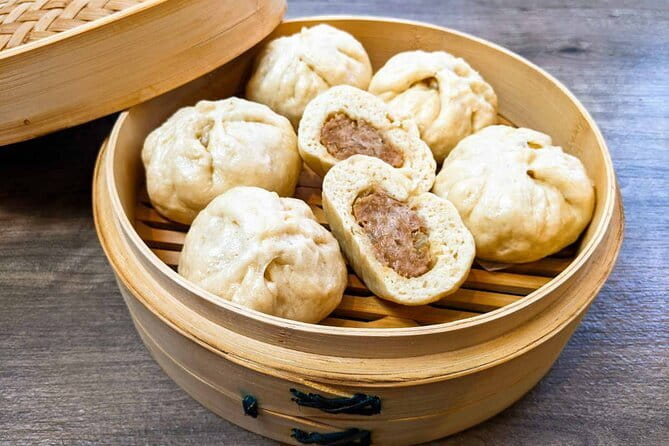
At 551 Horai, you try nikuman, a steamed bun filled with seasoned ground pork and onions. The dough is soft and slightly sweet, while the center is savory and juicy.
The bun is simple, filling, and comforting. It is also a helpful contrast to takoyaki, since you are moving from a crisp, sauced snack to something warm and breadlike.
The seasoning can include soy sauce, ginger, garlic, and a little sugar. The 15-minute stop is short, but that suits a handheld snack. You can eat it while continuing to take in the street scene rather than settling in for a full restaurant meal.
This stop may be less visually dramatic than the neon signs around Dotonbori, but it gives the tour practical value. Nikuman is the kind of inexpensive food people grab when they want something warm and satisfying. You get a taste of that everyday rhythm without having to work out which shop to choose.
A completely different way to spend a day in Osaka:
- Osaka Go Karting Tour with Funny Costume
★ 5.0 · 2,658 reviews - Osaka Castle: Museum and Tower Entry Ticket
★ 4.5 · 2,380 reviews - Osaka: Shinsekai Food Tour with 13-15 Dishes at 5 Eateries
★ 4.8 · 2,204 reviews - Osaka Food Tour: 13 Dishes at 5 Local Eateries
★ 5.0 · 2,149 reviews
Okonomiyaki at Honke Ootako Dotonbori Honten
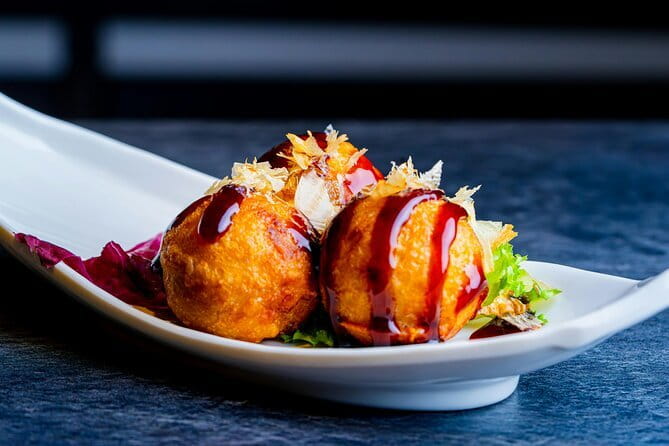
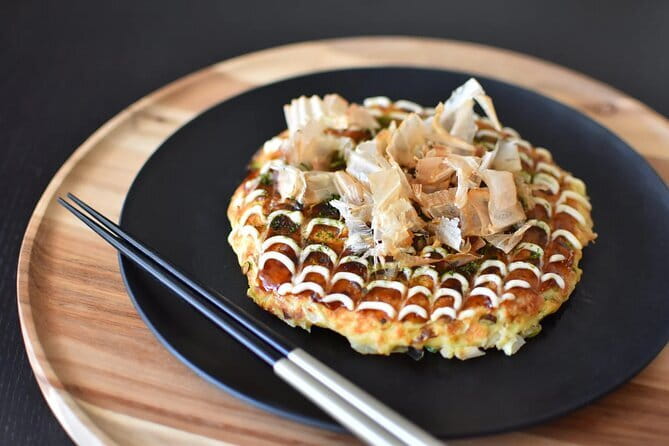
Okonomiyaki is often described as a Japanese savory pancake, though that label only goes so far. The batter combines flour and eggs with shredded cabbage and other ingredients such as pork, shrimp, or squid. It cooks on a hot griddle and is finished with okonomiyaki sauce, mayonnaise, bonito flakes, and seaweed.
The name refers to grilling it as you like it, which reflects the dish’s flexible nature. It can vary by region and restaurant, but the Osaka version is a key part of the city’s food identity.
This stop lasts about 20 minutes, giving you a little more time with a substantial dish. You should not expect a cooking lesson based on the information provided. The value is in tasting a classic Osaka preparation while the guide explains what you are eating.
Okonomiyaki can be heavier than the earlier samples, especially with sauce and mayonnaise. If you are already full, eat slowly and save room. The route still includes karaage, yakisoba, and two more sweets.
Crisp karaage at DEARBROS
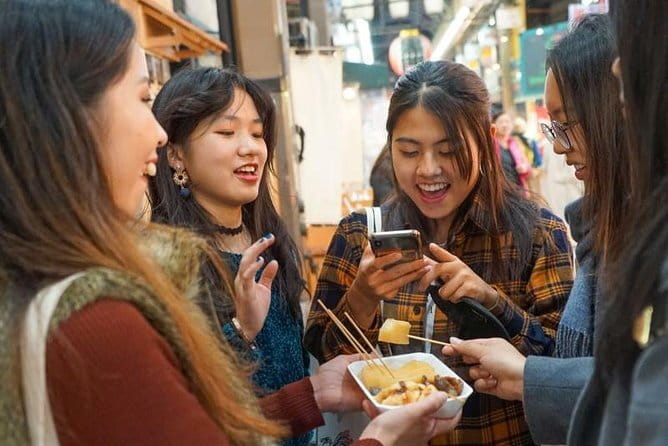
Karaage brings fried chicken into the lineup. Bite-sized pieces are marinated with soy sauce, garlic, ginger, and sometimes sake before being coated and fried.
The contrast here is all about texture: crisp outside, tender meat inside. A wedge of lemon may add a sharp note to the salty coating, and shredded cabbage or rice can appear alongside it.
The planned visit is 20 minutes. That gives you time to eat without needing to rush through a large plate. It also marks the point where the tour becomes a series of substantial tastes rather than a hunt for a single signature snack.
For anyone who likes familiar foods, karaage is a reassuring stop. For anyone hoping for only unusual or highly regional dishes, it may feel less distinctive than takoyaki or okonomiyaki. Still, fried chicken is deeply woven into casual Japanese dining, and tasting it here helps round out the food picture.
Matcha tart at Lord Stow’s Bakery
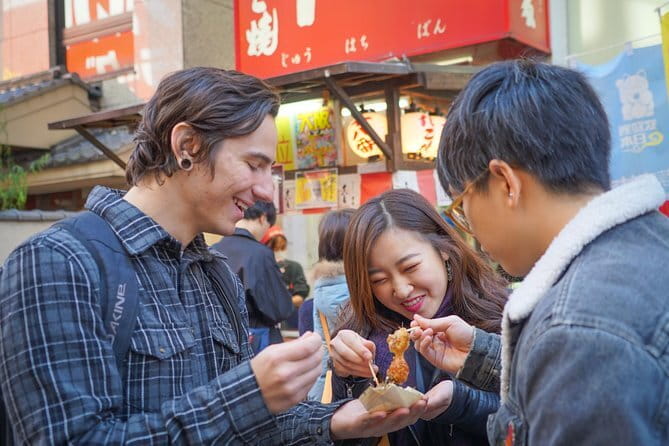
The route then turns toward sweets with a matcha tart at Lord Stow’s Bakery, also identified with Ken’s Papa Marron. The tart pairs a crisp, buttery shell with a creamy green tea filling.
Matcha brings an earthy, slightly bitter taste. Depending on the preparation, the filling may also use white chocolate or cream cheese to soften that edge. The result is more refined than the caramel purin, with a pastry texture that adds another kind of contrast.
The stop lasts about 15 minutes. Matcha can be divisive, especially if you prefer very sweet desserts, so this is a good moment to notice how Japanese sweets often balance sugar with tea, bitterness, or a gentle creaminess.
The bakery stop also breaks up the savory food. By this stage, the variety matters as much as the individual dishes. You have tasted steamed, grilled, fried, sauced, custard-based, and pastry-based foods in a fairly short period.
Yakisoba at Takoyaki Dotonbori Kukuru Dotonbori Minami
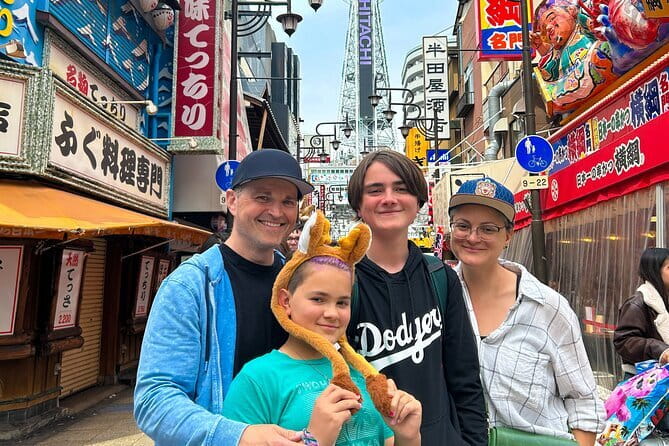
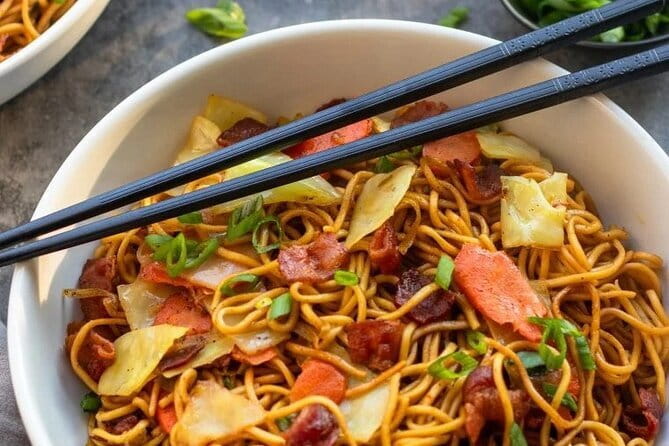
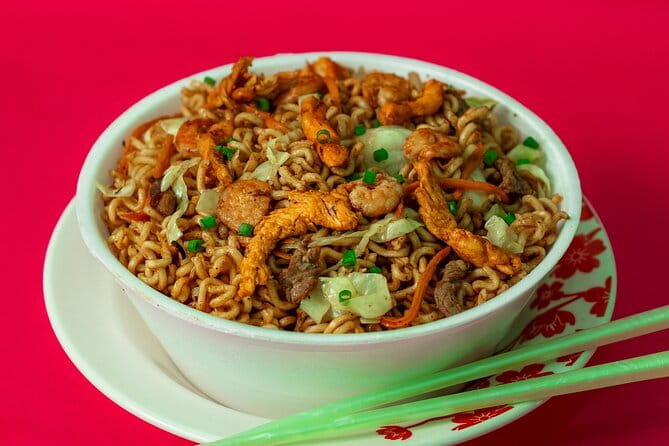
Despite the shop name, this stop features yakisoba, a stir-fried noodle dish rather than takoyaki. Thin wheat noodles are cooked with vegetables such as cabbage, carrots, and onions, plus sliced meat that may be pork, beef, or chicken.
The sauce gives yakisoba its familiar savory-sweet character. Worcestershire sauce, soy sauce, and ketchup may be part of the blend, with pickled ginger, sesame seeds, or bonito flakes used as toppings.
This is another 20-minute stop, and it may feel closer to a small meal than a snack. Yakisoba is filling, so pace yourself earlier in the route if you want to appreciate it.
I like having this dish included because it shows another side of Japanese street food. Takoyaki gets much of the attention in Osaka, but yakisoba is just as practical: hot noodles, vegetables, meat, and sauce in one quick dish.
Light Japanese cheesecake at Rikuro’s Namba Main Branch
The final food stop is Japanese cheesecake, often called cotton cheesecake because of its soft, airy texture. Cream cheese, eggs, sugar, and a little flour produce a cake that is lighter and less sweet than the dense cheesecake common in North America.
The top is usually golden, while the inside stays tender and springy. A slight tang from the cream cheese keeps the flavor balanced.
This is a smart ending for the food portion. After fried chicken, noodles, and pastry, a lighter dessert feels easier to finish. The visit lasts about 15 minutes, enough for a sample and a short explanation of how the cake differs from heavier cheesecake styles.
Rikuro’s is a well-known name in Osaka, so this stop can be busy. The route’s food quality depends partly on how smoothly each shop serves the group. Build that possibility into your expectations rather than assuming every stop will move at the same speed.
The Glico Running Man and the final photo stop
The tour ends at the Dotombori Glico Sign near Ebisubashi Bridge. The Running Man has been displayed here since 1935 and has become one of Osaka’s most recognizable signs.
The image of an athlete crossing a finish line fits the district’s high-energy character. At night, the illuminated sign joins the surrounding billboards and restaurant displays, making it a natural place to take a classic Osaka photo.
The stop is scheduled for about 15 minutes. It is not a museum visit or a historical tour, but it gives the food walk a clear ending and places you beside one of the city’s best-known landmarks.
Because the activity returns to the original meeting point, you can continue exploring Dotonbori afterward or use the nearby public transportation connections. The route is close to major shopping and entertainment areas, so you will not be stranded at the end.
What the $89.47 price really covers
At $89.47 per person, this is not the cheapest way to eat in Osaka. You could buy individual snacks for less if you are comfortable choosing shops, handling menus, and finding your way through Dotonbori on your own.
The price becomes easier to justify if you value structure and explanation. Lunch, snacks, gratuities, and the guide are included. You also get a planned sequence of eight tastings, rather than spending part of your evening comparing menus and wondering what to order.
The small group cap of 10 helps the price make more sense. A large group would be harder to manage at crowded counters and narrow streets. Still, the experience does not include extra orders, so you should expect the included tastings to define the meal. If you want second portions or additional drinks, those cost extra.
The tour is booked an average of 21 days ahead, which suggests that you should not leave it until the last minute if the date matters to you. Group discounts may help families or friends booking together.
Timing, crowds, and the main drawback
The biggest practical concern is waiting. Popular Dotonbori shops can have long lines, and food may not arrive at the same pace for every person in the group. One poor experience involved extended waits at several stops, including a restaurant where the food took a long time to arrive.
That does not mean every departure will be slow, but it is a real risk in a popular district. The route includes many stops in only 2 hours and 30 minutes, so delays can make the walk feel hurried later.
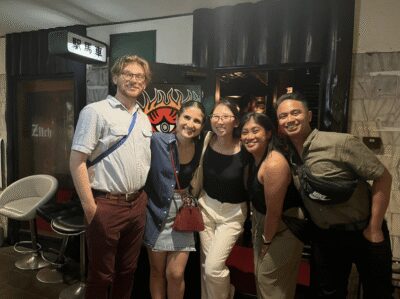
There was also a concern about whether the guide felt genuinely local. The advertised service provides English or Spanish guidance, but the available information does not promise that every guide grew up in Osaka. One named guide connected with a positive outing was Esteban, who led a pleasant evening with several food stalls and restaurants.
I would treat the guide as a major part of the value. If the guide explains the food well, keeps the group moving, and handles crowded shops with care, the tour works much better. If the group spends too long waiting, the $89.47 price feels less attractive.
Who should book this Osaka food tour
I would recommend this outing to first-time visitors who want an organized introduction to Osaka food without planning every stop. It suits people who like variety and want both savory dishes and sweets in one evening.
It is also a good fit for small groups who appreciate an English or Spanish-speaking guide. The route offers plenty of familiar entry points, including fried chicken, noodles, steamed buns, and cheesecake, while still introducing distinctly Japanese flavors such as takoyaki, purin, and matcha.
I would not choose it for vegetarians or vegans. No vegetarian or vegan options are provided, and many of the scheduled dishes contain meat, seafood, eggs, or dairy.
It may also disappoint diners who want long meals at a few excellent restaurants. This is a moving tasting route, with most stops lasting 15 or 20 minutes. You trade depth at each shop for range across the district.
Booking confirmation is provided at the time of purchase, and the activity is near public transportation. Most people can participate, but crowded streets and repeated standing should be expected.
Should you book Eat Like a Japanese with a Local Guide?
Book it if you want a guided introduction to Dotonbori and prefer tasting many Osaka staples over choosing one restaurant for dinner. The mix is the strongest feature: takoyaki, okonomiyaki, karaage, yakisoba, nikuman, purin, matcha tart, and Japanese cheesecake give you a broad first look at the city’s casual food.
Skip it if you need vegetarian or vegan food, dislike waiting in lines, or want complete control over portions and restaurant choices. At $89.47, the tour earns its price through convenience, guidance, included food, and the small group size, not through luxury dining.
If you book, arrive ready for a busy walking route and pace yourself from the first takoyaki. Leave room for the sweets, and remember that extra orders are not included.
FAQ
Where does the tour begin?
It begins at Kani Doraku Dotonbori Main Branch, located at 1-chōme-6-18 Dōtonbori, Chuo Ward, Osaka, 542-0071, Japan.
Where does the tour end?
The activity ends back at the meeting point.
How long does the experience last?
The tour lasts approximately 2 hours and 30 minutes.
How much does the tour cost?
The listed price is $89.47 per person.
What food is included?
The route includes takoyaki, purin, nikuman, okonomiyaki, karaage, a matcha tart, yakisoba, and Japanese cheesecake.
Is lunch included?
Yes. Lunch and snacks are included.
Are gratuities included?
Yes. Gratuities are included in the tour price.
Are extra food orders included?
No. Extra orders are not included.
Is the tour available in English?
Yes. Guide service is available in English or Spanish.
Are vegetarian or vegan options available?
No. The activity information specifies that vegetarian and vegan options are not available.
How many people can join the tour?
The maximum group size is 10 people.
Can I cancel for a full refund?
Yes, if you cancel at least 24 hours before the experience start time. Cancellations made less than 24 hours ahead are not refunded, and changes are not accepted within that period.
Just added around Osaka
- Nara Day Trip from Osaka with a Licensed Guide★ 5.0 · 3 reviews
- Osaka Early Morning Osaka Castle Tour Avoid Crowds★ 5.0 · 3 reviews
- Guided Tour of Some Attractions in Osaka by Private Car★ 5.0 · 3 reviews
- Private Transfer Between Kyoto and Kansai Airport KIX★ 5.0 · 3 reviews
- Shared Arrival Transfer: Osaka Itami Airport to Osaka City★ 5.0 · 3 reviews
- Osaka: Sushi Making Class and Dotonbori Food Tour★ 4.7 · 3 reviews
- Osaka Night Photography Workshop★ 5.0 · 3 reviews
- Kyoto Full day Tour Kinkakuji, Kiyomizu-dera and Fushimi Inari★ 4.5 · 3 reviews
Guided, compared.
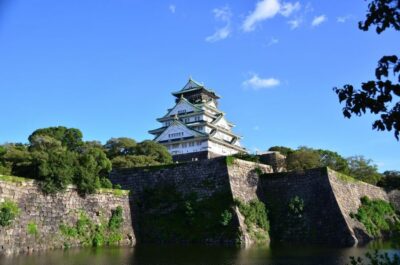
Main Sights and Hidden Spots Guided Walking Tour
Read our review →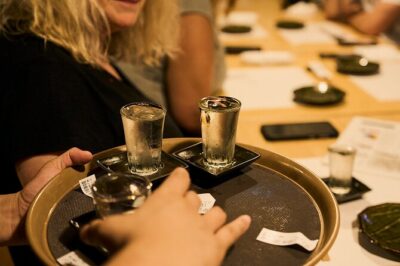
Guided Food Tour with 12 Dishes at 4 Local Eateries
Read our review →