
Reviewed · 1-DAY TOURS
Naoshima 1 Day Tour from Osaka
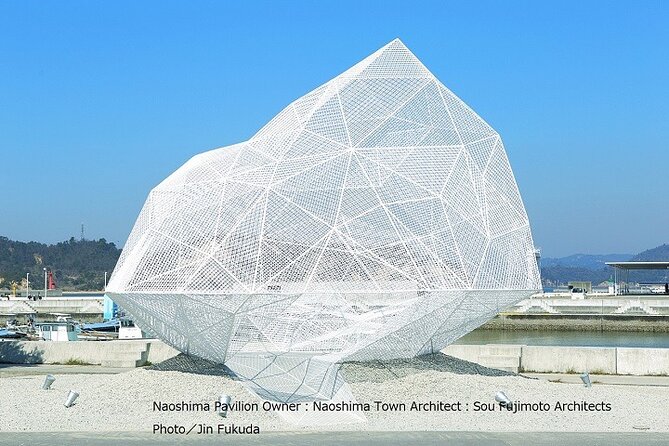
Naoshima turns a long day from Osaka into an unusual mix of ferry travel, electric-bike riding, and world-class contemporary art. You leave Shin-Osaka at 6:30 am, cross to Uno by Shinkansen and local train, then reach the island by boat. It is a big day, but it gives you a taste of one of Japan’s most original art destinations without arranging every connection yourself.
I like the private format, since your guide can adjust the pace and skip a stop if you prefer. I also like the e-bike plan, which gives you more freedom than the island bus and lets you move between art sites without waiting at every stop. The main caution is the schedule: 12 to 13 hours is a long outing, ferry times are fixed, and cycling in hot weather can be tiring.
In This Review
- Key points to know before booking
- Why Naoshima makes such a long day worthwhile
- The 6:30 am start at Shin-Osaka
- Uno Port and the Seto Inland Sea ferry
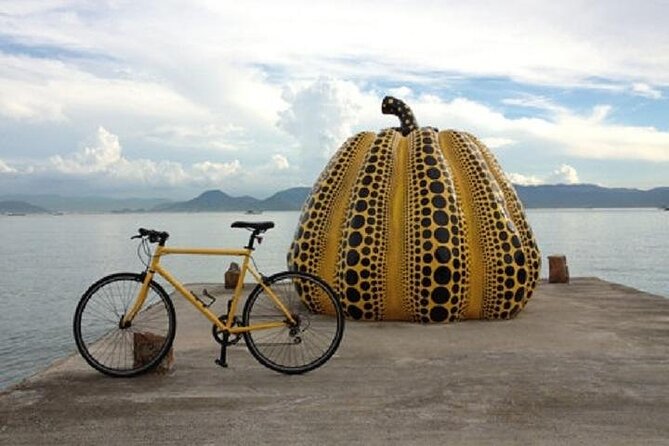
- Getting around Naoshima by e-bike
- Lee Ufan Museum and the quiet power of concrete
- Benesse House Museum, art beside nature
- Art House Project and the village setting
- Chichu Art Museum, the major extra cost
- The guide can make or break the day
- What the long day feels like
- Who should book this Naoshima day trip?
- FAQ
- Where does the tour start and end?
- How long does the experience last?
- Is the Shinkansen included?
- Is the ferry to Naoshima included?
- Can I choose between a bicycle and a bus?
- Is Chichu Art Museum admission included?
- Is lunch included?
- Can I bring a suitcase?
- Should you book it?
Key points to know before booking
- A full Osaka to Naoshima day: Expect an early start, roughly four hours of rail travel, ferry connections, museum visits, and a return to Shin-Osaka.
- E-bike freedom: The bicycle plan is the best fit if you can ride an electric bicycle and want to move around the island at your own pace.
- Private guiding: Only your group takes part, with English or Spanish guiding available. Jun and Seiko are named guides associated with particularly strong outings.
- Tadao Ando architecture: The Lee Ufan, Benesse House, and Chichu museums make the buildings themselves part of the art experience.
- Tickets need checking: Chichu Art Museum is excluded, while the supplied inclusion details conflict about Benesse House Museum. Confirm exactly what your chosen plan covers before paying.
- Pack light: Large suitcases are not allowed. Your luggage must fit in a backpack or the bicycle’s front basket.
Why Naoshima makes such a long day worthwhile
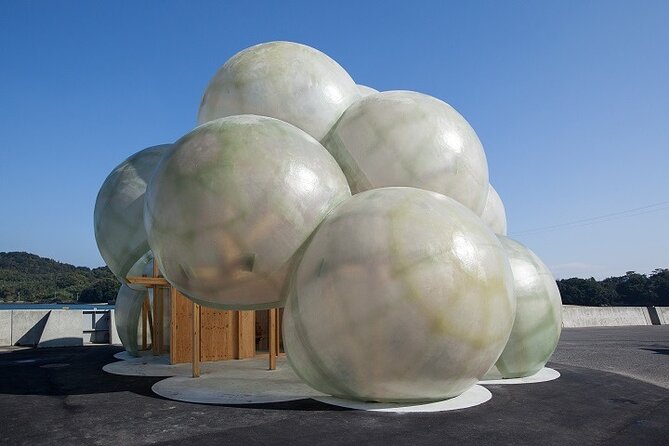
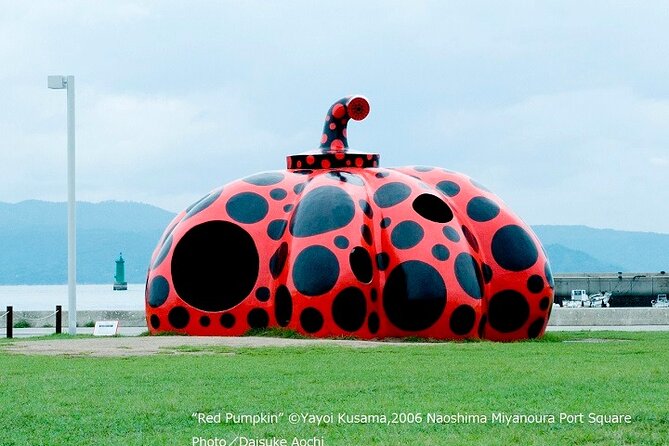
Naoshima is the main island in a small group of 27 islands administered by Kagawa Prefecture. Its documented past reaches back to the Heian period, but its modern identity comes from contemporary art.
The island belongs to Seto Inland Sea National Park. Strict rules limit the visual impact of new buildings, so several museums are built partly or mostly underground. That is not just a practical detail. It shapes the whole visit. You move from quiet roads and sea views into carefully controlled spaces where concrete, light, shadow, and art work together.
This tour is useful if you are staying in Osaka and do not want to spend several nights in the Setouchi region. You get the main Naoshima experience in one demanding day. You do not get the leisurely rhythm of an overnight stay, but you do get a well-organized route, return rail tickets, ferry fares, a guide, and island transport.
At $481.23 per person, this is not a cheap day trip. The value depends on how much help you want. The price covers the Shinkansen, local trains, ferry, guide, and either bicycle or local bus. It also includes the Lee Ufan Museum, and the supplied details list Benesse House Museum as included, although another part of the description says its ticket is excluded. Chichu Art Museum and lunch are not included.
For two or more people, ask about group discounts. Since this is a private activity, the cost may feel more reasonable when shared among a small group, especially if you value having someone manage the connections.
A few more Osaka tours and experiences worth a look
- Kyoto and Nara Day Trip from Osaka
★ 4.0 · 175 reviews - Hiroshima & Miyajima 1 Day Bus Tour with Bullet Train Tickets
★ 4.5 · 105 reviews - From Osaka: Hiroshima and Miyajima Day Trip by Bullet Train
★ 4.6 · 83 reviews
The 6:30 am start at Shin-Osaka
You meet at Shin-Osaka Station at 6:30 am, at 5 Chome-16 Nishinakajima in Yodogawa Ward. The tour ends back at the same meeting point.
The early departure is necessary. The trip between Osaka and Uno takes about four hours by Shinkansen and local train, according to the planned schedule. That is a large portion of the day, but the fast train is much more practical than trying to arrange every rail segment independently.
This first stretch is not sightseeing time in the usual sense. Think of it as the price of reaching an island that is not located next door. Keep breakfast simple and have water with you. Lunch is not included, and the day leaves little room for a relaxed restaurant stop.
Because the tour is private, you can ask for schedule changes in advance. The guide may also adjust the order during the day. Still, do not treat the timetable as loose. Ferry departures are limited, and missing one can affect the rest of your route.
Uno Port and the Seto Inland Sea ferry
At Uno Port, you board the ferry to Naoshima. The round-trip fare is included, and the water crossing is part of the pleasure of the route rather than just a transfer.
The ferry gives you a clear break from trains and city streets. You begin to understand Naoshima as an island community rather than simply an outdoor museum. The crossing also helps explain why a day trip here takes so long. Rail travel gets you close, but the final approach is by boat.
The ferry schedule controls the day. You cannot simply stay longer at a museum and catch a later boat whenever you like. If you want to linger over one artist or building, tell your guide early so the rest of the plan can be adjusted.
Getting around Naoshima by e-bike
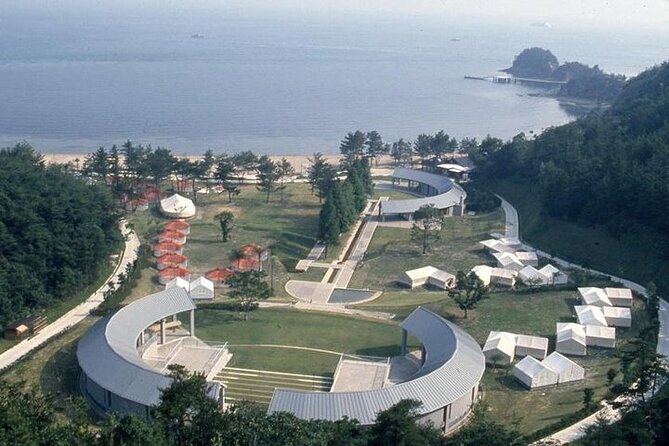
The bicycle plan includes a rental bicycle, with an electric bicycle available. This is the most flexible way to see the island within a one-day schedule. You can travel between the main art sites without depending fully on the local bus route.
The e-bike does not remove the need for good fitness. You must be able to ride an electric bicycle, and the tour information specifically asks you to confirm this before booking. The day can involve cycling and walking, and one outing became especially demanding in hot weather.
Pack very lightly. A suitcase cannot be taken on the bicycle, and the luggage you bring must fit in a backpack or the bicycle’s front basket. The operator cannot carry a large suitcase to your hotel by bicycle. This is an easy detail to miss and a serious nuisance if you arrive with full-size luggage.
A local bus option is available for people who do not want to cycle. You cannot combine bicycle transport and bus transport within the same group, so everyone must use the same method. The bus has only one route and cannot circle the island in both directions as freely as a bicycle. Expect to lose more time waiting and routing around the island by bus.
My practical choice would be the e-bike for a small, active group that can ride confidently. Choose the bus if cycling is not comfortable, but understand that you will have less control over the order and pace of the day.
A completely different way to spend a day in Osaka:
- Osaka Go Karting Tour with Funny Costume
★ 5.0 · 2,658 reviews - Osaka Castle: Museum and Tower Entry Ticket
★ 4.5 · 2,380 reviews - Osaka: Shinsekai Food Tour with 13-15 Dishes at 5 Eateries
★ 4.8 · 2,204 reviews - Osaka Food Tour: 13 Dishes at 5 Local Eateries
★ 5.0 · 2,149 reviews
Lee Ufan Museum and the quiet power of concrete
The Lee Ufan Museum is one of the scheduled highlights, with admission included. It was created through a collaboration between artist Lee Ufan, who is based mainly in Europe, and architect Tadao Ando.
The building is semi-underground and deliberately restrained. That matters because the museum is not simply a box filled with paintings and sculpture. The rooms, openings, concrete surfaces, and carefully framed light shape how you see the work.
You have about an hour here. That is enough for a focused visit, but not enough for a slow study of every piece. Listen to the guide’s explanation, then leave yourself a few quiet minutes without commentary. Naoshima works best when you pay attention to the spaces between the exhibits too.
Benesse House Museum, art beside nature
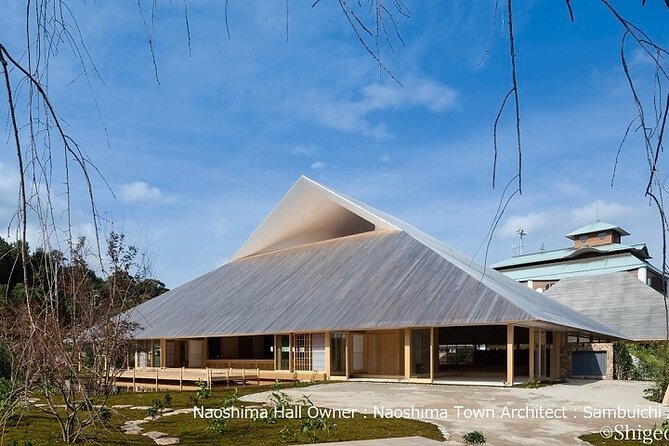
Benesse House Museum opened in 1992 as a museum and hotel built around the idea of nature, art, and architecture existing together. It was designed by Tadao Ando and is one of the island’s defining art sites.
The planned visit lasts about an hour. You can expect a setting where the building and its surroundings are as important as the collection. The experience is less like rushing through a standard gallery and more like moving through a sequence of rooms, views, and installations.
There is a ticket conflict in the supplied tour details. The itinerary says Benesse House Museum ticket excluded, while the inclusion list says admission is included. Do not assume. Ask H.I.S.Co., Ltd. which ticket applies to your selected plan, and budget for the admission if the answer is unclear.
This is also a good point to decide how much museum time you really want. If you are deeply interested in contemporary art, one hour may feel brief. If you want a broad introduction to Naoshima, it keeps the day moving.
Art House Project and the village setting
The Art House Project appears in the route under the charter car plan, with admission included for that plan. It is not listed as included in the same way for the bicycle plan, so confirm whether it is part of your chosen arrangement.
The project uses existing houses and other spaces in the Naoshima community for art installations. That gives the visit a different feel from the purpose-built museums. Instead of moving only through formal gallery buildings, you encounter art within the village setting.
The planned time is 30 minutes, which is short. This stop makes most sense if you want a quick introduction or if the guide can fit it around the ferry and museum schedule. If it is a high priority, ask how much time your particular transport plan allows.
Chichu Art Museum, the major extra cost
Chichu Art Museum is scheduled for about two hours and requires a separate admission fee. The museum was built in 2004 to rethink the relationship between people and nature. Like several Naoshima buildings, it is mostly underground so it has less visual effect on the island.
Two hours gives this museum more weight than the shorter stops. It is also the place where ticket planning matters most. Admission is not included, so you need to pay separately and should confirm the current arrangements before the trip.
The underground design is not a gimmick. It changes the light, the sense of direction, and the pace of the visit. You enter a building that is partly hidden from view, then spend time considering how architecture directs your attention.
If Chichu is your main reason for visiting Naoshima, tell the guide before the day begins. The private format allows some customization, but the ferry and train timetable still set hard limits. You can skip a scheduled stop, but unused fees are not refunded.
The guide can make or break the day
The best part of a private tour is not just convenience. It is having one person keep track of trains, ferry times, bicycle arrangements, museum order, and your energy level.
Jun is specifically associated with an outing where every detail was handled smoothly and the guest felt comfortable throughout. Seiko also led highly praised days, with strong help at each stage. One particularly thoughtful touch was taking photographs and making a short video to share afterward.
Guide quality is not guaranteed at the same level every time. One poor experience involved a guide on only his second visit to Naoshima, with limited understanding of the island and its museums. That matters here because the setting and architecture need context. Without a prepared guide, you may still see attractive buildings, but you could miss why they were designed in such unusual ways.
When booking, request an experienced Naoshima guide if possible. You can choose an English plan or Spanish plan. Since the tour is private, tell the operator your art interests, cycling ability, preferred pace, and any stop you consider essential.
What the long day feels like
The schedule combines four kinds of movement: Shinkansen, local train, ferry, and island transport. Then add walking through museums and cycling between sites. The variety keeps the day interesting, but it also makes the outing physically demanding.
You should be comfortable with an early morning, extended sitting on trains, walking, and possibly cycling in warm weather. Bring water, sun protection, and shoes suitable for both pavement and museum floors. These are simple choices, but they matter more on a 12 to 13 hour day.
The private arrangement helps. You are not trying to match the pace of a large group, and you can ask to skip a place that does not interest you. The operator allows changes, including adding a new spot, but extra admission and transport costs are paid on the day. Skipped stops do not produce a refund.
The day is best understood as an introduction, not a complete study of Naoshima. You will see major sites, but you will not have unlimited time in each one. An overnight stay would allow more wandering and repeat visits. This tour is for getting the essential experience from an Osaka base.
Who should book this Naoshima day trip?
I would choose this tour if you are staying in Osaka, want to see Naoshima without planning the rail and ferry chain yourself, and like the idea of a private guide. It is also a good match for couples, families, or friends who want to set their own pace.
The e-bike plan suits confident riders who want flexibility. The local bus plan is better if nobody in the group can ride, but you must accept a less direct route and shared transport within your private group.
I would hesitate if you dislike early starts, dislike fixed ferry times, or want a slow museum day. The price is high, and lunch plus at least one major museum ticket are extra. You should also resolve the Benesse admission question before booking.
FAQ
Where does the tour start and end?
The tour starts at Shin-Osaka Station at 6:30 am and ends back at the same meeting point.
How long does the experience last?
The full day lasts approximately 12 to 13 hours.
Is the Shinkansen included?
Yes. Round-trip Shinkansen and local train transportation between Osaka and Uno Station in Okayama are included.
Is the ferry to Naoshima included?
Yes. The round-trip ferry fare between Uno Port and Naoshima Port is included.
Can I choose between a bicycle and a bus?
Yes. The bicycle plan includes a rental bicycle or e-bike, while a local bus option is also available. Your group must use the same transport method, so bicycle and bus transport cannot be combined.
Is Chichu Art Museum admission included?
No. Admission to Chichu Art Museum is excluded and must be paid separately.
Is lunch included?
No. Lunch is not included in the tour price.
Can I bring a suitcase?
No. Large suitcases are not allowed. Your luggage must fit in a backpack or the front basket of the bicycle.
Should you book it?
Book this Naoshima tour if you want maximum logistical help in a single day and are willing to pay for convenience. The rail tickets, ferry, private guide, island transport, and museum routing remove a lot of planning from a difficult Osaka day trip.
Choose the e-bike plan if you can ride confidently, pack light, and want the most freedom. Before paying, confirm the Benesse House admission details, request an experienced guide, and decide if Chichu Art Museum is worth its extra ticket. With those points settled, this is a demanding but rewarding way to meet Naoshima’s art and architecture without changing hotels.
Just added around Osaka
- Nara Day Trip from Osaka with a Licensed Guide★ 5.0 · 3 reviews
- Osaka Early Morning Osaka Castle Tour Avoid Crowds★ 5.0 · 3 reviews
- Guided Tour of Some Attractions in Osaka by Private Car★ 5.0 · 3 reviews
- Private Transfer Between Kyoto and Kansai Airport KIX★ 5.0 · 3 reviews
- Shared Arrival Transfer: Osaka Itami Airport to Osaka City★ 5.0 · 3 reviews
- Osaka: Sushi Making Class and Dotonbori Food Tour★ 4.7 · 3 reviews
- Osaka Night Photography Workshop★ 5.0 · 3 reviews
- Kyoto Full day Tour Kinkakuji, Kiyomizu-dera and Fushimi Inari★ 4.5 · 3 reviews
1-Day Tours, compared.

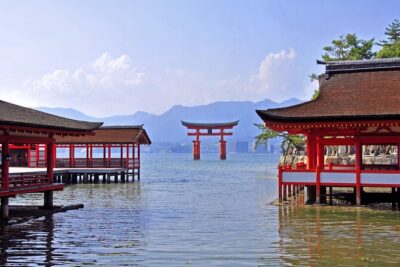
Hiroshima & Miyajima 1 Day Bus Tour with Bullet Train Tickets
Read our review →
Hiroshima and Miyajima Day Trip by Bullet Train
Read our review →
Amanohashidate & Ine Funaya Sightseeing Full Day Trip from Kyoto
Read our review →
Osaka Private Day Trip – Enjoy Your First-Time Visit to Osaka!
Read our review →
Himeji Castle, Arima Onsen & Mt. Rokko: 1-Day Bus Tour from Osaka
Read our review →
Browse the lists this tour appears in