
Reviewed · OSAKA
Koyasan: A Mysterious Meditation Journey
Koyasan is less a sightseeing stop than a mountain sanctuary. After roughly two hours on the road from Osaka or Kyoto, you pass through the 25-meter Daimon Gate and enter a world of cedar trees, temple roofs, stone markers, and quiet Buddhist ritual. The private vehicle makes this remote-feeling place far easier to reach.
I like the door-to-door transport, especially for families or small groups, and I like the freedom to choose your own mix of temples rather than follow a rushed script. The possible catch is that the driver speaks only basic English, while entrance fees, meals, and specialist guiding cost extra.
In This Review
- Key points to know before booking
- Why Koyasan feels different from ordinary temple sightseeing
- The two-hour ride from Osaka or Kyoto
- Passing through the 25-meter Daimon Gate
- Kongobu-ji and the heart of Shingon Buddhism
- Okuno-in, cedar trees, and Kobo Daishi
- Danjo Garan and the Reihokan Museum
- Meditation, sutra copying, and temple life
- What $539 means for a group of five
- The experience depends on how you plan it
- Who should book this Koyasan day trip?
- Practical details before you reserve
- Should you book Koyasan: A Mysterious Meditation Journey?
- FAQ
- Where does the Koyasan experience depart from?
- How long does the service last?
- How long is the drive to Koyasan?
- What is included in the price?
- Are entrance fees and meals included?
- Is meditation included?
- Does the driver speak English?
- Can I bring a baby or young child?
Key points to know before booking
- Daimon Gate sets the mood: Enter Koyasan through a huge vermilion gate guarded by imposing wooden figures.
- Okuno-in is the atmospheric centerpiece: Walk among old cedars and tombstones toward the mausoleum of Kobo Daishi, also known as Kukai.
- The 10-hour private service is flexible: You can shape the day around Kongobu-ji, Danjo Garan, the Reihokan Museum, and Okuno-in.
- Meditation is optional, not part of the basic price: Monk-led instruction, sutra copying, and temple stays require separate arrangements.
- The $539 group rate favors small parties: Up to five people can share the vehicle, making the cost more reasonable than a solo booking.
- Mia and the driver received strong praise: One highly rated account specifically credits Mia and the driver for being helpful, respectful, and attentive.
Why Koyasan feels different from ordinary temple sightseeing
Koyasan is one of Japan’s major centers of Shingon Buddhism, with more than 1,200 years of religious history. The town sits high in the mountains of Honshu, and the setting changes the mood before you even reach the first temple.
You are not simply moving from one photogenic building to another. The religious life of the area is tied to its forests, burial grounds, ceremonies, meditation practices, and temple lodgings. That gives the day more weight than a standard city excursion.
I would choose this outing if you want a quieter side of Japan and have already seen some of the major urban sights. It suits people who enjoy atmosphere, religious architecture, and unhurried walks. If your ideal day means packed sightseeing with constant commentary, the loose format may feel under-structured.
The private arrangement also matters. Koyasan is not next door to Osaka or Kyoto, and a public transport trip can involve several connections. Here, a driver collects you at your hotel, handles the road, and brings you back in the evening. You get a full day in the mountains without having to solve every transfer yourself.
More trips up to Mount Koya:
- Mt Koya Full Day Tour from Osaka with Licensed Guide and Vehicle
★ 5.0 · 8 reviews - Koyasan Day Trip by Private Car from Osaka
★ 5.0 · 5 reviews - Mount Koya from Osaka: Cultural Small Group Day Tour
★ 5.0 · 3 reviews
The two-hour ride from Osaka or Kyoto
Pickup takes place at your hotel in Osaka or Kyoto in the morning. The drive to Koyasan takes about two hours, and the return trip takes roughly the same amount of time, so transportation uses a meaningful part of the 10-hour service.
That is not a flaw, but you should understand the tradeoff. This is a long day with several hours in the vehicle. The payoff is access to a place that feels far removed from the cities, with a private ride instead of a complicated transport puzzle.
The vehicle is air-conditioned and includes WiFi, charging cables, and a socket for electronic equipment. Fuel, tolls, parking, and private transportation are included. Those details are easy to overlook, but they make a difference on a full-day mountain outing.
The driver provides basic English service. A multilingual translation app is available, and the stated languages are Chinese, English, and Japanese. If you want detailed explanations of Buddhist doctrine, architecture, or ritual, arrange the expert guide option during booking rather than assuming the driver will provide a formal tour.
One practical point is worth taking seriously: book at least 24 hours before departure. A late booking may be canceled. The first baby seat is free if requested in advance, while a second costs 2,000 yen per child.
Passing through the 25-meter Daimon Gate
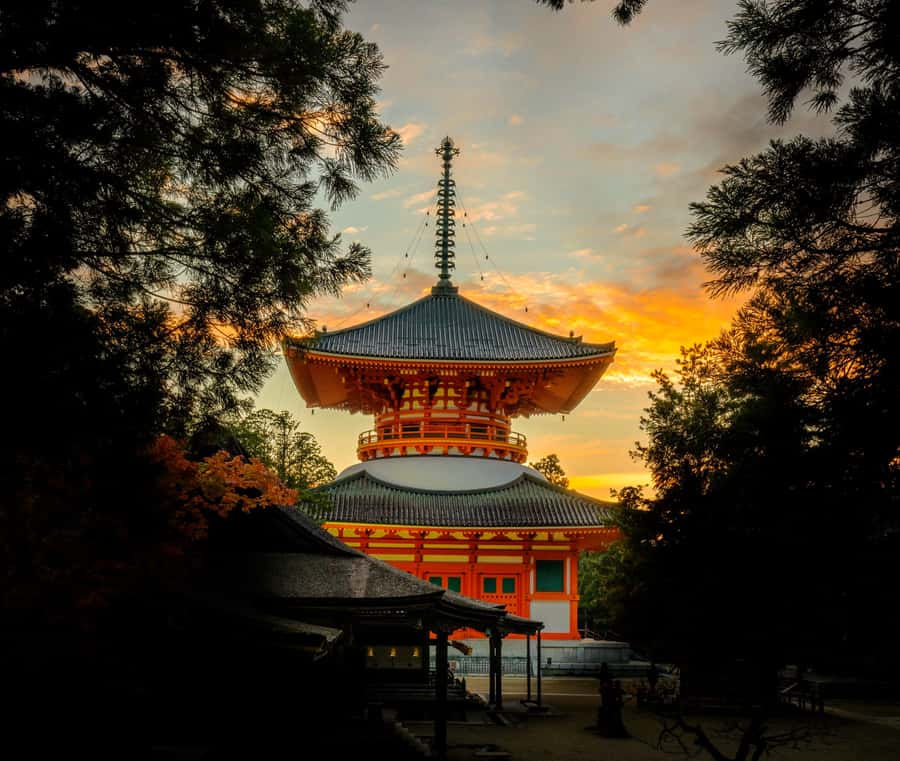
The Daimon Gate is the natural opening scene. Its large vermilion structure rises 25 meters, and wooden guardian figures watch from either side. The effect is strong because the gate does more than mark an entrance. It signals a change from ordinary road travel to a sacred setting.
Take a moment here instead of treating it as a quick photo stop. The scale of the gate helps you understand Koyasan as a planned religious center, not just a collection of small rural temples.
The history of access also adds context. Koyasan was once open only to men, but it now welcomes spiritual visitors of all genders. You can approach the site as a pilgrim, a curious sightseer, or someone looking for a quiet place to reflect. You do not need to belong to the Shingon tradition to appreciate the setting, but respectful behavior matters.
Kongobu-ji and the heart of Shingon Buddhism
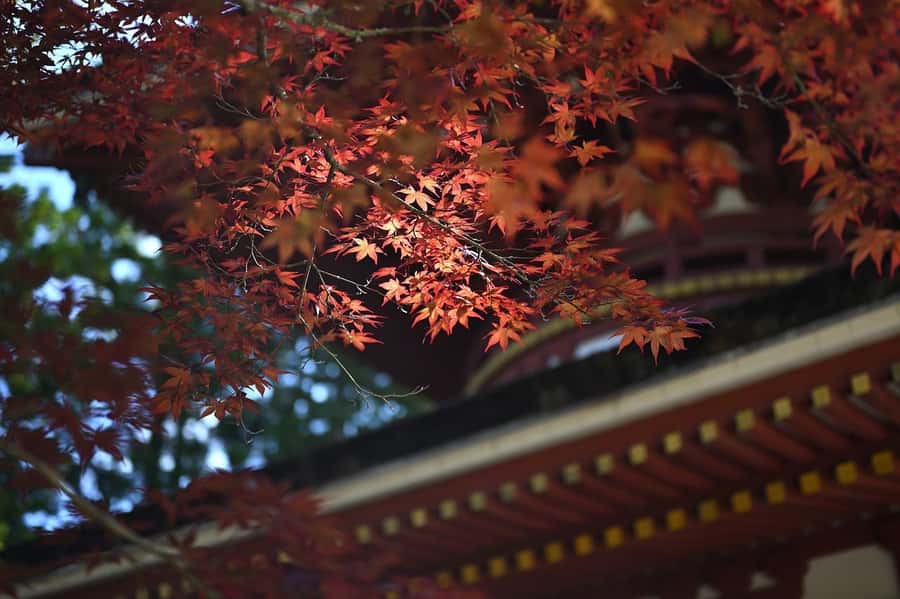
Kongobu-ji is the main temple of the Koyasan Shingon school. It is one of the key stops for understanding how Koyasan functions as a center of Japanese Buddhism.
The visit is especially worthwhile if you want more than forest scenery. Temple buildings, interiors, and religious spaces give the day a cultural focus, while the surrounding quiet keeps the visit from feeling like a museum-only outing.
Entrance fees are not included, so budget separately for this and the other paid sights. The experience gives you flexibility, but it also means you and your driver need to decide how much time to give each place. If you want to study every room and exhibit, you may not fit every suggested stop into one day.
The best approach is to pick your priorities before departure. Kongobu-ji and Okuno-in are the strongest choices for a first visit. Add Danjo Garan if you want another major sacred complex, and choose the Reihokan Museum if Buddhist art and objects interest you.
A completely different way to spend a day in Osaka:
- Osaka Go Karting Tour with Funny Costume
★ 5.0 · 2,658 reviews - Osaka Castle: Museum and Tower Entry Ticket
★ 4.5 · 2,380 reviews - Osaka: Shinsekai Food Tour with 13-15 Dishes at 5 Eateries
★ 4.8 · 2,204 reviews - Osaka Food Tour: 13 Dishes at 5 Local Eateries
★ 5.0 · 2,149 reviews
Okuno-in, cedar trees, and Kobo Daishi
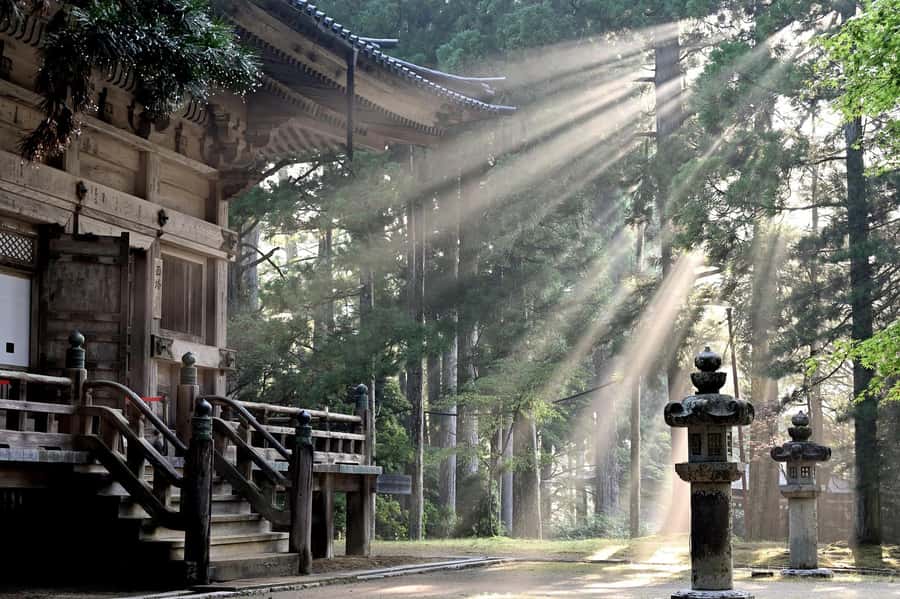
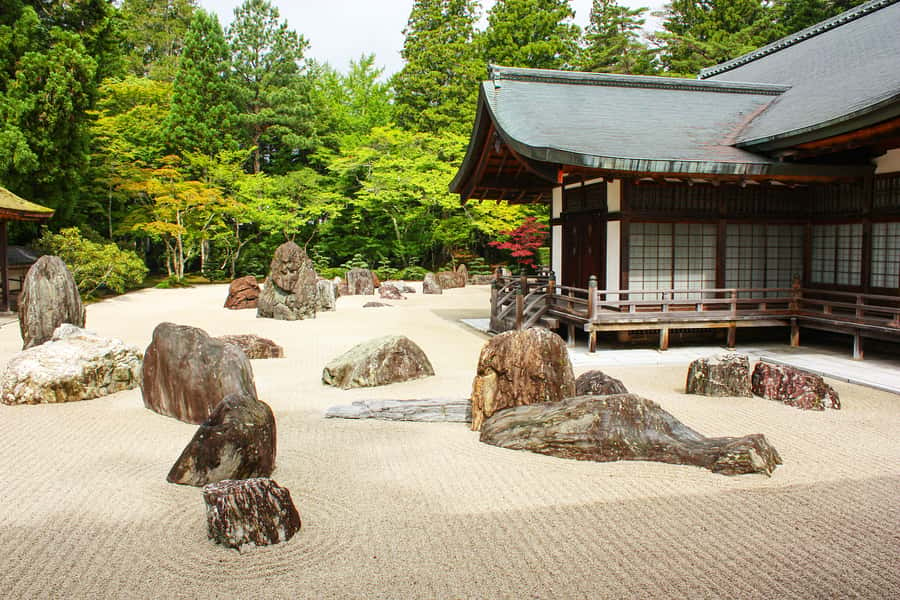
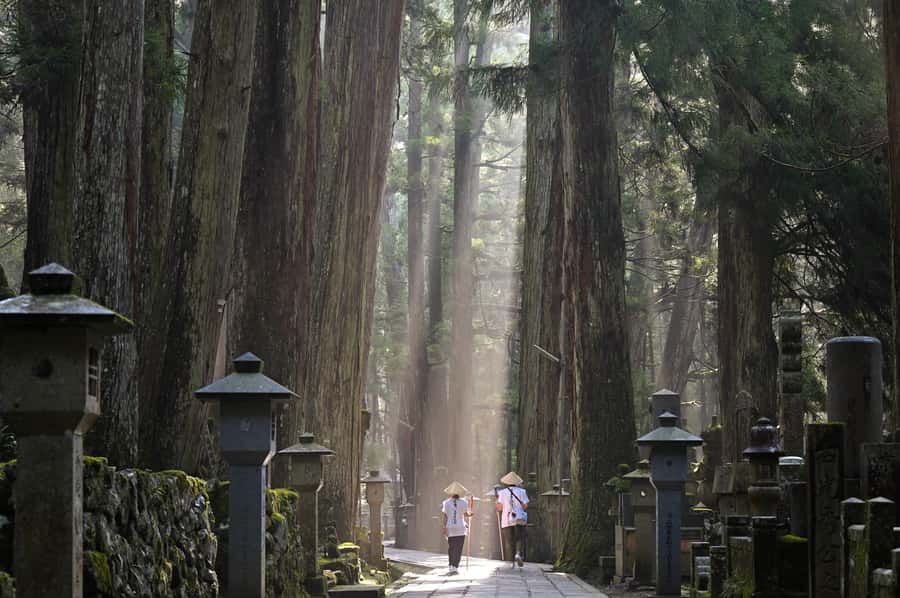
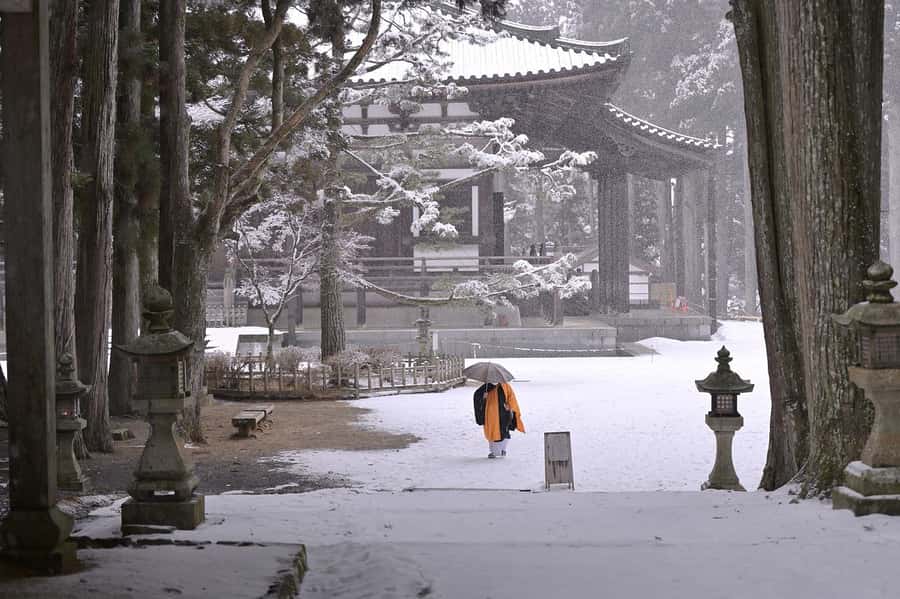
Okuno-in is often the most memorable part of the day. This sacred area is associated with Kobo Daishi, the founder of the Koyasan tradition, also known as Kukai. The route passes countless tombstones and memorials connected with nobles, public figures, and samurai.
The setting is the point. Tall cedar trees create a solemn corridor, and the stone markers give the walk a strong sense of time. You may find the atmosphere more moving than any single building because the path links nature, memory, and ongoing religious practice.
This is also where comfortable shoes matter. The information provided does not specify the exact walking distance or surface conditions, so plan for time on foot rather than a quick roadside visit. Keep valuables with you, and do not leave personal belongings unattended in the vehicle or at stops.
Seasonal details add interest. In summer, fireflies may appear at night, and flying squirrels are also noted in connection with the area. Those are possibilities rather than guaranteed sightings, and a standard day trip returning in the evening is not designed around wildlife watching. Still, they show how much more there is to Koyasan than architecture alone.
Danjo Garan and the Reihokan Museum
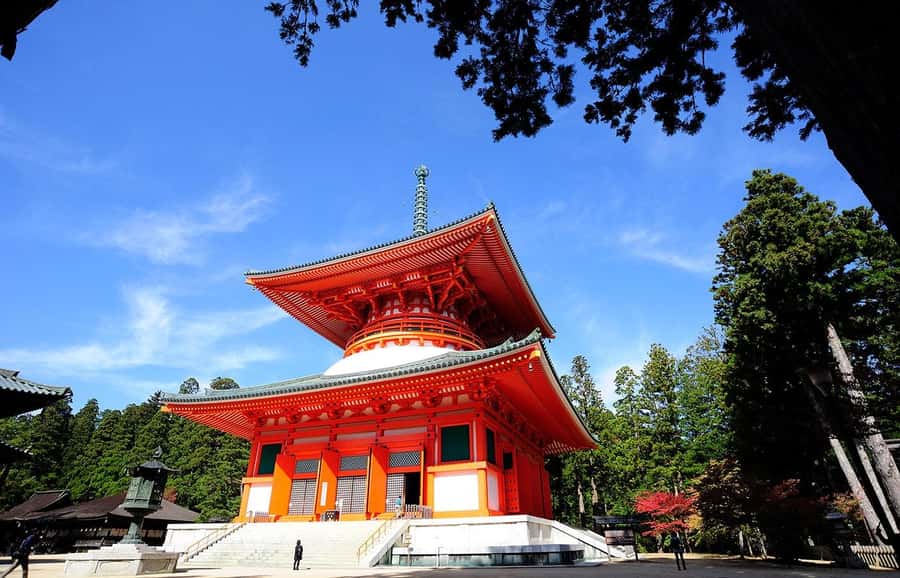
Danjo Garan Sacred Temple offers another view of Koyasan’s religious character. It gives you a chance to spend time in a major sacred compound rather than placing all your attention on Okuno-in.
The Reihokan Museum is a useful counterpoint. Temples show you living religious spaces, while a museum can help place objects, artwork, and traditions in a more organized setting. I would choose it if you want background and visual detail, especially after seeing the temples themselves.
You will need to manage your time. The basic plan allows 10 hours including transport, and the drive from Osaka or Kyoto takes about two hours each way. Since the schedule is flexible, you can linger at one location, but doing so may mean skipping another.
That freedom is one of the better parts of the service. You are not forced to spend a fixed number of minutes at every stop. The downside is that you need to communicate clearly with the driver, particularly if you want a certain temple, museum, meal, or walking route.
Meditation, sutra copying, and temple life
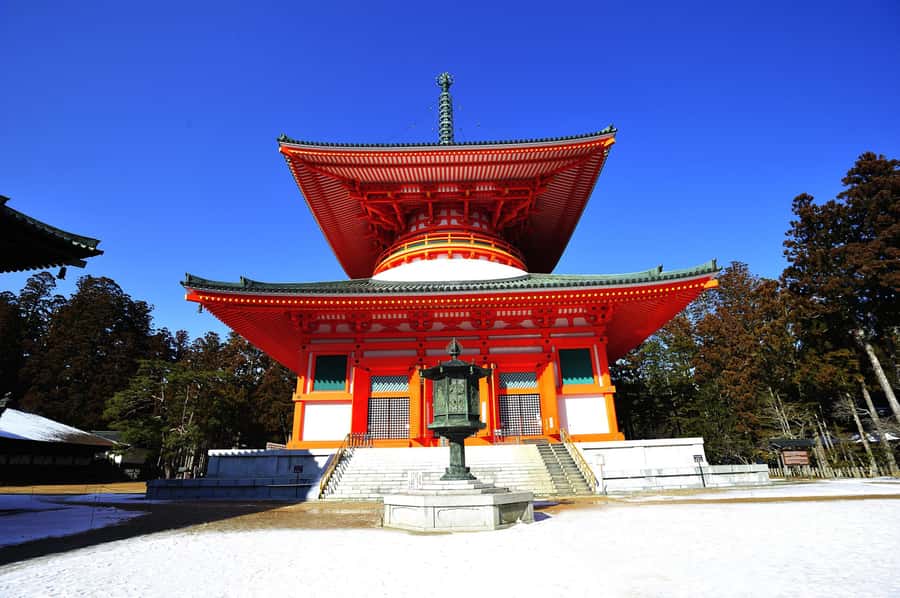
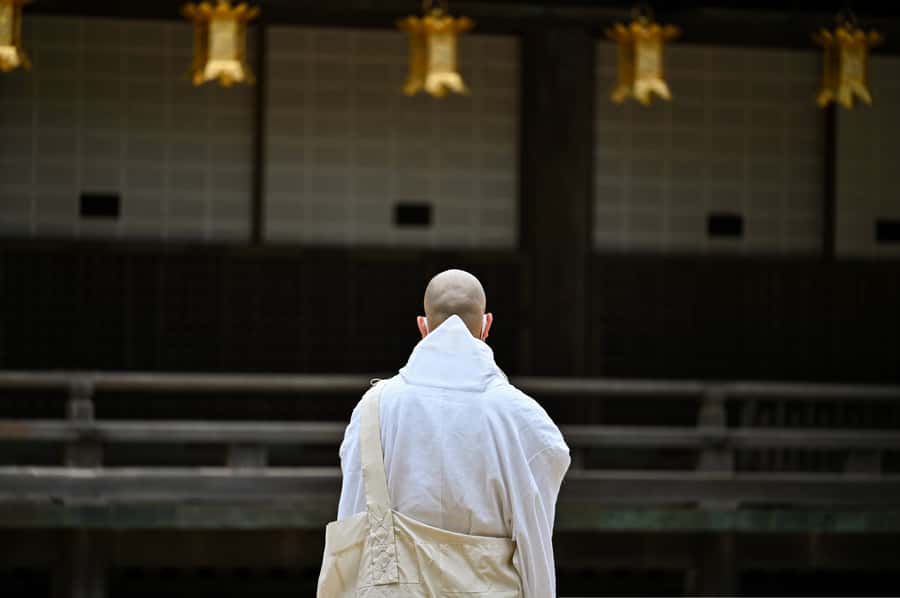
Koyasan offers more than sightseeing. Depending on what you arrange, you may be able to try meditation, copy Buddhist sutras, join a private monk-led tour, or stay in a temple for a longer period of meditation.
These are optional additions, not included features of the $539 base rate. Ask for exact pricing, timing, and availability before you travel. The basic service gives you private transportation and a flexible visit, but it does not cover entrance fees, food, beverages, or specialist religious activities.
The meditation option could change the character of the day. A short guided practice gives you a direct connection to Koyasan’s religious life, while a temple stay requires a larger commitment than a sightseeing stop. If you mainly want photographs and major buildings, you may prefer the standard day trip. If you want to understand how the site is used today, ask about the monk-led option.
I would also keep expectations realistic. The driver is there primarily for transport and service, not as a Buddhist teacher. For detailed interpretation, purchase the expert guide service and state your preferred language at booking.
What $539 means for a group of five
The listed price is $539 per group of up to five people. That works out to about $108 per person for a full private vehicle if you fill all five places, before entrance fees, meals, and optional services.
For a solo visitor, the value is harder to justify. For two people, it is still a significant spend, but you are paying for privacy, hotel pickup, a dedicated vehicle, and a full day without arranging the long journey yourself. For a family or group of friends, the price becomes more practical.
The included services cover many of the annoying extras: fuel, tolls, parking, WiFi, charging equipment, translation support, and hotel drop-off. You also avoid paying for a separate taxi between each Koyasan stop.
The service lasts 10 hours, with extensions available for 5,000 yen per hour for six- or nine-seat vehicles. After 9 p.m., night service costs 2,000 yen per hour. Since the normal plan returns around evening, most visitors should not need either charge, but keep the time limit in mind if you add a long meal or extra activity.
The experience depends on how you plan it
This is a flexible private outing, not a tightly scripted guided tour. That is good news if you know what you want, and less helpful if you expect someone to lead every step.
Before departure, decide which of these matters most:
- Kongobu-ji for the main Shingon temple
- Okuno-in for the forest cemetery and Kobo Daishi connection
- Danjo Garan for another major sacred area
- Reihokan Museum for Buddhist art and objects
- Meditation, sutra copying, or a monk-led visit
- A slower day with fewer stops
Tell the provider about other places you would like to explore after booking. That makes the flexible format work better and reduces the chance of spending too much time in the vehicle or trying to force every attraction into one afternoon.
The strongest praise for this outing centers on convenience, a comfortable vehicle, and attentive service. Mia and the driver were specifically described as respectful of preferences and responsive to needs. Another high rating highlighted the ease of getting to and from Koyasan, along with the temples and mountain views.
There is also a low rating with little detail beyond a reference to prior correspondence. I cannot draw a clear lesson from that alone, but it is a reminder to confirm arrangements in writing, especially if you need a special language guide, meditation session, child seat, or extra stop.
Who should book this Koyasan day trip?
I would recommend it most strongly to:
- Small groups who want a private vehicle
- Families who value hotel pickup and flexible pacing
- First-time visitors who find public transport to Koyasan daunting
- People interested in Buddhist temples, memorial sites, and quiet walks
- Visitors who want the option of adding meditation or a monk-led activity
You may want another arrangement if you prefer a fixed group tour with a full-time expert guide included. You should also think twice if you dislike long road journeys or want to spend several days experiencing temple life rather than seeing Koyasan in one day.
The mountain setting and Okuno-in are the main reasons to go. The private transport is the main reason to choose this particular format.
Practical details before you reserve
The tour includes hotel pickup and drop-off from Osaka or Kyoto, air-conditioned private transportation, WiFi, charging facilities, fuel, tolls, parking, and a translation app. It does not include entrance fees, food, drinks, or optional meditation and guiding services.
Full refunds are available when you cancel at least 24 hours in advance. Personal lateness, failure to attend, or cancellation caused by personal problems does not qualify for a refund.
The first baby seat is free when requested before departure. A second seat costs 2,000 yen per child. Keep your valuables with you, follow Japanese laws and local rules, and confirm any special needs before the day begins.
Should you book Koyasan: A Mysterious Meditation Journey?
Book it if you want an easy, private way to reach one of Japan’s most unusual Buddhist centers from Osaka or Kyoto. The combination of hotel pickup, a comfortable vehicle, and control over your schedule is valuable, especially when shared among four or five people.
The best plan is to make Okuno-in and Kongobu-ji your anchors, then add Danjo Garan or the Reihokan Museum according to your interests. Pay extra only if a monk-led tour or meditation practice is central to your visit.
Skip it if you need a fully guided cultural tour at the base price, or if the $539 group charge feels too high for your party size. For the right group, though, this offers a calm and practical route to Koyasan, with enough freedom to let the mountain setting do much of the talking.
FAQ
Where does the Koyasan experience depart from?
The driver provides hotel pickup from Osaka or Kyoto in the morning and returns you to your hotel around evening.
How long does the service last?
The standard service lasts 10 hours in total. Additional time costs 5,000 yen per hour for six- or nine-seat vehicles.
How long is the drive to Koyasan?
The drive from Osaka or Kyoto takes about two hours. The return journey also takes roughly two hours.
What is included in the price?
The price includes an air-conditioned vehicle, private transportation, WiFi, charging equipment, fuel, tolls, parking, a multilingual translation app, hotel pickup and drop-off, and 10 hours of service.
Are entrance fees and meals included?
No. Entrance fees, food, and beverages are not included.
Is meditation included?
Meditation is an optional activity. Monk-led tours, sutra copying, meditation training, and temple stays require separate arrangements and may involve additional charges.
Does the driver speak English?
The driver speaks basic English for service. An electronic translation app is available, and an expert guide can be purchased if you want more detailed interpretation.
Can I bring a baby or young child?
The first baby seat is free if requested before departure. A second baby seat costs 2,000 yen per child, and you need to request it before departure.
Just added around Osaka
- Nara Day Trip from Osaka with a Licensed Guide★ 5.0 · 3 reviews
- Osaka Early Morning Osaka Castle Tour Avoid Crowds★ 5.0 · 3 reviews
- Guided Tour of Some Attractions in Osaka by Private Car★ 5.0 · 3 reviews
- Private Transfer Between Kyoto and Kansai Airport KIX★ 5.0 · 3 reviews
- Shared Arrival Transfer: Osaka Itami Airport to Osaka City★ 5.0 · 3 reviews
- Osaka: Sushi Making Class and Dotonbori Food Tour★ 4.7 · 3 reviews
- Osaka Night Photography Workshop★ 5.0 · 3 reviews
- Kyoto Full day Tour Kinkakuji, Kiyomizu-dera and Fushimi Inari★ 4.5 · 3 reviews