
Reviewed · OSAKA BAR HOPPING & NIGHTLIFE
Deep Osaka Night Life, Eat & Drink!
Osaka’s best nighttime food experience may be found away from the famous restaurant districts. This small-group crawl takes you through Tenjinbashi, including narrow side streets where a local guide can lead you from takoyaki to sushi, wagyu barbecue, and ramen in one lively evening. I like the four-stop progression and the fact that food and drinks are included. I also like the tiny group size, capped at six, which makes a big difference in small Japanese eateries.
The main thing to consider is the pace. You will eat at four places in about three hours, with roughly one drink and one or two dishes at most stops. That is an efficient taste of Osaka, but it is not a slow, sit-down dinner, and a very full appetite is helpful.
In This Review
- Key points to know before booking
- Why Tenjinbashi makes a good food route
- 6 p.m. start, small group, and practical rhythm
- First stop: Osaka-style takoyaki
- Second stop: sushi at the counter with sake
- Third stop: wagyu barbecue and local beer
- Final stop: chewy Japanese ramen
- What the guides add to the meal
- Is $97.55 a fair price?
- Who will enjoy this Osaka night crawl?
- Should you book it?
- FAQ
- Where does the Osaka food tour begin?
- What time does the experience start?
- How long does the tour last?
- Where does the tour end?
- How many people can join the group?
- Are food and drinks included?
- Can I cancel for a full refund?
Key points to know before booking
- Four different food stops: Expect takoyaki, sushi, wagyu barbecue, and ramen rather than one long meal.
- Tenjinbashi after dark: The route uses Osaka’s famous long shopping street and its less obvious side lanes.
- Small group of up to six: The size suits counter seating and compact neighborhood restaurants.
- Food and drinks included: The price covers the planned dishes and drinks, with the first and final stops handled a little differently.
- Local guides such as Kenji and Mari: Guides bring local food knowledge and can help in places where English may be limited.
- A 6 p.m. start: The three-hour evening schedule leaves the rest of the night open for more Osaka exploring.
Why Tenjinbashi makes a good food route
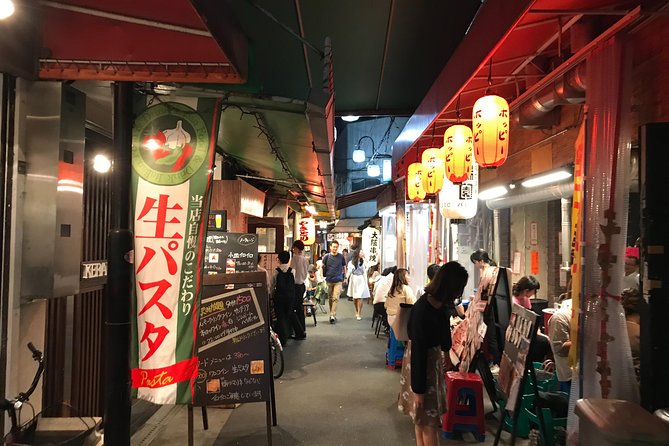
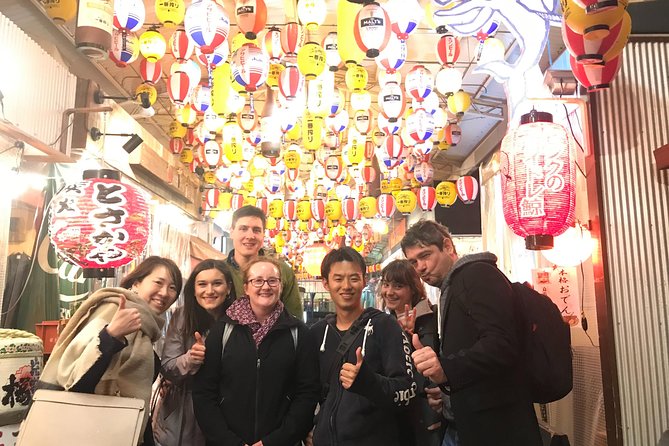
Tenjinbashi is known as Japan’s longest shopping street, but its night personality changes once you leave the main path. The smaller lanes are where this tour earns its keep. You are not simply being taken to a row of polished restaurants with menus designed for international diners. Instead, the route focuses on compact neighborhood spots and Osaka’s everyday B-class food, a term often used for inexpensive, hearty, highly satisfying dishes.
That matters because Osaka food culture is less about ceremony and more about flavor, fun, and eating well without spending a fortune. The local saying about eating until you drop is playful, but it captures the spirit of this evening. You are expected to sample several specialties, move on, and keep the night going.
I especially like the route’s range. Takoyaki gives you Osaka’s most famous snack, sushi adds a cooler and more delicate course, wagyu brings smoky richness, and ramen finishes with a hot bowl of noodles. You get a broad introduction instead of four versions of the same meal.
The setting also gives your guide room to explain how locals use the area. Some places can be difficult to enter if you do not read Japanese or know the local customs. With a guide handling the route, you can focus on ordering, eating, and noticing the neighborhood around you.
More bar hopping and izakaya nights:
- Osaka: Dotonbori District River Cruise with Drink Discount
★ 4.2 · 876 reviews - Osaka: Namba Pub Bar Crawl with a Local Guide
★ 4.9 · 424 reviews - Osaka: Izakaya Bars Guided Walking Tour
★ 4.9 · 385 reviews
6 p.m. start, small group, and practical rhythm
The meeting point is at 6-chōme-7-16 Tenjinbashi in Osaka’s Kita Ward, near public transportation. The activity begins at 6 p.m. and returns to the same meeting point after about three hours. You receive a mobile ticket, and confirmation is provided when you book.
The maximum group size is six. That is one of the most useful details here, not just a marketing point. Small restaurants often have tight seating, especially at a sushi counter or a local barbecue place. A group of six can fit into the evening without the awkward logistics that come with a large organized outing.
The evening is designed as a food hop rather than a single formal meal. At most stops, you receive one drink and one or two food items before moving on. The first and fourth stops follow a slightly different food and drink arrangement, but the important point is that the planned food and drinks are included.
You should arrive ready to eat, but not stuffed. Four stops can sound modest on paper, yet takoyaki, sushi, beef, and ramen add up quickly. If you eat an early dinner, keep it light. This tour works best as your main evening meal.
First stop: Osaka-style takoyaki
The tour begins with takoyaki, the classic Osaka snack made with octopus inside soft batter. It is a sensible opening course because it gives you an immediate taste of the city’s favorite street-food tradition without demanding a long meal.
Takoyaki is often served hot, so take your first bite with care. The appeal is the contrast between the tender center and the browned outside, usually paired with savory toppings. The tour description identifies it as an appetizer, which means you are not expected to linger here for a full plate of food.
This stop sets the tone for the rest of the evening. You are trying a local staple in the place where it belongs, then moving onward before you become too full. If you have already eaten takoyaki elsewhere in Japan, the guide can still give the dish context and show you how it fits into Osaka’s casual food culture.
Second stop: sushi at the counter with sake
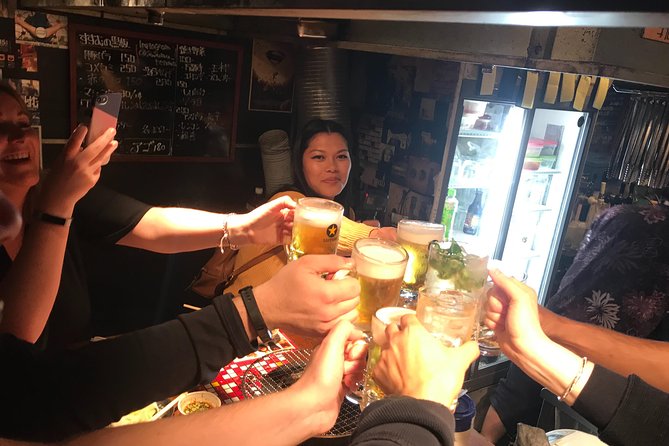
Next comes fresh sushi at a sushi bar counter, paired with sake. This is a change of texture and mood from takoyaki. The first stop is warm, casual street food. The sushi stop offers a more focused look at one of Japan’s best-known culinary traditions.
Counter seating is particularly useful for a small group. You are close to the preparation area, and your guide can help explain what is being served. The supplied information does not specify the exact fish or number of pieces, so do not book this expecting a fixed premium sushi menu. Think of it as a carefully chosen tasting within a multi-stop evening.
The included sake also helps you sample the meal in a local style. If you do not drink alcohol, you should confirm drink alternatives before booking, since the experience specifically describes sake and included drinks but does not state what substitutes are available.
This is one of the places where a Japanese-speaking guide can make the night easier. Ordering at small local restaurants can be less straightforward than ordering from a large English-language menu. Kenji is associated with this experience, and Mari has also led the evening. Both are described through the experience as food-loving local guides who add cultural explanation instead of simply pointing out dishes.
A completely different way to spend a day in Osaka:
- Osaka Go Karting Tour with Funny Costume
★ 5.0 · 2,658 reviews - Osaka Castle: Museum and Tower Entry Ticket
★ 4.5 · 2,380 reviews - Osaka: Shinsekai Food Tour with 13-15 Dishes at 5 Eateries
★ 4.8 · 2,204 reviews - Osaka Food Tour: 13 Dishes at 5 Local Eateries
★ 5.0 · 2,149 reviews
Third stop: wagyu barbecue and local beer
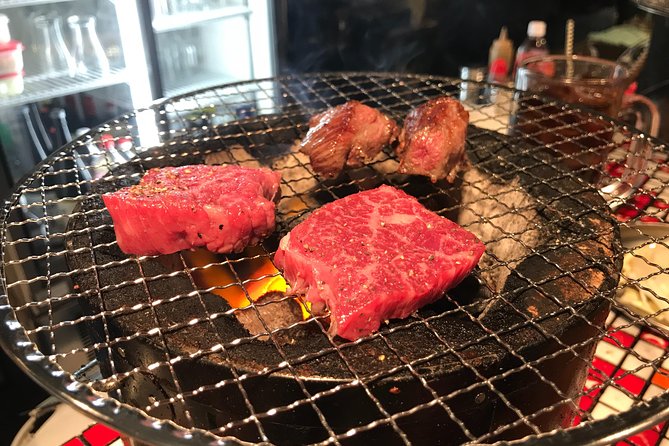
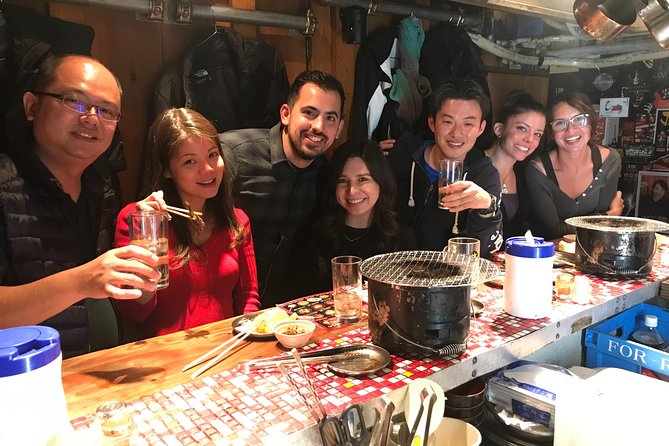
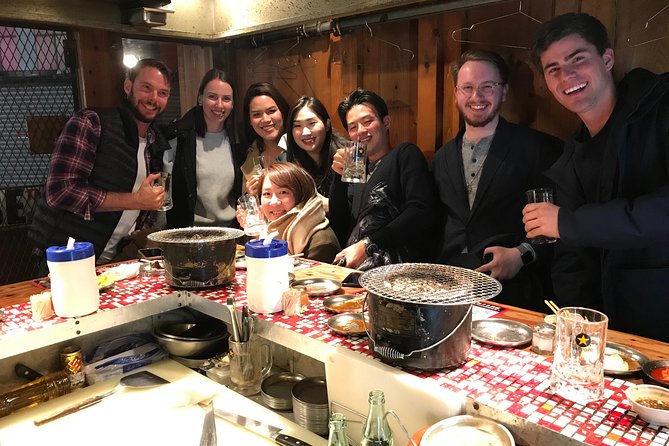
The third stop changes the meal again, this time to a barbecue restaurant serving juicy wagyu with local beer. The description presents this as a favorite with people who enjoy meat, and it is likely to be the most filling stop before the final bowl of noodles.
Wagyu is not just a luxury word here. Its appeal comes from the texture and fat, especially when cooked at the table or in a barbecue setting. The exact cut and portion are not specified, so you should treat this as a tasting rather than a full steak dinner. That is also part of the tour’s value: you get to sample a premium Japanese ingredient without building the entire evening around one expensive restaurant.
The local beer pairing keeps the stop casual. You are not being asked to treat the meal as a formal tasting. Instead, you are moving through Osaka’s eat and drink culture, where a small dish and a drink can be enough reason to stop somewhere.
If you do not eat beef, this stop deserves special attention before booking. The information provided does not list vegetarian, vegan, halal, or other dietary alternatives. Most participants can take part, but special food needs are not addressed.
Final stop: chewy Japanese ramen
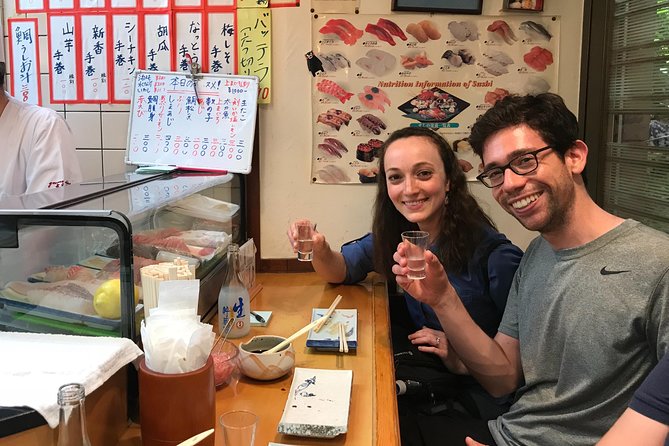
Ramen closes the route, which makes sense from both a culinary and practical point of view. After several smaller tastes, a bowl of noodles gives the evening a warm, substantial finish.
The description calls attention to chewy Japanese noodles and suggests that the ramen may be unlike what you have eaten before. That is useful advice. Ramen is not one single dish, and local shops can differ in broth, toppings, noodle texture, and serving style. The exact bowl is not specified, so expect the guide to choose the stop rather than selecting from a detailed menu in advance.
The final course is also why pacing matters. You may feel pleasantly full by this point, especially after the sushi and wagyu. The tour’s structure lets you taste a little at every stop instead of ordering a large portion each time, but this is still a serious amount of food for three hours.
After ramen, the activity ends back at the original meeting point. You are not left in an unfamiliar part of Osaka at the end of the night, which makes the fixed return point useful when planning your evening.
What the guides add to the meal
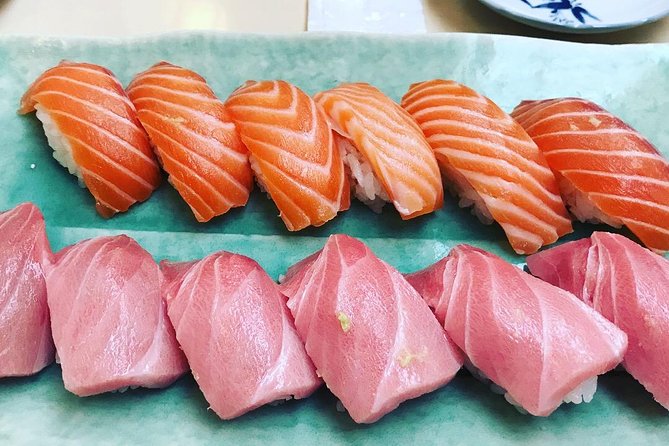
Food is the reason to book, but the guide is what turns this from a restaurant list into a neighborhood experience. Kenji has led this route and is also associated with other Japan food walks. Mari has guided the nightlife evening as well. Your exact guide may vary, but the focus is consistent: local food, small restaurants, and help navigating places where English may be limited.
A particularly strong feature is the ability to adjust the conversation and emphasis to the group. The experience is described as combining food with local culture, and the guide may tailor explanations to your interests. You might spend more time discussing ingredients, Japanese dining habits, the neighborhood, or the practical way to order in a small restaurant.
Do not expect a formal lecture. The strength of this format is its informality. You are walking between stops, eating a few bites, having a drink, and learning as the evening moves along. That suits people who prefer conversation and discovery over a rigid script.
The guide also helps with confidence. Entering an unfamiliar counter restaurant can feel awkward when you cannot read the menu or are unsure how the ordering works. A small group and a local escort reduce that friction, letting you try places you might otherwise skip.
Is $97.55 a fair price?
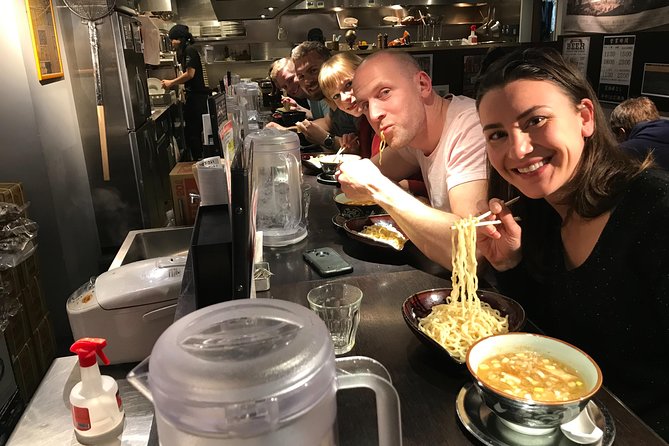
At $97.55 per person, this is not the cheapest way to eat in Osaka. You could buy takoyaki, ramen, and other casual dishes on your own for less. The price needs to be judged against what is included and what you would have to arrange yourself.
You are paying for four food stops, included drinks, a local guide, route planning, translation help where needed, and a tightly organized three-hour evening. The wagyu and sake are especially important when considering value. Ordering comparable items independently, while also finding four suitable places and fitting them into one route, would take more effort.
The small group improves the calculation. A large food tour can feel like a procession, but six people or fewer allows access to small venues and makes conversation with the guide easier. If you care most about the lowest possible food cost, book a self-guided evening. If you want a planned introduction to Osaka’s local dining habits, the price is easier to justify.
Because food and drinks are included, you also avoid the uncertainty of a tour where the advertised price covers only guiding. The provided details do not mention extra charges for the listed stops. You should still budget for anything outside the included plan, such as additional orders, but the core tasting is covered.
Who will enjoy this Osaka night crawl?
I would recommend this experience to first-time Osaka visitors who want a quick introduction to local food without spending hours researching restaurants. It also suits returning visitors who have already seen major sights and want a more neighborhood-focused evening.
It is a strong fit for people who enjoy variety. In three hours, you move from snack food to sushi, beef, and noodles, with drinks along the way. The route should also appeal to anyone who feels uneasy ordering in small Japanese restaurants, since the guide can make the process more manageable.
The tour is less suitable if you want a long, relaxed dinner at one restaurant. It may also disappoint you if you prefer to choose every dish yourself or need guaranteed dietary substitutions. The supplied information says most people can participate, but it does not provide detailed accessibility or allergy guidance, so ask before booking if those issues affect your meal.
The average booking lead time is 18 days. That suggests planning ahead is sensible, especially if you have only a few nights in Osaka and want a particular date. Free cancellation is available up to 24 hours before the 6 p.m. start time. Cancellations or changes made inside that window are not accepted for a refund.
Should you book it?
Book this tour if you want four distinctly different Osaka foods, a very small group, and a local guide to lead you through Tenjinbashi’s less obvious nighttime streets. The included takoyaki, sushi, sake, wagyu, beer, and ramen make the $97.55 price reasonable for a guided tasting evening, particularly if you value convenience and cultural explanation.
Skip it if your priority is eating as cheaply as possible, sitting down for one unhurried meal, or following a strict vegetarian, vegan, halal, or allergy-sensitive diet without first confirming arrangements. For everyone else, this is a practical way to get oriented to Osaka’s food culture quickly, with enough local character to make the night feel like more than a standard restaurant crawl.
FAQ
Where does the Osaka food tour begin?
The tour begins at 6-chōme-7-16 Tenjinbashi, Kita Ward, Osaka, 530-0041, Japan.
What time does the experience start?
The experience starts at 6:00 p.m.
How long does the tour last?
The activity lasts approximately three hours.
Where does the tour end?
The tour ends back at the original meeting point.
How many people can join the group?
The group has a maximum of six participants.
Are food and drinks included?
Yes. All planned food and drinks are included. The tour generally provides one drink and one or two food items at each stop, with the first and fourth stops handled differently.
Can I cancel for a full refund?
Yes. You can cancel at least 24 hours before the experience start time for a full refund. Cancellations or changes made less than 24 hours before the start time are not accepted for a refund.
Just added around Osaka
- Nara Day Trip from Osaka with a Licensed Guide★ 5.0 · 3 reviews
- Osaka Early Morning Osaka Castle Tour Avoid Crowds★ 5.0 · 3 reviews
- Guided Tour of Some Attractions in Osaka by Private Car★ 5.0 · 3 reviews
- Private Transfer Between Kyoto and Kansai Airport KIX★ 5.0 · 3 reviews
- Shared Arrival Transfer: Osaka Itami Airport to Osaka City★ 5.0 · 3 reviews
- Osaka: Sushi Making Class and Dotonbori Food Tour★ 4.7 · 3 reviews
- Osaka Night Photography Workshop★ 5.0 · 3 reviews
- Kyoto Full day Tour Kinkakuji, Kiyomizu-dera and Fushimi Inari★ 4.5 · 3 reviews
Osaka Bar Hopping & Nightlife, compared.

Dotonbori District River Cruise with Drink Discount
Read our review →
Meet Osaka local Friend & Fun Chat All We Can Drink Party Ticket
Read our review →
2-Hour Nightlife District Walking & Local Food Culture
Read our review →
Osaka Local Bar Crawl in Dotombori & Uranamba Area
Read our review →Browse the lists this tour appears in