
Reviewed · AMANOHASHIDATE & INE BAY TRIPS
Amanohashidate Ine Funaya Miyama Village No Sato Tour from Osaka
Ine’s wooden boathouses and Miyama’s thatched homes give this day trip its real character. I like that you get two very different rural Japan settings in one outing, plus Amanohashidate, the famous 3.6-kilometer sandbar lined with more than 8,000 pine trees. I also like the easy pace between stops, since the long coach rides give you time to rest.
The trade-off is time. Four stops spread across a roughly 9 to 10-hour day leave you about 40 minutes in Ine, 90 minutes at Amanohashidate, 30 minutes at Chionji Temple, and 40 minutes in Miyama. Traffic can also affect the order and length of visits, so this is a highlights tour, not a slow rural stay.
In This Review
- Key points to know before booking
- Why this northern Kyoto day trip works
- Ine Funaya and the quiet fishing coast
- Amanohashidate and the Bridge in Heaven
- Chionji Temple and a short prayer for wisdom
- Miyama Kayabuki no Sato and thatched-roof Japan
- The coach ride, group size, and timing
- Who will get the most from this tour
- Practical advice for making the day easier
- Should you book this Osaka day trip?
- FAQ
- How long does the Amanohashidate, Ine Funaya, and Miyama tour last?
- What time does the tour start?
- Where is the meeting point in Osaka?
- Where does the tour end?
- How much does the tour cost?
- Which places are included?
- Is admission included at the stops?
- Is lunch included?
- What languages does the guide support?
- What happens if the weather is poor?
Key points to know before booking
- Ine Funaya is the most distinctive stop: See wooden boathouses built directly along the water in a quiet fishing village.
- Amanohashidate gives you Japan’s classic scenic view: Walk near the sandbar and try the traditional upside-down viewing pose.
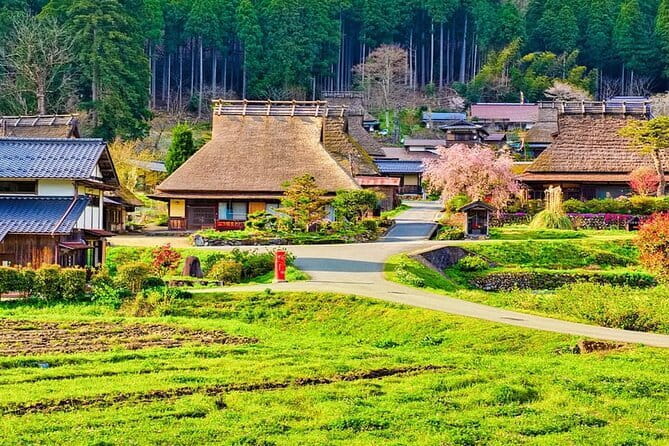
- Miyama offers rural Japan at its most photogenic: About 50 preserved thatched-roof homes form a compact village setting.
- The day is long but simple: Meet at 7:20 a.m. in Osaka and finish around Shinsaibashi or Dotonbori.
- The price is strong for a shared day trip: At $89.99 per person, transport and a multilingual guide are included.
- Expect a large group: The coach can hold up to 46 people, so punctuality matters at every stop.
Why this northern Kyoto day trip works
Osaka makes a convenient base, but some of Japan’s most memorable countryside scenes lie well beyond the city. This tour connects three places that are difficult to combine by public transport in one day: Ine on the Sea of Japan coast, Amanohashidate in northern Kyoto Prefecture, and Miyama’s mountain village.
I like the way the day moves between water, temple grounds, and farm country. Ine gives you a working coastal setting, Amanohashidate supplies the grand view, and Miyama shows traditional homes in a rural community. The contrast keeps the day from feeling like a series of similar photo stops.
At $89.99, the tour is priced as a practical transport solution. You are paying for a full day away from Osaka, a shared coach, and a guide who can provide support in Chinese, Japanese, English, or Korean. Personal expenses are not included, so budget separately for lunch and anything you buy along the way.
The main question is not value. It is whether you prefer breadth or extra time. If you want to see several northern Kyoto highlights without arranging multiple train and bus connections, the value is good. If you want to cycle through Ine, walk the full Amanohashidate sandbar, or study every house in Miyama, the schedule will feel tight.
More of Amanohashidate and Ine Bay:
- Osaka Day Tour: Amanohashidate & Ine Bay
★ 5.0 · 280 reviews - Osaka/Kyoto: Amanohashidate & Miyama Tour with Boat & Lunch
★ 4.6 · 207 reviews - Amanohashidate & Ine Funaya Sightseeing Full Day Trip from Kyoto
★ 4.5 · 62 reviews
Ine Funaya and the quiet fishing coast
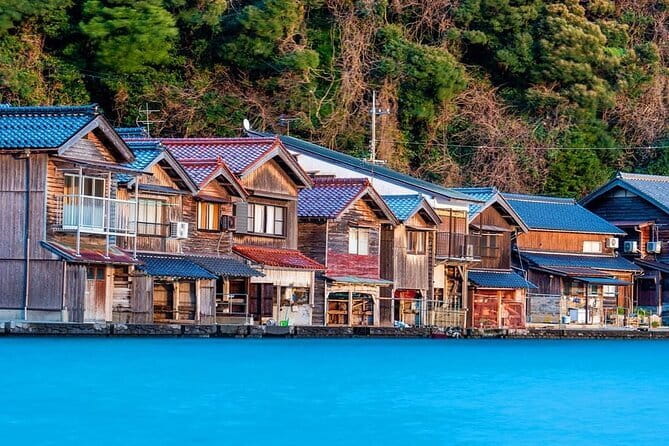
The first main stop is Ine Funaya, often called the Venice of Japan. The comparison is a little grand, but the unusual waterfront design earns the nickname. Traditional wooden boathouses line the edge of Ine Bay, with boat storage on the lower level and living space above or nearby.
You get about 40 minutes here, and admission is free. That is enough for a look at the waterfront, a few photographs, and a short walk along the water’s edge. It is not enough for an extended exploration of the village, so arrive ready to make the most of a compact visit.
Ine feels valuable because it is not simply a staged historic display. The funaya reflect the village’s fishing culture and its close relationship with the bay. The sight is especially different from the temples and city streets most people associate with Kyoto.
Walking is the basic way to see the area. The tour description also mentions cycling along the water, but with only 40 minutes here, you should treat that as a possible option rather than the main plan. Ask your guide what fits the day’s timing before setting off.
The short stop is the clearest weakness at Ine. The village is one of the places you could easily spend much longer, and the schedule gives you only a first look. Still, as part of a four-stop day, it provides a strong opening and one of the most unusual views on the route.
Amanohashidate and the Bridge in Heaven
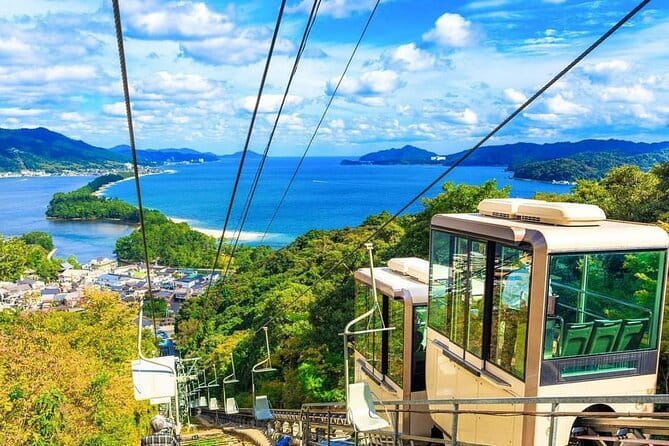
Amanohashidate means Bridge in Heaven. It is a natural sandbar stretching 3.6 kilometers across the bay, covered by more than 8,000 pine trees. The long strip of green against the water is one of Japan’s three most famous scenic views.
You have about 90 minutes for self-guided exploration, the longest sightseeing period of the day. That gives you room to walk a section, enjoy the shoreline, take photographs, and find lunch. It does not give you time to cover the entire sandbar at a leisurely pace.
One of the area’s best-known traditions is viewing Amanohashidate upside down. Bend forward, look between your legs, and the sandbar can appear to rise toward the sky. It is a playful custom, but it also helps you see why the place is called a bridge in heaven.
Fresh local seafood is highlighted as a food option here. Since personal expenses are not included, plan to pay for lunch yourself. The 90-minute stop means you should keep the meal simple enough to leave time for the view.
I like Amanohashidate as the visual center of the tour. Ine is intimate and close to the water, while this stop opens out into a broad natural panorama. The drawback is that the experience depends on how you use your free time. You will need to choose between a longer walk, a relaxed meal, and taking in several viewpoints.
Chionji Temple and a short prayer for wisdom
Chionji Temple sits at the southern end of Amanohashidate. It is connected with Monju Bosatsu, the bodhisattva of wisdom, and is known as a place to pray for academic success and good results in study.
The visit lasts about 30 minutes and admission is free. That is enough to enter the grounds, look around, and offer a prayer without turning the temple into a rushed photo stop.
Chionji adds a cultural pause after the wide coastal view. Its purpose is not only visual. The connection with wisdom and success gives the visit a clear meaning, especially for students or families with school-age children.
You should keep your expectations realistic. This is a brief temple visit, not a full guided study of Buddhist art or architecture. The appeal lies in the atmosphere, the location near Amanohashidate, and the chance to connect the stop with a personal wish for wisdom.
A completely different way to spend a day in Osaka:
- Osaka Go Karting Tour with Funny Costume
★ 5.0 · 2,658 reviews - Osaka Castle: Museum and Tower Entry Ticket
★ 4.5 · 2,380 reviews - Osaka: Shinsekai Food Tour with 13-15 Dishes at 5 Eateries
★ 4.8 · 2,204 reviews - Osaka Food Tour: 13 Dishes at 5 Local Eateries
★ 5.0 · 2,149 reviews
Miyama Kayabuki no Sato and thatched-roof Japan
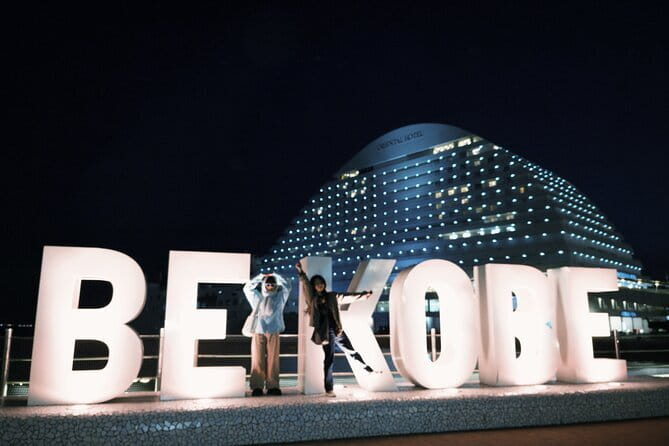
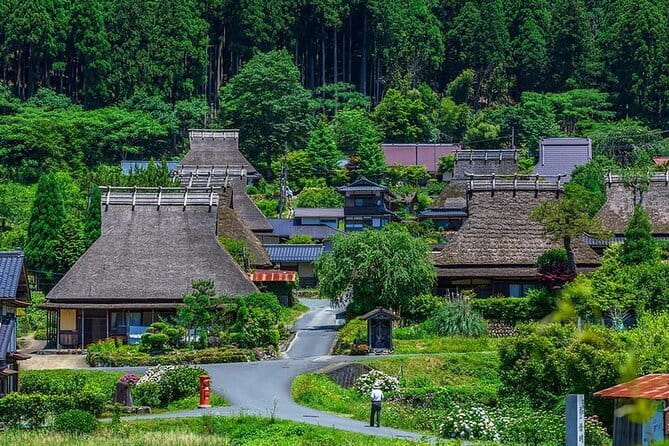
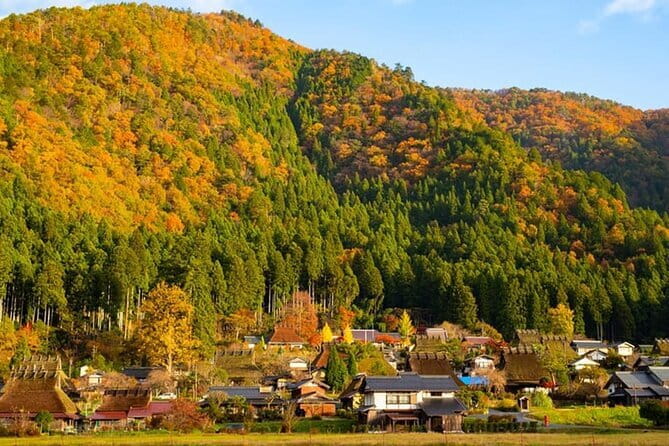
The final destination is Kayabuki no Sato, a village in Miyama known for traditional thatched-roof houses. About 50 preserved homes create a compact picture of rural Japanese architecture, with roofs made from thick layers of timothy grass.
You get around 40 minutes to walk through the village. That is enough to see the main cluster, photograph the roofs, and take in the quiet setting. As with Ine, you are sampling the place rather than spending a full afternoon there.
Miyama is likely to be the other major highlight for many people. The houses look completely different from Ine’s coastal boathouses, yet both places show how Japanese communities adapted their buildings to local work and climate. I like that the tour includes both instead of offering only scenic viewpoints.
The village’s appeal is strongest when you slow down and look at details: the steep roof shapes, the arrangement of homes, and the way the traditional buildings fit the surrounding countryside. With only 40 minutes, you will want to keep your walk focused.
The schedule may leave you wishing for more. One review praised the combination of Ine and Miyama as two of the most beautiful villages on the same day, while also noting that the number of stops limits time at each one. That is a fair description of the tour’s central compromise.
The coach ride, group size, and timing

The day begins at 7:20 a.m. at Nipponbashi Parking, at 1-chōme-3 Nipponbashi in Osaka. The tour ends by dispersing in the Shinsaibashi and Dotonbori areas, which is convenient if you want dinner, shopping, or an evening walk after returning.
The total duration is about 9 to 10 hours, including transport. Because the route reaches northern Kyoto and the Sea of Japan coast, you should expect a substantial amount of time on the road. The coach is the useful part of the package: you can sit between stops rather than manage several connections yourself.
This is a carpooling trip with a maximum of 46 people. That number matters. Large groups make the price accessible, but they also make departure times strict. Do not wander far from the meeting point, and return to the coach promptly at every stop.
Traffic may cause delays, and the operator may change the order of the attractions because of road or weather conditions. The stated policy is that the number of attractions will not be reduced, but the time spent at each place can shift. Do not schedule a fixed evening reservation immediately after the tour.
The guide is included and support is offered in Chinese, Japanese, English, and Korean. Communication quality can vary by guide. One three-star review praised the route and the comfortable coach but found the English difficult to follow, so English-speaking customers should be prepared for some limits in live explanations.
Who will get the most from this tour
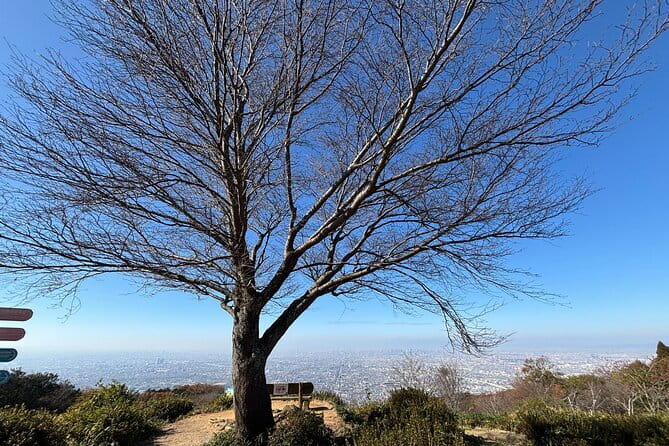
I would choose this trip if you want to see several hard-to-reach places in one day and prefer to leave the driving and route planning to someone else. It suits first-time visitors who want a taste of northern Kyoto beyond the usual city circuit.
It also works well for photographers. Ine’s boathouses, Amanohashidate’s pine trees, and Miyama’s roofs offer very different subjects. The short stops mean you should decide in advance what you most want to photograph.
Families may appreciate the coach and the variety. Chionji’s connection with wisdom gives children a simple cultural theme, while the upside-down Amanohashidate view adds a fun moment. Children aged 0 to 2 can join free if they do not need a separate seat.
You should think twice if you dislike early starts, long coach rides, or fixed group schedules. Seniors aged 70 or older must provide a medical certificate before joining, according to the tour conditions. Most people can participate, but the day still calls for comfort with walking and a full schedule.
Practical advice for making the day easier
Wear shoes suitable for walking. None of the stops requires a full hike, but you will be moving between the coach, waterfront paths, temple grounds, and village lanes.
Bring money for lunch and personal purchases. Amanohashidate is the planned place to find fresh local seafood, but the meal is not part of the tour price.
Keep your phone charged. With short visits at Ine and Miyama, you may want to photograph quickly rather than search for a charging point.
Arrive early at Nipponbashi. The no-late policy is strict, and there is no refund if you miss the departure or fail to return on time at an attraction. In a shared coach, one late arrival can affect the whole group.
The cancellation terms are simple: you can receive a full refund if you cancel at least 24 hours before the start time. Changes or cancellations inside that window are not refunded, and poor-weather cancellations offer a different date or a full refund.
Should you book this Osaka day trip?
Book it if your priority is seeing Ine Funaya, Amanohashidate, and Miyama in one organized day. At $89.99, the coach transport and multilingual guide make it a sensible choice for anyone who values convenience over a slow, independent schedule.
Do not book it expecting deep time at each stop. The 40-minute visits are introductory, Amanohashidate gets the most breathing room, and traffic can change the plan. For many people, that is a good trade: four memorable settings, no complicated route planning, and a chance to see a quieter side of Kyoto Prefecture from Osaka.
FAQ
How long does the Amanohashidate, Ine Funaya, and Miyama tour last?
The tour lasts approximately 9 to 10 hours, including transportation time.
What time does the tour start?
The tour starts at 7:20 a.m.
Where is the meeting point in Osaka?
The meeting point is Nipponbashi Parking, 1-chōme-3 Nipponbashi, Chuo Ward, Osaka, 542-0073, Japan.
Where does the tour end?
The group disperses around the Shinsaibashi and Dotonbori areas in Osaka.
How much does the tour cost?
The listed price is $89.99 per person.
Which places are included?
The route includes Ine Funaya, Amanohashidate, Chionji Temple, and Miyama Kayabuki no Sato.
Is admission included at the stops?
Admission tickets are listed as free for Ine Funaya, Amanohashidate, Chionji Temple, and Kayabuki no Sato Kitamura.
Is lunch included?
Lunch is not listed among the inclusions. Personal expenses are not included, so you should plan to pay for lunch yourself.
What languages does the guide support?
The tour includes a Chinese, Japanese, English, or Korean-speaking guide.
What happens if the weather is poor?
The tour requires good weather. If it is canceled because of poor weather, you will be offered another date or a full refund.
Just added around Osaka
- Nara Day Trip from Osaka with a Licensed Guide★ 5.0 · 3 reviews
- Osaka Early Morning Osaka Castle Tour Avoid Crowds★ 5.0 · 3 reviews
- Guided Tour of Some Attractions in Osaka by Private Car★ 5.0 · 3 reviews
- Private Transfer Between Kyoto and Kansai Airport KIX★ 5.0 · 3 reviews
- Shared Arrival Transfer: Osaka Itami Airport to Osaka City★ 5.0 · 3 reviews
- Osaka: Sushi Making Class and Dotonbori Food Tour★ 4.7 · 3 reviews
- Osaka Night Photography Workshop★ 5.0 · 3 reviews
- Kyoto Full day Tour Kinkakuji, Kiyomizu-dera and Fushimi Inari★ 4.5 · 3 reviews
Amanohashidate & Ine Bay Trips, compared.
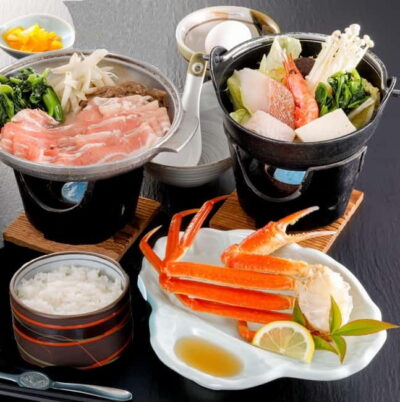
Osaka/Kyoto: Amanohashidate & Miyama Tour with Boat & Lunch
Read our review →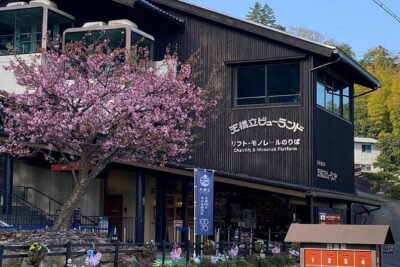
Amanohashidate & Ine Funaya Sightseeing Full Day Trip from Kyoto
Read our review →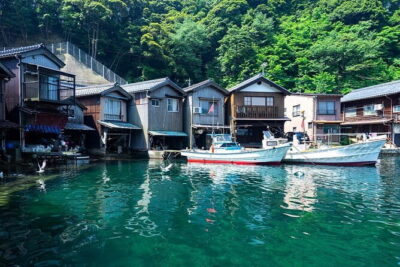
Amanohashidate & Ine Boathouse Full-Day Tour from Kyoto or Osaka
Read our review →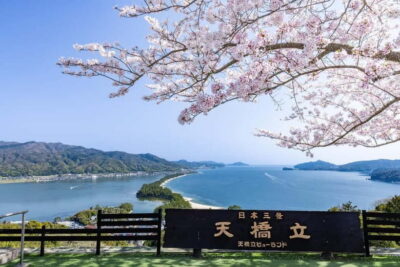
From Osaka/Kyoto: Amanohashidate Day Tour【Including tickets】
Read our review →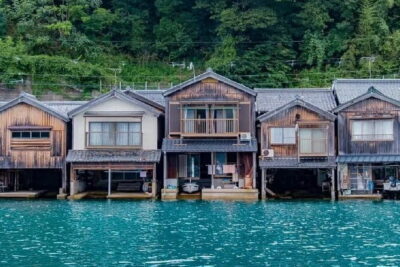
Amanohashidate & Ine Funaya Kyoto coast day trip from Osaka/Kyoto
Read our review →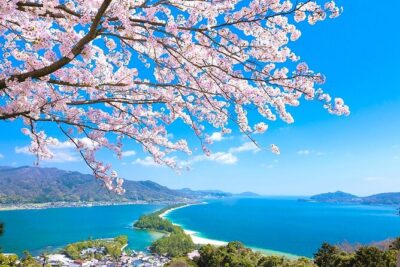
Kyoto Amanohashidate and Ine No Funaya Tour from Osaka
Read our review →Browse the lists this tour appears in